

0614 ligand gated ion channels medical images for powerpoint





Try Before you Buy Download Free Sample Product
 Impress Your
Audience
 100%
Editable
 Save Hours
of Time


Have great fun with our 0614 Ligand Gated Ion Channels Medical Images For PowerPoint. You will feel like grooving away.
People who downloaded this PowerPoint presentation also viewed the following :
0614 ligand gated ion channels medical images for powerpoint with all 10 slides:
Our 0614 Ligand Gated Ion Channels Medical Images For PowerPoint contain contemporary chic. They have a great grasp of current fashion.



FAQs for 0614 ligand gated ion channels medical
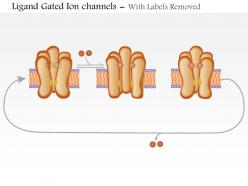
Ligand-gated ion channels are membrane proteins that open when specific molecules bind to them, allowing ions to flow across cell membranes, while voltage-gated channels respond to electrical changes in membrane potential. These mechanisms enable different cellular responses, with ligand-gated channels facilitating chemical signaling in neurotransmission and muscle contraction, and voltage-gated channels driving electrical impulses, ultimately delivering precise control over cellular communication and physiological functions.
Ligand-gated ion channels serve as critical mediators in synaptic transmission by converting chemical signals into electrical responses, enabling rapid communication between neurons through neurotransmitter binding and subsequent ion flow. These channels facilitate essential processes including muscle contraction, memory formation, and reflex responses, with many neurological applications finding that their precise modulation ultimately delivers faster signal processing and enhanced neural network efficiency.
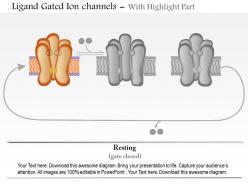
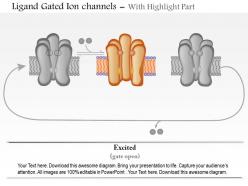
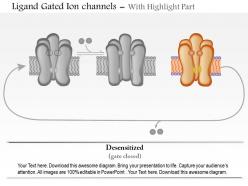
Ligand binding triggers conformational changes in ligand-gated ion channels through cooperative subunit movements, allosteric transitions, and structural rearrangements that open the channel pore. These molecular mechanisms enable precise signal transmission by facilitating rapid ion flow across membranes, ultimately delivering enhanced cellular communication and streamlined synaptic responses in neural networks.
Ligands that activate these channels include neurotransmitters like acetylcholine, GABA, and glutamate, along with hormones, nucleotides such as ATP, and various pharmaceutical compounds. These diverse molecular signals enable precise cellular communication across biological systems, with research institutions and pharmaceutical companies increasingly leveraging this understanding to develop targeted therapies, enhance drug delivery mechanisms, and ultimately deliver more effective treatments for neurological and muscular disorders.
Mutations in ligand-gated ion channels disrupt normal neurotransmitter signaling by altering channel structure, binding affinity, and ion conductance, leading to various neurological disorders. These genetic changes affect synaptic transmission in conditions like epilepsy, myasthenia gravis, and hyperekplexia, ultimately compromising nerve-muscle communication and brain function across affected individuals.
Targeting ligand-gated ion channels presents significant pharmacological opportunities, including developing neurological disorder treatments, pain management therapies, anesthetics, muscle relaxants, and psychiatric medications. These channels enable precise therapeutic interventions by modulating synaptic transmission, with pharmaceutical companies increasingly finding that selective targeting delivers enhanced efficacy, reduced side effects, and competitive advantages in treating conditions like epilepsy, depression, and chronic pain.
Ligand-gated ion channels contribute to neuroplasticity by facilitating synaptic transmission changes, enabling long-term potentiation and depression, and modulating neurotransmitter sensitivity across neural networks. These channels enhance synaptic strength modifications, streamline activity-dependent plasticity mechanisms, and ultimately deliver adaptive learning responses, with many neuroscience researchers finding that targeted channel modulation significantly accelerates therapeutic neuroplasticity interventions.
Techniques for studying ligand-gated ion channel kinetics include patch-clamp electrophysiology, rapid solution exchange methods, single-channel recording, voltage-clamp analysis, and fluorescence-based assays. These approaches enable researchers to measure channel opening and closing rates, ligand binding dynamics, and conductance changes with microsecond precision, ultimately delivering detailed kinetic parameters essential for drug development and therapeutic applications across pharmaceutical and biotechnology sectors.
Ligand-gated ion channels can be exploited in gene therapy through optogenetics, chemogenetics, and targeted drug delivery systems that enable precise cellular control. These approaches allow researchers to manipulate neuronal activity, regulate gene expression, and deliver therapeutic agents with spatial and temporal precision, ultimately enhancing treatment efficacy for neurological disorders while minimizing off-target effects.
Allosteric modulation enables fine-tuning of ligand-gated ion channel activity by allowing regulatory molecules to bind at sites distinct from the primary ligand binding site, enhancing or inhibiting channel function. This mechanism delivers precise control over synaptic transmission and cellular excitability, with pharmaceutical applications finding that allosteric modulators offer therapeutic advantages through reduced side effects and improved selectivity.
Variations in ion selectivity among ligand-gated ion channels determine specific cellular responses by controlling which ions flow across membranes, with sodium and calcium channels typically triggering excitation while chloride channels promote inhibition. These selective mechanisms enable precise signal modulation in neural networks, muscle contractions, and synaptic transmission, ultimately delivering targeted cellular outcomes and enhanced physiological control.
Recent advancements in real-time imaging of ligand-gated ion channels include super-resolution microscopy, two-photon imaging, fluorescent biosensors, patch-clamp fluorometry, and optogenetic tools. These technologies enhance research capabilities by enabling single-channel visualization, improved temporal resolution, and simultaneous electrical-optical recordings, with pharmaceutical companies and neuroscience institutions finding that these methods accelerate drug discovery and therapeutic development processes.
Ligand-gated ion channels interact with other membrane proteins through direct coupling, scaffolding complexes, and downstream signaling cascades that coordinate cellular responses. These channels collaborate with G-protein coupled receptors, kinases, and calcium-binding proteins, enabling neurons and muscle cells to integrate multiple signals simultaneously, ultimately delivering precise cellular control and enhanced synaptic efficiency.
Ligand-gated ion channels facilitate addiction by creating rapid neurotransmitter responses that reinforce drug-seeking behaviors, particularly through dopamine, GABA, and glutamate pathways in reward circuits. During withdrawal, these same channels trigger compensatory mechanisms as the brain attempts to restore neurochemical balance, ultimately driving cravings and relapse behaviors.
Engineering approaches to design synthetic ligand-gated ion channels include protein engineering through directed evolution, computational modeling for structure optimization, chimeric channel construction, and synthetic biology frameworks. These methodologies enable researchers to customize selectivity, conductance, and gating kinetics, with pharmaceutical and biotechnology organizations increasingly leveraging these channels for drug discovery and therapeutic applications, ultimately delivering more precise treatments.
-
Appreciate the research and its presentable format.
-
Great quality slides in rapid time.