

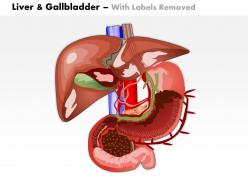
0614 liver and gallbladder in humna body medical images for powerpoint





Try Before you Buy Download Free Sample Product
 Impress Your
Audience
 100%
Editable
 Save Hours
of Time


Give them a glimpse of your concept with our 0614 Liver And GallBladder In Humna Body Medical Images For PowerPoint. They will enjoy feeling exclusive.
People who downloaded this PowerPoint presentation also viewed the following :
0614 liver and gallbladder in humna body medical images for powerpoint with all 10 slides:
Never fumble for words with our 0614 Liver And GallBladder In Humna Body Medical Images For PowerPoint. The correct expression will come to you easily.



FAQs for 0614 liver and gallbladder in humna body medical
The liver performs over 500 functions including detoxification, protein synthesis, bile production, glucose regulation, and nutrient storage, while the gallbladder stores and concentrates bile for fat digestion. These organs work synergistically to maintain metabolic balance, process nutrients, eliminate toxins, and support digestive efficiency, ultimately enabling optimal bodily function and health maintenance across all physiological systems.
Liver diseases significantly impact gallbladder function by reducing bile production, altering bile composition, and impairing bile flow regulation. These disruptions can lead to gallstone formation, impaired fat digestion, and compromised detoxification processes, with many healthcare professionals finding that integrated treatment approaches addressing both organs simultaneously deliver better patient outcomes and reduced complications.
Bile acids are produced by the liver from cholesterol and serve as crucial digestive agents that emulsify fats, breaking them into smaller droplets for enhanced enzyme action and nutrient absorption in the small intestine. These compounds streamline lipid digestion by increasing surface area, facilitating fat-soluble vitamin absorption, and enabling efficient cholesterol elimination, ultimately delivering improved digestive efficiency and metabolic balance throughout the gastrointestinal system.
Liver detoxification processes are crucial for eliminating toxins, metabolizing drugs, processing hormones, and converting harmful substances into water-soluble compounds for excretion. These complex biochemical pathways enhance cellular function, support immune system efficiency, and maintain metabolic balance, with healthcare professionals increasingly recognizing that optimized detoxification ultimately delivers improved patient outcomes and reduced complications across medical treatments.
Common signs include jaundice, abdominal pain, fatigue, nausea, dark urine, pale stools, and loss of appetite, while gallbladder-specific symptoms often present as right upper quadrant pain after meals. These symptoms enable early detection and intervention across various liver conditions, from hepatitis to gallstones, ultimately delivering better patient outcomes and preventing complications.
Lifestyle choices significantly impact liver health and gallbladder function through diet quality, exercise frequency, alcohol consumption, and weight management. Poor dietary habits, excessive alcohol intake, and sedentary behavior can lead to fatty liver disease, gallstone formation, and reduced detoxification capacity, while balanced nutrition, regular physical activity, and moderate alcohol consumption enhance liver regeneration and gallbladder efficiency, ultimately delivering improved metabolic function and reduced disease risk.
Acute liver diseases develop rapidly over days or weeks with sudden onset symptoms like jaundice, abdominal pain, and fatigue, while chronic conditions progress gradually over months or years, often remaining asymptomatic initially. Through early detection and strategic treatment approaches, healthcare institutions can significantly improve patient outcomes, reduce long-term complications, and ultimately deliver more cost-effective care.
Preventing gallstones involves maintaining a healthy weight, eating fiber-rich foods, staying hydrated, exercising regularly, and avoiding rapid weight loss or high-cholesterol diets. These lifestyle approaches work by promoting regular bile flow, reducing cholesterol saturation, and supporting optimal digestive function, with many healthcare providers finding that patients who combine dietary modifications with consistent physical activity significantly reduce their risk while enhancing overall liver-gallbladder system efficiency.
Common diagnostic tests for liver and gallbladder health include blood tests measuring liver enzymes and bilirubin levels, ultrasound imaging, CT scans, MRI, and endoscopic procedures like ERCP. These assessments enable healthcare providers to detect conditions ranging from hepatitis to gallstones, ultimately delivering faster diagnoses and more targeted treatment plans for improved patient outcomes.
Medications affect liver function through hepatic metabolism, potential toxicity accumulation, enzyme interference, and altered drug clearance rates. Patients should monitor for symptoms like fatigue, jaundice, or abdominal pain, discuss all supplements with healthcare providers, and undergo regular liver function tests, with many finding that proactive communication with physicians enables safer medication management and better health outcomes.
Latest advancements in liver disease management include precision medicine approaches, minimally invasive procedures, advanced imaging technologies, immunotherapy treatments, and artificial liver support systems. These innovations streamline diagnosis and treatment by enabling personalized therapy selection, reducing surgical complications, and improving patient outcomes, with many hepatology centers finding that combining these approaches delivers faster recovery times and enhanced long-term prognosis.
Viral hepatitis infections compromise liver function by causing inflammation, damaging hepatocytes, and disrupting protein synthesis, detoxification processes, and bile production. These infections can progress from acute inflammation to chronic conditions, with healthcare systems increasingly finding that early detection and antiviral treatments significantly reduce complications, prevent cirrhosis, and ultimately preserve long-term liver health.
The liver possesses remarkable regenerative capacity, able to restore up to 75% of its mass through hepatocyte proliferation, stem cell activation, and tissue remodeling processes. While age, nutrition, alcohol consumption, and underlying diseases like hepatitis significantly influence regeneration speed, many medical institutions find that optimized patient care, including proper nutrition and toxin elimination, enhances recovery outcomes and delivers faster healing for transplant and surgical patients.
Dietary changes that enhance liver and gallbladder health include reducing saturated fats, increasing fiber intake, limiting processed foods, incorporating antioxidant-rich vegetables, and maintaining adequate hydration. These nutritional strategies streamline digestive processes, minimize gallstone formation, and support hepatic detoxification pathways, with many healthcare professionals finding that patients experience improved metabolic efficiency and reduced inflammatory markers through consistent dietary optimization.
Liver and gallbladder conditions are classified by etiology, pathophysiology, and anatomical involvement, including inflammatory diseases, metabolic disorders, neoplasms, congenital abnormalities, and vascular conditions. This systematic classification enables healthcare institutions to streamline diagnostic protocols, enhance treatment planning, and improve patient outcomes, with many hospitals finding that standardized classification systems ultimately deliver more efficient care pathways and better clinical decision-making across gastroenterology departments.
-
Very unique, user-friendly presentation interface.
-
Great quality product.