


0814 omega3 phospholipid medical images for powerpoint




Try Before you Buy Download Free Sample Product
 Impress Your
 Audience
 100%
100% Editable
 Save Hours
 of Time


Our 0814 Omega3 Phospholipid Medical Images For PowerPoint have an enhancing function. They add a lot to your existing capability.
People who downloaded this PowerPoint presentation also viewed the following :
0814 omega3 phospholipid medical images for powerpoint with all 10 slides:
Apply confidently with our 0814 Omega3 Phospholipid Medical Images For PowerPoint. You will get the go ahead.





FAQs for 0814 omega3 phospholipid medical
Omega-3 phospholipids are marine-derived compounds where omega-3 fatty acids are naturally bound to phospholipid molecules, unlike standard omega-3s typically bound to triglycerides in fish oil. This phospholipid structure enhances bioavailability and cellular absorption, with many nutritional companies finding that consumers experience faster therapeutic benefits, reduced dosage requirements, and improved stability, ultimately delivering superior health outcomes in cardiovascular and cognitive applications.
Omega-3 phospholipids enhance cognitive health by supporting neural membrane integrity, facilitating neurotransmitter function, and reducing neuroinflammation throughout brain tissue. These specialized lipids streamline cellular communication, optimize memory formation, and maintain synaptic plasticity, with many healthcare institutions finding that phospholipid-bound omega-3s deliver superior bioavailability and sustained cognitive benefits compared to traditional supplements.
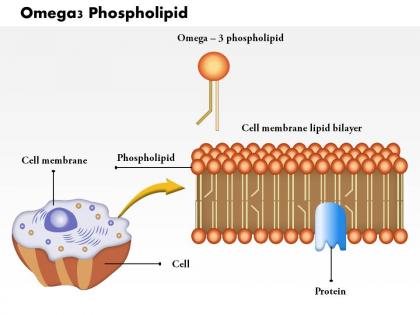
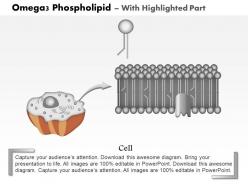
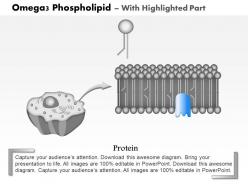
Omega-3 phospholipids serve as essential structural components of cellular membranes, maintaining fluidity, permeability, and overall membrane integrity while facilitating crucial cellular processes like nutrient transport and signal transmission. These specialized lipids enhance membrane flexibility and stability, with pharmaceutical companies, nutraceutical manufacturers, and healthcare providers increasingly recognizing their role in supporting cardiovascular health, cognitive function, and cellular protection across various therapeutic applications.
Omega-3 phospholipids impact cardiovascular health by enhancing cellular membrane function, reducing inflammation, and improving lipid profiles more effectively than traditional fish oils. These specialized compounds deliver superior bioavailability and absorption, with studies showing significant improvements in arterial flexibility, cholesterol management, and overall heart function, ultimately providing enhanced cardiovascular protection and reduced risk factors.
Primary dietary sources of omega-3 phospholipids include krill oil, fish roe, marine algae, fatty fish like salmon and mackerel, and specialized supplements derived from Antarctic krill. These sources deliver enhanced bioavailability compared to traditional fish oils, with many health-conscious consumers and nutritional companies finding that phospholipid-bound omega-3s provide superior cellular absorption and targeted wellness benefits.
Omega-3 phospholipids influence inflammation by modulating cellular membrane composition, enhancing anti-inflammatory mediator production, and regulating immune cell signaling pathways throughout the body. These specialized lipids streamline inflammatory responses by reducing pro-inflammatory cytokines, supporting regulatory T-cell function, and promoting resolution-phase mediators, ultimately delivering improved immune balance and reduced chronic inflammation across cardiovascular, neurological, and metabolic systems.
Omega-3 phospholipids show therapeutic potential in managing cardiovascular disease, neurodegenerative disorders, inflammatory conditions, metabolic syndrome, and certain cancers. These specialized lipids enhance cellular membrane function, reduce systemic inflammation, and improve bioavailability compared to traditional fish oils, with healthcare providers increasingly finding that phospholipid-bound omega-3s deliver superior absorption and targeted therapeutic outcomes for chronic disease management.
Omega-3 phospholipids enhance lipid metabolism by improving cellular membrane fluidity, increasing fat oxidation, and optimizing lipoprotein particle composition, while simultaneously reducing LDL cholesterol and triglyceride levels. Through enhanced bioavailability compared to traditional fish oils, these compounds streamline metabolic processes, deliver superior cardiovascular protection, and ultimately enable more efficient cholesterol management, with many healthcare practitioners finding significant improvements in patient lipid profiles.
Omega-3 phospholipids demonstrate superior bioavailability compared to traditional triglyceride or ethyl ester forms, with absorption rates up to 50% higher due to their unique molecular structure and enhanced cellular uptake mechanisms. This enhanced bioavailability translates into more efficient delivery of EPA and DHA to target tissues, ultimately enabling lower dosing requirements while delivering superior therapeutic outcomes for cardiovascular and cognitive health applications.
Omega-3 phospholipids from supplements typically deliver higher bioavailability and faster absorption compared to traditional food sources, with krill oil and marine-derived supplements showing superior cellular uptake rates. While whole food sources like fatty fish provide natural phospholipid complexes, supplement formulations enable more concentrated delivery and enhanced bioavailability, ultimately delivering more efficient omega-3 utilization for cardiovascular and cognitive health outcomes.
Omega-3 phospholipids enhance gut microbiota balance by promoting beneficial bacteria growth, reducing inflammatory responses, and improving intestinal barrier function through superior bioavailability compared to traditional fish oils. These specialized lipids facilitate better nutrient absorption, support digestive enzyme activity, and help maintain optimal gut pH levels, with many healthcare practitioners finding that patients experience improved digestive comfort and enhanced overall gut health outcomes.
Current research advancements in omega-3 phospholipids for mental health include targeted delivery mechanisms, personalized dosing protocols, combination therapies with traditional treatments, and enhanced bioavailability formulations. These developments enable more precise interventions for depression, anxiety, and cognitive disorders, with clinical trials increasingly demonstrating improved patient outcomes and faster therapeutic responses.
Omega-3 phospholipid supplementation is generally well-tolerated, with potential mild side effects including digestive discomfort, fishy aftertaste, nausea, and possible blood-thinning effects in sensitive individuals. While most users experience minimal adverse reactions, those on anticoagulant medications or with seafood allergies should consult healthcare providers, with many finding that starting with lower doses and gradually increasing helps minimize initial digestive adjustments.
Omega-3 phospholipids can be incorporated into functional foods through microencapsulation, emulsification, and specialized delivery systems that preserve bioactivity while masking fishy flavors. These technologies enable manufacturers to enhance beverages, dairy products, baked goods, and dietary supplements, with many food companies finding that phospholipid-based omega-3s deliver superior absorption and consumer acceptance compared to traditional fish oils.
Future research directions for omega-3 phospholipids include long-term clinical trials, optimal dosage studies, bioavailability comparisons, personalized medicine approaches, and combination therapy investigations. These research areas will enhance understanding of therapeutic applications across cardiovascular health, cognitive function, and inflammatory conditions, ultimately delivering evidence-based protocols and targeted treatment strategies for healthcare providers.
-
Qualitative and comprehensive slides.
-
Awesomely designed templates, Easy to understand.