


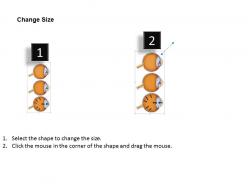
0814 stages of glaucoma medical images for powerpoint




Try Before you Buy Download Free Sample Product
 Impress Your
 Audience
 100%
100% Editable
 Save Hours
 of Time


Light the lamp of knowledge with our 0814 Stages Of Glaucoma Medical Images For Powerpoint. Strike the match with our 0814 Stages Of Glaucoma Medical Images For Powerpoint.
People who downloaded this PowerPoint presentation also viewed the following :
0814 stages of glaucoma medical images for powerpoint with all 8 slides:
Conquer adversity with our 0814 Stages Of Glaucoma Medical Images For Powerpoint. No handicap will ever demoralize you.
FAQs for 0814 stages of glaucoma medical
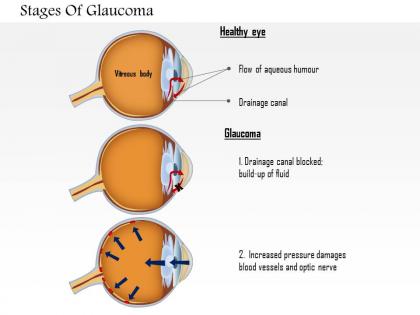
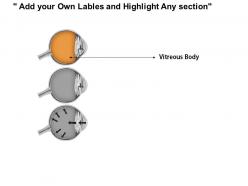
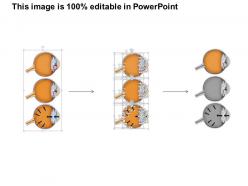
Glaucoma progresses through four primary stages: early, moderate, advanced, and end-stage, with symptoms ranging from subtle peripheral vision loss to complete blindness. Early stages often present no noticeable symptoms, while moderate stages show measurable visual field defects, advanced stages create significant blind spots affecting daily activities, and end-stage glaucoma results in severe vision impairment or complete sight loss.
Intraocular pressure is measured using tonometry techniques including Goldmann applanation tonometry, non-contact air-puff methods, and handheld devices like Tono-Pen. These measurements are critical because elevated IOP accelerates optic nerve damage progression, with ophthalmologists using pressure readings alongside visual field tests and nerve assessments to determine disease stage, ultimately enabling targeted treatment approaches that preserve vision and prevent irreversible blindness.
Visual field changes in glaucoma progress from subtle peripheral defects in early stages to arcuate scotomas and nasal steps in moderate stages, ultimately advancing to severe central vision loss and tunnel vision in advanced stages. These progressive changes help ophthalmologists and healthcare institutions monitor disease advancement, enabling earlier interventions, better patient outcomes, and more strategic treatment planning that ultimately preserves functional vision longer.
Different glaucoma types progress uniquely, with open-angle glaucoma developing gradually through mild, moderate, and severe stages over years, while angle-closure glaucoma can advance rapidly from early symptoms to acute episodes within hours or days. These progression patterns enable healthcare providers to tailor treatment approaches, implement targeted interventions, and deliver personalized care strategies, ultimately enhancing patient outcomes and vision preservation across diverse clinical presentations.
Genetics significantly influences glaucoma progression through inherited variations affecting intraocular pressure regulation, optic nerve vulnerability, and cellular response to damage. While genetic predisposition can accelerate disease advancement through specific pathways, early detection enables proactive monitoring and targeted interventions, with many ophthalmologists finding that genetic testing enhances personalized treatment strategies and ultimately improves long-term outcomes.
Early detection of glaucoma significantly enhances management outcomes by enabling immediate intervention before irreversible vision loss occurs, allowing for more effective pressure control, and preserving existing optic nerve function. Through regular screenings and advanced diagnostic technologies, healthcare providers can implement targeted treatments, monitor progression more precisely, and adjust therapeutic approaches proactively, ultimately delivering better long-term visual preservation and improved patient quality of life.
Key diagnostic tools for evaluating glaucoma severity include optical coherence tomography (OCT), visual field testing, gonioscopy, optic nerve photography, and intraocular pressure measurements. These technologies enhance early detection and monitoring by providing detailed retinal imaging, tracking peripheral vision loss, and assessing optic nerve damage, with many ophthalmology practices finding that comprehensive diagnostic protocols ultimately deliver more precise staging and improved patient outcomes.
Treatment options for glaucoma vary significantly by stage, ranging from eye drops and medications in early stages to laser therapy, surgical interventions, and drainage implants in advanced cases. Early-stage patients typically manage progression through topical medications and lifestyle modifications, while moderate to severe cases require more aggressive approaches like trabeculectomy or tube shunt surgery, ultimately preserving remaining vision and preventing further deterioration.
Lifestyle changes for glaucoma management include regular eye exams, consistent medication adherence, moderate exercise, stress reduction techniques, and dietary modifications rich in antioxidants. These approaches enhance treatment effectiveness by improving blood flow, reducing intraocular pressure, and supporting overall eye health, with many patients finding that combining lifestyle modifications with medical treatment delivers better long-term vision preservation outcomes.
Patient education about glaucoma stages improves treatment adherence by helping patients understand disease progression, recognize symptom changes, and appreciate the importance of consistent medication and monitoring. When patients comprehend how untreated glaucoma advances from mild peripheral vision loss to potential blindness, they become more motivated to follow prescribed eye drop regimens, attend regular appointments, and maintain lifestyle modifications, ultimately delivering better long-term outcomes and preserving vision quality.
Psychological impacts of glaucoma diagnosis include initial shock and anxiety, fear of blindness, depression from vision loss, and social isolation as the condition progresses. These emotional challenges intensify through advanced stages, with many patients experiencing reduced independence and quality of life, while early intervention and support systems enable better psychological adaptation and ultimately deliver improved treatment adherence and emotional resilience.
Comorbid conditions like diabetes, hypertension, and cardiovascular disease can accelerate glaucoma progression by compromising ocular blood flow, increasing intraocular pressure variability, and affecting optic nerve resilience across all stages. Healthcare systems increasingly recognize that integrated management approaches, combining ophthalmologic care with systemic disease control, deliver better patient outcomes and reduce long-term vision loss risks.
Recent research advances include neuroprotective agents, gene therapy, sustained-release drug delivery systems, artificial intelligence diagnostics, and regenerative medicine approaches. These innovations enhance treatment precision by targeting retinal ganglion cell preservation, optimizing medication adherence, and enabling earlier intervention detection, with many ophthalmology practices finding that combining traditional pressure-lowering treatments with these emerging therapies delivers improved patient outcomes.
Caregivers can support glaucoma patients by facilitating regular ophthalmologist appointments, organizing medication schedules, creating safer home environments with improved lighting, and providing emotional encouragement throughout progression stages. Through consistent monitoring assistance and environmental modifications, caregivers enable better treatment adherence, reduced fall risks, and enhanced quality of life, while helping patients maintain independence and confidence as vision changes occur.
Monitoring glaucoma progression involves regular comprehensive eye exams, intraocular pressure measurements, visual field testing, and optic nerve imaging using OCT technology. These assessment methods enable ophthalmologists to track structural changes, detect vision loss patterns, and adjust treatment protocols accordingly, with many eye care practices finding that consistent monitoring ultimately delivers earlier intervention opportunities and better long-term patient outcomes.
-
Unique research projects to present in meeting.
-
Illustrative design with editable content. Exceptional value for money. Highly pleased with the product.