


3D Printed Prosthetics PPT Information ACP





Try Before you Buy Download Free Sample Product
 Impress Your
 Audience
 100%
100% Editable
 Save Hours
 of Time


Explore the innovative world of 3D printed prosthetics with this comprehensive PowerPoint presentation deck. Discover cutting-edge technology, design processes, and real-world applications that enhance mobility and quality of life. Perfect for professionals seeking to understand advancements in prosthetic solutions and their impact on healthcare.
People who downloaded this PowerPoint presentation also viewed the following :
3D Printed Prosthetics PPT Information ACP with all 39 slides:
Use our 3D Printed Prosthetics PPT Information ACP to effectively help you save your valuable time. They are readymade to fit into any presentation structure.














FAQs for 3D Printed Prosthetics
Dude, the cost difference is insane - we're talking $50 versus thousands of dollars. You can customize everything to fit perfectly too, which is huge. Speed-wise? Hours instead of weeks, no joke. Kid grows out of it or something breaks? Just print another one. Way better than the whole traditional process where you basically start over. There's actually a ton of open-source designs you can grab for free online - might be worth checking those out first if you're serious about this. It's honestly changing the game for people who need prosthetics but can't afford the crazy expensive ones.
Dude, 3D printing is a game changer for prosthetics. They scan your residual limb and make something that actually fits YOU - not some generic model that kinda works. Weight, grip, joint angles - all customized. My cousin got one recently and honestly? The personalization blew me away. Want realistic skin tones? Done. Prefer neon green with flames? Also totally doable. Plus if it's uncomfortable, they don't have to start over with expensive materials like before. Just tweak the design and print again. Way better than the old one-size-fits-most approach.
So PLA and ABS are your main options - PLA's easier to work with and biodegradable, ABS handles heat better. PETG's kinda the sweet spot between them. For socket linings, TPU is clutch since it's flexible and way more comfortable against skin. Material really depends on what body part you're making though. Legs need serious strength so carbon fiber-reinforced stuff works best. Hands? You can go lighter since it's more about precision. Oh and if you're just starting out, I'd go with PETG - it's pretty forgiving and works for most things you'll be printing.
Dude, 3D printing is a total game changer for prosthetics. Costs dropped from like $5K-50K down to maybe $50-500, which is insane. No more expensive molds or crazy manufacturing setups needed. You just scan, print overnight, done. Kids outgrow theirs? Just print another one. Need tweaks? Same deal - edit the file and hit print again. The materials are dirt cheap too. Honestly, it's kind of wild how simple it's become. Check if there's a makerspace near you - tons of them run prosthetic programs now. Way more accessible than the old system.
Honestly, open-source design is what's making 3D printed prosthetics actually work. Designers share everything freely instead of hoarding patents - so someone in Kenya creates something, a person in Germany improves it, then Brazil adds their spin. The speed is crazy when nobody's worried about getting sued! Plus it makes prosthetics way cheaper since there's no licensing fees. I mean, traditional prosthetics cost like $50k sometimes. Check out e-NABLE or Open Bionics if you want to see this stuff in action - they're doing incredible work.
Dude, 3D printed prosthetics are seriously amazing for amputees. Instead of paying thousands, you're looking at a few hundred bucks. They make them custom-fit to your exact measurements too. Kids especially go crazy for these - imagine getting your prosthetic in bright purple or with superhero designs! That psychological boost is huge, honestly. The materials are way lighter than traditional ones, so less fatigue throughout the day. Oh, and here's the best part - something breaks? Just print a new piece instead of waiting forever for repairs. Definitely check out e-NABLE's designs, they've got some incredible open-source stuff.
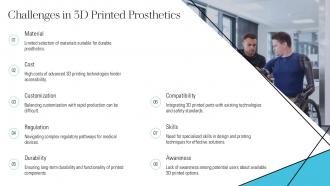
Honestly, the biggest pain points are regulatory stuff and getting insurance to actually cover it - both move at a snail's pace with new tech. Quality control is tricky since 3D printing can be hit or miss, and you'll need to train healthcare workers who might not get the technology at all. Liability's another headache when custom devices fail or fit wrong. Most hospitals aren't even set up for this kind of manufacturing workflow, which is a mess. Oh, and prosthetists are key here - they're the ones who'll actually push for this tech to succeed, so I'd start building those relationships first if you're serious about this space.
So here's the deal - traditional prosthetics last way longer because they use stuff like carbon fiber and titanium. Those can go years without breaking down. 3D printed ones? They're mostly plastic, so you're looking at months before they wear out. But honestly, the replacement thing is where it gets interesting. When something breaks, you can just print a new part in a few hours instead of waiting weeks for repairs. Plus they're dirt cheap to replace. Kids who are still growing especially love this setup - way less hassle than the traditional route.
Dude, 3D printing is amazing for kids' prosthetics. Kids grow constantly, so you just resize the file and print a new one instead of waiting forever for appointments. The best part? Kids can pick crazy colors or make it look like Iron Man's arm - suddenly they think it's the coolest thing ever. Traditional ones cost like $15K and weigh a ton on little kids. These are under $100 and super lightweight. Honestly, the cost savings alone make it worth it for families. Check with local makerspaces first - they usually have printers and people love helping with this stuff.
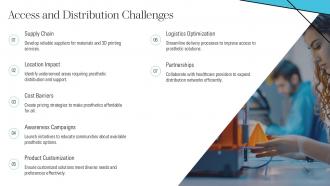
Honestly, the biggest headaches are safety and access issues. 3D printed prosthetics skip all the normal medical checks, so nobody really knows if they're safe enough - kind of a mess right now. Quality control is another nightmare - like, what happens when someone's homemade arm breaks? Plus there's the whole equity thing where rich people get cool new tech while everyone else gets screwed over. Oh, and liability is gonna be interesting when lawyers get involved. If you're thinking about this space, definitely test everything like crazy and figure out how regular people can actually afford it.
Honestly, it's mostly about speed and being able to tweak things easily. Traditional prosthetics? You're looking at weeks of appointments, physical molds, tons of manual work - my cousin waited like 3 months for his. 3D printing lets you scan the limb, design it digitally, then print in hours. Something doesn't fit right? Just change the digital file and reprint whatever piece needs fixing. Way cheaper too since you skip all that specialized labor. Kids who are still growing especially benefit from this - you can just resize as needed instead of starting from scratch every time.
So there's some pretty cool tech now - 3D body scanners and even smartphone apps that can map your residual limb super precisely. No more messy plaster casts! Your phone camera creates these detailed digital models that are accurate to the millimeter, which honestly blows my mind. Then that data goes straight into design software. Some places use handheld laser scanners too for really detailed surface mapping. The whole thing takes minutes instead of hours, plus you don't have to worry about measurement mistakes. I'd definitely ask what kind of scanning setup your local prosthetic clinic has - makes a huge difference in the fitting process.
So healthcare folks are learning this through hands-on workshops and online courses, plus partnerships with the 3D printing companies. Prosthetists are picking up CAD software and scanning techniques - honestly it's pretty cool how they can customize everything digitally now. Medical schools are starting to teach it too, which makes sense. The training hits both sides: technical stuff like running the printers and post-processing, then the clinical piece with patient assessment and fitting. Oh, and if you want to dive in, definitely check out e-NABLE or look for certification programs through prosthetic associations.
Dude, the custom fitting stuff is insane right now - they're using body scans to make prosthetics that actually fit YOUR body perfectly. Haptic feedback sensors are getting embedded so you can feel textures and pressure again. Desktop 3D printers are way better now, which is driving costs down fast. Multi-material printing lets them make different zones with varying flexibility in one go. Honestly, the sensor integration space is where I'd put money if I were investing. Oh, and we're finally moving past that "one size fits most" garbage approach. The breakthrough potential there is nuts.
Dude, you absolutely need user feedback if you're doing 3D printed prosthetics. People will tell you stuff like "this pinches my wrist" and boom - you can fix the design file and print a new version super fast. That's honestly the coolest part about 3D printing vs traditional manufacturing. Short surveys after a few weeks catch problems you'd never find in testing. Oh, and when multiple users complain about the same thing? That's gold - means you can improve the base design for everyone. Start collecting feedback from day one, trust me.
-
Informative presentations that are easily editable.
-
Best Representation of topics, really appreciable.