

3D Printing Dental Applications PPT Slides ACP





Try Before you Buy Download Free Sample Product
 Impress Your
Audience
 100%
Editable
 Save Hours
of Time


Discover the future of dentistry with our professional PowerPoint presentation deck on 3D Printing Dental Applications. This comprehensive collection of slides covers innovative techniques, benefits, and case studies, empowering dental professionals to enhance patient care and streamline workflows. Perfect for presentations, training, and educational purposes.
People who downloaded this PowerPoint presentation also viewed the following :
3D Printing Dental Applications PPT Slides ACP with all 43 slides:
Use our 3D Printing Dental Applications PPT Slides ACP to effectively help you save your valuable time. They are readymade to fit into any presentation structure.














FAQs for 3D Printing Dental Applications
Surgical guides are everywhere now, plus clear aligners and dental models for planning cases. Crown and bridge work is blowing up too - labs are cranking out temporaries and even some permanent restorations. Night guards are honestly your best bet to start with since they're pretty straightforward. The accuracy is solid enough that patients actually get good results with most of this stuff. You should definitely check out a lab that's already doing it though - I learned way more in like an hour there than months of reading random articles online. Makes the whole workflow click.
Dude, 3D printing is a total game changer for dental work. What used to take weeks now happens in hours or maybe a day or two. You just scan the patient's mouth digitally and print straight from that file - no more of that old school impression mess with stone models and all that manual stuff. The lab work doesn't have to ping between different technicians anymore either. Honestly, I was skeptical at first, but the whole process becomes so much more predictable. Track your turnaround times for a month, then compare after you switch. You'll be shocked at the difference.
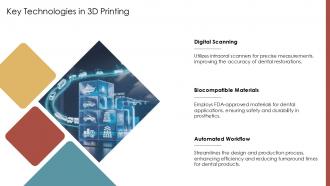
So you've got biocompatible resins for surgical guides and night guards - pretty standard stuff. Ceramic-filled resins are huge right now for permanent work since they act just like real teeth. For metal stuff? Titanium alloys and cobalt-chrome are your go-to, and honestly the precision is insane these days. PEEK's becoming really popular for implants too because it's crazy strong but still lightweight. Oh, and this probably goes without saying, but make sure whatever you pick has FDA clearance for mouth use. Don't want any nasty surprises down the road.
Honestly, 3D printed models are way more accurate than traditional impressions. You're getting 20-50 micron precision vs 100+ with alginate or PVS - it's not even close. No more air bubbles or mixing screwups, and the models don't shrink over time like the old materials. The upfront cost stings a bit, but you'll save money long-term when you factor in all the wasted materials and remakes. I always tell people to run a few comparison cases first so you can see the difference yourself. Once you do, you won't want to go back.
So the new biocompatible stuff for dental 3D printing is actually getting pretty wild. Materials like NextDent Ortho Clear and KeySplint Soft can handle saliva and temp changes without falling apart - which honestly used to be a huge problem. There's these ceramic-filled resins now that match natural tooth strength. The coolest part? You can print hybrid ceramics directly without that annoying firing step afterwards. Some bioactive glass resins even help with remineralization (though I'm still skeptical about how well that works long-term). Check what your printer already supports first - you might be surprised what's compatible.
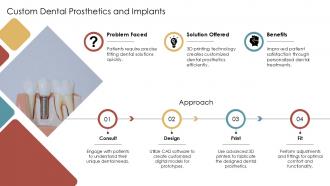
Dude, 3D printing is a total game-changer for dental implants. You scan the patient's mouth, design everything digitally, then print implants that actually fit their specific jaw and bone density. No more generic stuff that kinda works. The precision is insane - you can print custom abutments and crowns that line up perfectly with their bite. Surgery goes way faster too since everything fits right the first time. Honestly, I'd probably get intraoral scanner first if you're thinking about this - that's what gives you those spot-on digital impressions. Worth the investment for sure.
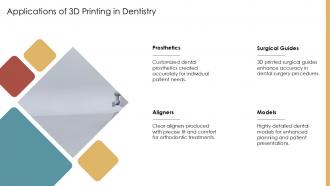
So basically, orthodontists now scan your teeth digitally instead of doing those gross moldy impressions. Then they 3D print models for each stage of how your teeth will move. Each aligner gets made by heating plastic over these printed models - actually pretty fascinating to see. The whole thing is way more accurate than the old methods, and your aligners fit perfectly since they're custom-made for tiny movements. My cousin just got Invisalign and said the whole process was much faster than she expected. Definitely ask your orthodontist to show you their digital setup if you're thinking about it.
Start with surgical guides and simple models - they pay for themselves fast. Training your team on the software is huge though, that's where everyone messes up honestly. Once you get the digital impression workflow down, it's pretty smooth sailing. Build up to crowns and bridges later. Patients love being able to hold their treatment plan, makes everything way easier to explain. Oh and definitely work with your lab at first for the tricky stuff while you're figuring it out. The time you'll save on temps alone is worth it.
Yeah so the upfront hit is pretty rough - you're talking $15K-50K+ for a decent setup with all the materials and training. Worth it though if you do enough volume. Most practices I know cut their lab costs by 60-70% in year one, which is honestly nuts. Same-day turnaround is where it really shines - patients love getting their stuff done in one visit. Case acceptance goes way up too. I'd probably start with something simple like models or night guards first. Get your feet wet before jumping into the complex stuff, you know? Once you nail the workflow it's pretty addictive.
So here's the deal - FDA treats most 3D printed dental stuff as medical devices, which means you'll probably need 510(k) clearance before using anything on patients. Your materials have to meet ISO 10993 standards too. State dental boards are all over the place with their rules - some are super strict about what you can make in-office vs. what needs proper lab certification. Don't forget OSHA requirements for handling resins and ventilation (that stuff can get pretty nasty). Honestly, the paperwork's gonna be your biggest headache. Document everything - materials, processes, quality control, the works. I'd start by checking your state's specific guidelines first, maybe partner with an FDA-cleared lab initially.
Dude, 3D printing completely changes how you talk to patients. Hand them a physical model of their teeth and watch their faces light up - they finally understand what you're trying to fix. Way better than pointing at some blurry X-ray, you know? Patients can actually hold their case, flip it around, see exactly what the restoration will look like. Honestly, I've seen treatment acceptance rates jump just from this alone. The questions they ask get so much better too. It's wild how much more confident people feel when they can literally see what's happening. Definitely worth adding to your consults.
Honestly, the biggest pain points are gonna be materials and getting through all the FDA red tape. Equipment's expensive as hell - you're looking at like 50k minimum for decent printers. Materials are still pretty limited compared to what you can do traditionally, which is annoying. Your team will need time to figure out completely new workflows too. Oh and quality control gets weird because sometimes layer issues don't show up until later. I'd probably start with simple stuff first, maybe retainers or study models, then work your way up once everyone's comfortable with the process.
Oh dude, 3D printing is seriously changing dental school! Students can print endless practice models - teeth, jaws, even weird pathological cases they'd never see otherwise. No more waiting around for the right patient to walk in. They mess up on printed models instead of real people, which is way less terrifying honestly. The transparent ones are pretty sick because you can see all the internal stuff. Students practice the same procedure over and over until they've got it down. By the time they're working on actual patients, they're not sweating bullets. Makes total sense when you think about it.
Dude, the stuff coming out is wild. Multi-material printing lets you make crowns with different hardness zones - basically copying real teeth perfectly. Bioprinting with actual living cells? That's next level crazy. You're literally printing tooth structures that can regenerate themselves. Print speeds are getting insane too, plus materials now match enamel properties way better. AI will handle your design optimization automatically, so less guesswork. Honestly, I'd start looking into this stuff now if I were you - being early on these innovations could seriously set you apart from other practices.
Dude, 3D printing will totally change your lab setup. Instead of all that traditional casting mess, you can print crowns, bridges, and surgical guides directly. The time savings are insane - we're talking hours instead of days. Plus you're not wasting tons of material since you only print exactly what you need. Accuracy goes way up too because there's no sketchy manual molding step. Oh, and rush orders? Not a problem anymore - your workflow stays chill. I'd definitely start with clear aligners or night guards though. Way easier to get those dialed in before jumping into the complex stuff.
-
Keep doing the good work guys. Surpass the needs and expectations always!!
-
I am so thankful for all of the templates I've found on your site. They have saved me hours every week and helped make my presentations come alive. Keep up with these amazing product releases!