


Actual expenses vs budget powerpoint presentation slides




Try Before you Buy Download Free Sample Product
 Impress Your
 Audience
 100%
100% Editable
 Save Hours
 of Time


Acquire the desired impact in every aspect with our Actual Expenses Vs Budget Powerpoint Presentation Slides. It includes all the ingredients.
People who downloaded this PowerPoint presentation also viewed the following :
Actual expenses vs budget powerpoint presentation slides with all 19 slides:
Bid for it with our Actual Expenses Vs Budget Powerpoint Presentation Slides. Achieve your goal at an affordable cost.
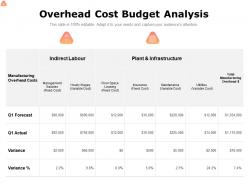
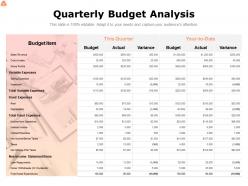
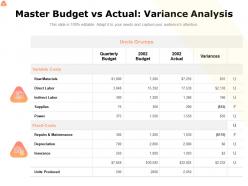
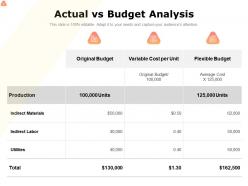



FAQs for Actual expenses vs budget
Okay so first thing - track where your money's actually going for like 2-3 weeks before you even make a budget. Most people just guess and wonder why it doesn't work lol. Then list everything: fixed stuff like rent, variable stuff like groceries, fun money, savings goals. I swear the 50/30/20 rule is clutch if you're totally lost (needs/wants/savings). Build in some wiggle room for random expenses because life happens. Here's the thing though - you've gotta actually check in monthly or it'll fall apart by month two. Don't be too rigid with yourself either.
Look at what you actually spent last few months - be honest, no fantasy budgeting! I'd say aim for 10-20% savings when you're starting out, then increase it later. Make your goals super specific though, like "save $2,000 for emergencies by December" instead of vague stuff like "save more." Life's gonna throw curveballs at you (it always does), so build in some wiggle room. Check your progress monthly and tweak things if needed. Honestly, goals that are too rigid just end up getting ditched when real life happens.
Honestly, I'd start with those budgeting apps like Mint or YNAB - they do the heavy lifting by categorizing everything automatically. Your bank probably has decent tracking tools too. Spreadsheets work if you don't mind the extra work, though I always forget to update mine lol. Some people still do the old envelope thing with cash. Pick whatever you'll actually use consistently - that's the real trick. I'd say track everything for a month first, see where your money's really going, then build your budget around those patterns. You might be surprised by what you find.
Dude, budgeting apps are a total game changer! I was drowning in spreadsheets until I tried Mint - it automatically sorts your spending into categories so you don't have to. YNAB's pretty solid too. The best part? They sync with your bank so everything updates without you doing anything. You'll get alerts when you're blowing your budget, plus you can set up automatic transfers to savings. Oh, and the charts actually make sense of where your cash disappears each month. Just grab a free one first and link your main account to see how it feels.
Ugh, the worst thing you can do is make your budget super strict with zero fun money. Trust me - I tried budgeting $0 for entertainment and felt like crap every time I grabbed coffee! You'll just end up breaking it. Also, everyone forgets about those annoying once-a-year expenses. Car registration, holiday gifts, quarterly insurance payments - that stuff adds up fast. Oh and birthdays! I swear those sneak up on me every time. Honestly? Just track what you're actually spending for a month first. Don't change anything yet, just see where your money really goes.
Honestly? I look at mine every week or two because stuff comes up constantly. But monthly is probably fine for most people - catches the overspending before it gets ugly. Weekly works better if your income's all over the place or you're new to this whole budgeting thing (which is totally normal btw). Life changes are when you really need to dig in though. New job, moving, surprise expenses - that's overhaul time. Pro tip: set a phone reminder or you'll forget like I did for three months straight.
Dude, your emergency fund is like having a financial cushion when life decides to mess with you. Car breaks down? Medical bill pops up? You've got money ready instead of panicking or racking up credit card debt. I learned this lesson when my laptop totally died during the worst possible month - never again! Don't just save whatever's leftover though. Actually budget for it as its own category. Everyone says 3-6 months of expenses, which honestly feels impossible at first. Start with $500-1000 and you'll dodge most curveballs life throws at you.
Honestly, budgeting just shows you where your cash actually disappears instead of wondering why you're broke again. Track your spending for like a week and you'll be shocked at the random stuff you buy without thinking. Those sneaky subscriptions are the worst - I swear they breed when you're not looking! You can finally see what's worth your money versus total impulse garbage. It's basically a GPS for your finances, helping you figure out how to hit your goals. Start simple though. Just write down what you spend for a few days and prepare to be horrified.
Okay so here's what actually works - celebrate the small wins! Hit a savings goal? Grab that fancy coffee or whatever book you've been eyeing. I'm weirdly obsessed with colorful spreadsheets, but any visual tracker gives you those little dopamine hits. Don't forget to budget some fun money though, otherwise you'll just feel deprived and blow it all on takeout (speaking from experience lol). The whole thing works better when you connect it to something you actually want - vacation, getting rid of debt, whatever. Just pick one reward thing this week and try it out.
Honestly, I'd call a family meeting and just lay out your goals - but ask what everyone thinks too. My kids actually love hunting for coupons (weird flex but okay). Give everyone a say in stuff that affects them, like where you vacation or how much goes toward fun stuff. Maybe let the older kids track some expenses? Monthly check-ins work great to see how you're all doing. The trick is making it feel collaborative instead of you just telling everyone what they can't buy. Nobody likes being bossed around about money, especially kids who don't totally get it yet.
So zero-based budgeting is basically giving every dollar a job before you spend it. Your income minus expenses should equal zero - hence the name, right? Instead of wondering where your money went, you decide upfront. Honestly, it's way better than regular budgeting once you figure it out. You'll catch stupid spending you didn't even realize was happening (I found like three streaming services I forgot about). Makes you think twice about random purchases too. Just list your income first, then assign everything to bills, savings, debt - whatever. Takes practice but totally worth it.
Honestly, just make a separate savings bucket for whatever big change you're planning. Research the real costs first though - moving, baby stuff, time off, whatever applies. I'd give yourself like 6-12 months to save up beforehand. Our last move totally destroyed my budget because I thought it'd be way cheaper than it was. Rookie mistake! Anyway, track everything in a spreadsheet or app. You'll probably need to cut back on fun stuff for a while to save faster, but it's so worth it. The trick is being brutally honest about what things actually cost, not what you hope they'll cost.
Track what you're spending for like a month first - that's where the real eye-openers happen. Housing, transportation, and food are gonna be your biggest hits. Call your insurance company and ask for better rates, same with internet/phone. I swear this actually works way more than people think it will. Meal planning saves me so much money vs eating out constantly, and you don't have to live off pasta (though honestly, nothing wrong with good pasta). Can you bike to work sometimes or carpool? Also go through your subscriptions - we all have random stuff we forgot about. Start with whatever's bleeding you dry the most.
Honestly, just treat it like your rent or phone bill - something you HAVE to pay. I set up auto-transfers right when my paycheck hits so I can't even think about spending it elsewhere. Even if it's only like $75 a month, compound interest is basically magic over 20+ years. Yeah, I get that budgets are already stretched thin (mine definitely is), but try bumping it up 1% whenever you get a raise. You won't even notice. Oh, and check your balance monthly - seeing it grow actually keeps you motivated. Making it automatic is clutch though.
Honestly, just pick whatever you'll actually stick with - that's way more important than finding the "perfect" app. Mint and YNAB are solid if you want something that tracks everything automatically. PocketGuard's pretty good too. But like, if you're more of a spreadsheet person, Excel works just fine. I still know people who swear by the old pen and paper method. Oh, and check your bank's app first - most of them have budgeting stuff built in now that's actually not terrible. Try whatever feels right for at least a month before switching to something else.
No Reviews