

Advertisement powerpoint presentation slides





Try Before you Buy Download Free Sample Product
 Impress Your
Audience
 100%
Editable
 Save Hours
of Time


Advertisement Powerpoint Presentation Slides is a virtual solution to represent your organization’s marketing communication channels. This PPT deck is suitable to showcase advertising campaigns. The graphically-opulent PowerPoint templates are replete with data visualizations tools to help you explain your advertising plan with visual excellence. Our comprehensive PPT theme assists you in portraying data that influences advertising planning. This includes market competitive and market share analysis, previous year’s advertising channels, the current year’s plan, and advertising objectives. Help your audience in elucidating best practices to choose relevant advertising channels. Use the tabular format to present strategy, budget, resources, target outcome, and performance metrics for each media channel. Our well-structured publicity campaign PowerPoint presentation deck helps viewers in developing a better understanding of the subject. Develop and communicate your media plan, and the advertising effectiveness with appreciable ease. Hit the download button and begin instant personalization. Our Advertisement Powerpoint Presentation Slides are explicit and effective. They combine clarity and concise expression.
People who downloaded this PowerPoint presentation also viewed the following :
Content of this Powerpoint Presentation
Slide 1: This slide introduces Advertisement. Mention your Company name and begin.
Slide 2: This slide displays Content of the presentation.
Slide 3: This slide showcases Executive Summary.
Slide 4: This slide displays Our Goals and Objectives.
Slide 5: This slide highlights Company Timeline.
Slide 6: This slide represents Organization Structure
Slide 7: This slide displays information of Products.
Slide 8: This slide displays Competitor Analysis - Based on Sale Performance.
Slide 9: This slide shows Competitor Analysis - Based on Market Attractiveness & Market Share
Slide 10: This slide depicts Competitor Revenue & Profit.
Slide 11: This slide showcases Advertising Channel.
Slide 12: This slide presents Current Year Plan.
Slide 13: This slide showcases Current Year Plan.
Slide 14: This slide Defines Advertising Objectives
Slide 15: This slide discusses about Identifying the Target Audience.
Slide 16: This slide discusses about Determining the Relevant Advertising Channels.
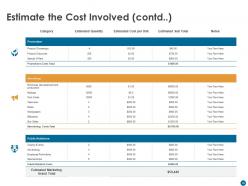
Slide 17: This slide discusses about Estimating the Cost Involved.
Slide 18: This slide is continued with Estimated the cost involved.
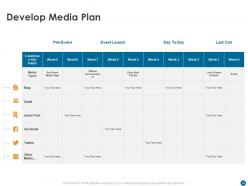
Slide 19: This slide provides information regarding developing media plan.
Slide 20: This slide discusses about Evaluating the Advertising Effectiveness
Slide 21: This is Advertisement Icons Slide.
Slide 22: This slide is titled as Additional Slides for moving forward.
Slide 23: This is About Us slide to showcase Company specifications.
Slide 24: This is Our Team slide with Names and Designation.
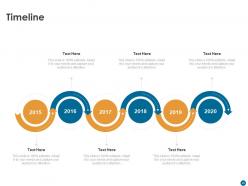
Slide 25: This slide shows Timeline process.
Slide 26: This is 30 60 90 Day Plan slide.
Slide 27: This slide displays Pie Chart for Comparison of products.
Slide 28: This slide displays Column Chart for product comparison.
Slide 29: This is Thank You slide with Contact details.
Advertisement powerpoint presentation slides with all 29 slides:
Use our Advertisement Powerpoint Presentation Slides to effectively help you save your valuable time. They are readymade to fit into any presentation structure.






FAQs for Advertisement
Honestly? Start with a killer headline - you've got maybe 3 seconds before people scroll past. Then make sure your visuals actually match what you're saying (shocking how many don't). Know who you're talking to. Like, really know them. Most ads bomb because they're trying to speak to everyone and end up being boring to everyone. One clear benefit, one emotion you want them to feel. Don't overcomplicate it. And your call-to-action needs to be super obvious - tell people exactly what to do next. Oh, and answer the "what's in it for me?" question right away or you'll lose them.
Honestly, video crushes everything else - the combo of visuals and sound just hooks people. Social media ads work great too since you can target super specifically and see results right away through likes and clicks. Print's still decent for older crowds and feels more trustworthy, but it's way harder to track engagement. Here's the thing though - don't put all your eggs in one basket. Mix it up based on what your audience actually responds to. I'd test a few different combos and see what gets you the results you're after. Each format has its sweet spot.
Look, people tune out sales pitches instantly, but they'll actually listen to a good story. It's wild how much more memorable ads become when you build them around characters and situations instead of just rattling off product features. Think about it - would you rather hear someone's grocery list or how their day went? Stories let viewers picture themselves actually using your stuff, which is honestly half the battle with purchasing decisions. Plus people share story content way more than boring feature lists. Next campaign, try starting with a relatable person who has the exact problem your product fixes.
Dude, there are some solid psychology tricks that actually work. Show testimonials or user reviews first - people love following the crowd. Then hit them with scarcity like "only 2 left" because it creates that panic buying feeling. Free samples work too since people hate feeling like they owe you nothing. Oh, and always display the "before" price crossed out next to your sale price - makes the deal look way better than it is. Authority stuff helps as well, like expert quotes or certifications. I see this crap everywhere now that I know what to look for! Just pick one or two for your next ad and see what happens.
Honestly, just pick metrics that actually matter for what you're trying to do. Brand awareness? Track reach and impressions. Want sales? Focus on click-through rates and return on ad spend. I see so many people get obsessed with likes and shares when their real goal is making money - such a waste of time. Quality engagement beats quantity every time. Also, don't expect instant conversions since most people need to see your stuff multiple times before buying. Start with maybe 3-4 key metrics that tie directly to your goals, then add others if you need them later.
Dude, cultural stuff will totally make or break your ads. Red screams "lucky!" in China but "danger!" here - crazy right? What cracks people up in one place might seriously offend somewhere else. You've gotta think about everything differently: colors, symbols, even how much skin you show. Family dynamics aren't universal either. Religious beliefs? Super important. I learned this the hard way watching brands mess up simple gestures that mean something completely inappropriate elsewhere. Honestly, just hire local consultants before you launch anything - they'll save you from looking like an idiot.
Dude, social media completely flipped advertising on its head. You can't just blast the same generic message anymore - now you're targeting people based on what they actually care about. People expect to interact with ads too, which is honestly kind of weird when you think about it? They want to comment and share stuff. One-way advertising feels super dated now. The biggest change is you've got to think more like a content creator. Try interactive formats and actually talk back to people when they engage. It's way more work but that's just how it works now.
Colors totally change how people react to your ads. Red screams urgency - perfect for sales. Blue makes people trust you more, green feels healthy or eco-friendly. Yellow's tricky though... grabs attention but can look cheap if you go overboard. McDonald's somehow makes it work with their red combo. Oh, and different cultures see colors differently, so know your audience. You'll want colors that match your brand vibe and the feeling you're after. Honestly, just A/B test different schemes and watch your conversion rates - they'll shift more than you'd expect!
Think of your brand values as your creative roadmap - they control everything from colors and fonts to your whole vibe. Going for eco-friendly? You'll want earthy tones and clean designs, not some crazy neon mess. Whatever your personality is (playful, classy, edgy), it needs to show up consistently across all your ads. Honestly, I see so many brands that just throw random visuals together without any thought. List out your main values first, then look at your current ads with fresh eyes. Do they actually match what you're trying to say? Every visual choice should back up your brand story.
Just tell people what your product actually does - no crazy exaggerated claims you can't prove. Put all the important stuff upfront (fees, side effects, whatever) instead of burying it in microscopic text. People aren't stupid, they'll spot fake promises from a mile away. Your photos should look like the real thing too, not some heavily filtered fantasy version. Oh, and if you're marketing to kids or anyone vulnerable, don't be sketchy about it. Honestly? Just imagine you're the customer seeing your own ad. Would you feel tricked? If yes, fix it.
Honestly, data analytics is a total game-changer for ads. You can dig into customer behavior, buying patterns, demographics - all that stuff - to figure out exactly who to target instead of just throwing money at random people. It's wild how precise you can get. Real-time tracking means you'll know what's working and can tweak things immediately. I'd start by looking at your best customers first - find those patterns and build from there. Way better than the old "spray and pray" approach that burns through budget for nothing.
Oh man, programmatic AI buying is absolutely everywhere right now. Connected TV ads are blowing up too. Third-party cookies are basically dead so everyone's scrambling for privacy-first targeting instead. Voice search optimization matters way more since we're all yelling at Alexa constantly lol. Real-time bidding got crazy smart - like the creative optimization actually learns from your data now instead of just guessing. Honestly the whole attribution game shifted toward first-party data collection. You gotta build those direct customer relationships rather than depending on sketchy external tracking. It's wild how fast everything's changing.
Honestly, ads work best when they tap into stuff people already feel connected about. Nike's "Just Do It" was genius because suddenly everyone felt like an athlete, even if they couldn't run a mile. That's the sweet spot right there. Figure out what your customers actually have in common - and I don't mean just "they buy my stuff." Maybe it's shared struggles or dreams. Then create campaigns around those moments. User-generated content works great too. Real stories beat polished marketing every time. People want to feel part of something bigger than a transaction, you know?
Don't assume you know what different groups want - that's how you end up with bland messaging nobody cares about. Skip the tokenistic stuff where you just change faces but keep the same boring copy. Cultural holidays? Yeah, that's where brands usually mess up big time. Create separate versions for different audiences instead of one generic ad. And honestly, test everything with real people first - saves you from looking like an idiot later. Way better than guessing what'll work.
Okay so basically people trust other people way more than they trust brands, you know? That's why influencers and testimonials work so well - it's like getting a recommendation from a friend. When you see someone you follow actually using a product, it doesn't feel like an ad. But here's the thing - people can smell fake testimonials from a mile away. Pick the wrong influencer and it'll totally backfire on you. The whole thing only works if it feels genuine and matches what your brand is actually about.
-
Use of different colors is good. It's simple and attractive.
-
Innovative and Colorful designs.
-
The Designed Graphic are very professional and classic.