

Advertising media selection powerpoint presentation slides





Try Before you Buy Download Free Sample Product
 Impress Your
Audience
 100%
Editable
 Save Hours
of Time


Create an effective promotional campaign for your company using these Advertising Media Selection PowerPoint Presentation Slides PPT. Take the assistance of the advertising management PowerPoint templates to show the major media types like earned, paid, shared, and owned media. Take advantage of the product promotion PPT slides to depict information pertaining to promotional methods like influencer management, social media, publicity, co-branding, etc. Utilize the amazing marketing mix PPT visuals to portray the categories of media mix like media activity, promotions, price, economic conditions, and competitor activity. Unveil the best media channels including website, online advertising, direct mail marketing, conferences, mobile advertising, content development, etc. Showcase distinct marketing platforms such as print media, digital marketing, relationship management, brand management, website, guarantee marketing, etc. using the media mix PPT infographics. Download our amazing advertising management PowerPoint layouts to promote your products and earn exponential growth. These Advertising Media Selection Powerpoint Presentation Slides have been designed and selected by some of the best talent available today. Make their design experience a part of your next presentation.
People who downloaded this PowerPoint presentation also viewed the following :
Content of this Powerpoint Presentation
Slide 1: This slide introduces the Advertising Media Selection. Add your Company Name to begin.
Slide 2: This slide depicts THE Agenda.
Slide 3: This slide depicts Four Different Types of Media such as- PAID MEDIA, EARNED MEDIA, SHARED MEDIA, OWNED MEDIA.
Slide 4: This slide depicts the Media Mix Categories like- Media Activity, Promotions, Price, Economic Conditions, Competitor Activity.
Slide 5: This slide depicts the Most Effective Media Channels.
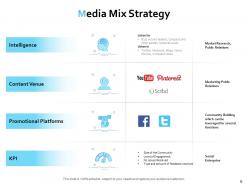
Slide 6: This slide depicts the Media Mix Strategy.
Slide 7: This slide depicts the Different Media Platforms for Marketing- PRINT, WEBSITE, GUARANTEE, STRATEGIC, PLANNING, TRADITINAL, ADVERTISING, RELATIONSHIP MANAGEMENT, BRAND MANAGEMENT.
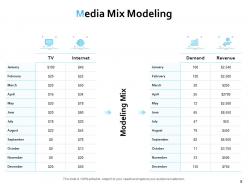
Slide 8: This slide depicts the Media Mix Modeling.
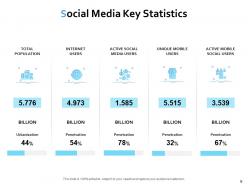
Slide 9: This slide depicts the Social Media Key Statistics.
Slide 10: This Template contains the Advertising Media Selection Icons Slide.
Slide 11: This slide is titled as Additional Slides for moving forward.
Slide 12: This slide depicts About Us.
Slide 13: This slide reveals the names and designation of Our Team members.
Slide 14: This slide reveals Our Mission.
Slide 15: This slide reveals the Post it Notes.
Slide 16: This slide reveals the Mind Map.
Slide 17: This is a Thank You slide consisting of Address, Contact numbers and email Address.
Advertising media selection powerpoint presentation slides with all 17 slides:
Thousands of carefully developed Advertising Media Selection Powerpoint Presentation Slides are available. Take advantage of the chance to make your next project perfect.








FAQs for Advertising media selection
Honestly, just figure out where your people actually hang out online and what they're into. Your budget's gonna dictate a lot here - some platforms are stupid expensive. Are you trying to get your name out there or actually sell stuff right now? That changes everything. Demographics matter obviously, but timing's huge too - like when are they even paying attention? I'd probably start with maybe 2 or 3 channels where you know they're already active. No point spreading yourself thin across every platform, you know?
Look, different channels hit people in totally different ways. TV still builds that broad credibility thing, while social media gets you those personal connections - you know, actual conversations back and forth. Print somehow feels more "premium" even though everyone's going digital. Search and display ads are perfect for targeting specific people, but honestly it gets overwhelming trying to manage everything sometimes. Oh, and radio's solid for local stuff. Here's the thing though - younger people want that interactive experience through apps and social, but older folks still respond way better to traditional TV and print. Don't just advertise where it's cheap - go where your actual customers are hanging out.
So media reach is just how many people in your target audience actually see your message. Pretty straightforward concept, but it matters because you can't influence anyone who never sees your ad in the first place. Here's the thing though - you'll always be juggling reach against frequency and budget. Going broader usually costs more or means each person sees your ad fewer times. I'd start by figuring out your core audience size first, then work backwards to see what reach percentage gives you the best bang for your buck. Don't spread yourself too thin chasing irrelevant eyeballs.
Here's what I'd do - track cost per acquisition for each channel and compare it to your customer lifetime value. Create unique tracking codes or landing pages so you can see what's actually converting (not just getting clicks, which honestly means nothing). Digital stuff is easier with UTM parameters and attribution models. For traditional media, try surveys or promo codes - bit of a pain but it works. Total spend divided by qualified leads gives you the real numbers. Oh, and run tests between channels when you can. Just make sure you measure over a full buying cycle or the data will be garbage.
Digital-first is basically everything now. Connected TV is exploding while cable just keeps bleeding viewers - honestly feels inevitable at this point. First-party data collection has become critical since cookies are dying (what a headache that's been). Even premium ad spots are going programmatic, which is wild if you think about it. Attribution across touchpoints is huge too. My advice? Spread your budget around but focus on channels where you can actually measure real results, not just impressions and clicks. Those vanity metrics won't save your job.
Honestly, demographics are everything when it comes to ad placement. You've gotta figure out where your people actually hang out. Gen Z isn't listening to regular radio - they're glued to TikTok and Spotify. Meanwhile, my parents still read the newspaper every morning and watch regular TV. Income matters too because premium placements cost way more. I learned this the hard way on a campaign last year. Map out your customer data first, see what media they consume, then spread your budget around accordingly. Short sentences work. Longer ones need to flow naturally without sounding robotic.
Honestly, digital's where it's at for targeting and tracking - you can see exactly who clicked what and tweak stuff instantly. Plus it's way cheaper per impression. But don't sleep on traditional media! TV and radio still dominate for getting your name out there and looking legit. I mean, there's just something about a TV commercial that screams "we've made it," you know? The tricky part with digital is there are SO many platforms to choose from. Gets overwhelming fast. Traditional's expensive as hell though and good luck measuring ROI. My advice? Mix both depending on who you're trying to reach.
Honestly, just work backwards from what you're trying to do. Building brand awareness? Go broad with TV or digital display ads. Need leads? Search ads and LinkedIn are your friends. I see so many people pick channels because they're "hot" right now instead of thinking about what actually makes sense for their goals. Also figure out where your audience actually spends time - like, really spends time, not where you think they should be. Your media should guide people from first hearing about you to buying, which sounds simple but trust me, it's not always obvious when you're in the weeds.
Look, people don't just buy stuff after seeing one ad - that's marketing fantasy. You need like 3-7 exposures before they even pay attention, honestly. Cars are the worst for this... I swear I see the same Toyota commercial fifty times before it registers. The trick is balancing how many people you reach vs. how often they see your message. Show it too little? Gets forgotten. Too much and you're just burning money on people who are sick of your face. Product complexity matters too - someone buying gum needs way fewer touchpoints than someone dropping 50k on a car. Find that sweet spot where your audience sees it enough to actually remember and trust you.
Ugh, tech changes are literally forcing us to rethink media strategy constantly. New platforms pop up everywhere - connected TV, podcast ads, all this stuff that wasn't around five years ago. Social algorithms keep getting more complex too. Your audience is scattered across like ten different places now, so you can't just rely on traditional channels anymore. I'd say test small budgets on whatever's new before everyone else catches on. Sometimes I miss when things were simpler, but staying flexible is really the only way to survive this chaos.
Track stuff that actually moves the needle for your business, not just vanity metrics like impressions. Attribution is where things get messy but you've gotta set it up properly to see which channels are really driving conversions. Try turning campaigns on/off to test true lift - sounds basic but most people skip this step. Last-click attribution is honestly trash and misses so much of the story. Give your campaigns time to optimize too, especially awareness stuff. Oh and set up your measurement framework before launching, not after when you're panicking about what's working.
So basically every platform has crazy good targeting options now. Facebook, Instagram, LinkedIn - you can get super specific with demographics, interests, behaviors, all that stuff. Plus you can upload your email list to find similar people. Honestly it's kinda creepy how precise it gets - like you could probably target left-handed dog owners who buy stuff online lol. First figure out who your ideal customer actually is. Then test different ad formats because what works on one platform totally bombs on another. A/B testing is your friend here. The targeting tools are honestly better than most people realize.
Okay so basically, don't put your ads where they'll piss people off or seem weird. Like if you're selling kids' toys, maybe avoid placing them next to super controversial stuff? Also watch out for sketchy data collection - some platforms are pretty gross about privacy. Oh and definitely don't target vulnerable people inappropriately (gambling ads to addicts, etc). Brand alignment matters too. Honestly, I always use the "would my mom be cool with this" test - sounds dumb but it works. If the placement would make you cringe explaining it to her, probably skip it. That gut check saves you from most ethical disasters.
Dude, you gotta figure out who you're talking to first, then pick where to find them. Gen Z lives on TikTok and Instagram - they're not touching newspapers. B2B people? They're scrolling LinkedIn during lunch breaks. Once you segment your audience, you can actually put your money where it matters instead of just throwing ads everywhere and praying. Plus you can tweak your content for each platform's vibe. I learned this the hard way after burning through budget on Facebook ads targeting everyone and their grandma. Way smarter to be strategic about it.
Dude, programmatic advertising is massive right now - algorithms literally buy your ad spots in real-time based on how people behave online. Interactive stuff is everywhere too. AR filters, shoppable videos, those dynamic podcast ads that somehow know exactly what you bought last week (kinda creepy but whatever). Connected TV and streaming audio are where the money's at since nobody watches regular TV anymore. Oh, and everything's getting super personalized. My take? Pick like two new things to test instead of going crazy trying to learn it all. The whole landscape shifts every few months anyway, so don't stress about being perfect.
No Reviews