

Advertising Plan Communication Model Powerpoint Ppt Template Bundles




Try Before you Buy Download Free Sample Product
 Impress Your
 Audience
 100%
100% Editable
 Save Hours
 of Time


Our Advertising Plan Communication Model Powerpoint Ppt Template Bundles are topically designed to provide an attractive backdrop to any subject. Use them to look like a presentation pro.
People who downloaded this PowerPoint presentation also viewed the following :
Advertising Plan Communication Model Powerpoint Ppt Template Bundles with all 25 slides:
Use our Advertising Plan Communication Model Powerpoint Ppt Template Bundles to effectively help you save your valuable time. They are readymade to fit into any presentation structure.
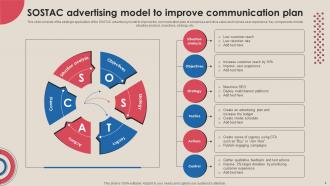
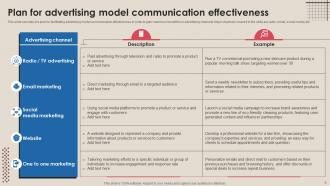
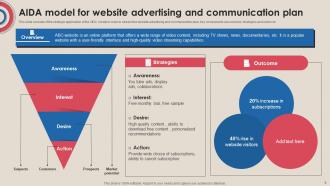
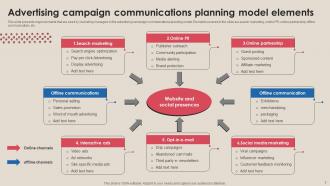





FAQs for Advertising Plan Communication Model Powerpoint
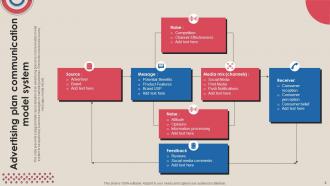
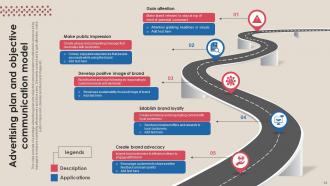
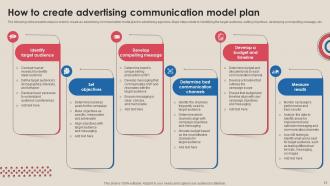
So you've got your brand as the sender, then there's the actual ad content - that's your message. Medium is where you put it (Instagram, billboards, whatever). Your target audience is the receiver, obviously. Feedback shows if people actually care or not. Context is huge though - like posting Christmas ads in July is just weird timing. Noise is anything that screws up your message getting through clearly. Honestly, most people skip the feedback part but that's how you know if you wasted your budget or not. Just map out each piece first before you start spending.
So basically you're splitting your audience into groups instead of sending the same boring message to everyone. Like, you wouldn't text your mom the same way you text your friends, right? Same deal here. Break people up by age, interests, whatever makes sense for your business. Then write stuff that actually speaks to what each group cares about. Way more people will pay attention when it feels like you're talking directly to them. Honestly, most companies are terrible at this - they just blast generic content everywhere. Start small though, maybe 2-3 groups and see what works better.
Honestly, feedback is like your gut-check moment - shows you if people actually "got" what you were trying to say. I pull it from focus groups, surveys, social media drama, sales numbers, whatever. Sure, sometimes it hurts to hear, but that's when you know it's probably worth listening to! Then you can tweak your messaging or switch up your approach entirely. The trick is setting up these feedback moments throughout your whole campaign instead of just crossing your fingers and hoping for the best at the end.
Start with your core message and just adapt it for each platform - don't completely reinvent the wheel every time. Same tone, same key visuals, same value prop. I can't tell you how many brands I've seen totally bomb because their Instagram feels like it's from a different company than their emails. Super confusing for customers. Share your logos, colors, taglines across everything, but obviously tweak the format since TikTok isn't LinkedIn, you know? Oh and make your channel teams actually talk to each other regularly. Sounds basic but you'd be surprised how often that doesn't happen.
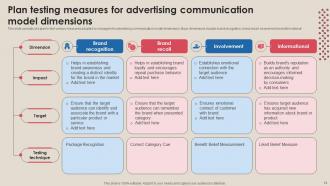
Track your reach and engagement first - that tells you if people are actually seeing your stuff. Brand awareness matters too, but honestly most ads just blur together anyway so don't stress if recall isn't perfect right away. Check your click-through rates and cost per acquisition. Those conversion numbers are what really count. Maybe throw in some surveys or social listening if you've got time. Pick like 3-4 metrics max that match your goals. Trust me, trying to measure everything will just drive you crazy and you won't focus on what actually moves the needle.
So basically, you wanna build your whole communication around one solid brand story. Think of your customer's journey like a plot - they've got problems, you help solve them. Much better than just throwing features at people, trust me. Each touchpoint becomes like a chapter in that story. Map out what your brand's main conflict is, then show how you resolve it. Keep the core narrative the same everywhere but tweak how you tell it for different platforms. Your messaging should flow like story beats instead of boring bullet points. Way more memorable that way.
Dude, cultural differences will make or break your messaging - seriously. What works amazing in one place can totally bomb somewhere else. Take colors for example - red screams "danger" to Americans but means good luck in China. Wild, right? You've gotta adapt everything: visuals, tone, your whole value prop. The deeper stuff matters too though. Some cultures are all about the individual while others focus on the group. That changes how people read your message completely. Direct communication works in Germany but might offend in Japan. Test with local groups first - trust me on this one.
So first grab something like Miro for mapping out your customer touchpoints - super helpful to see everything visually. HubSpot's probably your best bet for tracking interactions, though Marketo works too if you've got the budget. Google Analytics is obvious but don't forget social listening tools. Hootsuite Insights is decent for figuring out what actually clicks with people. Oh, and A/B testing platforms are huge for dialing in your messaging - can't stress that enough. My advice? Pick one solid platform first instead of going crazy trying to set up everything at once.
So basically track your engagement rates and click-throughs to see what's actually hitting with people. I'd focus on maybe 3-4 metrics that match your goals - checking weekly works well. Honestly, once you get into the data it's kind of addictive lol. Look at your best-performing posts and figure out the themes, then use those insights for your bigger ad strategy. Demographics tell you a lot too. Don't forget sentiment analysis - it shows how people actually feel about your messaging. Oh, and pay attention to when your audience is most active online.
Honestly, the biggest mistake is overcomplicating everything. Don't try to map every single touchpoint - it just makes people's eyes glaze over. Most teams assume customers follow some perfect linear path, but that's not how real life works at all. Word-of-mouth gets ignored constantly even though it's probably driving half your conversions (I see this everywhere). Also, different channels behave totally differently, so don't force them into the same framework. Test your assumptions with actual data instead of guessing. Your model should make decisions easier, not turn every meeting into analysis paralysis.
Honestly? Monthly is way better than quarterly these days. Markets shift too fast to wait three months between check-ins. I do quick reviews monthly, then go deeper every quarter. Watch your conversion rates and engagement like crazy though - if numbers start tanking, don't wait for your next scheduled review. Just dive in and tweak your messaging or targeting immediately. The whole point is staying on top of how your audience behaves and what competitors are doing. Otherwise you're basically burning cash on assumptions that probably aren't even true anymore.
Just be straight with people from day one about what you're doing. Skip the marketing speak - nobody has time for that. When something's sponsored, say so. Honestly? People actually respect brands more when they admit their product isn't perfect for everyone. Make your data stuff easy to understand and give folks a simple way out if they want it. Oh, and answer complaints fast - nothing looks worse than radio silence. Here's the thing: being transparent isn't just about following rules, it'll actually set you apart from competitors who are still being sketchy about everything.
Your brand positioning is like the foundation for everything else you'll do with ads. It tells you who to target, what to say to them, and where to find them. Honestly, I've seen so many campaigns fall flat because people skip this step. When you know your position, every creative decision becomes way easier - does this fit or not? Simple filter. The tone, the messaging, even which platforms to use... it all flows from that positioning. Get that nailed down first (and actually write it down somewhere) or you'll end up with ads that are all over the place.
Honestly, emotional appeals work so well because people buy with their feelings first, then find logical reasons afterward. Your brain just works that way - emotions skip right past all the rational stuff and hit you instantly. Like, Nike isn't really selling sneakers, they're selling that feeling of being unstoppable. Fear, nostalgia, that sense of belonging - those feelings stick way better than any product feature ever will. The trick is figuring out which emotions actually match what your audience cares about deep down.
Honestly, work backwards from what you're actually trying to accomplish. Brand awareness? Focus on getting your name out there and being memorable. Want conversions? Hit them with clear calls-to-action and show why your product rocks. Everything needs to connect - your tone, where you're posting, when you post it. I've seen way too many gorgeous campaigns that did absolutely nothing for sales (learned that one the hard way). Map out how each part ties back to your main goals. Then test stuff constantly because what sounds good in your head doesn't always work in reality.
-
It is my first time working with them and that too on a friend's recommendation. I would say, I am not expecting such a worldly service at this low price.
-
This design is not only aesthetically pleasing but it has many uses making the cost worthwhile. The graphics look stunning, and you can edit them as per your needs.