

Estágio de pós-venda no processo de vendas Ppt




Try Before you Buy Download Free Sample Product
 Impress Your
Audience
 100%
Editable
 Save Hours
of Time


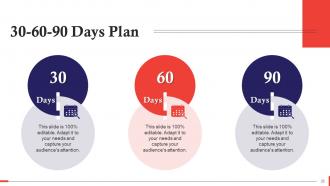
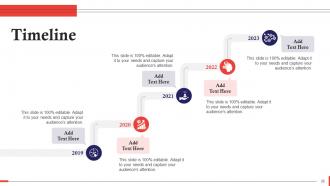
Este módulo de treinamento sobre o estágio de pós-venda no processo de vendas aborda em profundidade o conceito das vantagens de um acompanhamento pós-venda constrói confiança, evita problemas, cria boa vontade, vende mais, melhora o negativo Experiências, insights sobre ofertas, dicas para um acompanhamento pós-venda eficaz e métricas que todo vendedor deve acompanhar. Ele também inclui as principais conclusões e perguntas para discussão relacionadas ao tópico para tornar a sessão de treinamento mais interativa. O deck tem slides de PPT sobre nós, visão, missão, meta, plano de 30-60-90 dias, cronograma, roteiro, certificado de conclusão de treinamento e atividades do Energizer. Inclui também uma Proposta de Cliente e Formulário de Avaliação para avaliação da formação.
People who downloaded this PowerPoint presentation also viewed the following :
Conteúdo desta apresentação em Powerpoint
Slide 3
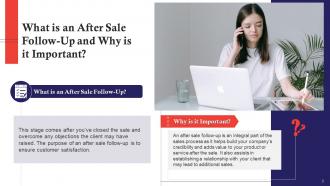
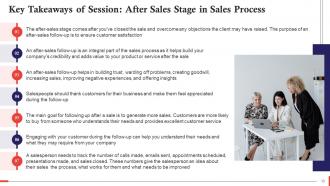
Este slide apresenta o conceito de acompanhamento pós-venda e destaca sua importância. Essa etapa ocorre depois que você fecha a venda e supera quaisquer objeções que o cliente possa ter levantado. O objetivo de um acompanhamento pós-venda é garantir a satisfação do cliente.
Slide 4
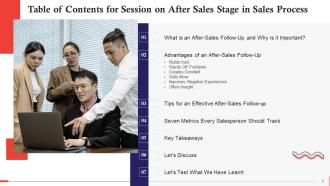
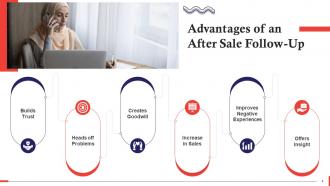
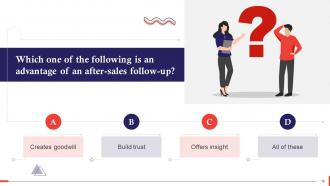
Este slide destaca as vantagens de um acompanhamento pós-venda. Ajuda a construir confiança, evitar problemas, criar boa vontade, aumentar as vendas, melhorar experiências negativas e oferecer insights.
Slide 5
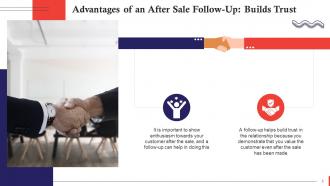
Este slide fala sobre a construção de confiança como uma vantagem de um acompanhamento pós-venda eficaz. É importante mostrar entusiasmo para com seu cliente após a venda, e um acompanhamento pode ajudar nisso. Um acompanhamento ajuda a construir confiança no relacionamento porque você demonstra que valoriza o cliente mesmo após a venda.
Slide 6
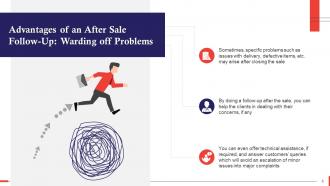
Este slide discute como evitar problemas como uma vantagem de um acompanhamento pós-venda eficaz. Às vezes, problemas pontuais como problemas na entrega, itens com defeito etc. podem surgir após o fechamento da venda. Você pode até oferecer assistência técnica, se necessário, e responder às perguntas dos clientes, o que evitará o agravamento de outros problemas que possam ocorrer no futuro.
Slide 7
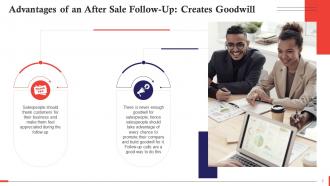
Este slide fala sobre a criação de boa vontade como uma vantagem de um acompanhamento pós-venda eficaz. Os vendedores devem agradecer aos clientes por seus negócios e fazer com que se sintam apreciados durante o acompanhamento.
Slide 8
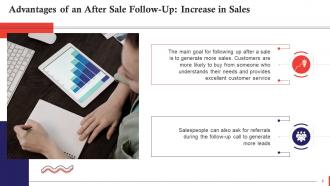
Este slide discute o aumento nas vendas como uma vantagem de um efetivo acompanhamento pós-venda. O principal objetivo do acompanhamento após uma venda é gerar mais vendas. É mais provável que os clientes comprem de alguém que entende suas necessidades e oferece um excelente atendimento ao cliente.
Slide 9
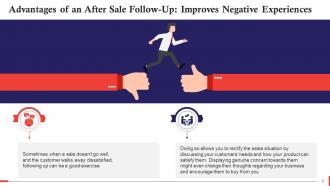
Este slide fala sobre como melhorar as experiências negativas como uma vantagem de um acompanhamento pós-venda eficaz. Às vezes, quando uma venda não vai bem e o cliente sai insatisfeito, o acompanhamento pode ser um bom exercício.
Slide 10
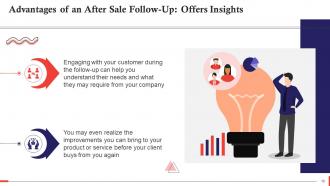
Este slide discute a oferta de insights como uma vantagem de um acompanhamento pós-venda eficaz. Envolver-se com seu cliente durante o acompanhamento pode ajudá-lo a entender suas necessidades e o que eles podem exigir de sua empresa.
Slide 11
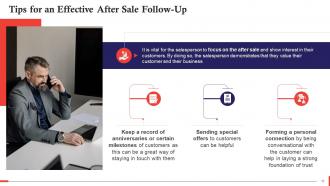
Este slide dá algumas dicas para um acompanhamento pós-venda eficaz. Os vendedores devem se concentrar no pós-venda, manter um registro dos aniversários dos clientes ou de determinados marcos, enviar ofertas especiais e estabelecer uma conexão pessoal com o cliente.
Slide 12
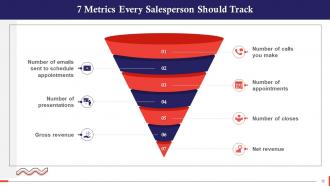
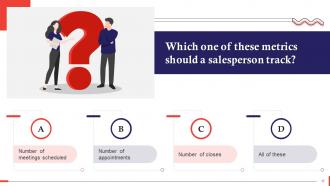
Este slide lista algumas métricas importantes que todo vendedor deve acompanhar. Os números não mentem; portanto, um vendedor precisa rastrear o número de chamadas feitas, e-mails enviados, compromissos agendados, apresentações feitas e vendas fechadas. Esses números dão ao vendedor uma ideia sobre seu processo de vendas, o que funciona para ele e o que precisa ser melhorado.
Slide 29 a 44
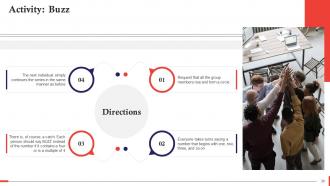
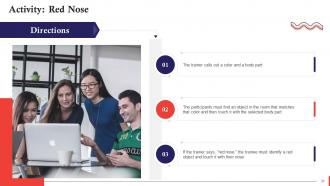
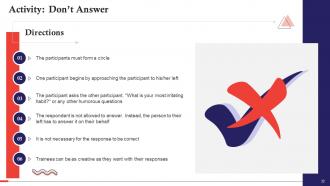
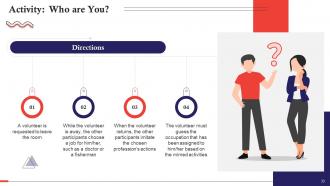
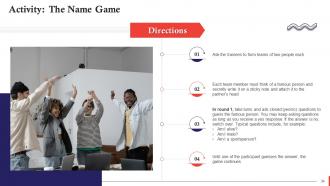
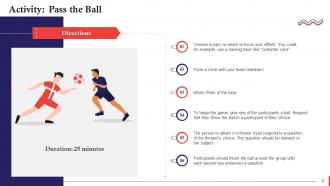
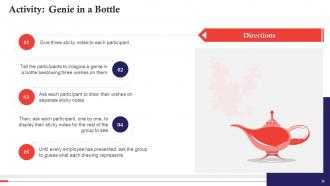
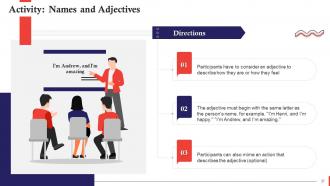
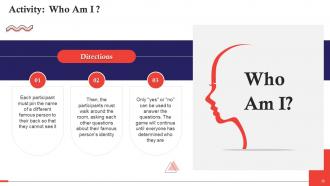
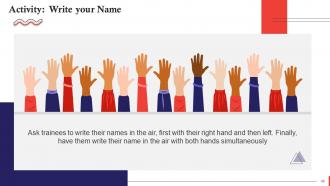
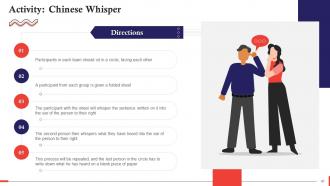
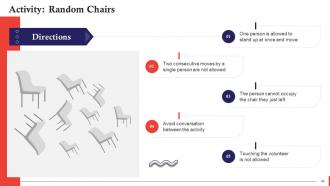
Esses slides contêm atividades energizadoras para envolver o público da sessão de treinamento.
Slide 45 a 72
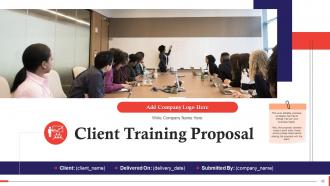
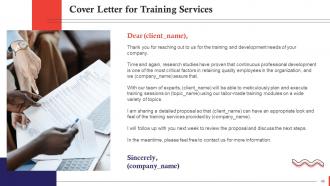
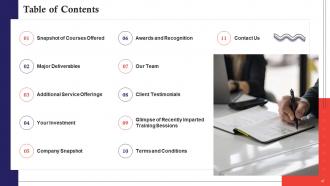
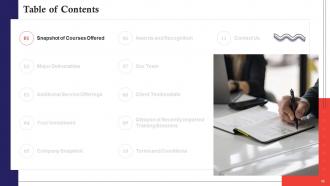
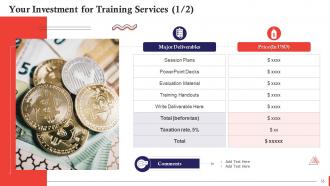
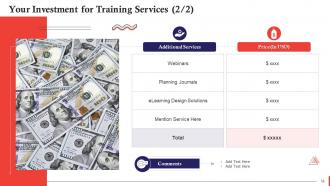
Esses slides contêm uma proposta de treinamento que abrange o que a empresa que oferece treinamento corporativo pode realizar para o cliente.
Diapositivo 73 a 75
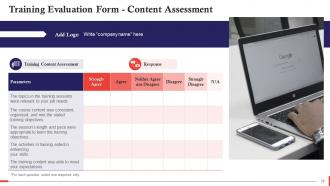
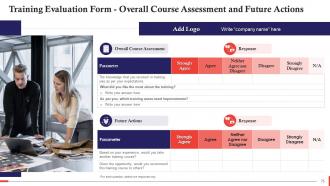
Esses slides incluem um formulário de avaliação de treinamento para instrutor, conteúdo e avaliação do curso.
Ppt de treinamento pós-venda no processo de vendas com todos os 80 slides:
Use nosso estágio pós-venda no estágio de treinamento do processo de vendas para ajudá-lo efetivamente a economizar seu valioso tempo. Eles estão prontos para caber em qualquer estrutura de apresentação.


















FAQs for After Sales Stage In Sales
Honestly, it's mostly about not abandoning people after they buy your stuff. Make sure your support actually works - phone, email, chat, whatever. Returns shouldn't be a nightmare either. If you're selling tech stuff, good technical support is non-negotiable. People will lose their minds otherwise. Follow-up emails help too - check in occasionally, share updates, ask what they think. Shows you're not just after their money, you know? I'd start by looking at where customers complain the most. That's usually your biggest problem area right there.
Honestly, start with those quick post-interaction surveys - just 1-5 stars or NPS stuff. Response times and resolution rates are obvious ones to track. But here's what I think matters most: customer effort score. Like, how hard did you make it for them to get help? Nobody has patience for complicated processes anymore. Oh, and watch your repeat contact rates - customers calling back multiple times about the same problem? That's your biggest warning sign right there. I'd set up automated feedback requests maybe 24 hours after you close tickets. Just don't make the survey long or people won't bother.
Dude, after-sales support is HUGE for keeping customers around. Handle someone's problem fast and they'll love you forever. Mess it up? They're posting angry reviews and never coming back. Getting new customers costs like 5x more than keeping current ones happy - learned that the hard way at my last job. Your support team needs proper training and you've gotta actually follow up with people. Don't just fix the issue and disappear. Most companies totally ignore this stuff then wonder why their retention sucks. Seriously, make it a priority or you're just bleeding money.
Honestly, online reviews have completely changed the game for customer service. Bad reviews spread crazy fast - like, one unhappy customer can seriously mess up your reputation. You've gotta be on top of monitoring review sites and social media constantly now. But here's the thing that's actually pretty cool about it: when you handle complaints publicly and do it well, other people see that and it builds way more trust than private emails ever did. I'd definitely start checking your main review platforms every day if you aren't already. Some companies even use those social listening tools to catch issues before they blow up.
There's actually a bunch of stuff you can do to make after-sales way smoother. Customer portals are great - people can track their orders and submit tickets without having to call. Chatbots work well for the basic questions, and honestly they're way better than they used to be. CRM systems are probably your best starting point though - keeps all the customer info in one spot so you're not scrambling every time. AI can predict issues before customers even complain, which is wild. Oh, and video support makes troubleshooting so much easier than trying to explain things over email.
Dude, personalized follow-ups are honestly a game-changer because people feel like you actually give a shit about them, not just their money. Reference what they bought specifically, ask how it's working out - that kind of stuff builds real loyalty. Most companies are lazy and just send the same boring survey to everyone. But here's what's cool: you'll catch problems early and spot chances to sell more naturally. I always start with their name, mention the exact product, then ask one real question about their experience. Works way better than generic BS.
So basically you want to hit three main things with your team. Product knowledge is huge - they need to really know your stuff inside and out so they can actually fix problems instead of just passing the buck. Communication training is next, and honestly most companies totally suck at this part. Teach them to really listen and show empathy. That's what turns angry customers into people who'll buy from you again. Then give them some real problem-solving frameworks and - this is key - actual authority to make decisions. Nobody wants to wait for three approvals to get a refund. Oh, and definitely do role-playing with real scenarios you've dealt with. Makes a big difference.
Look, warranties are basically your first impression for the whole customer relationship after they buy. Good, clear coverage makes people way more confident about purchasing - it's like that safety net feeling, you know? They trust you'll actually have their back if stuff breaks. But here's where companies mess up big time: promising amazing warranty coverage then making the actual claims process a nightmare. That's worse than no warranty at all, honestly. People hate feeling tricked. So whatever you put in writing, make sure your claims process actually delivers on it.
Honestly, it's mostly about being stretched too thin with not enough resources. After-sales always gets the short end of the budget stick compared to new customer stuff, which is pretty stupid if you ask me. Your service quality becomes all over the place because of this. Then you've got customers expecting instant responses everywhere - email, chat, phone, whatever. Complex product issues need people who actually know their stuff, but good luck finding them. Oh, and cases just drag on forever without decent tracking systems. Start with getting your processes nailed down first, then invest in some solid case management tools or you'll lose your mind.
Dude, your customer complaints are basically a goldmine for product improvements. Look at what people actually struggle with - which features confuse them, what breaks constantly, recurring support headaches. Warranty claims will show you design problems you didn't even know existed. I'd honestly start simple though - just grab your top 10 support tickets from last quarter and figure out which ones you could've prevented with better product design. It's kind of genius when you think about it - customers are literally telling you exactly what's wrong. Track repair patterns too, that stuff guides your engineering priorities way better than guessing.
Honestly, email surveys work best for most people - just wait like 3-5 days after they get their stuff. Phone calls are solid but good luck getting anyone to actually pick up anymore lol. SMS is nice for quick "rate us 1-5" type things. Oh and postcards seem old school but they actually stand out now since nobody sends them. If you want Google reviews, you'll probably need to offer some tiny incentive. Just don't ask too early before they've tried it or wait so long they forget you exist. Match whatever vibe your customers are already on.
Dude, following up fast is honestly what makes or breaks customer relationships. You've got maybe 24-48 hours to reach out after they buy something - any longer and they'll think you just took their money and ran. I've seen so many businesses blow this. Quick follow-ups show people you actually care about them, not just the sale. Plus you can fix small problems before they turn into nasty reviews. Space out your check-ins based on whatever makes sense for your product cycle, but definitely set reminders so you don't forget anyone.
Honestly, after-sales is where the real money is. Your customers already trust you, right? So when you're helping them with support stuff, just pay attention to what they're complaining about. Those complaints are gold - they're basically telling you what else they need to buy. You can suggest upgrades when their current thing isn't working well enough, or throw in complementary products that fix related headaches. The timing matters though. Don't be that pushy salesperson nobody likes. But yeah, definitely start keeping track of the most common issues people bring up. Way easier than chasing cold leads all day.
Honestly, leadership has to buy into this first or you're screwed from the start. Get everyone trained on customer service basics - yeah, even the back office people because trust me, they'll end up on calls somehow. When someone does something amazing for a customer, make a big deal about it in meetings. Give your team actual power to fix things instead of making customers wait for approvals. Oh, and this is key - tie bonuses to customer happiness scores, not just revenue. I've seen companies totally flip their culture this way. Makes all the difference.
Just let them vent first - don't cut them off even if they're being kinda dramatic. Acknowledge that yeah, this sucks for them. Then jump straight into fixing it instead of making excuses or defending the company (nobody wants to hear that anyway). Write everything down in your system so if they call again, the next person isn't clueless. Circle back in a day or two to check they're happy. Each complaint is basically a chance to flip an angry customer into someone who'll actually stick around. Oh, and start keeping track of what people complain about most - you'll catch bigger problems before they explode.
-
Great designs, Easily Editable.
-
The best part about SlideTeam is their meticulously prepared presentations (complete-decks and single-slides both), infused with high-quality graphics and easy to edit. All-in-all worthy products.