Audit Team Powerpoint Ppt Template Bundles

Rating:
80%
Audit Team Powerpoint Ppt Template Bundles
Slide 1 of 29

or

Favourites Favourites

Try Before you Buy Download Free Sample Product

Audience Impress Your
Audience
Editable 100%
Editable
Time Save Hours
of Time
The Biggest Sale is ending soon in
0
0
:
0
0
:
0
0
Rating:
80%
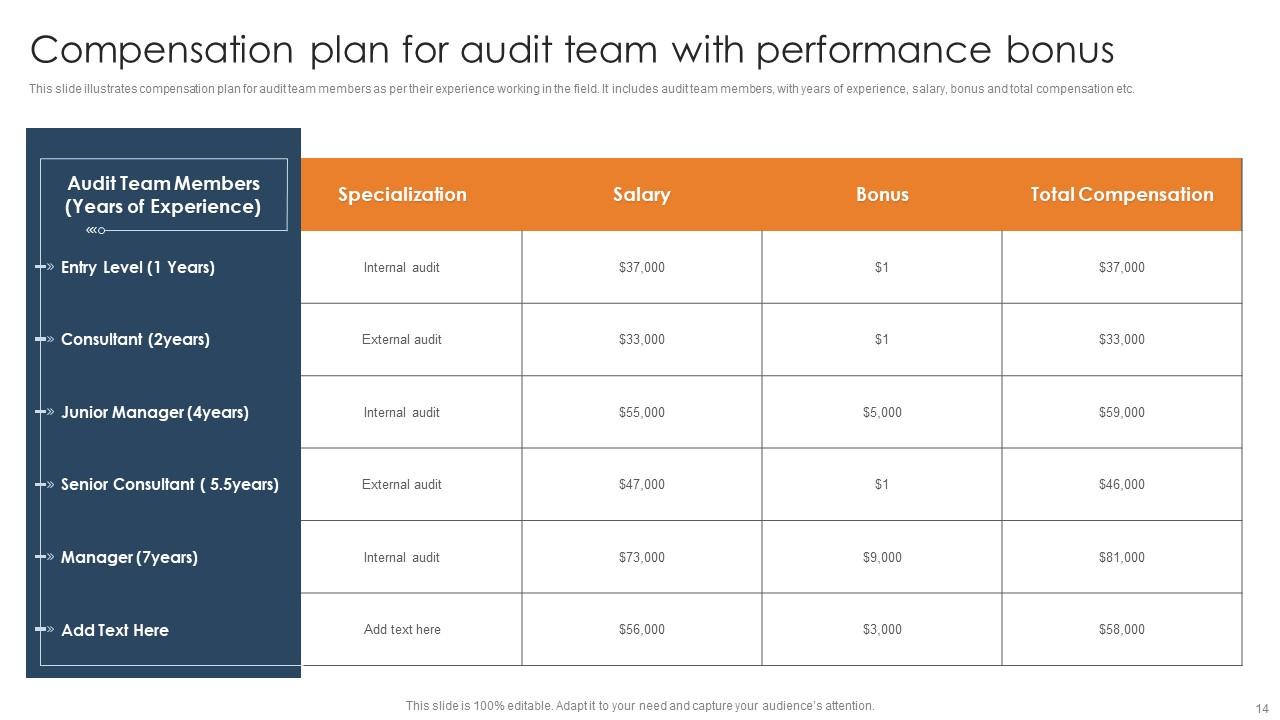
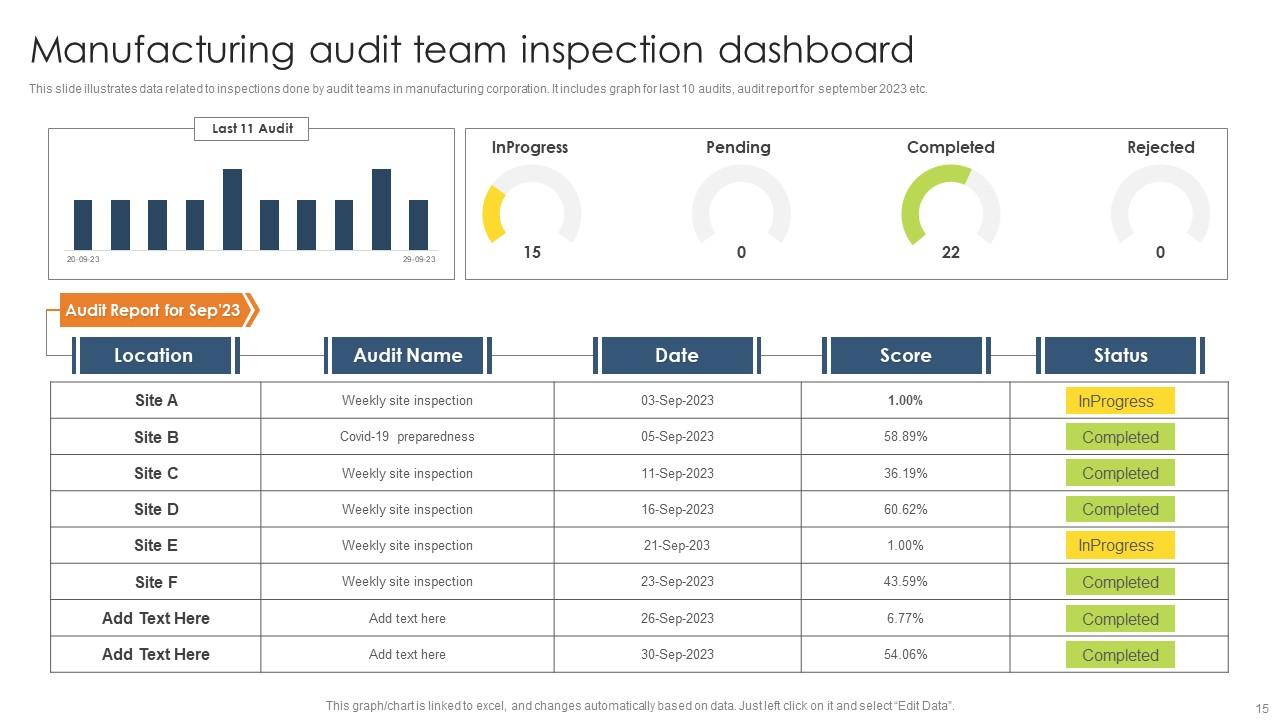
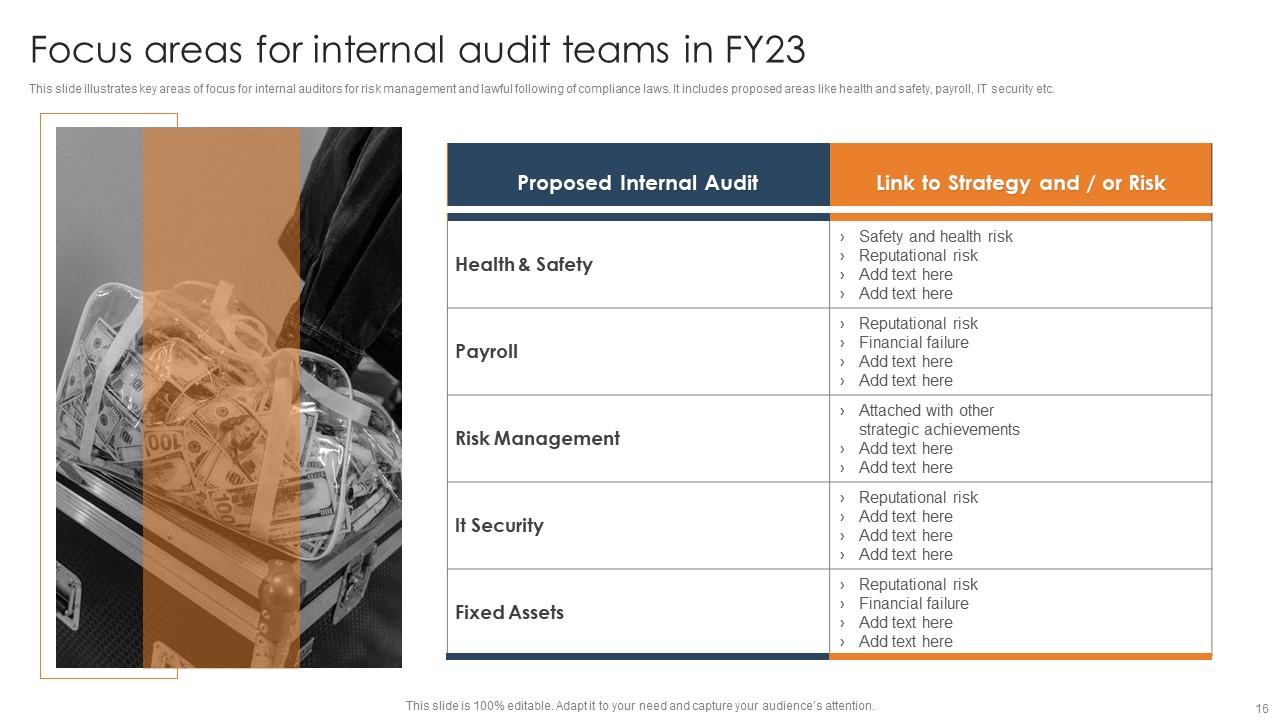
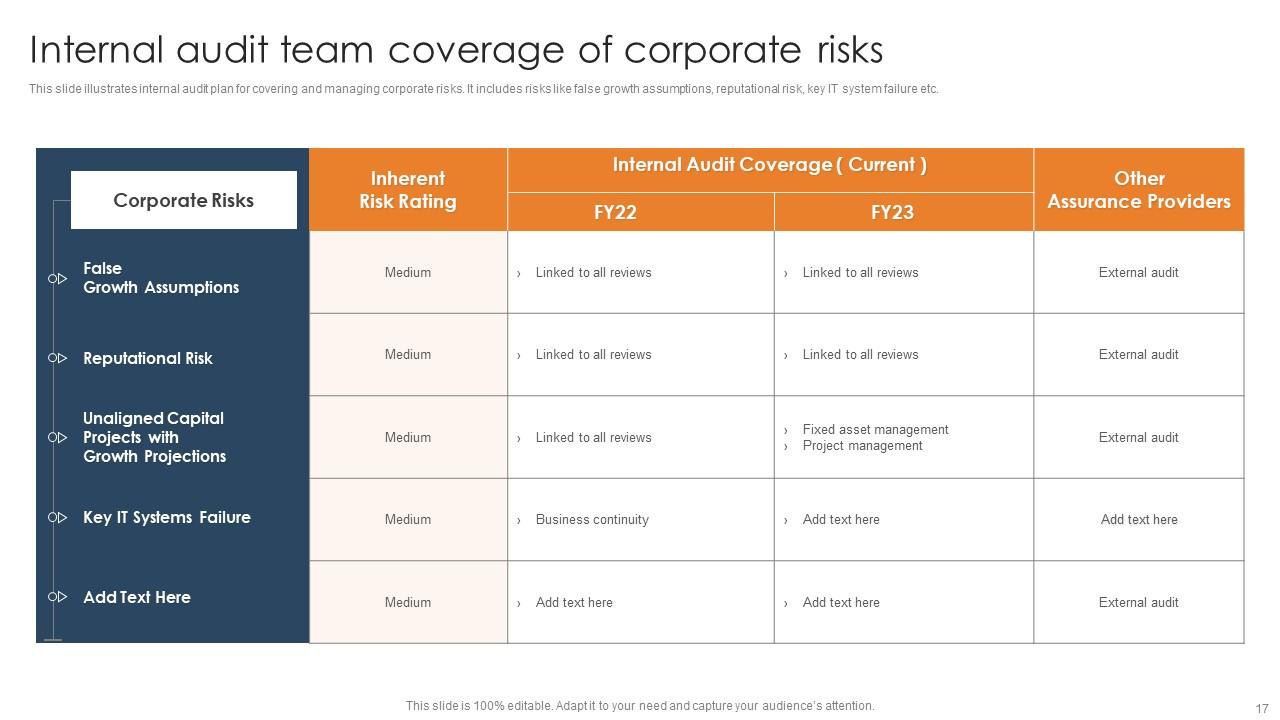
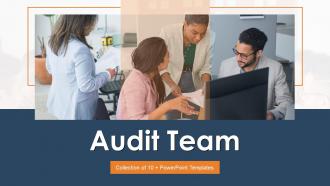
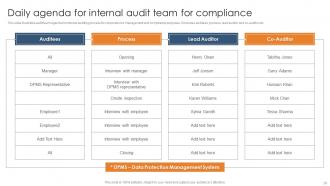
If you require a professional template with great design,then this Audit Team Powerpoint Ppt Template Bundles is an ideal fit for you. Deploy it to enthrall your audience and increase your presentation threshold with the right graphics,images,and structure. Portray your ideas and vision using twenty four slides included in this complete deck. This template is suitable for expert discussion meetings presenting your views on the topic. With a variety of slides having the same thematic representation,this template can be regarded as a complete package. It employs some of the best design practices,so everything is well-structured. Not only this,it responds to all your needs and requirements by quickly adapting itself to the changes you make. This PPT slideshow is available for immediate download in PNG,JPG,and PDF formats,further enhancing its usability. Grab it by clicking the download button.

FAQs for Audit Team Powerpoint

So there's basically three levels you'll deal with. The engagement partner sits at the top - they're the ones who sign off on everything and have final say. Managers and seniors are honestly your best friends because they handle the daily stuff, review your work, and deal with clients when things get messy. Staff auditors like you do all the actual fieldwork and testing. Oh, and sometimes there's random specialists for IT or tax things. Just heads up - everyone reviews the person below them, so your stuff will get picked apart no matter what. Figure out who's reviewing your sections early on so you know what they're looking for.

Look, your audit team setup basically makes or breaks the whole thing. Get a good mix - experienced people handling the tricky judgment calls, newer folks doing the detailed work. Clear reporting lines are crucial too (learned that one the hard way when stuff got missed because nobody owned it). Smart team composition matters way more than people think. Match your team's skills to whatever you're actually auditing. Different expertise backgrounds help you spot risks better and get more solid results. Oh, and don't forget a strong lead to keep everyone coordinated - that's honestly half the battle right there.

Honestly, you're gonna want people who can think like detectives - that's half the job right there. Accounting fundamentals are obvious, but don't sleep on communication skills since your team will be interviewing folks and presenting to executives. Look for natural skeptics who won't just accept whatever they're told, but also aren't total assholes about it. Attention to detail matters big time. I'd actually hire someone curious with decent problem-solving skills over someone with perfect credentials but no personality. Oh, and they need to understand internal controls - forgot that part initially.

Honestly, daily standups are a lifesaver - everyone knows what's happening and can catch problems before they blow up. Get your shared workpapers set up right away because emailing versions around is pure chaos (learned that the hard way). Your team lead needs to communicate scope changes immediately instead of letting people spin their wheels on old info. Oh, and make sure junior people feel comfortable asking questions without getting judged. I'd start every project with a quick team meeting to get everyone on the same page about how you'll work together. Clear roles from day one prevent most headaches later.
Deadlines are brutal, but honestly the worst part is clients who promise they have everything ready and then... don't. Communication mess-ups will kill you faster than anything else - assumptions are deadly. I always build extra time into schedules now because something always goes sideways. Day one, set up clear communication rules and pick someone whose only job is hunting down missing documents. Check-ins help you catch problems before they explode. Oh, and make templates for stuff you do repeatedly - why make your team figure out the same thing over and over?

So most teams do the standard CPE courses and subscribe to updates from AICPA or PCAOB. Conferences help too. But honestly, the internal knowledge sessions at your firm are where you'll actually learn the useful stuff - not just sit there zoning out. Weekly scanning of alerts works way better than cramming before audits start. Your firm probably has those technical databases that automatically push regulatory changes. Oh, and industry networks are clutch for hearing what's actually happening in the field. Just make it routine instead of stressing about it later.

For data stuff, ACL or IDEA are solid for crunching big datasets. Teams or Slack keep everyone connected - obvious but necessary. Cloud audit software like CaseWare is basically mandatory now for tracking everything. AI risk tools are actually pretty incredible for spotting weird patterns fast. Excel's still my go-to for quick number work tbh. Process mining tools like Celonis are worth learning if you're doing operational work. Oh, and don't try to master everything at once - pick two that match what you're auditing now, then add more later.

Honestly, you want people who think differently on your team. Mixed backgrounds mean someone's gonna catch what others miss - different industries, cultures, whatever. Groupthink is real and it'll bite you. My favorite team members are the ones who interrupt meetings like "hold up, why exactly do we always approach it this way?" Those questions save your ass. Complex organizations especially need that variety of perspectives during planning and fieldwork. Oh, and actually encourage people to speak up - some folks need that green light. Build complementary skills but more importantly, get people who aren't carbon copies of each other.

Start by mapping out your timeline and who's doing what - saves so much confusion later. Hit the high-risk stuff first since that's where you'll find the real problems. Daily check-ins are clutch for catching issues early. Templates and checklists are your best friend here, don't reinvent everything from scratch. Oh, and definitely pad your timeline because audits always take longer than you think they will. Break it into smaller deadlines instead of just one big scary end date. Keeps people moving and honestly makes it feel less overwhelming for everyone involved.

Ugh, surprise audits are the worst! But honestly? Just stay organized all the time instead of panicking later. I do monthly check-ins on my own stuff now - sounds nerdy but it works. Keep your paperwork sorted, make sure everyone knows what they're doing, and catch problems before auditors do. My old boss used to say "audit-ready is life-ready" which was cheesy but true. Don't treat it like this huge scary thing. Build good habits into your regular routine and you'll be fine when they show up unannounced.

Look, ethics isn't just some boring compliance thing - it's literally what makes your audit worth anything. Stay independent from clients and don't let conflicts of interest creep in. Stakeholders are counting on you to be objective, so you can't mess around with that trust. Handle confidential stuff properly and report what you actually find, even if it makes things awkward with the client (which honestly happens more than you'd think). Your team should talk about ethical scenarios regularly in meetings. Otherwise people start making questionable judgment calls when they're under pressure.

So you can basically automate most of your routine testing with data analytics - catches weird stuff way faster than doing it manually. I'd start with something easy like duplicate payments or sketchy journal entries, those always impress people quickly. Once you get it working, you're looking at entire populations instead of tiny samples. Way better coverage. Honestly the best part is spending less time on boring data entry and more time digging into actual anomalies. Automated exception reports and trend analysis are pretty clutch too. Oh and risk scoring - that one's huge for prioritizing what to look at first.

Keep it simple - write reports normal people can actually read, not audit speak that makes everyone's eyes glaze over. Get them out fast while everything's still relevant. I always structure mine with clear risk levels, real evidence, and specific steps they can take (not wishy-washy "consider improving" nonsense). Include what management said back and when they'll fix things. Track whether they actually do it later. Honestly, half the reports I see are so boring and jargon-heavy that nobody reads them. Yours won't matter if people can't understand what you're telling them to do.

Think of yourself as a friendly detective - you're not trying to be a jerk, but you can't be naive either. Independence means avoiding conflicts of interest and staying objective about their financials. Professional skepticism? That's where you question everything instead of just taking management's word for it. Document your questioning process and follow up on weird stuff without letting client relationships mess with your judgment. They actually work together pretty well - being independent gives you the freedom to be skeptical, and being skeptical protects your independence. Oh, and always ask "what could go wrong here?" with every procedure.

Look, your audit team needs continuous training or they'll fall behind fast. Regulations change constantly, and honestly? What worked five years ago is probably useless now. I'd budget at least 40 hours per person annually - mix classroom stuff with hands-on workshops since people learn differently. Fresh training helps them catch new risks and keeps their certifications current. Plus it builds confidence when they're dealing with messy, complex audits. You don't want someone missing a critical issue because they're stuck using old methodologies. It's worth the investment, trust me.

Ratings and Reviews

80% of 100
Review Form
Write a review
Most Relevant Reviews
  1. 80%

    by Cyril Gibson

    Good research work and creative work done on every template.
  2. 80%

    by Delmer Black

    One-stop solution for all presentation needs. Great products with easy customization. 

2 Item(s)

per page: