AV Rental Services Proposal Powerpoint Presentation Slides

Rating:
87%
AV Rental Services Proposal Powerpoint Presentation Slides
Slide 1 of 29
Favourites Favourites

Try Before you Buy Download Free Sample Product

Audience Impress Your
Audience
Editable 100%
Editable
Time Save Hours
of Time
The Biggest Sale is ending soon in
0
0
:
0
0
:
0
0
Rating:
87%
If your company needs to submit a AV Rental Services Proposal Powerpoint Presentation Slides look no further.Our researchers have analyzed thousands of proposals on this topic for effectiveness and conversion. Just download our template, add your company data and submit to your client for a positive response.
FAQs for AV Rental Services Proposal

Start with your gear list - specific models, how many of each, plus backups. Honestly, this part's make-or-break. Timeline's next: when you're setting up, tearing down, who does what. Your pricing needs to be super clear because nobody likes getting hit with random fees later. Oh, and don't skip the boring logistics stuff like delivery schedules and tech support hours. Cancellation policy too. Client references are solid if you've got them. Make your contact info easy to find and definitely offer to hop on a call to answer questions.

Dude, actually listen during that first meeting instead of just pitching your usual stuff. Ask about their goals, how many people, venue setup, budget - all that matters upfront. Most vendors just blast out the same generic quote (which is honestly why they keep losing). Customize everything around what they actually told you. Throw in specific equipment that fits their needs, backup plans for the important stuff, maybe a few pricing tiers so they can pick their level. Oh and if it's complicated? Do a site visit. Shows you're not just phoning it in.

So projectors, sound, and mics are your bread and butter - always lead with those three. Then lighting, especially if it's corporate stuff where they want everything looking super professional. Bundle things together instead of itemizing every little cable and adapter - way cleaner pricing that way. Match your priorities to what they're doing: presentations = visuals first, conferences = audio coverage, recorded events = decent lighting. Oh and honestly? Most clients think they need way more equipment than they actually do, but that just works in your favor. Lead with essentials, then upsell the extras.

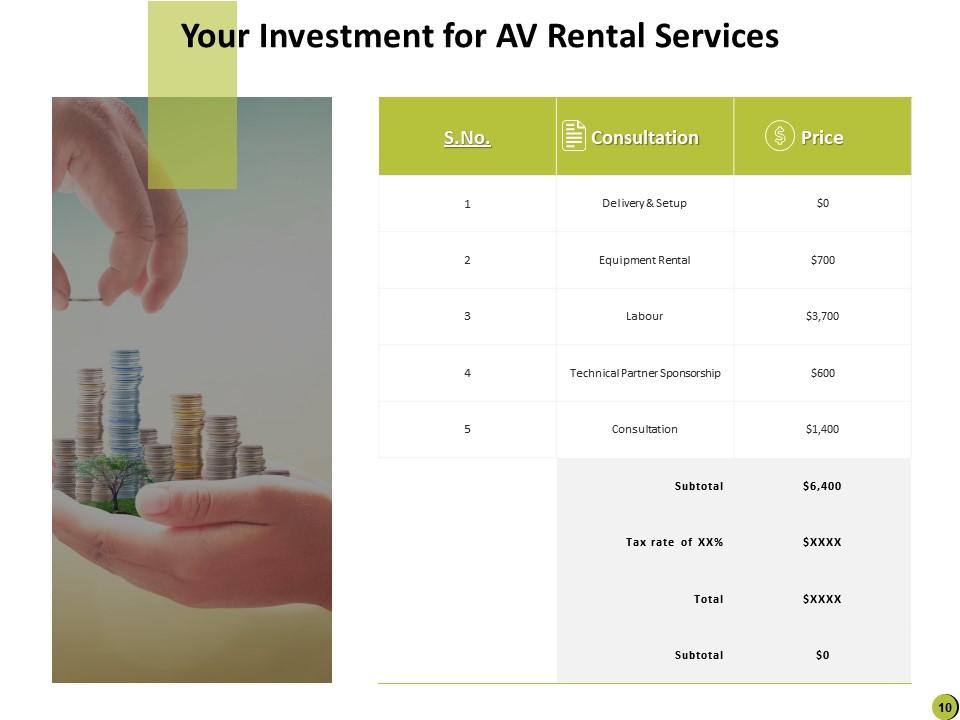
Look, transparency is everything here. Break down your pricing so they actually get it - equipment costs, labor, delivery, all separate. Don't just throw one big number at them because honestly? That's how proposals die. Give them options too - basic, standard, premium packages work great. People love having choices. Spell out what's included at each level and definitely highlight your perks like free setup or whatever makes you different. Oh, and make the "yes" decision super obvious by showing exactly what their money gets them. Sounds basic but you'd be surprised how many people skip this step.

Honestly, venue size is gonna dictate your whole setup and budget from day one. Bigger spaces mean more speakers, screens, lighting - the works. But layout matters just as much. A weird-shaped conference room needs totally different placement than a standard ballroom, you know? Cable runs get tricky fast, especially in older buildings with random pillars everywhere. Power requirements change too, and sometimes you'll need signal boosters or wireless gear. Get those venue specs early - dimensions, ceiling height, outlet locations. Trust me, that info shapes your entire equipment list and how many people you'll need.

Definitely add a risk section to your proposal - backup gear, on-site tech support, the whole nine yards. Trust me, stuff always breaks at the worst times. Set up different service tiers for rush jobs so clients know exactly what fast turnaround costs. Be upfront about what you can and can't do. The escalation procedures part is huge too - event planners lose sleep over this stuff, so showing you've got a plan for when things go sideways will set you apart. Oh, and make sure your response times are realistic!

Get super specific about arrival times and how long setup actually takes. Buffer time is crucial - tech stuff always goes sideways somehow. Ask about early venue access and if it costs extra (venues love surprise fees, ugh). Strike times after the event matter too. Who handles load-in? Do they need your team to help? Honestly, I've watched so many events go chaotic because nobody clarified this stuff upfront. Don't let them be vague about any of it. Get every single timeline detail written down so nobody can claim they "thought" something different later.

Look, testimonials and case studies are gold because they show you've actually done this stuff before, not just talking a big game. Say you're pitching a corporate conference - pull out examples from your last three corporate gigs where everything went smooth. Case studies are even better since you can break down the problem, what you did, and the actual results. Hard numbers hit way harder than generic "everyone loved it" - like "boosted engagement by 40%" sounds legit. Just make sure you get permission first (learned that one the hard way). Pick 2-3 examples that actually match what your client needs.

Dude, definitely push your LED equipment and local sourcing angle - cuts way down on transport emissions. Your recycling programs for old gear are gold too. Carbon offsets are huge with these clients, they absolutely love that stuff. Talk up how rental prevents unnecessary manufacturing vs buying new equipment. Digital streaming instead of physical media is another win. Oh, and offer power consumption reports for their events - shows you're not just talking the talk. The trick is proving you actually get their values while delivering real environmental benefits, not just trendy green marketing BS.

Ditch the "I'm experienced" fluff - everyone says that. Lead with actual numbers instead: years you've been doing this, how many events, big clients you've worked with. Then throw in a quick story about an event similar to theirs where you solved a real problem. Portfolio pics are clutch too, especially from venues like theirs. The word "expert" is basically dead at this point, honestly. What actually works is showing you get their specific headaches and you've dealt with the same stuff before. Oh, and always give them references they can actually call - not just testimonials on your website.

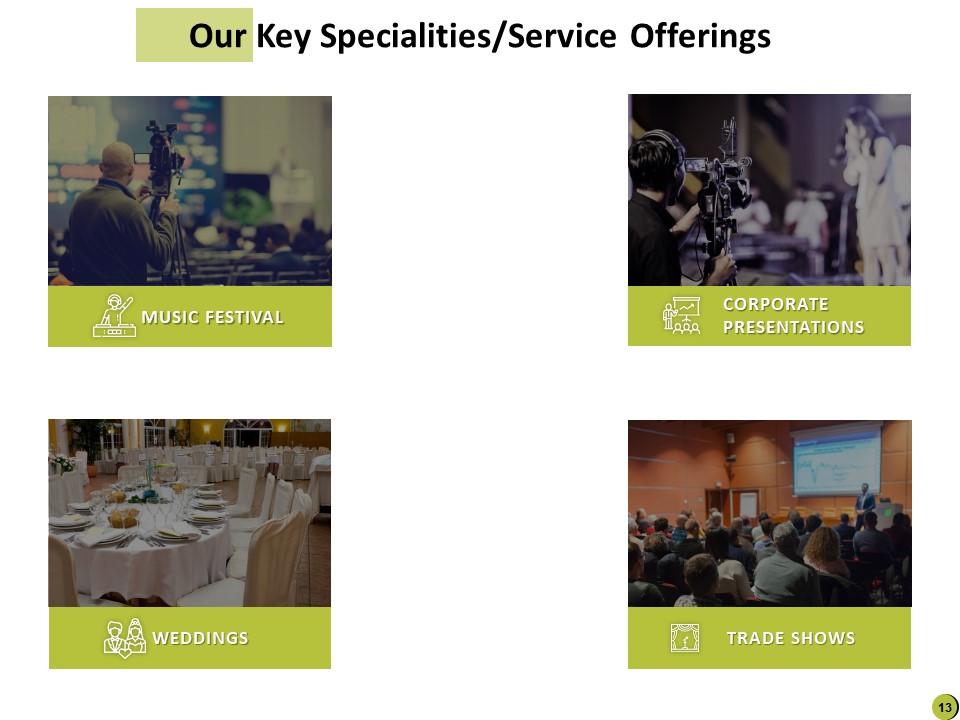
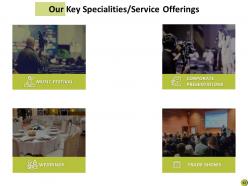
Honestly, I'd start by breaking things into clear event types - weddings, corporate stuff, conferences, outdoor events. Each one needs totally different gear and budgets anyway. Then for each category, do like 3 tiers: basic, mid-level, premium. But here's the thing - don't just throw equipment specs at people. Actually explain what the experience will be like for their guests. Nobody cares about your mixer model, they want to know if grandma can hear the vows from the back row. Keep add-ons like streaming separate so clients aren't drowning in options. Makes the whole decision way less overwhelming.

Dude, visuals are everything in AV proposals! Equipment photos, venue layouts, setup shots - whatever you've got. Nobody wants to read a novel when they're trying to figure out if you can handle their event. I always throw in pricing charts too since people love seeing numbers broken down visually. Each image should actually help explain something though, not just look pretty. Oh and timeline graphics are clutch for complex events. Honestly, I aim for at least one visual per page because it keeps people from zoning out. Makes such a difference compared to those text-heavy proposals that put everyone to sleep.

Dude, get those damage clauses and delivery timelines written down first - seriously. Equipment failure coverage is huge because projectors literally have a sixth sense for dying mid-presentation. Who handles setup? Payment terms? Weather cancellations? Put it all in writing. Oh, and define "normal wear" versus actual damage - that's where people get screwed. You'll want backup equipment protocols too. Honestly, venues can be sketchy about taking responsibility, so cover yourself there. Don't do generic legal stuff. Think through real disasters that could happen and write for those specific situations.

Hit them with a quick thanks email within 2-3 days, then figure out when they need to hear back. Weekly check-ins work best - daily feels desperate, trust me. Mix things up with calls, emails, maybe texts if they seem cool with it. Here's the thing: send them actual useful stuff like venue mockups or gear demos for their specific event. Shows you're thinking about their project, not just pestering them. Oh, and set phone reminders or you'll totally forget. The whole game is staying on their radar without being that annoying vendor who won't leave them alone.

Definitely go heavy on 4G/5G streaming and AI audience analytics - that stuff is hot right now. Interactive touchscreens are basically expected at this point. LED walls and wireless presentation gear too, obviously. Hybrid events are still a big deal since companies can't decide if they want fully in-person or not. VR and AR rentals are finally hitting mainstream, especially for trade shows. Oh, and honestly? Your tech support team is probably your biggest selling point. Most clients are terrified of the setup going wrong, so emphasizing that you handle all the complexity usually closes deals faster than the fancy equipment itself.

Ratings and Reviews

87% of 100
Review Form
Write a review
Most Relevant Reviews
  1. 80%

    by Connor Lopez

    Excellent work done on template design and graphics.
  2. 100%

    by Edmund Ortega

    Really like the color and design of the presentation.
  3. 80%

    by Dalton Aguilar

    Innovative and attractive designs.

3 Item(s)

per page: