

Behavior Modification Plan For Weight Loss PPT Template ST AI





Try Before you Buy Download Free Sample Product
 Impress Your
Audience
 100%
Editable
 Save Hours
of Time


Transform your weight loss journey with our Behavior Modification Plan PowerPoint Template. This professional deck offers engaging visuals and structured content to effectively communicate strategies for sustainable weight management. Ideal for health professionals and wellness coaches, it empowers clients to achieve lasting lifestyle changes.
People who downloaded this PowerPoint presentation also viewed the following :
Behavior Modification Plan For Weight Loss PPT Template ST AI with all 40 slides:
Use our Behavior Modification Plan For Weight Loss PPT Template ST AI to effectively help you save your valuable time. They are readymade to fit into any presentation structure.














FAQs for Behavior Modification Plan For Weight Loss PPT
Key principles include goal setting, self-monitoring, stimulus control, reinforcement strategies, and cognitive restructuring to address eating patterns and lifestyle habits. These approaches work by establishing realistic targets, tracking food intake and physical activity, modifying environmental triggers, and rewarding progress, with many healthcare programs and wellness organizations finding that structured behavior modification delivers sustainable weight management and long-term health improvements.
SMART goals enhance weight loss behavior modification plans by creating specific, measurable targets like "lose 2 pounds weekly through 30-minute daily walks," rather than vague aspirations. This structured approach enables individuals to track progress systematically, adjust strategies based on measurable outcomes, and maintain motivation through achievable milestones, ultimately delivering sustainable lifestyle changes and long-term weight management success.
Self-monitoring plays a crucial role in weight loss behavior modification by increasing awareness of eating patterns, physical activity levels, emotional triggers, and progress tracking through food diaries, fitness apps, and regular weigh-ins. This systematic approach enables individuals to identify problematic behaviors, make data-driven adjustments, and maintain accountability, with many finding that consistent self-monitoring significantly enhances long-term weight management success.
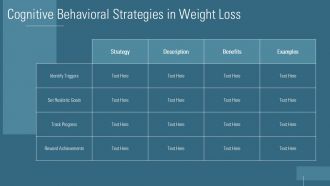
Cognitive-behavioral techniques integrate into weight loss programs by identifying food triggers, restructuring negative thought patterns, and establishing sustainable habit loops through self-monitoring and goal-setting strategies. These approaches enable individuals to address emotional eating, develop mindful consumption practices, and create accountability systems, with many healthcare providers and wellness programs finding that combining psychological frameworks with nutritional guidance delivers significantly improved long-term weight management outcomes.
Common behavioral triggers include emotional stress, environmental cues like food advertisements, social situations, boredom, and restrictive dieting patterns that lead to overeating cycles. These triggers can be addressed through mindful eating practices, stress management techniques, environmental modifications, and structured meal planning, with many individuals finding that identifying personal trigger patterns and developing alternative coping strategies ultimately delivers sustainable weight management and improved relationship with food.
Positive reinforcement in weight loss plans involves rewarding desired behaviors like regular exercise, healthy meal choices, portion control, and consistent tracking through non-food incentives such as new workout gear, spa treatments, or social recognition. This approach strengthens behavioral patterns by celebrating small victories and milestone achievements, with many individuals finding that immediate rewards for healthy choices create sustainable habits, ultimately delivering long-term weight management success and improved lifestyle adherence.
Strategies to overcome weight loss barriers include identifying specific triggers, setting realistic incremental goals, building supportive environments, tracking progress consistently, and developing alternative coping mechanisms for emotional eating. These approaches streamline behavior modification by addressing psychological obstacles, environmental challenges, and motivational fluctuations, with many individuals finding that structured support systems and gradual habit changes ultimately deliver sustainable results and long-term success.
Social support networks significantly enhance weight loss success by providing accountability, encouragement, and shared experiences that reinforce positive behavioral changes. Through family involvement, peer groups, and professional guidance, individuals maintain motivation during challenging periods, celebrate milestones together, and access practical strategies from others' experiences, ultimately delivering sustained lifestyle changes and improved long-term outcomes.
Emotional eating significantly undermines weight loss efforts by triggering overconsumption during stress, anxiety, or depression, often leading to consumption of high-calorie comfort foods that derail caloric deficits. Through mindfulness techniques, stress management strategies, and identifying emotional triggers, individuals can develop healthier coping mechanisms like exercise or journaling, ultimately enabling sustainable weight management and long-term behavioral change.
Habit formation creates sustainable weight loss by establishing consistent small behaviors like meal prepping, daily weigh-ins, and scheduled exercise sessions that become automatic through repetition and environmental cues. This approach enables individuals to build lasting lifestyle changes rather than relying on willpower, with many finding that stacking new habits onto existing routines, like walking after morning coffee, ultimately delivers long-term weight management success.
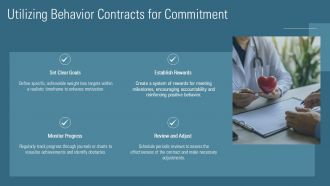
Effective reward systems include milestone celebrations, non-food treats, social recognition, progress tracking rewards, and experience-based incentives. These approaches enhance motivation by providing immediate gratification for healthy choices, creating positive reinforcement loops, and maintaining long-term engagement, with many individuals finding that diversified reward structures significantly improve adherence and ultimately deliver sustainable weight management outcomes.
Mindfulness practices assist weight loss by increasing awareness of hunger cues, emotional triggers, and eating patterns, helping individuals distinguish between physical hunger and stress-induced cravings. Through mindful eating techniques, people develop better portion control, slower consumption habits, and improved meal satisfaction, with many finding that this conscious approach reduces overeating and enhances long-term dietary adherence.
Environmental modification significantly influences food choices by altering physical surroundings, social cues, accessibility factors, and visual triggers that drive eating behaviors. These strategic changes streamline healthy decision-making by removing tempting options, enhancing nutritious food visibility, and creating supportive contexts, with many individuals finding that modified environments ultimately deliver sustained weight management and reduced reliance on willpower alone.
Technology enables weight loss behavior modification through fitness trackers, calorie counting apps, smart scales, meal planning platforms, and virtual coaching systems. These tools streamline progress monitoring, enhance accountability, and deliver personalized insights, with many users finding that real-time feedback and data-driven adjustments ultimately accelerate sustainable habit formation and long-term weight management success.
Common pitfalls in behavior modification for weight loss include setting unrealistic goals, attempting drastic changes simultaneously, lacking consistent tracking systems, and ignoring emotional triggers that drive eating behaviors. These challenges can be avoided by establishing incremental milestones, implementing one behavioral change at a time, and utilizing structured monitoring tools, with many healthcare professionals finding that combining cognitive strategies with environmental modifications ultimately delivers sustainable weight management and long-term lifestyle transformation.
-
Impressive templates. Designing a presentation is fun now!
-
Incredibly beautiful designs that will help you get noticed! These eye-catching templates are perfect for corporate presentations that can be altered to fit any occasion or taste.