

Bioacoustic Monitoring Wildlife Sound Detection Ppt Powerpoint ST AI





Try Before you Buy Download Free Sample Product
 Impress Your
Audience
 100%
Editable
 Save Hours
of Time


Discover the power of Bioacoustic Monitoring in our professional PowerPoint presentation deck. Explore innovative techniques for wildlife sound detection, data analysis, and conservation strategies. Perfect for researchers, ecologists, and environmentalists, this comprehensive resource enhances understanding of biodiversity and promotes effective wildlife management through sound.
People who downloaded this PowerPoint presentation also viewed the following :
Bioacoustic Monitoring Wildlife Sound Detection Ppt Powerpoint ST AI with all 42 slides:
Use our Bioacoustic Monitoring Wildlife Sound Detection Ppt Powerpoint ST AI to effectively help you save your valuable time. They are readymade to fit into any presentation structure.













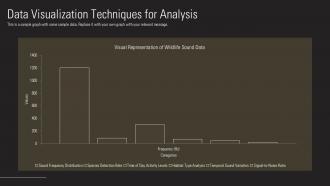



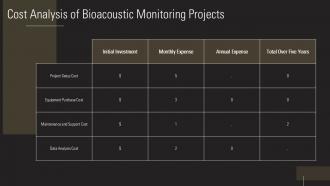


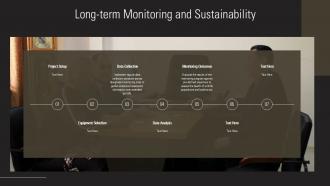











FAQs for Bioacoustic Monitoring Wildlife Sound Detection Ppt
**Core principles of bioacoustic monitoring include passive acoustic sampling, species-specific sound identification, temporal pattern analysis, spatial sound mapping, and behavioral context interpretation. These methodologies enable researchers to study wildlife communication, migration patterns, and habitat usage across diverse ecosystems like rainforests and marine environments, ultimately delivering non-invasive data collection and long-term behavioral insights.** [Word count: 54]
Bioacoustic monitoring contributes to conservation by enabling continuous species population tracking, identifying critical habitats, detecting breeding patterns, and monitoring ecosystem health without human disturbance. Through automated recording systems, conservationists can track endangered species like whales, birds, and amphibians across vast areas, ultimately delivering faster threat response and more effective protection strategies.
Advancements improving bioacoustic data accuracy include high-resolution digital microphones, AI-powered species identification algorithms, noise reduction software, automated sound classification systems, and cloud-based processing platforms. These technologies enhance monitoring by filtering environmental interference, identifying species calls with greater precision, and processing massive datasets continuously, with wildlife researchers and conservation organizations finding significantly improved tracking of biodiversity patterns and ecosystem health changes.
Bioacoustic monitoring can be effectively implemented in urban environments through strategic sensor placement, noise filtering algorithms, targeted species selection, and timing optimization during quieter periods. Urban applications include monitoring bird populations in parks, tracking bat activity near green corridors, and assessing biodiversity in residential areas, with many cities finding that these systems deliver valuable ecological data while supporting urban wildlife conservation and environmental planning initiatives.
Machine learning automates species identification, pattern recognition, and anomaly detection in vast bioacoustic datasets that would be impossible to analyze manually. These algorithms enable researchers to process thousands of hours of audio recordings, classify animal calls with high accuracy, and detect population changes in real-time, ultimately delivering faster ecological assessments and more comprehensive biodiversity monitoring capabilities.
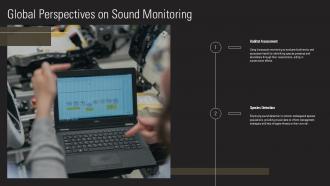
Bioacoustic monitoring assists ecosystem health assessment by tracking species diversity, population dynamics, behavioral patterns, and environmental stress indicators through automated sound analysis. Through acoustic sensors and AI recognition systems, researchers detect declining bird populations, measure biodiversity changes, and monitor habitat disruption across vast areas, ultimately delivering cost-effective conservation insights and enabling proactive ecosystem management strategies.
Ethical considerations include animal welfare impacts, data privacy protocols, indigenous rights recognition, habitat disturbance minimization, and research consent frameworks. These systems enhance conservation efforts by enabling non-invasive wildlife monitoring, supporting biodiversity protection, and facilitating ecosystem management, with many research institutions finding that transparent stakeholder engagement and community collaboration ultimately deliver sustainable conservation outcomes while respecting environmental stewardship principles.
Bioacoustic monitoring integrates with traditional ecological research by complementing field surveys, camera trapping, and habitat assessments with continuous sound recording and automated species identification. This combination enables researchers to detect nocturnal species, monitor breeding activities, and track population dynamics across extended timeframes, while traditional methods provide visual confirmation and behavioral context, ultimately delivering more comprehensive biodiversity assessments.
Bioacoustic monitoring has revealed significant findings including declining frog populations indicating ecosystem health changes, whale migration pattern shifts due to climate change, bat species discovery in biodiversity hotspots, and early detection of invasive bird species. These studies have enabled wildlife biologists to track population dynamics, assess habitat quality, and implement conservation strategies more effectively, with many research institutions finding that acoustic data provides continuous, non-invasive insights previously impossible through traditional survey methods.
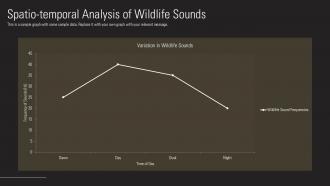
Seasonal variation significantly affects species vocalizations through breeding cycles, migration patterns, territorial behaviors, and environmental adaptations, with many animals producing distinct calls during mating seasons or territorial disputes. Bioacoustic monitoring reveals these temporal changes by tracking vocal intensity peaks, species presence patterns, and behavioral shifts, enabling wildlife researchers, conservation organizations, and environmental agencies to understand population dynamics, breeding success rates, and ecosystem health throughout annual cycles.
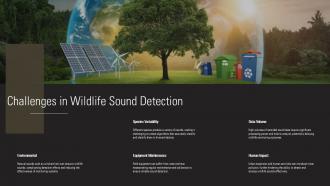
Researchers face challenges including background noise interference, species identification difficulties, data volume management, seasonal variation interpretation, and distinguishing between natural versus human-caused acoustic changes. These complexities require advanced analytical tools, extensive species databases, and interdisciplinary expertise, with many conservation organizations finding that combining bioacoustic data with traditional field methods delivers more accurate ecological assessments and wildlife monitoring outcomes.
Different habitats create distinct soundscapes through varying species compositions, vegetation density, water features, and acoustic properties, with forests producing complex layered sounds while wetlands generate water-based calls and open grasslands facilitate long-distance communication. These habitat-specific acoustic signatures enable researchers to assess ecosystem health, track biodiversity changes, and monitor conservation efforts more effectively, ultimately delivering enhanced environmental management strategies across diverse landscapes.
Citizen science significantly expands bioacoustic monitoring through crowdsourced data collection, mobile app-based sound recording, volunteer network coordination, and community-driven habitat surveillance across diverse geographic regions. This collaborative approach enables research institutions and conservation organizations to gather acoustic data from remote locations, seasonal migration patterns, and urban-rural interfaces, ultimately delivering broader species coverage and enhanced biodiversity insights while building environmental stewardship.
Best practices for deploying bioacoustic devices include strategic site selection based on target species habitats, weather-resistant housing with adequate power systems, synchronized timing protocols, and regular maintenance schedules. These deployment strategies enhance data quality by minimizing environmental interference, optimizing battery life, and ensuring consistent recording coverage, with wildlife researchers and conservation organizations finding that systematic placement ultimately delivers more comprehensive acoustic datasets and reliable long-term monitoring results.
Bioacoustic monitoring supports climate change efforts by tracking species population shifts, identifying ecosystem stress indicators, and documenting habitat changes through automated sound analysis. These systems enable researchers to monitor biodiversity impacts across vast areas, detect early warning signs of species displacement, and measure ecosystem recovery rates, ultimately delivering critical data for conservation strategies and climate adaptation planning.
-
Thank you SlideTeam for such an excellent service.
-
The service is fast, and I could access any presentation after buying the subscription. I don’t think I’ll ever have to worry about a presentation in my life.