


 0 Comment
 Customer Reviews

The email sits in drafts. Has been sitting there for two days.
It's not complicated—you need three departments to work together on something that matters to all of them but belongs to none of them. Marketing has half the context. Operations has the other half. Finance has the budget concerns nobody wants to hear yet.
Simple enough. Except someone has to write the first message. Someone has to suggest the meeting. Someone has to pretend they know how to coordinate people who don't usually coordinate.
There's this moment right before you hit send where you realize you're volunteering to herd cats. Professionally. With deadlines. The project needs all of them, but none of them need each other. Until now.
You can't just write "Hey, let's collaborate." That's how you get three separate interpretations of what collaboration means. You can't be too specific either—that's how you accidentally volunteer to own everything. The wrong tone makes you sound desperate. Too casual and nobody shows up.
Every collaborative project planning starts the same way: someone stares at a blank document, trying to figure out how to ask for cooperation without admitting they can't do it alone.
The templates exist because the ask is awkward. Because coordinating people across departments feels like diplomacy, but nobody taught you diplomacy. SlideTeam's stakeholder engagement strategies and collaboration tools handle the structure—who does what, when, why it matters to each group specifically. Built-in stakeholder communication plans turn guesswork into process.
They're built for that moment when you need to sound like you've done this before, even when you haven't. When effective stakeholder communication makes the difference between project success and endless email chains.
Here's what works when you can't afford to sound like you're winging it.
Template 1: Stakeholder Collaboration Plan PPT Designs
This SlideTeam PPT highlights stakeholder engagement strategies that work in practice. This slide delivers essential stakeholder mapping, SWOT analysis, collaboration dashboards, and Gantt charts. The aim is to fine-tune strategic planning and project management. Consultants, project managers, and strategic teams find this slide an asset for resource allocation meetings. The pre-designed framework structures your stakeholder analysis, effective stakeholder communication, and evaluation metrics. Download now for results-driven engagement planning.
[product_image id=1604272]
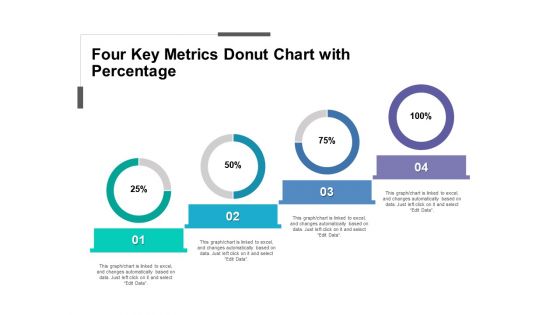
Template 2: Stakeholder Engagement and Collaboration Plans
This PowerPoint template for stakeholder management, a complete deck, delivers actionable identification. It is also a key resource for mapping tasks to teams and stakeholder communication plan frameworks. It is a favorite for project managers, consultants, and strategic teams. Use these customizable slides for client presentations, strategic planning, and performance reviews now with a download.
[product_image id=1699698]
Template 3: Enhancing Collaboration via Stakeholder Principles PPT Template
Project managers and strategy teams are already deploying this PPT for stakeholder engagement strategies. These pre-built SWOT analysis templates also include risk matrices and KPI dashboards. Users can customize these PowerPoint slides for planning sessions and executive reporting with effective stakeholder communication. Download this actionable PPT preset now.
[product_image id=1779763]
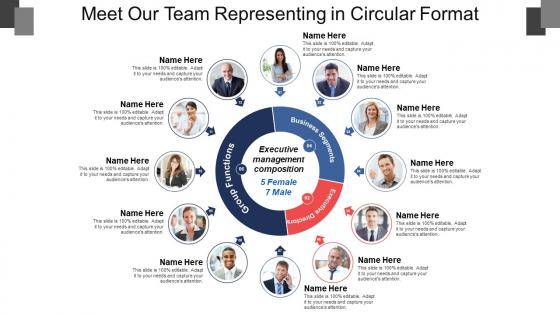
Template 4: Stakeholder Communication Plans for Better Collaboration and Results
This stakeholder communication plan PPT template is indispensable for project planning that actually works. The PowerPoint slide delivers actionable engagement matrices, feedback mechanisms, and crisis strategies. Project managers get customizable communication dashboards and measurement tools that streamline collaboration. This pre-designed works smoothly for teams who follow stakeholder engagement best practices to track effectiveness. Download now.
[product_image id=1684420]
Template 5: Collaborative Economics Engaging Stakeholders for Better Planning PPT
Strategic planning just got simpler. This pre-designed PPT template delivers actionable stakeholder engagement strategies. Risk management matrices and evaluation tools that project managers and consultants use also get a separate slide. With the complete deck, you get customizable collaboration tools and strategic Gantt charts for comprehensive economic planning with measurable outcomes. Download now.
[product_image id=1448056]
Stakeholder Collaboration is Long-Term Commitment
SlideTeam's PowerPoint templates are the best in the industry for creating comprehensive stakeholder collaboration plans. These content-ready slides provide structured frameworks that ensure effective stakeholder communication and alignment across all project participants. Our ready-made templates eliminate hours of design work while maintaining professional quality that impresses stakeholders. Deploy these PowerPoint slides to streamline your stakeholder involvement strategies and ensure project success.
FAQs on stakeholder collaboration plan
What key elements should be included in a stakeholder collaboration plan?
Identify all relevant stakeholders first through stakeholder analysis - customers, employees, suppliers, regulators, and community groups. Define clear roles and responsibilities for each party. Set up regular communication channels like monthly meetings or quarterly reports as part of your stakeholder communication plan. Establish shared goals and metrics that all parties can track. Create conflict resolution processes before issues arise using effective stakeholder engagement strategies.
How can organizations identify and prioritize stakeholders for collaboration?
Map all parties who impact or get impacted by your work through comprehensive stakeholder mapping. Rank them by two factors: their influence on your outcomes and how much your decisions affect them. Focus first on high-influence, high-impact groups like key customers, regulators, and major suppliers. Create a simple grid placing each stakeholder in high, medium, or low priority boxes. Start collaboration with your high-priority group before moving to others using stakeholder engagement best practices.
What role does communication play in successful stakeholder collaboration?
Communication acts as the foundation for stakeholder collaboration. It ensures all parties understand project goals, timelines, and their specific roles. Regular updates prevent misalignment and build trust between different groups. Effective stakeholder communication channels help resolve conflicts quickly and keep everyone informed of changes. Without proper communication, stakeholders work in isolation, leading to duplicated efforts and missed deadlines.
How can a stakeholder analysis be used to enhance collaboration efforts?
Identify key stakeholders first by mapping their influence and interest levels. Focus stakeholder engagement strategies on high-influence, high-interest groups who can drive project success. Use the analysis to determine each stakeholder's preferred communication methods and collaborative decision-making processes. Tailor your engagement approach accordingly - some need frequent updates, others want involvement in planning phases only.
What strategies can be employed to build trust among diverse stakeholder groups?
Establish regular face-to-face meetings with all groups present. Share decision-making power by rotating leadership roles among stakeholders through effective stakeholder communication. Create transparent communication channels where all parties access the same information simultaneously. Set up joint working committees that require collaboration to complete specific tasks as part of stakeholder involvement strategies. Document all agreements and progress publicly to maintain accountability across groups.
How can technology facilitate stakeholder collaboration in remote environments?
Use video conferencing platforms for regular face-to-face meetings. Set up shared digital workspaces where all parties can access documents and track project progress in real time. Deploy messaging apps for quick updates between formal meetings. Create online voting systems for group decisions. These collaboration tools replace in-person interactions and keep everyone informed without location barriers, ensuring effective stakeholder communication.
What metrics can be used to evaluate the success of stakeholder collaboration initiatives?
Track meeting attendance rates and participation levels across stakeholder groups using effective stakeholder engagement strategies. Measure decision-making speed by comparing project timelines before and after collaborative decision-making efforts. Monitor conflict resolution time - how quickly disputes get resolved through the collaboration process. Survey stakeholders quarterly on satisfaction with communication quality and information sharing through stakeholder feedback mechanisms. Count the number of joint initiatives or projects launched between different stakeholder groups.
How can organizations manage conflicts of interest among stakeholders?
Organizations must first map all stakeholder interests to identify where conflicts exist through effective stakeholder management processes. Create separate discussion forums for conflicting parties before bringing them together. Establish clear decision-making rules that prioritize shared goals over individual gains using collaborative decision-making approaches. Use neutral facilitators to guide conversations toward compromise solutions that address core concerns of each group, following stakeholder engagement best practices.
What are some common challenges faced during stakeholder collaboration, and how can they be overcome?
Communication gaps create the biggest problem. Set up regular meetings and use collaboration tools for updates. Different priorities among stakeholders cause conflicts. Define common goals early and document them using effective stakeholder communication. Limited resources slow progress. Create clear budgets and assign specific roles to each party. Trust issues block cooperation. Start with small joint projects and implement stakeholder engagement strategies to build confidence before tackling major initiatives.
How can cultural differences impact stakeholder collaboration, and what strategies can mitigate these effects?
Cultural differences create communication gaps and misaligned expectations between stakeholders. Implement effective stakeholder communication protocols using simple language and visual aids. Schedule regular check-ins to address conflicts early. Assign cultural liaisons from each stakeholder group to bridge understanding gaps and facilitate smoother interactions across diverse teams through strategic stakeholder involvement strategies.
What are the best practices for documenting and sharing collaboration outcomes with stakeholders?
Document outcomes in simple formats as part of your stakeholder communication plan - meeting notes, progress reports, and visual dashboards. Share updates through existing channels like email or team platforms rather than creating new systems. Schedule regular check-ins to present results face-to-face and gather feedback following stakeholder engagement best practices. Keep records accessible in one central location where all parties can view current status and past decisions to ensure effective stakeholder communication.
How can a stakeholder collaboration plan be adapted to suit different project scales and industries?
Start with core stakeholder groups relevant to your project size through effective stakeholder analysis. Small projects need fewer formal touchpoints - use direct communication and simple feedback loops. Large projects require structured governance, clear roles, and regular reporting cycles with robust collaboration frameworks. Manufacturing focuses on suppliers and regulators. Tech projects emphasize users and developers. Service industries prioritize customers and partners. Match communication frequency to project timeline and stakeholder influence level using appropriate stakeholder engagement strategies.
What role does leadership play in fostering a collaborative stakeholder environment?
Leaders set clear expectations for stakeholder involvement from the start. They identify key participants and assign specific roles to each group. Regular check-ins are scheduled to track progress and address conflicts quickly. Leaders also create open communication channels where stakeholders can share concerns directly through effective stakeholder communication. Most importantly, they model collaborative behavior by listening actively and making decisions transparently through collaborative decision-making. This approach keeps all parties engaged as part of their stakeholder engagement strategies.
How can feedback mechanisms improve the stakeholder collaboration process?
Stakeholder feedback mechanisms create direct communication channels between project teams and stakeholders. Set up regular check-ins through surveys, meetings, or digital platforms to collect input on decisions and progress through effective stakeholder communication. Use this input to adjust plans and address concerns before they become problems through collaborative decision-making. Track feedback patterns to identify recurring issues and fix root causes across multiple projects.
What approaches can be taken to ensure inclusivity in stakeholder collaboration?
Start by mapping all affected groups, not just obvious ones. Include community members, employees, and end users early in planning through effective stakeholder engagement strategies. Use multiple communication channels - face-to-face meetings, digital platforms, and local languages when needed. Schedule sessions at different times to accommodate various schedules. Create feedback loops where stakeholders can respond and see how input shapes decisions through collaborative decision-making.
How often should a stakeholder collaboration plan be reviewed and updated?
Review your stakeholder communication plan every quarter. Update it immediately when project scope changes or new stakeholders join. Check monthly if you're in a fast-moving project with shifting requirements. Set calendar reminders to avoid missing reviews. Document what changes and why to track patterns over time.