


Brand Messaging Powerpoint Ppt Template Bundles





Try Before you Buy Download Free Sample Product
 Impress Your
 Audience
 100%
100% Editable
 Save Hours
 of Time


Our Brand Messaging Powerpoint Ppt Template Bundles are topically designed to provide an attractive backdrop to any subject. Use them to look like a presentation pro.
People who downloaded this PowerPoint presentation also viewed the following :
Brand Messaging Powerpoint Ppt Template Bundles with all 21 slides:
Use our Brand Messaging Powerpoint Ppt Template Bundles to effectively help you save your valuable time. They are readymade to fit into any presentation structure.







FAQs for Brand Messaging Powerpoint
Effective brand messaging includes a clear value proposition, consistent brand voice, targeted audience understanding, emotional connection points, and differentiation from competitors. These elements work together by establishing authentic communication, building customer trust, and creating memorable brand experiences, with many organizations finding that strategic messaging ultimately drives customer loyalty and competitive advantage in increasingly crowded markets.
Brand messaging resonates with different audiences by adapting tone, language, channels, and value propositions to match specific demographic preferences, pain points, and communication styles. Financial services companies might emphasize security and trust for older customers while highlighting convenience and innovation for younger segments, ultimately delivering personalized experiences that strengthen customer connections and drive engagement.
Storytelling transforms brand messaging by creating emotional connections, making complex concepts relatable, building memorable narratives, and differentiating companies from competitors through authentic experiences. Through compelling stories, brands across retail, healthcare, and financial services enhance customer engagement, build trust, and drive loyalty, with many organizations finding that narrative-driven messaging delivers significantly higher conversion rates and stronger brand recall.
Visuals in presentations complement brand messaging by reinforcing core values, maintaining consistent visual identity, and creating emotional connections that resonate with audiences. Through strategic use of branded colors, typography, and imagery, organizations streamline communication while enhancing memorability and professional credibility, with many companies finding that cohesive visual storytelling ultimately delivers stronger brand recognition and stakeholder engagement.
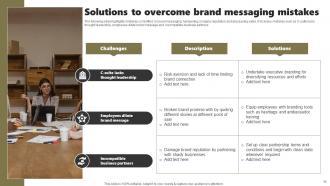
Common brand messaging mistakes include inconsistent tone across channels, overly complex language, failing to differentiate from competitors, neglecting audience research, and creating generic messages without emotional connection. These missteps often result in confused customers, weakened brand recognition, and lost market opportunities, with many organizations finding that unclear messaging significantly undermines their competitive positioning and customer engagement efforts.
Businesses can measure brand messaging effectiveness through brand awareness surveys, social media engagement metrics, website analytics, customer feedback analysis, and conversion rate tracking. These measurement approaches enable companies to assess message resonance across different audiences, optimize communication strategies, and ultimately improve customer acquisition and retention rates while strengthening competitive positioning.
Brand messaging significantly influences consumer loyalty by creating emotional connections, establishing trust, and differentiating companies from competitors through consistent value communication. When brands deliver clear, authentic messages that resonate with customer values, they build stronger relationships and repeat purchases, with many retail and service organizations finding that strategic messaging ultimately reduces customer acquisition costs while increasing lifetime value.
Brand messaging should evolve through continuous market research, customer feedback analysis, competitive landscape monitoring, and emerging trend identification. Organizations across retail, technology, and financial services increasingly adapt their messaging by testing new value propositions, refining audience segmentation, and aligning communications with shifting consumer priorities, ultimately maintaining relevance while preserving core brand identity and competitive positioning.
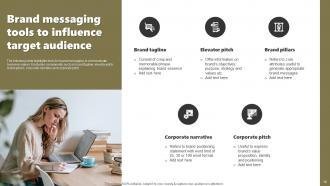
Techniques include developing comprehensive brand guidelines, creating message templates, establishing approval workflows, conducting regular audits, and training team members on brand standards. These approaches streamline communication by ensuring unified tone, visual identity, and key messaging, with many organizations finding that centralized brand management and cross-platform content calendars ultimately deliver stronger brand recognition and customer trust.
Emotional appeal enhances brand messaging by creating deeper connections with audiences, fostering brand loyalty, and driving purchase decisions through relatable storytelling and values alignment. Companies like Nike and Coca-Cola leverage emotional narratives to transcend product features, ultimately building stronger customer relationships and competitive differentiation in increasingly crowded markets.
Successful brand messaging campaigns include Nike's "Just Do It" inspiring action, Apple's "Think Different" celebrating innovation, Coca-Cola's "Share a Coke" personalizing experiences, and Dove's "Real Beauty" challenging standards. These campaigns streamline emotional connection by addressing universal aspirations, creating memorable identities, and building authentic relationships, ultimately delivering increased brand loyalty, market differentiation, and sustained competitive advantage across diverse consumer segments.
Cultural context fundamentally shapes brand messaging strategies by influencing communication styles, values, visual preferences, and consumer expectations across different markets. Brands must adapt their messaging to resonate with local customs, language nuances, and cultural sensitivities, with companies like McDonald's and Coca-Cola successfully tailoring campaigns to regional preferences while maintaining core brand identity, ultimately delivering authentic connections and competitive advantage in diverse global markets.
Data analytics informs brand messaging decisions by revealing customer preferences, behavioral patterns, engagement metrics, demographic insights, and content performance across channels. Through sentiment analysis, A/B testing, and audience segmentation, companies streamline messaging effectiveness, enhance targeting precision, and optimize campaign outcomes, with many brands finding that data-driven approaches ultimately deliver higher conversion rates and stronger customer connections.
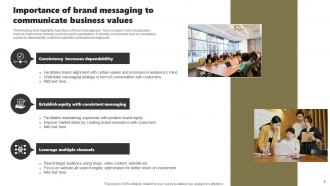
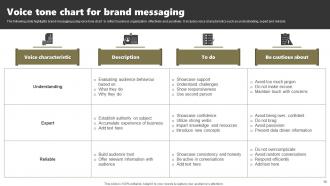
Brand messaging serves as the verbal expression of brand identity, translating core values, personality, and positioning into consistent communication across all touchpoints. While brand identity encompasses visual elements, culture, and strategic positioning, messaging articulates these foundations through tone, key messages, and storytelling, with many organizations finding that aligned messaging significantly enhances brand recognition and customer connection.
Customer feedback shapes brand messaging by revealing perception gaps, highlighting valued benefits, and identifying communication preferences through surveys, social media monitoring, and direct interactions. This insight enables businesses to refine their messaging for better resonance, with many companies finding that feedback-driven adjustments increase customer engagement, strengthen brand authenticity, and ultimately deliver more effective marketing campaigns.
-
SlideTeam, Please don’t stop sharing discount coupons! I love your occasional discounts and tend to buy your products around that corner.
-
Great product with highly impressive and engaging designs.