

Brand value ppt infographics




Try Before you Buy Download Free Sample Product
 Impress Your
Audience
 100%
Editable
 Save Hours
of Time


Constantly churn our great ideas with our Brand Value Ppt Infographics. Convert your brains into a factory.
People who downloaded this PowerPoint presentation also viewed the following :
Brand value ppt infographics with all 5 slides:
Interpose in the dispute with our Brand Value Ppt Infographics. Get the discussion to flow as you desire.


FAQs for Brand
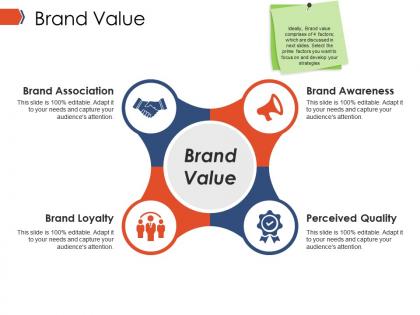
So there are four main pieces: brand awareness, perceived quality, brand associations, and loyalty. Awareness is obvious - do people actually know you exist? Quality is what customers think of your stuff. Associations are where it gets interesting though - that's all the emotions and random thoughts tied to your brand. Loyalty shows if people will ditch you for competitors. None of these work alone, which is kinda annoying because you can't just pick one to fix. I'd measure where you're at with each one first, then tackle whatever's worst.
Honestly, measuring brand equity is kinda tricky but doable. I'd start with brand awareness surveys and Net Promoter Score - those are solid basics. Check what price premium you can charge vs competitors too. Customer lifetime value tells you a ton since loyal customers basically prove your brand's worth. Social sentiment and brand recall tests help, but here's the thing - so much of brand equity is emotional stuff that numbers miss. That's where focus groups come in handy, even though they're a pain to organize. Don't try tracking everything at once though. Pick 2-3 metrics that actually matter for your goals and go from there.
Honestly, perception is like 90% of what makes a brand valuable. People's gut feelings about whether you're trustworthy or innovative? That becomes your actual worth in the market. The tricky part is you can't just announce "we're amazing!" and expect it to stick. Every interaction has to back up what you're claiming - and I mean *every* single one. Takes forever to build but whatever, that's how it works. Figure out what makes your audience light up, then make sure your whole operation reinforces those vibes consistently. Their mental shortcuts about your brand will make or break you.
Look, loyal customers are literally your money-makers. They keep buying from you instead of shopping around, which means steady cash flow and you don't have to spend as much on ads to find new people. Here's the cool part - they'll actually defend your brand online and tell their friends about you for free. When you screw something up (and you will), they won't immediately bail on you like new customers might. I'd definitely track your repeat buyers and NPS scores though, because you want to catch any loyalty issues before people start ditching you for competitors.
Honestly, social media can totally boost your brand equity, but it's a double-edged sword. You get amazing direct access to customers and can build real relationships - plus those viral moments are pure gold. But man, I've seen brands get absolutely wrecked by one stupid post. The cool part though? You get instant feedback and engagement data, so you can actually see how people feel about your brand in real time. My advice - start tracking your mentions and sentiment scores first. That gives you a solid baseline to work from. Way better than flying blind like companies used to do.
Your brand equity is basically a golden ticket into new markets. People already trust you, right? That trust travels with you when you branch out. Apple nailed this - went from computers to phones to whatever else they wanted. Your existing customers will probably follow you into related stuff, and new people take you seriously faster because they've heard of you. Just don't go too far off brand or you'll confuse everyone. Test it with your current crowd first. If they're into it, then you can think bigger. The worst thing is when companies try to be everything to everyone and end up being nothing to no one, you know?
Yeah, strong brands can totally backfire on you. Companies get cocky and stop innovating - like, Blockbuster thought they were untouchable. Brand extensions are another trap where you slap your name on random stuff that makes no sense and just confuses people. Honestly, the bigger you get, the more competitors want to take you down. Bad PR also stings way worse when everyone knows who you are. Kodak's a perfect example of this whole mess. Keep tracking how people actually feel about your brand. Don't assume past success guarantees anything.
Honestly, brand equity is like having a cheat code for pricing. Look at Apple - they charge way more than Android phones but people still line up for hours. Same with Nike vs generic sneakers. The stronger your brand gets, the less customers care about price comparisons. They'll pay extra because they trust you or want that status symbol (which sounds shallow but whatever, it works). Your customers start seeing more value in what you're selling, so you can keep those premium prices even when cheaper alternatives pop up. Build up that brand recognition first, then you'll have tons more room to play with your pricing later.
Honestly, map out your customer journey first - find the biggest pain points and tackle those. Consistency is everything though. Your website, customer service, packaging, response times... it all needs to feel cohesive. Maya Angelou was right - people forget what you did but remember how you made them feel. That's so true for brands too. Personalization makes a massive difference - use whatever data you have to make customers feel special. Oh, and absolutely crush it during key moments like onboarding or when something goes wrong. Those moments stick with people forever.
Honestly, speed is everything here. Don't wait around - acknowledge what happened and own your part in it. People are gonna be talking about you online anyway, so jump in and actually respond to them instead of hiding. Actions matter way more than fancy apologies though. Give refunds, change your policies, whatever it takes to show you mean it. I've seen brands come back from terrible situations by just... talking constantly during the mess instead of going radio silent. That silence always backfires. Oh and definitely have a crisis plan ready before you actually need one - trust me on that.
Honestly, brand partnerships are kinda like dating - pick the wrong one and you're screwed. When you team up with brands that actually match your vibe and quality, you tap into their audience and both of you look better. Nike and Apple nailed this because they're both about premium innovation stuff. But here's the thing - if your partner's values don't align or they mess up publicly, you go down with them. I've seen brands tank because they rushed into partnerships for quick money instead of finding authentic fits. Just be picky about it.
Look at Apple - those people are absolutely obsessed and will literally camp outside stores for new iPhones. It's wild but brilliant branding. Their whole "Think Different" thing plus that sleek design created this cult following worth billions. Coca-Cola's another great one to study. They've kept that emotional connection going for like 100+ years through smart partnerships and consistent messaging. Fun fact: even their New Coke flop in the 80s accidentally helped them because people realized how much they actually loved the original. Both brands nail consistency across everything while still staying relevant. That's the sweet spot you want.
Okay so first thing - figure out your core identity and stick to it everywhere. Your website, social posts, how you talk to customers, all of it needs to match. I know it feels super repetitive but that's literally how it works! Focus on actually helping people instead of just selling stuff constantly. Build real relationships with your customers. Create content that solves their problems. Oh and honestly? The equity part takes forever - it's all about people connecting your brand with quality over time. But once it clicks, you're golden.
So here's the thing - brands absolutely have to nail cultural relevance if they want any shot at building equity globally. McDonald's gets this, which is why they serve rice burgers in Taiwan (random but smart). Nike does it too with their local athlete partnerships. When you actually connect with people's values and customs, they trust you more. They'll pay premium prices because your brand feels authentic, not like some foreign company trying too hard. But honestly? The hardest part is staying true to your core brand while adapting locally. You can't just copy-paste campaigns everywhere. Research those cultural nuances first, then test everything with local focus groups before you launch.
Dude, storytelling is everything for building brand value. People connect with stories way more than boring product specs - our brains are literally wired that way. When you share authentic stories about your brand's mission or real customer moments, you create trust that facts alone never could. Those emotional connections? They turn into loyal customers who'll pay more and actually recommend you to friends. I mean, think about the brands you love - bet there's a story behind why you care about them. Find your authentic stories and use them everywhere, but don't force it.
-
Appreciate the research and its presentable format.
-
Unique design & color.