

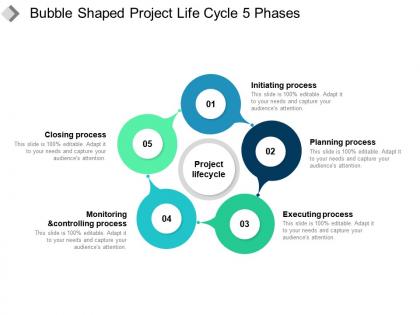
Bubble shaped project life cycle 5 phases




Try Before you Buy Download Free Sample Product
 Impress Your
 Audience
 100%
100% Editable
 Save Hours
 of Time


Have a better chance with our Bubble Shaped Project Life Cycle 5 Phases. Be able to extract that extra advantage.
People who downloaded this PowerPoint presentation also viewed the following :
Bubble shaped project life cycle 5 phases with all 5 slides:
Our Bubble Shaped Project Life Cycle 5 Phases are fairly electric. You will feel the force of their energy.



FAQs for Bubble shaped project life
The distinct stages of a bubble's life cycle include displacement, boom, euphoria, profit-taking, and panic. These stages typically unfold through initial market disruption, rapid price acceleration, irrational exuberance, smart money exits, and eventual collapse, with many financial institutions finding that understanding these patterns enables better risk management and strategic positioning.
Economic conditions create fertile ground for bubble formation through low interest rates, excessive liquidity, and investor optimism, while weak regulatory oversight and market speculation amplify asset price inflation. These factors converge in sectors like technology, real estate, and cryptocurrency markets, with many financial institutions finding that prolonged periods of easy credit and rising asset values ultimately encourage risk-taking behaviors that detach prices from fundamental values.
Investor psychology drives bubble cycles through greed during euphoria phases, fear of missing out spurring speculative buying, and panic selling during crashes. Behavioral biases like herd mentality and overconfidence amplify market volatility, with many financial institutions finding that understanding these patterns enables better risk management and strategic positioning during market extremes.
Speculative bubbles occur when investors drive prices far beyond intrinsic value based on hype and emotion, while asset bubbles involve sustained price inflation in specific markets like real estate or technology stocks. Both present challenges and opportunities for investors, with financial institutions increasingly using advanced analytics to identify bubble formations early, ultimately enabling better risk management and strategic positioning in volatile markets.
Early bubble indicators include rapid price increases disconnected from fundamental value, excessive media coverage and public excitement, widespread speculation by inexperienced investors, and easy credit access. These warning signs often appear across sectors like technology stocks, real estate, or cryptocurrency markets, with many financial analysts finding that recognizing these patterns enables better risk management and strategic positioning.
Media coverage amplifies bubble growth by creating widespread awareness, attracting new investors, and validating market sentiment through positive reporting and expert commentary. This coverage often shifts from skeptical analysis to enthusiastic promotion during growth phases, with financial media, social platforms, and influencer endorsements ultimately driving public perception and investment decisions across retail and institutional markets.
Historical bubbles like the Dutch Tulip Mania (1634-1637), South Sea Bubble (1720), and Dot-com Bubble (1995-2001) demonstrate classic phases of euphoria, speculation, and eventual collapse. These examples reveal how asset prices surge beyond fundamental value through investor psychology and market momentum, with financial institutions, retail investors, and entire sectors experiencing dramatic boom-bust cycles that ultimately reshape market regulations and investment strategies.
Bubbles burst when asset prices rapidly decline due to declining investor confidence, margin calls, and widespread selling pressure, creating cascading market effects. This triggers immediate economic impacts including massive wealth destruction, credit crunches, and reduced consumer spending, with sectors like real estate and banking experiencing severe contractions, ultimately leading to recession and unemployment spikes.
Bubble bursts significantly erode investor confidence through substantial portfolio losses, increased market volatility, and widespread skepticism toward previously favored asset classes or sectors. While trust eventually rebuilds over time, many institutions find that recovery periods can span years, with investors demanding greater transparency, stricter due diligence, and more conservative risk assessment practices.
Regulatory policies significantly impact bubble dynamics by influencing market liquidity, lending standards, and investor behavior through interest rate controls, capital requirements, and disclosure mandates. While stricter regulations can prevent excessive speculation and leverage that fuel bubbles, overly loose policies often enable rapid asset price inflation, with financial sectors finding that balanced regulatory frameworks help minimize systemic risks while maintaining healthy market growth.
Historical bubbles teach valuable lessons including recognizing excessive speculation, monitoring leverage levels, identifying disconnect between asset prices and fundamentals, and understanding crowd psychology dynamics. Through studying events like the dot-com crash and housing crisis, regulators and investors can implement stronger oversight mechanisms, diversification strategies, and risk management protocols, ultimately delivering more stable markets and preventing catastrophic economic downturns.
Technological advancements contribute to bubble cycles by creating new investment opportunities, attracting speculative capital, and generating unrealistic growth expectations about market potential. These innovations often revolutionize industries like artificial intelligence, biotechnology, and fintech, with investors initially overestimating short-term returns while underestimating implementation timelines, ultimately leading to rapid price inflation followed by corrections.
Bubble life cycles vary significantly across asset classes, with real estate bubbles typically developing over years through gradual price appreciation, while cryptocurrency bubbles can form and burst within months due to higher volatility. Technology stocks often experience medium-term cycles driven by innovation hype, whereas commodity bubbles frequently correlate with supply-demand imbalances, ultimately delivering different risk profiles and recovery timelines for investors.
Central banks manage market bubbles through monetary policy adjustments, regulatory oversight, financial stability monitoring, and strategic interest rate modifications to influence asset pricing and market behavior. Through quantitative tightening and macroprudential tools, institutions like the Federal Reserve and European Central Bank can moderate excessive speculation while maintaining economic stability, ultimately delivering more balanced market conditions and reduced systemic risk across financial sectors.
Investors can protect themselves through diversification across asset classes, setting stop-loss orders, maintaining cash reserves, and avoiding herd mentality during market euphoria. By implementing disciplined risk management strategies, conducting thorough fundamental analysis, and maintaining long-term investment perspectives, many financial advisors find that clients achieve more stable returns while minimizing exposure to bubble-related volatility.
No Reviews