

Building An Actionable Sales Plan Powerpoint Presentation Slides





Try Before you Buy Download Free Sample Product
 Impress Your
 Audience
 100%
100% Editable
 Save Hours
 of Time


Building an actionable sales plan PowerPoint presentation now takes only minutes. The only thing that you have to do here is to click and download our pre designed sales plan example slide presentation. With help of our sales business plan PPT slide show you can give sales training to your work force for developing better sales processes. You can develop a continuous improvement attitude among your sales team by underlining sales achievements and shortcomings with support of presentation templates included in this visual communication. Going further, this PPT sample file also supports to encourage work force to develop strategic sales plan so as to augment sales and develop strong networks. To thoroughly cover each aspect of action plan for sales, we have included creative PowerPoint presentation slides like channel marketing strategy, currently active channels, who is your buyer, target customers, our lead generation process, financial highlights etc. In short, you have got the best sales plan sample PPT model. Now is the time to click and download this to make 2017 your year. Act in good faith with our Building An Actionable Sales Plan Powerpoint Presentation Slides. They will believe you have done your best.
People who downloaded this PowerPoint presentation also viewed the following :
Content of this Powerpoint Presentation
Slide 1: This slide introduces Building an Actionable Sales Plan. State Your Company Name and begin.
Slide 2: This is an Agenda slide. State your agendas here.
Slide 3: This slide presents Channel Marketing Strategy with the following subheadings- Market Factors, Product Factors, Nature Of Intermediaries, Competitors.
Slide 4: This slide presents Channel Marketing Strategy with the following subheadings- Marketing Strategy Development, Competitor Analysis, Distribution Channel Analysis, Consumer Analysis, Market Analysis.
Slide 5: This slide presents a Channel Marketing Planning with the following points- Geographic presence/reach, Target market, Vertical market expertise, Core competencies & solution differentiation, Revenue/size, Vendor relationships, Routes to market & distribution strategy.
Slide 6: This slide shows Launch Plan at a Glance with- Ideation, Business Model, Customer Discovery, Product Design, Launch, Market Planning, Development.
Slide 7: This slide too shows Launch Plan at a Glance with- Business Model, Product Design, Market Planning, Ideation, Customer Discovery, Development, Launch.
Slide 8: This slide shows Our Channel Products. State different product aspects, specifications here.
Slide 9: This slide also shows Our Channel Products. State different product aspects, specifications here.
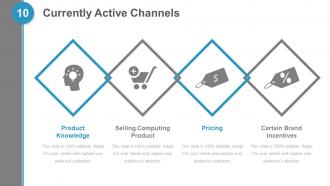
Slide 10: This slide presents Currently Active Channels with the following points- Product Knowledge, Selling Computing Product, Pricing, Certain Brand Incentives.
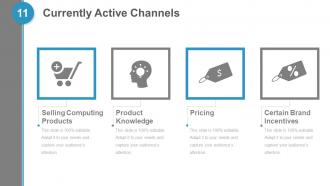
Slide 11: This slide presents Currently Active Channels with the following points- Selling Computing Products, Product Knowledge, Certain Brand Incentives, Pricing.
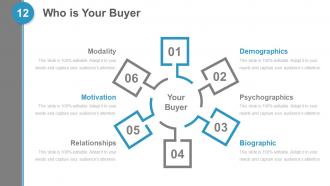
Slide 12: This slide states Who is Your Buyer according to- Demographics, Psychographics, Biographic, Modality, Motivation, Relationships.
Slide 13: This slide shows Buyer’s Journey from- Discover, Explore, Buy, Evaluate, Engage.
Slide 14: This slide presents Buyer’s Journey from- Discover: (Learn about approaches, Identify opportunity, Feel need or pain) Explore: (Identify solutions, Build a business case, Commit to change) Evaluate: (Choose approach, Compare alternatives, Consider risks) Engage: (Select vendor, Check references) Buy: (Measure results, Adopt and use, Deploy or launch).
Slide 15: This slide presents Buyer’s Journey from- Anonymous, Prospect, Lead, Qualified Opportunity, Closed Won, Post Sale.
Slide 16: This slide presents Our Channel Partners. State channel partnering nuances, aspects etc. here.
Slide 17: This slide shows Target Customer. State targeted customer specifications here.
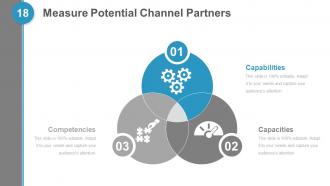
Slide 18: This slide displays Measure Potential Channel Partners showcasing- Capabilities, Capacities, Competencies.
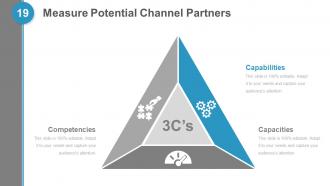
Slide 19: This slide too displays Measure Potential Channel Partners showcasing- Capabilities, Capacities, Competencies.
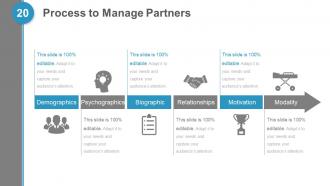
Slide 20: This slide presents Process to Manage Partners on basis of- Demographics, Psychographics, Biographic, Motivation, Modality, Relationships.
Slide 21: This slide presents Process to Manage Partners on basis of- Recruitment, Engagement, Enablement, Incentives, Training.
Slide 22: This slide shows Our Lead Generation Process with funnel imagery and text boxes.
Slide 23: This slide showcases Lead Generation Activities. The listed ones are- Ads, Marketing Programs, Named Account List, Speaking Events, Tradeshows, Roadshows, Nurturing Campaigns.
Slide 24: This slide shows Value Added by Channel Partnership with the following points- Inventory Control Systems, Employee Training, Data Processing Programs And Systems, Financing, Advertising Planning Assistance, Catalog Services, Accounting Services.
Slide 25: This slide presents Our Marketing Communication Plan with the following content- Situational Analysis, Budget Planning, Evaluation & Control Of Marketing, Developing Communication Plan, Developing Communication Program.
Slide 26: This slide presents Marketing Analysis with the following points- Pricing Strategy, Reporting Intelligence, Marketing ROI, Pre-post Campaign Strategy, Product Design, Marketing Analysis.
Slide 27: This slide showcases Deliverables from Marketing table. State the specifications here.
Slide 28: This slide presents Roles of Channel Marketing Manager in the following points- Marketing Manager, Address concerns, Establish standards for the retailer, Negotiate contracts, Devise advertising strategies, Client Relationship management.
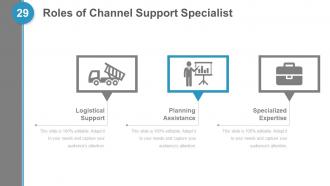
Slide 29: This slide shows Roles of Channel Support Specialist in- Logistical Support, Planning Assistance, Specialized Expertise.
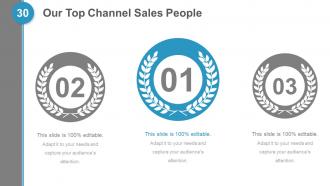
Slide 30: This slide presents Our Top Channel Sales People. State top performers here.
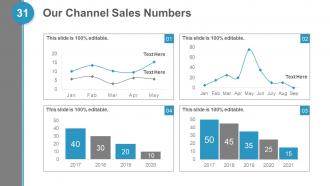
Slide 31: This slide shows Our Channel Sales Numbers in different graph forms.
Slide 32: This slide shows Sales by Region on world map image to indicate global growth, presence etc.
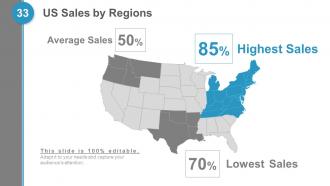
Slide 33: This slide shows US Sales by Region on USA map.
Slide 34: This slide presents Financial Highlights. State finanacial scores, aspects etc. here.
Slide 35: This slide also presents Financial Highlights. State finanacial scores, aspects etc. here.
Slide 36: This slide presents Our Sales Pipeline in funnel form. State sales specifications here.
Slide 37: This slide shows an Analyst Briefing Plan in timeline form with icon imagery.
Slide 38: This slide shows Types of Channel Promotion Used in graph form with relavant points.
Slide 39: This slide showcases Channel Promotional Events such as- Press Release, Regional Events, Buy Back Program, Trade Shows, Referral Program.
Slide 40: This slide shows Our Trade Show Calendar for making yearly planning etc.
Slide 41: This slide shows Social Media Marketing Plan with the following mentioned platforms- Facebook, Tumblr, Twitter, Instagram, Google+ Linked In, Pinterest.
Slide 42: This slide is titled Website Update Plan to proceed forward.
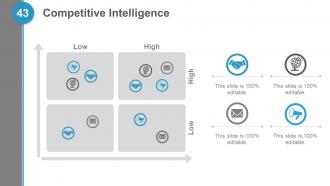
Slide 43: This slide shows a Competitive Intelligence matrix in terms of high and low.
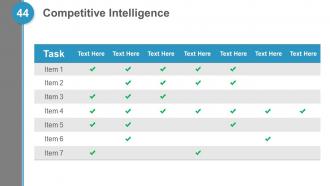
Slide 44: This slide shows a Competitive Intelligence in tabular form.
Slide 45: This slide presents Challenges in the Channel with the main heading Direct Channels divided into- Manufacturer- Distributor- Tier Partner- End Customers
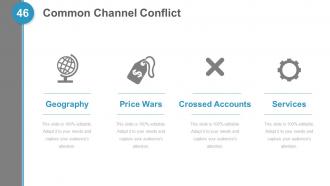
Slide 46: This slide shows Common Channel Conflict with the following points- Services, Geography, Price Wars, Crossed Accounts.
Slide 47: This slide showcases Common Channel Conflict in terms of- Opportunities, Threats Weaknesses, Strengths.
Slide 48: This slide presents How to Maintain Channel Relationship with the following points- Treat your partners as an extension of your sales force, Invest in maintaining relationships, Consider fewer partners who sing your praises, Ensure that their needs are addressed, Finally strike a final consensus with channel partners is just the first step, And sell confidently, unlike disgruntled partners, Channel Relationship.
Slide 49: This slide presents Case Study with imagery. State case study aspect here.
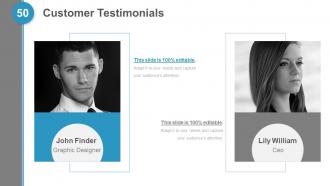
Slide 50: This slide shows Customer Testimonials with image and text boxes. State testimonials (if any) here.
Slide 51: This slide is titled Additional Slides to proceed forward.
Slide 52: This is Our Mission slide with Vision and Goals. State them here.
Slide 53: This is Our Team slide to state specifications with name, deisgnation and image boxes.
Slide 54: This is an About us slide. State team/company specifications here.
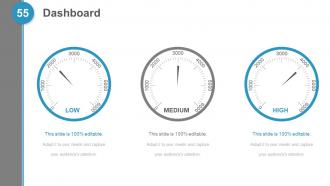
Slide 55: This is a Dashboard slide to show Low, Medium and High aspects of product/entity.
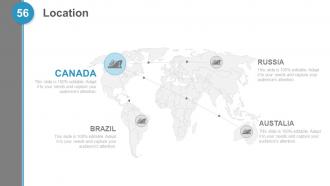
Slide 56: This is a Location slide of world map image to show global presence, growth etc.
Slide 57: This is a Timeline slide to show milestones, growth, evolution etc.
Slide 58: This slide shows a Lego image to show information, specifications etc.
Slide 59: This slide shows a Silhouettes image to show people related information, specifications etc.
Slide 60: This slide shows a Funnel image to show information, specifications etc.
Slide 61: This is a Thanks For Watching slide with Contact Numbers, Email Address, Address# street number city, state.
Building An Actionable Sales Plan Powerpoint Presentation Slides with all 61 slides:
Cater for every conceivable contingency with our Building An Actionable Sales Plan Powerpoint Presentation Slides. They enable you to create a good checklist.
-

Building an Actionable Sales Plan
-
Agenda Slide
-
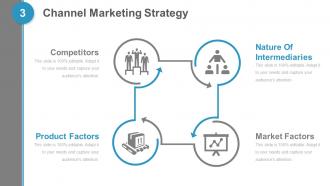
Channel Marketing Strategy
-
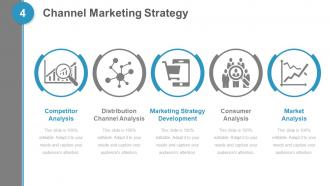
Channel Marketing Strategy
-
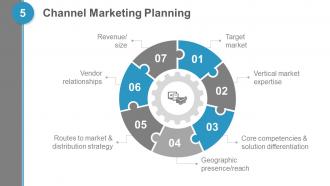
Channel Marketing Planning
-
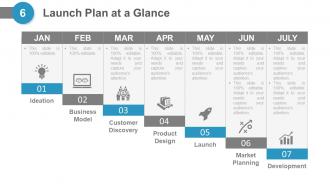
Launch Plan at a Glance
-
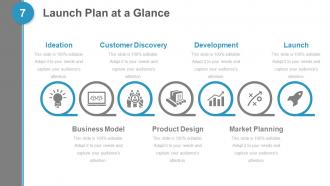
Launch Plan at a Glance
-
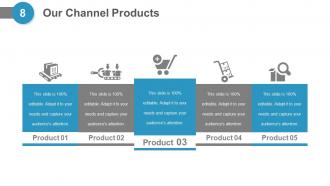
Our Channel Products
-
Our Channel Products
-
Currently Active Channels
-
Currently Active Channels
-
Who is Your Buyer
-
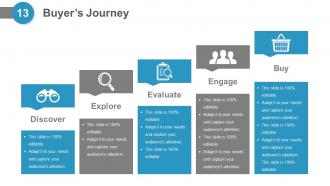
Buyer s Journey
-
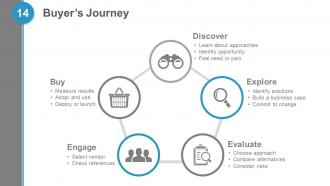
Buyer s Journey
-
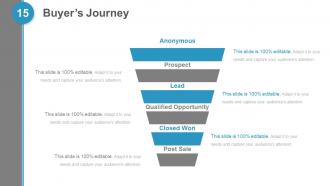
Buyer s Journey
-
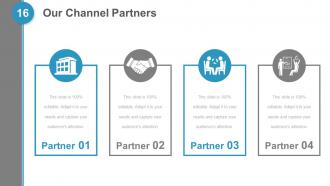
Our Channel Partners
-
Target Customer
-
Measure Potential Channel Partners
-
Measure Potential Channel Partners
-
Process to Manage Partners
-
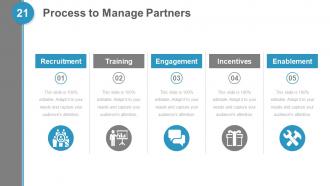
Process to Manage Partners
-
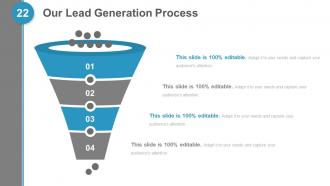
Our Lead Generation Process
-
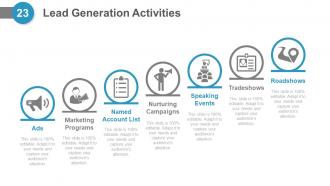
Lead Generation Activities
-
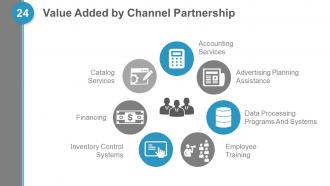
Value Added by Channel Partnership
-
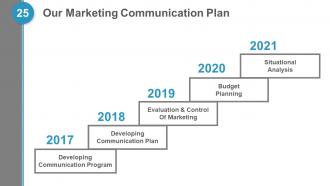
Our Marketing Communication Plan
-
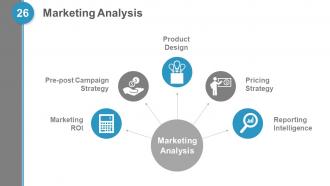
Marketing Analysis
-
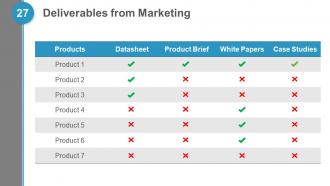
Deliverables from Marketing
-
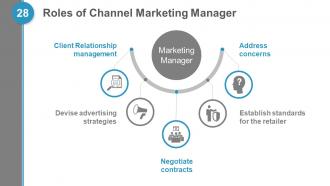
Roles of Channel Marketing Manager
-
Roles of Channel Support Specialist
-
Our Top Channel Sales People
-
Our Channel Sales Numbers
-

Sales by Region
-
US Sales by Regions
-
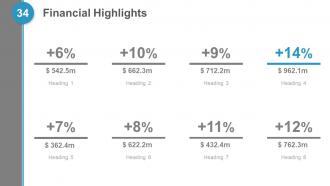
Financial Highlights
-
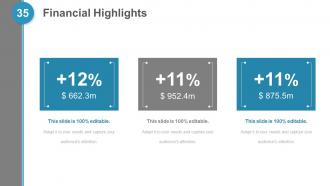
Financial Highlights
-
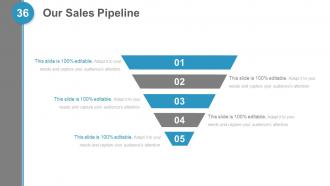
Our Sales Pipeline
-
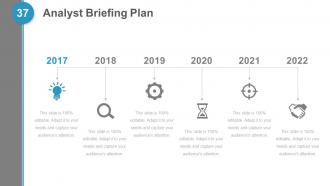
Analyst Briefing Plan
-
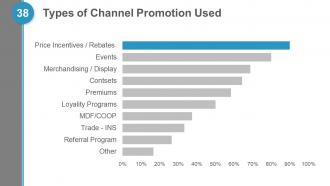
Types of Channel Promotion Used
-
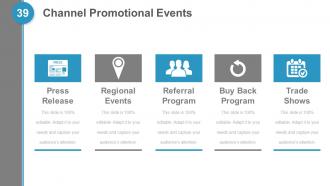
Channel Promotional Events
-
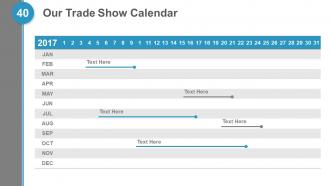
Our Trade Show Calendar
-
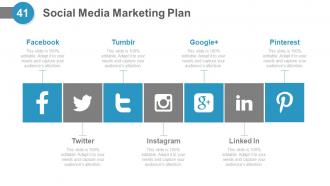
Social Media Marketing Plan
-
Website Update Plan
-
Competitive Intelligence
-
Competitive Intelligence
-

Challenges in the Channel
-
Common Channel Conflict
-

Common Channel Conflict
-
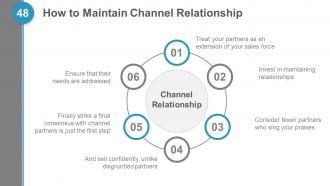
How to Maintain Channel Relationship
-
Case Study
-
Customer Testimonials
-
Additional Slides
-
Our Mission
-

Our Team
-
About us
-
Dashboard
-
Location
-
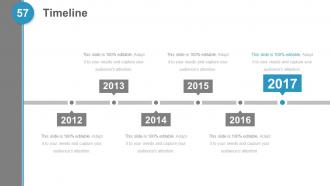
Timeline
-

Lego
-

Silhouettes
-
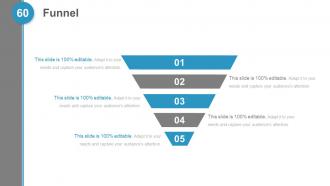
Funnel
-

Thanks For Watching
FAQs for Building An Actionable Sales Plan
Start with solid revenue goals and realistic deadlines - that's your foundation. Map out who you're actually selling to and what makes you different from competitors. Lead gen tactics are obviously huge, but honestly the sales process stuff is where most people mess up. Figure out your methodology early. If you've got a team, assign territories upfront or you'll deal with drama later (trust me on this one). Budget for tools and headcount properly. Build in review points every quarter so you can adjust when reality hits. Oh and customer profiles - spend real time on those, they matter more than you think.
Okay so first things first - figure out what your company's actually trying to accomplish this year. Revenue goals, new markets, product launches, all that stuff. Then flip it around and ask what your sales team needs to hit to make that happen. Don't just be like "oh we need 30% growth so everyone sell 30% more" because that's lazy honestly. Break it down by segments or territories or whatever makes sense. Which products are gonna drive the real growth? Set your quotas based on that. Oh and definitely stay in touch with leadership regularly - things change fast and you don't want to be working toward old goals.
Honestly, just focus on these four big ones: revenue growth, conversion rates, average deal size, and how long your sales cycles are taking. Pipeline velocity is another good one - sounds corporate-y but it actually shows you if things are moving or just stuck. Oh, and definitely track what you're spending to land each customer. Check these monthly, maybe quarterly too, against whatever targets you set originally. The whole point is catching problems early before they snowball into disasters. Trust me, way easier to fix things when you spot them quick.
Dude, you gotta do market research before jumping into sales stuff. Figure out who's actually gonna buy from you and what's bugging them daily. I spent way too much time early on pitching to the wrong crowd - total waste. Look at what your competitors are doing wrong too, that's where you'll find openings. Customer surveys are clutch for understanding how people actually want to be sold to. Use all that info to nail your messaging and pick the right channels. Timing matters more than most people think. Don't wing it basically.
So here's the deal with customer segmentation - you group your prospects instead of pitching everyone the same way (which is kinda dumb when you think about it). Look at company size, industry, budget, whatever makes sense. Then you can actually tailor your approach to each group. Way better conversion rates that way. I'd start by checking out your best current customers and finding 3-4 patterns. Like maybe all your big wins are mid-size tech companies or something. Once you see those patterns, you'll know exactly how to focus your time and messaging.
So I do monthly check-ins with our sales team, plus extra ones after big campaigns. Ask them about lead quality, what objections they're hearing, which messaging actually works. Sales knows our customers better than anyone - it's honestly ridiculous how much insight they have that marketing usually ignores. I made this quick form for them to fill out after major wins/losses too, helps me spot patterns. The biggest thing though? You gotta actually use their feedback and show them how it changed your next quarter's strategy. Otherwise they'll stop caring.
Honestly, start with a good CRM - Salesforce, HubSpot, or Pipedrive work great for tracking leads. Then grab some sales analytics tools for forecasting. Email automation is huge too, saves you from manually following up with everyone (which gets old fast). Obviously you need solid video conferencing by now. PandaDoc makes proposals way easier, and LinkedIn Sales Navigator is pretty clutch for social selling. Don't go crazy buying everything at once though. Pick your CRM first, then see where your team's actually struggling before adding more tools.
Look, quarterly reviews are the bare minimum but monthly is way better if you can manage it. Markets change so damn fast now. I'd do deep quarterly dives - what's working, what sucks, where you need to pivot. Monthly ones can be quick pulse checks. Just don't be like most people who write a plan in January then ignore it until December. That's useless. Block time in your calendar right now for these - seriously, treat it like you would any client meeting. Consistency beats perfection here.
Honestly, you gotta map out the 5-7 objections you hear most and have solid responses ready. But here's the thing - actually listen first before jumping in with your answer. When someone says "too expensive," dig deeper. What's their real budget? Most price pushback just means they're not seeing the value yet. Practice these responses with your team so you're not scrambling when it happens. I do role-plays weekly and it helps tons. The goal isn't to "overcome" objections but turn them into real conversations about what they actually need. Works way better than just rattling off features.
Don't just look at last year's sales - that's like driving while staring in the rearview mirror. I spend way too much time creeping on competitors' pricing (probably unhealthy tbh), but you need that intel. Mix in market trends and what customers are actually telling you. Website traffic and demo requests tell you more than old sales numbers anyway. Build three versions: best case, realistic, and "oh shit" scenarios. That way you won't get blindsided when things go sideways. Update monthly as new info rolls in - don't just set it once in January and call it done.
Honestly, the biggest traps are overestimating demand and underestimating your competition - I've seen this wreck so many launches. Your sales targets might be way too aggressive, which just kills team morale. Budget constraints are brutal too, especially for marketing and staffing. Then there's the stuff you can't control - market shifts happen (2020 was wild), customer behavior changes, key people quit at the worst times. Product delays always mess up your timeline. My advice? Build in some buffer scenarios and check these risks every quarter. You'll need to pivot fast when things go sideways, and trust me, they will.
Honestly, your sales plan gets so much better when marketing actually talks to you. They've got all this data on lead quality and what campaigns are working - stuff that helps you figure out who to call first. Meanwhile, you can tell them what customers are actually saying and what's not landing. Most companies are terrible at this, which is crazy because the wins are obvious. You'll forecast more accurately, close faster, and stop chasing dead-end leads. Oh and those marketing qualified leads? They're actually qualified when both teams are aligned. Try doing weekly check-ins where you both share what's working.
Look, I can't stress this enough - realistic targets are everything. Your team actually needs to believe they can hit their numbers, otherwise what's the point? I've watched so many reps just check out mentally when goals are insane. You want to stretch people, sure, but not break them. Start with your historical data and see what's actually doable given current market conditions. When targets make sense, morale stays up and performance follows. Plus your revenue forecasts won't be complete garbage - which honestly, leadership will thank you for later.
Honestly, you can't use the same approach for everything - learned that one the hard way! High-ticket stuff needs way more relationship building and patience. Those sales cycles drag on forever with tons of back-and-forth. Quick products? Hit 'em fast with volume targets and tight timelines. B2B software sales are a completely different beast than selling consumer goods too. Your customer personas matter huge here. I'd start by actually mapping out what you're selling and figure out how buyers act differently for each thing. Oh, and don't forget pricing and competition vary wildly between products.
Honestly, start with product training - they need to know your stuff cold. Then work on objection handling because customers will throw curveballs at you constantly. I'd do a solid two-day bootcamp to get everyone up to speed. Weekly check-ins after that keep people sharp. Oh, and make sure their CRM actually functions - nothing kills momentum like broken tools. They'll need current pricing, competitor info, all that basic stuff easily accessible. The objection prep is huge though. Most deals die because reps freeze up when someone says "but what about..." So yeah, preparation wins.
-
Thanks for all your great templates they have saved me lots of time and accelerate my presentations. Great product, keep them up!
-
Use of different colors is good. It's simple and attractive.