


Building organizational security strategy plan powerpoint presentation slides
Security management plan caters as an essential component of security initiatives for organizations and entities. This deck will serve as a critical tool for security managers in order to protect organizations vital assets against security threats or incidents. It will aid in building effective security strategy to manage any type of security threats or incidents. The deck covers details about present challenges faced, determine security standards, security concerns impact. It covers details about security management deployment through security policy framework, managing security priorities at workplace. It caters security center development with determine role of security center, facilities associated with it. Essential initiatives related to strategic security plan are catered in terms of incident management, corporate governance, intellectual property security, brand protection, crisis management, threat protection, physical security, business continuity, risk management, financial crisis control. Key people involved in security management are showcased including role chief security officer. Moreover, the deck covers slides about budget to manage workplace security, impact of effective security management and dashboard to track security incidents.





















-

- Google Slides is a new FREE Presentation software from Google.
- All our content is 100% compatible with Google Slides.
- Just download our designs, and upload them to Google Slides and they will work automatically.
- Amaze your audience with SlideTeam and Google Slides.
-

Want Changes to This PPT Slide? Check out our Presentation Design Services
-

- WideScreen Aspect ratio is becoming a very popular format. When you download this product, the downloaded ZIP will contain this product in both standard and widescreen format.
-

- Some older products that we have may only be in standard format, but they can easily be converted to widescreen.
- To do this, please open the SlideTeam product in Powerpoint, and go to
- Design ( On the top bar) -> Page Setup -> and select "On-screen Show (16:9)” in the drop down for "Slides Sized for".
- The slide or theme will change to widescreen, and all graphics will adjust automatically. You can similarly convert our content to any other desired screen aspect ratio.
Compatible With Google Slides

Get This In WideScreen
You must be logged in to download this presentation.


Do you want to remove this product from your favourites?
PowerPoint presentation slides
Deliver an informational PPT on various topics by using this Building Organizational Security Strategy Plan Powerpoint Powerpoint Presentation. This deck focuses and implements best industry practices, thus providing a birds-eye view of the topic. Encompassed with eighty two slides, designed using high-quality visuals and graphics, this deck is a complete package to use and download. All the slides offered in this deck are subjective to innumerable alterations, thus making you a pro at delivering and educating. You can modify the color of the graphics, background, or anything else as per your needs and requirements. It suits every business vertical because of its adaptable layout.

People who downloaded this PowerPoint presentation also viewed the following :
Content of this Powerpoint Presentation
Slide 1: This slide introduces Building Organizational Security Strategy Plan. State Your Company Name and begin.
Slide 2: This slide shows Agenda for Building Organizational Security Strategy Plan.
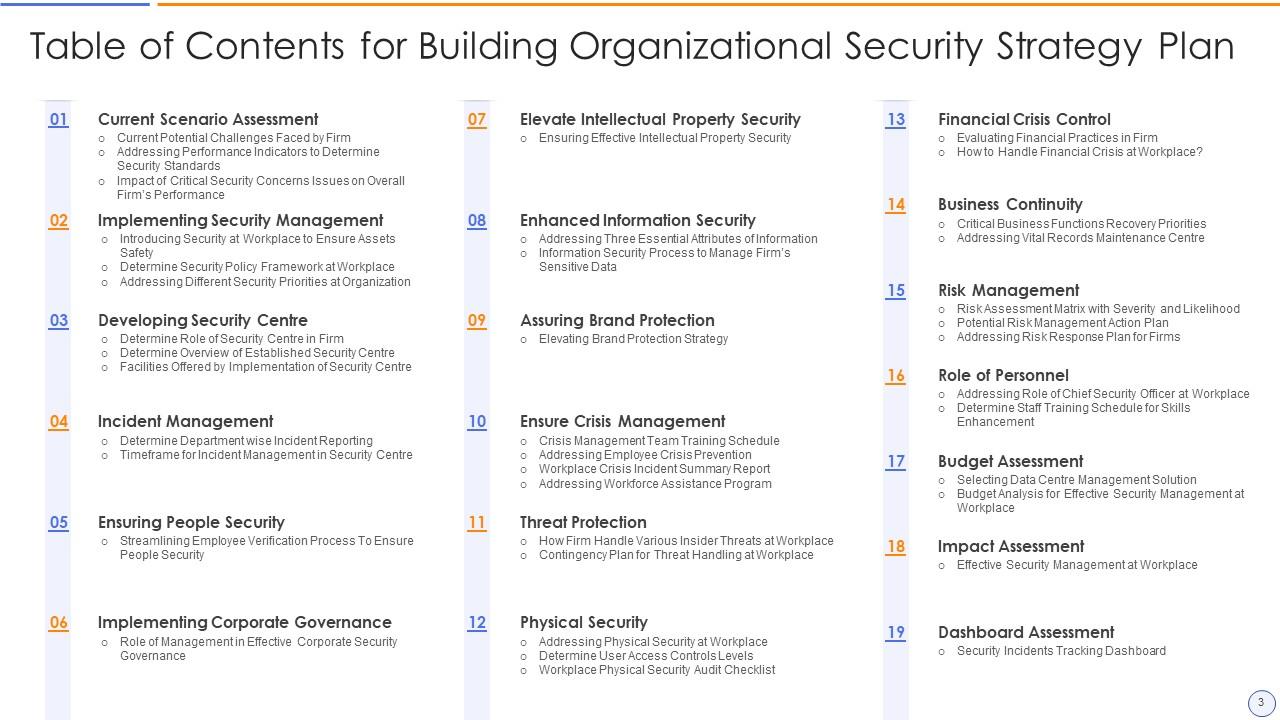
Slide 3: This slide presents Table of Contents for Building Organizational Security Strategy Plan.
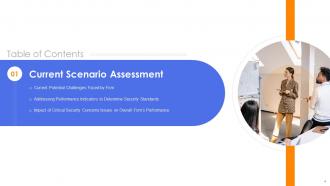
Slide 4: This slide shows Table of Content highlighting Current Scenario Assessment.
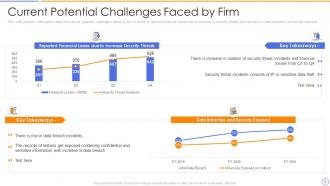
Slide 5: This slide displays potential challenges faced by firm in terms of reported financial losses.
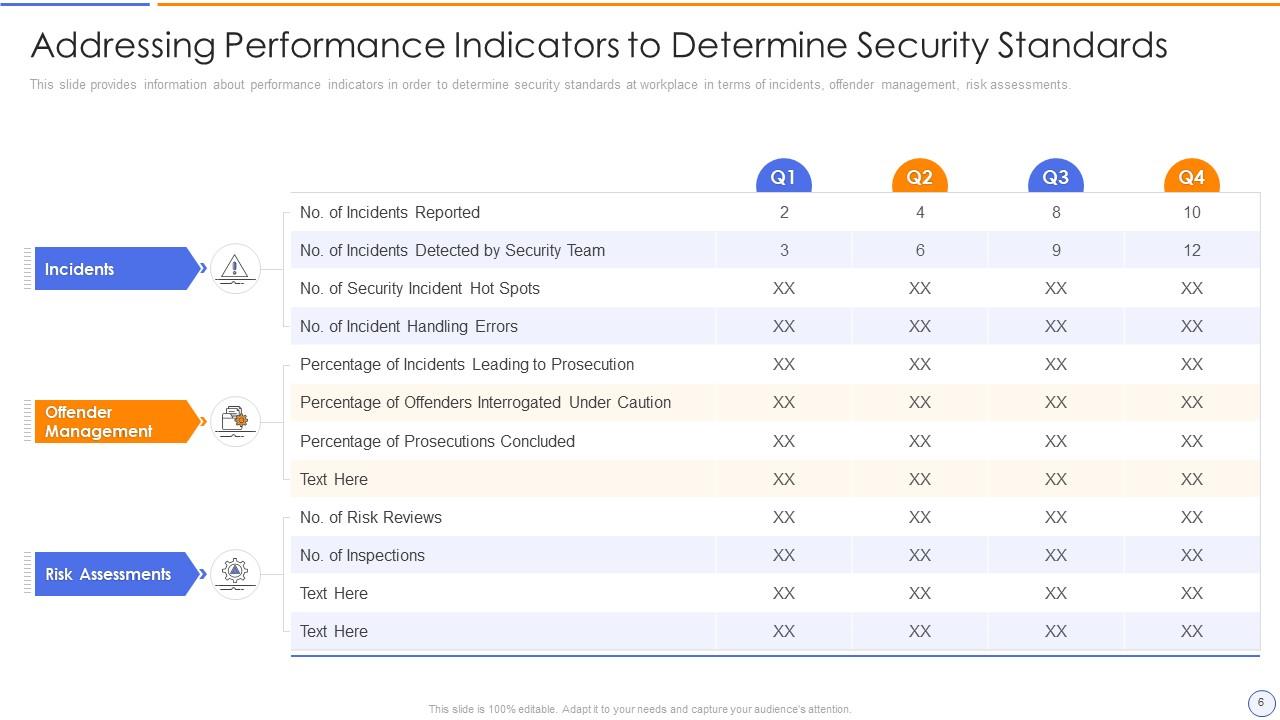
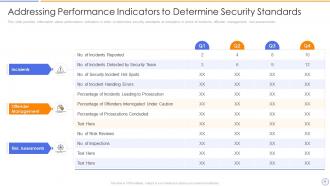
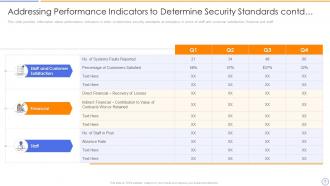
Slide 6: This slide represents Addressing Performance Indicators to Determine Security Standards.
Slide 7: This slide shows performance indicators in order to determine security standards at workplace.
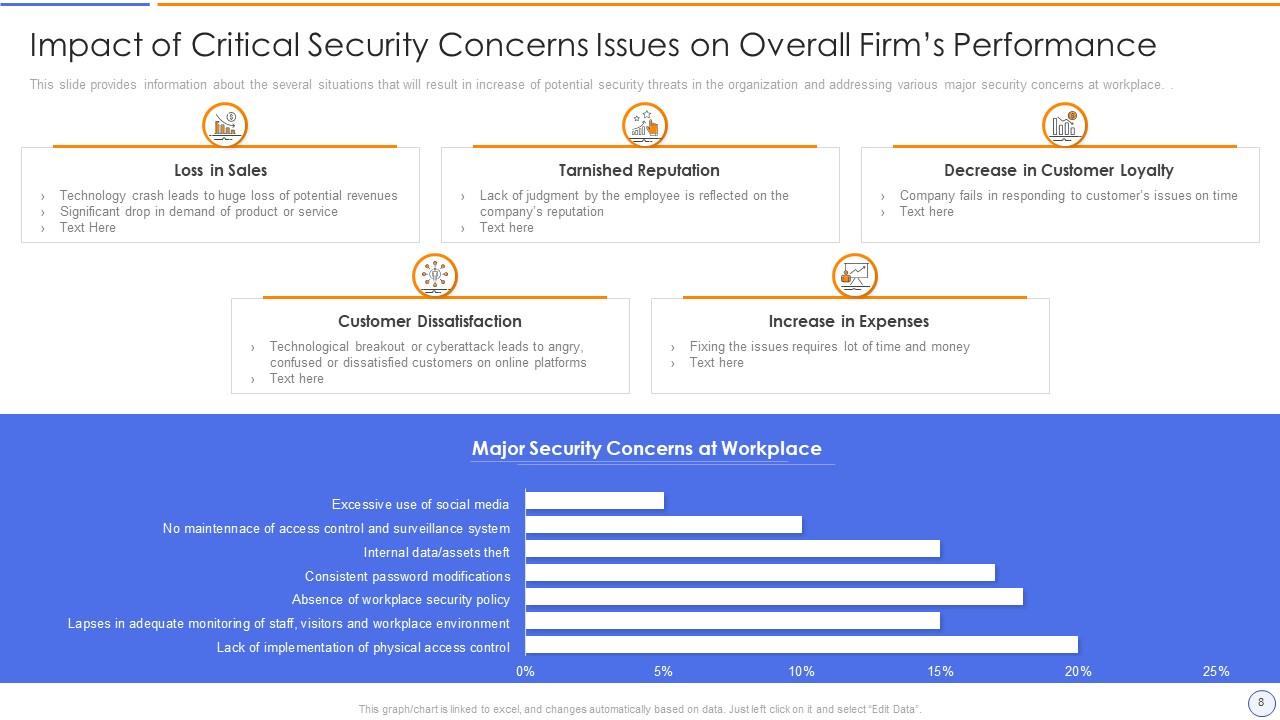
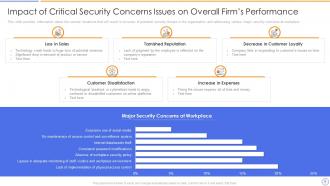
Slide 8: This slide presents Impact of Critical Security Concerns Issues on Overall Firm’s Performance.
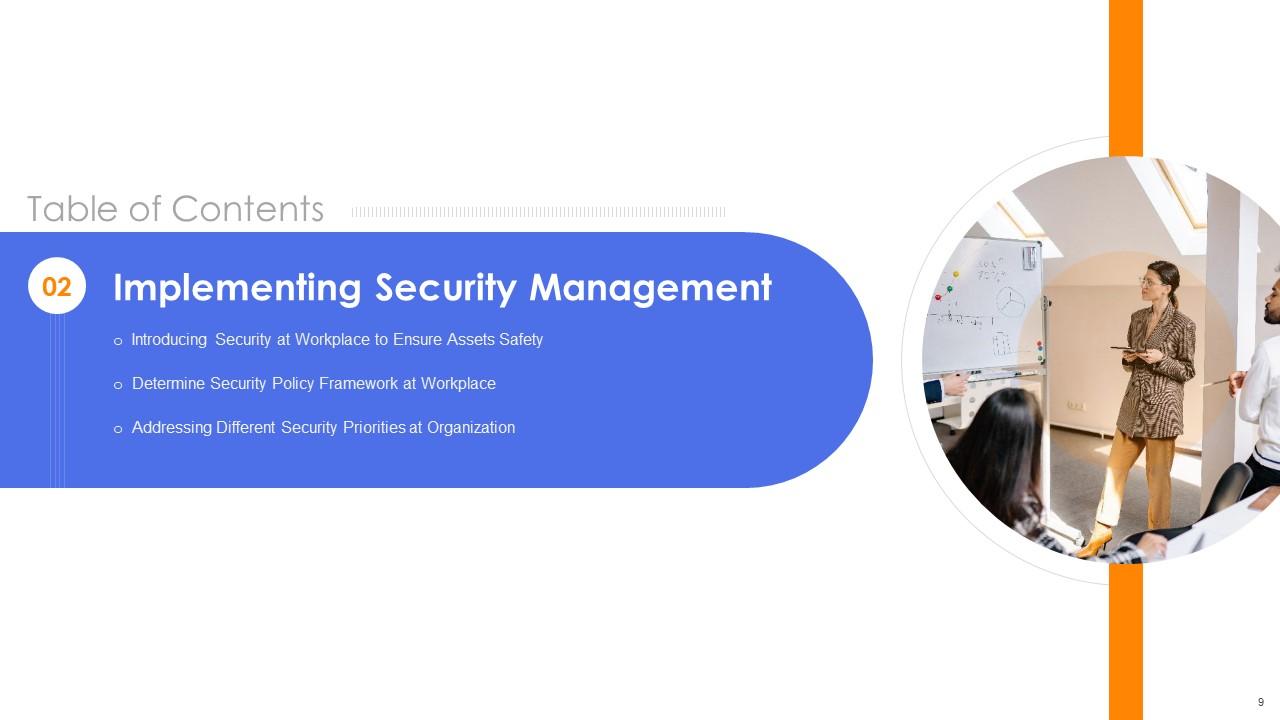
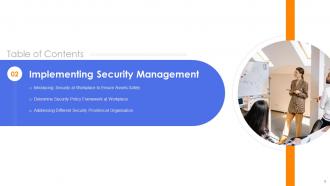
Slide 9: This slide shows Table of Content for the presentation.
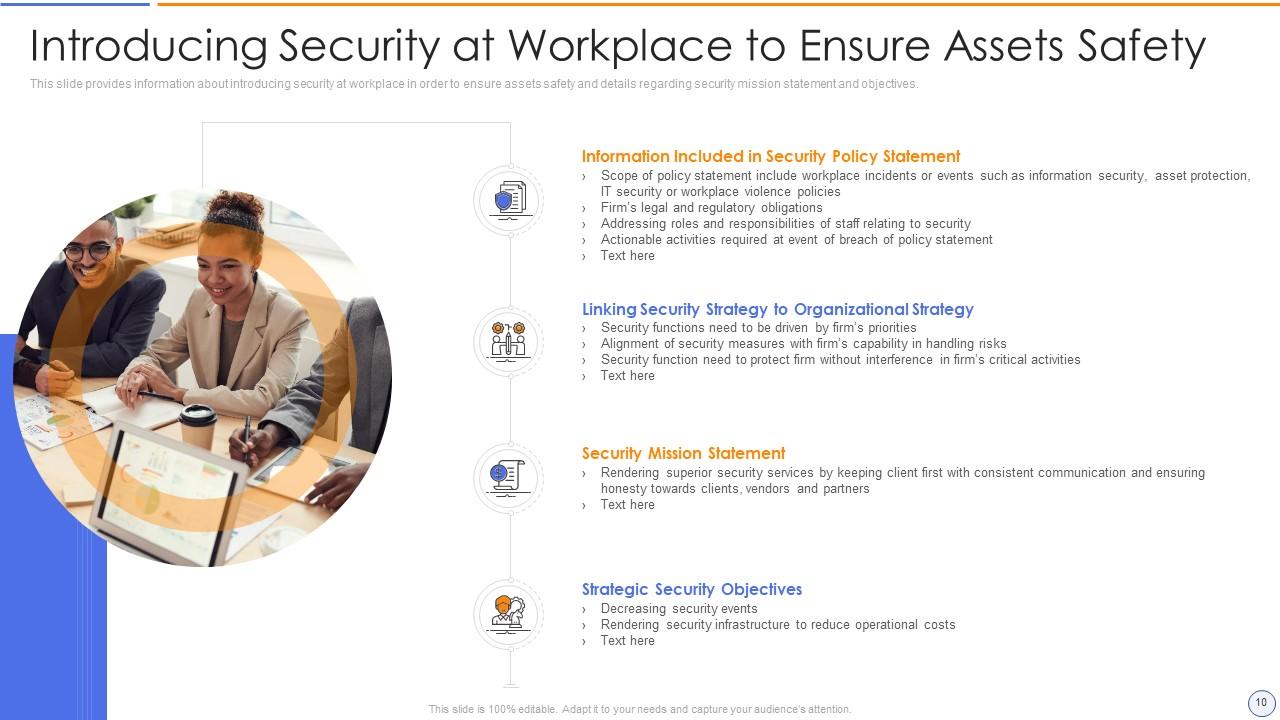
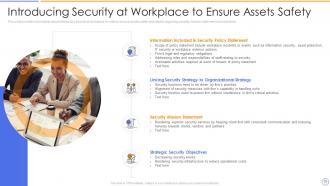
Slide 10: This slide displays information about introducing security at workplace in order to ensure assets safety and details.
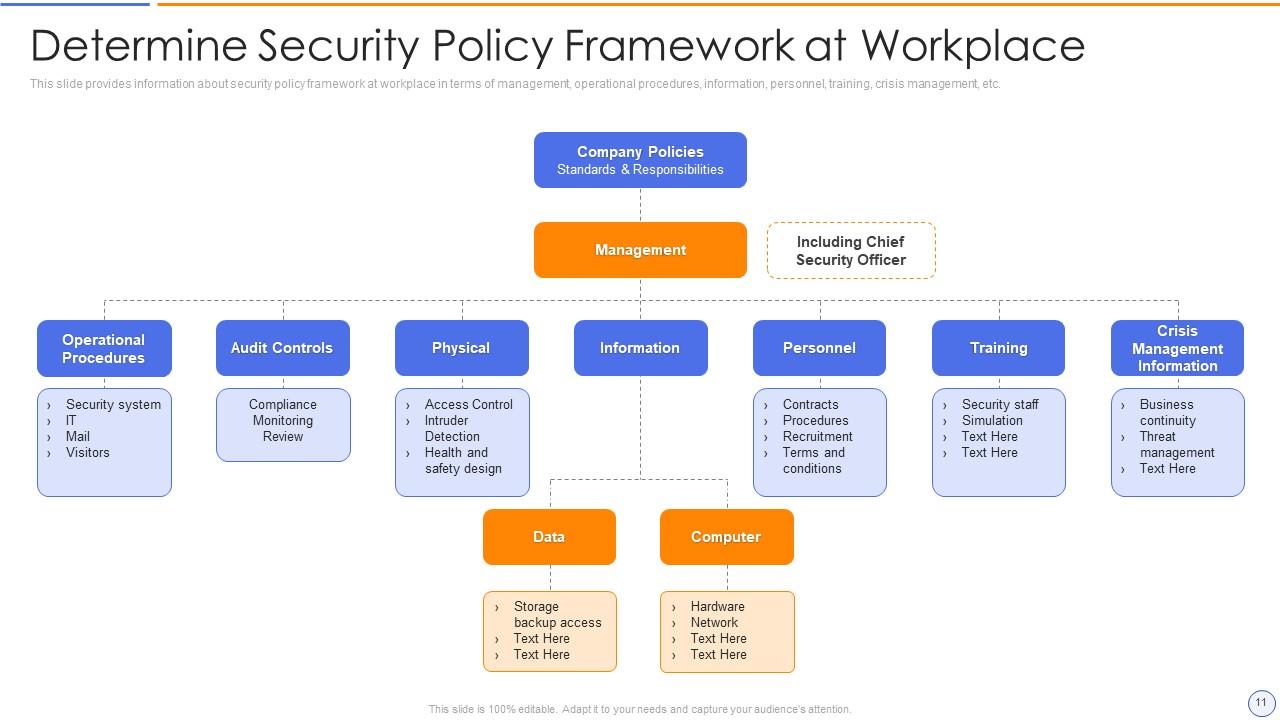
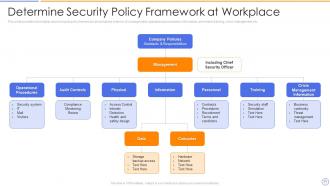
Slide 11: This slide represents security policy framework at workplace in terms of management, operational procedures, etc.
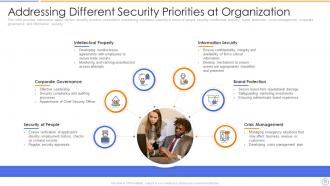
Slide 12: This slide shows Addressing Different Security Priorities at Organization.
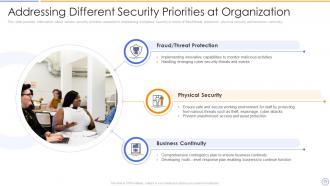
Slide 13: This slide presents security priorities essential in maintaining workplace security in terms of fraud/threat protection.
Slide 14: This slide shows Table of Content for the presentation.
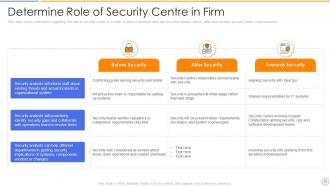
Slide 15: This slide displays role of security center in in order to protect sensitive data.
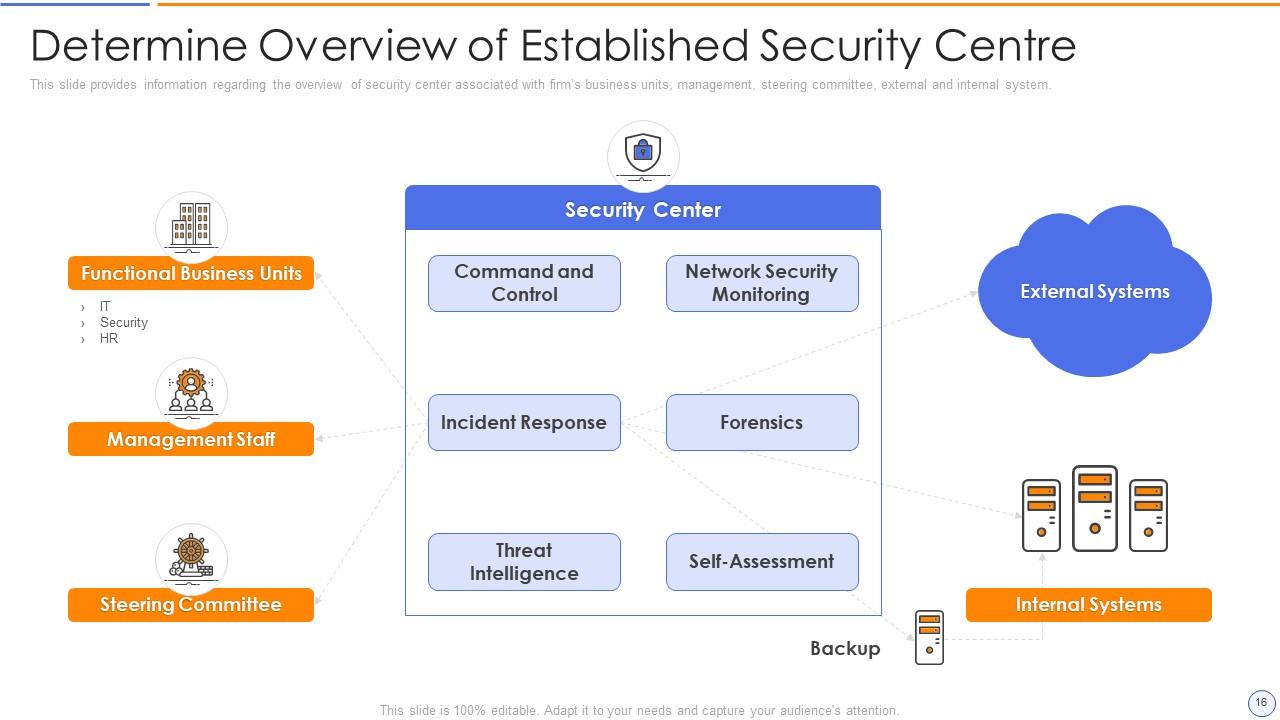
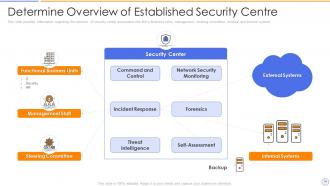
Slide 16: This slide represents Determine Overview of Established Security Centre.
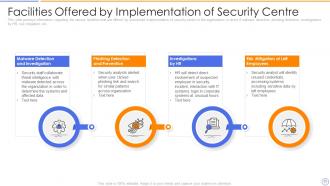
Slide 17: This slide shows Facilities Offered by Implementation of Security Centre.
Slide 18: This slide presents Table of Content for the presentation.
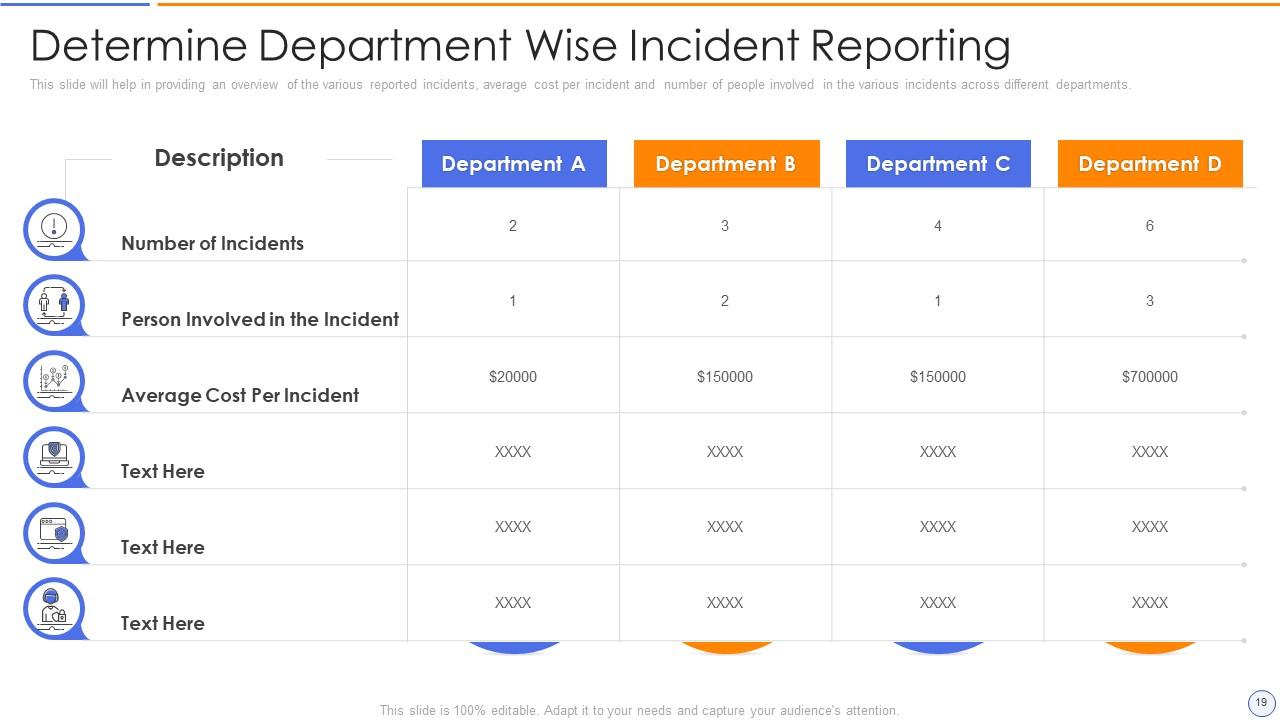
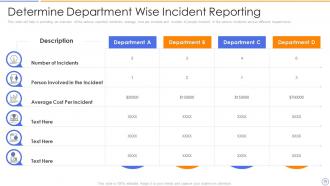
Slide 19: This slide shows Determine Department Wise Incident Reporting.
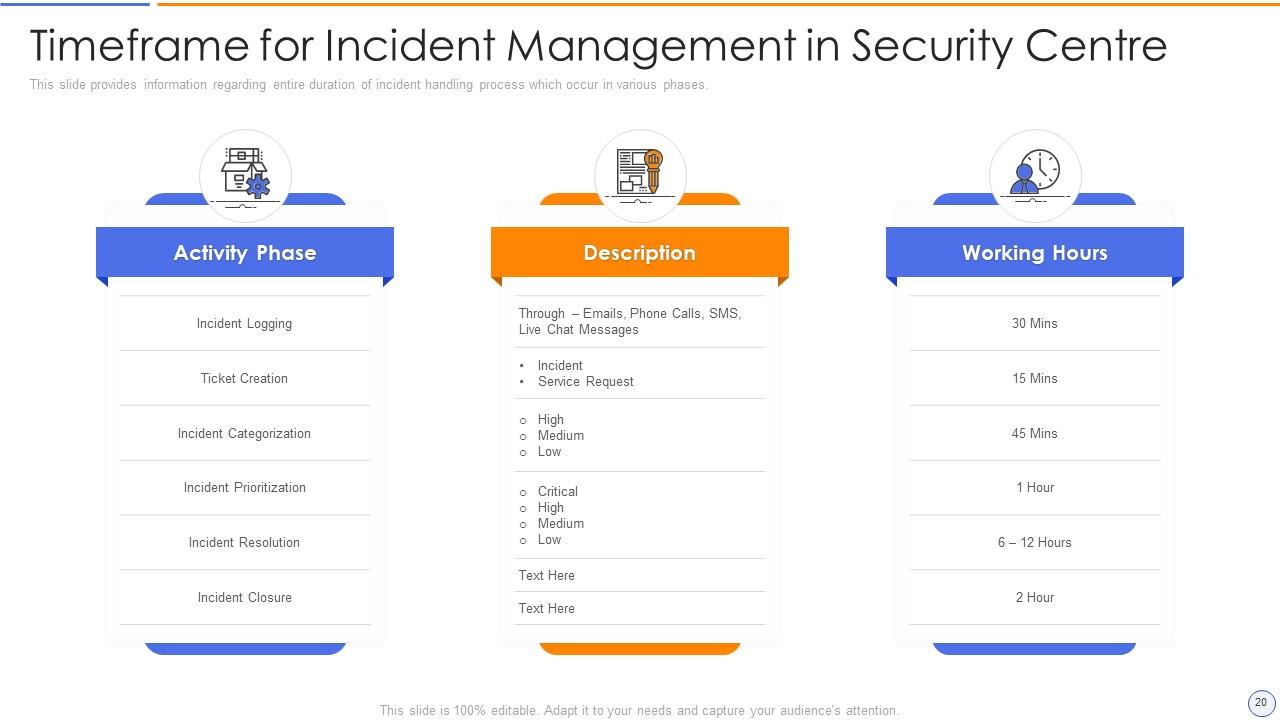
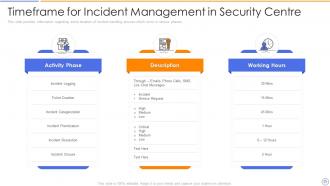
Slide 20: This slide displays Timeframe for Incident Management in Security Centre.
Slide 21: This slide represents Table of Content for the presentation.
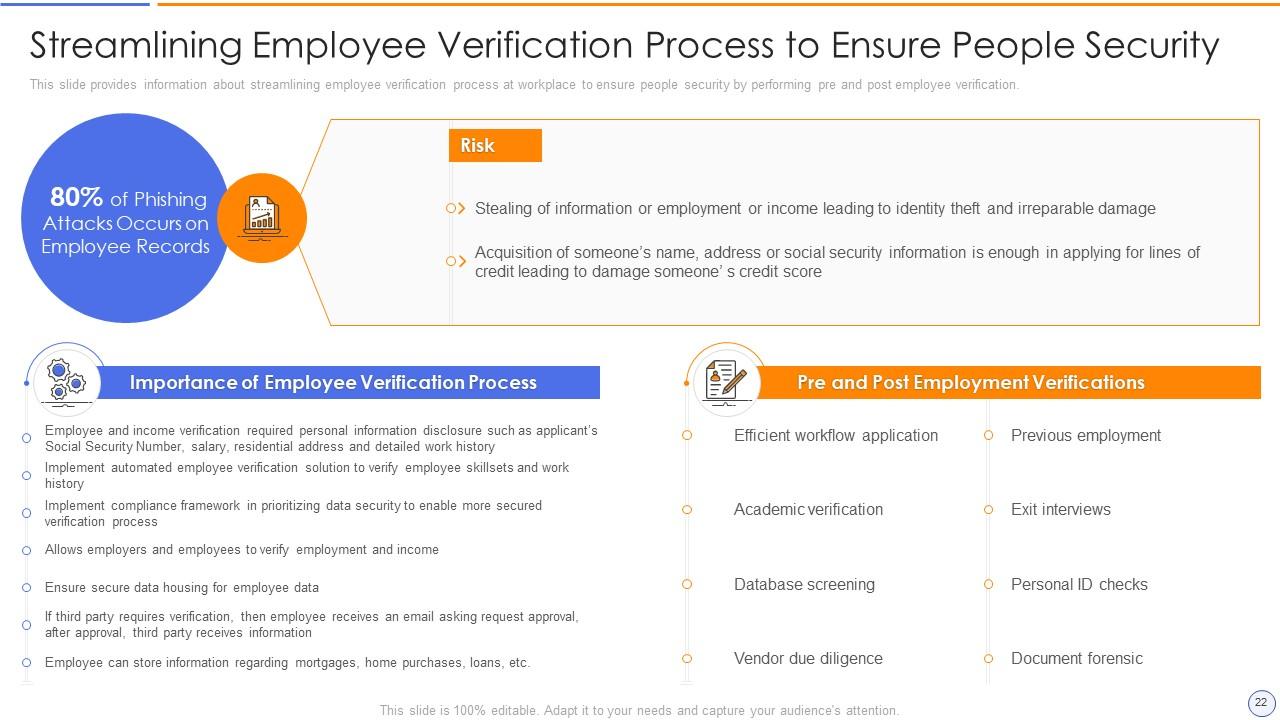
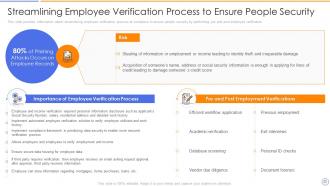
Slide 22: This slide shows Streamlining Employee Verification Process to Ensure People Security.
Slide 23: This slide presents Table of Content highlighting Role of Management in Effective Corporate Security Governance.
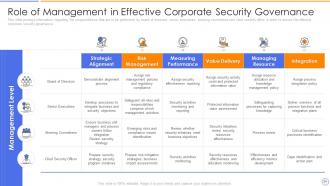
Slide 24: This slide shows Role of Management in Effective Corporate Security Governance.
Slide 25: This slide displays Table of Content highlighting Ensuring Effective Intellectual Property Security.
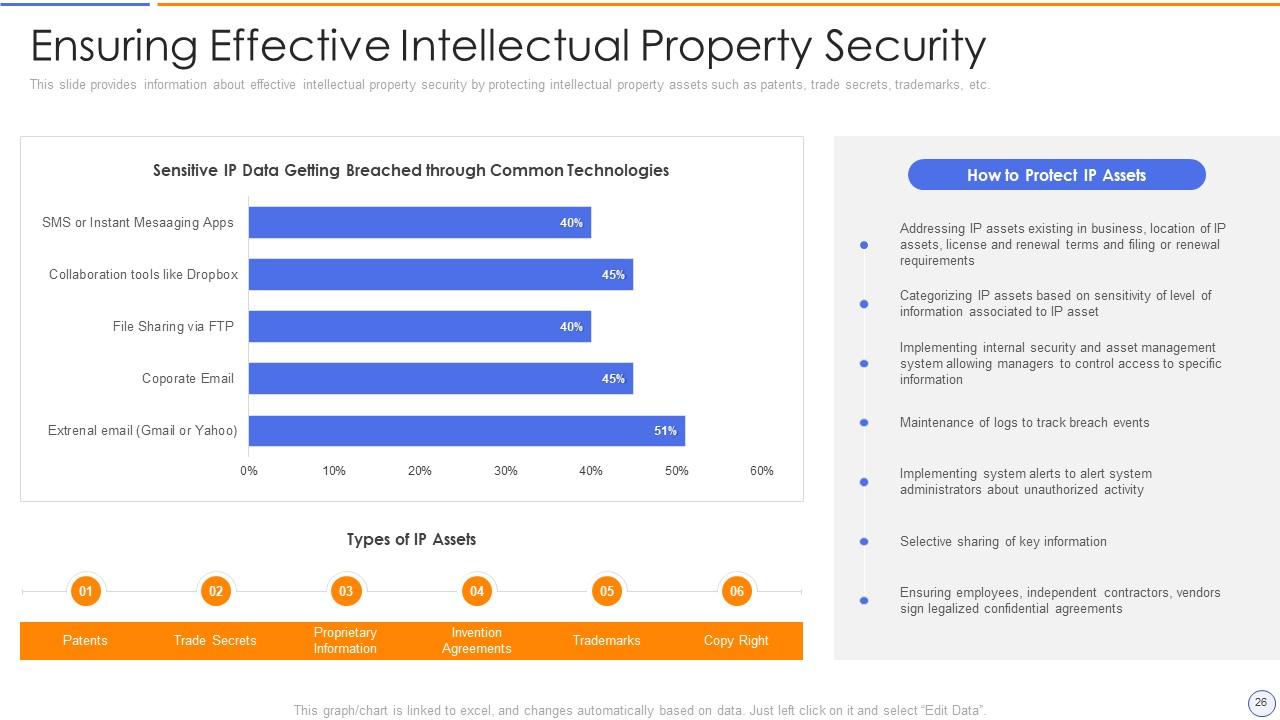
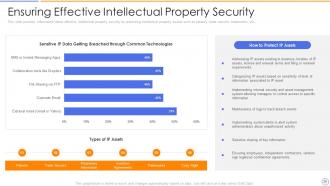
Slide 26: This slide represents effective intellectual property security by protecting intellectual property assets.
Slide 27: This slide shows Table of Content highlighting Information Security Process to Manage Firm’s Sensitive Data.
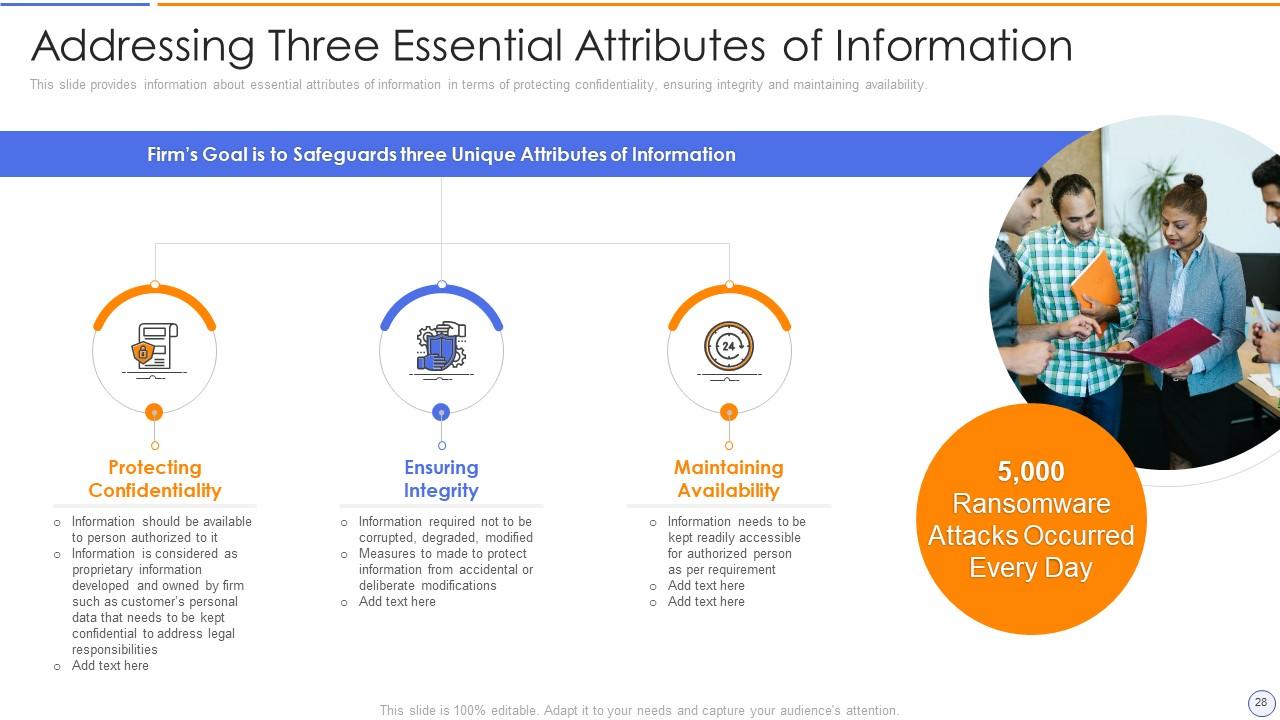
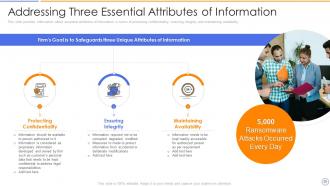
Slide 28: This slide presents essential attributes of information in terms of protecting confidentiality, ensuring integrity, etc.
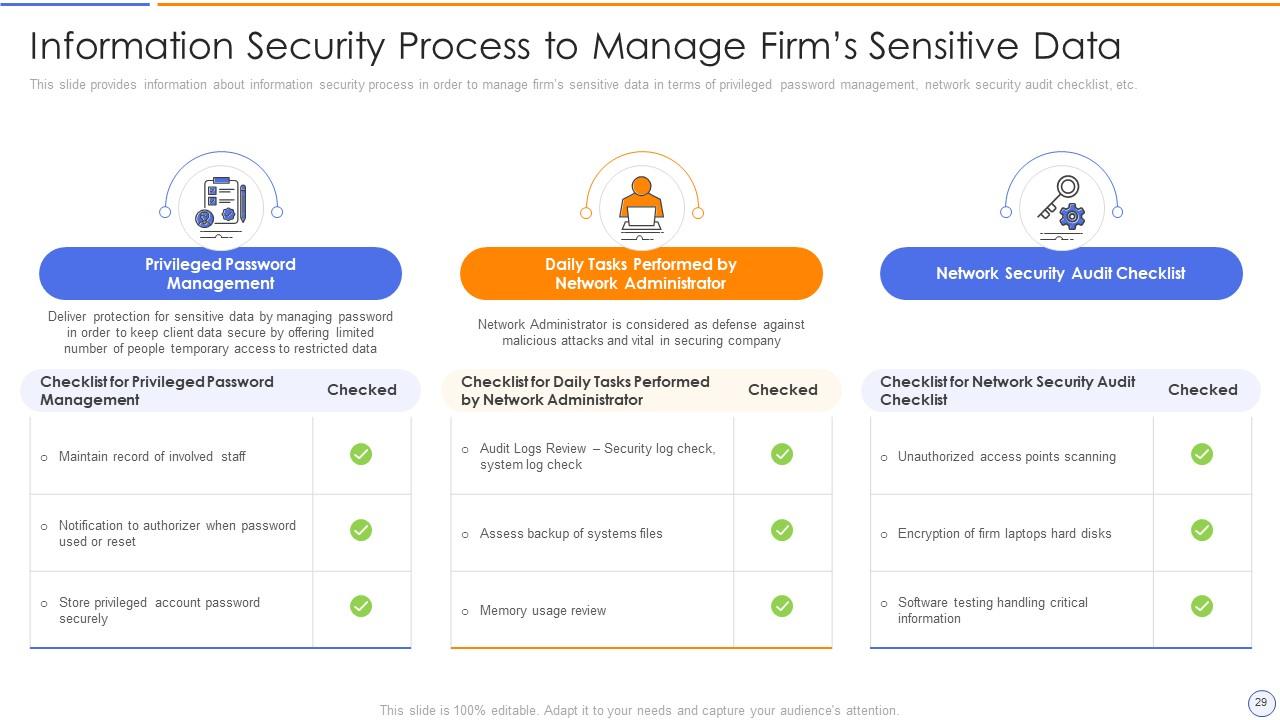
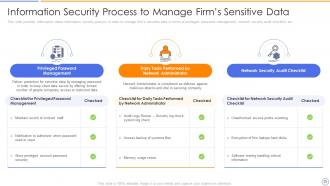
Slide 29: This slide shows Information Security Process to Manage Firm’s Sensitive Data.
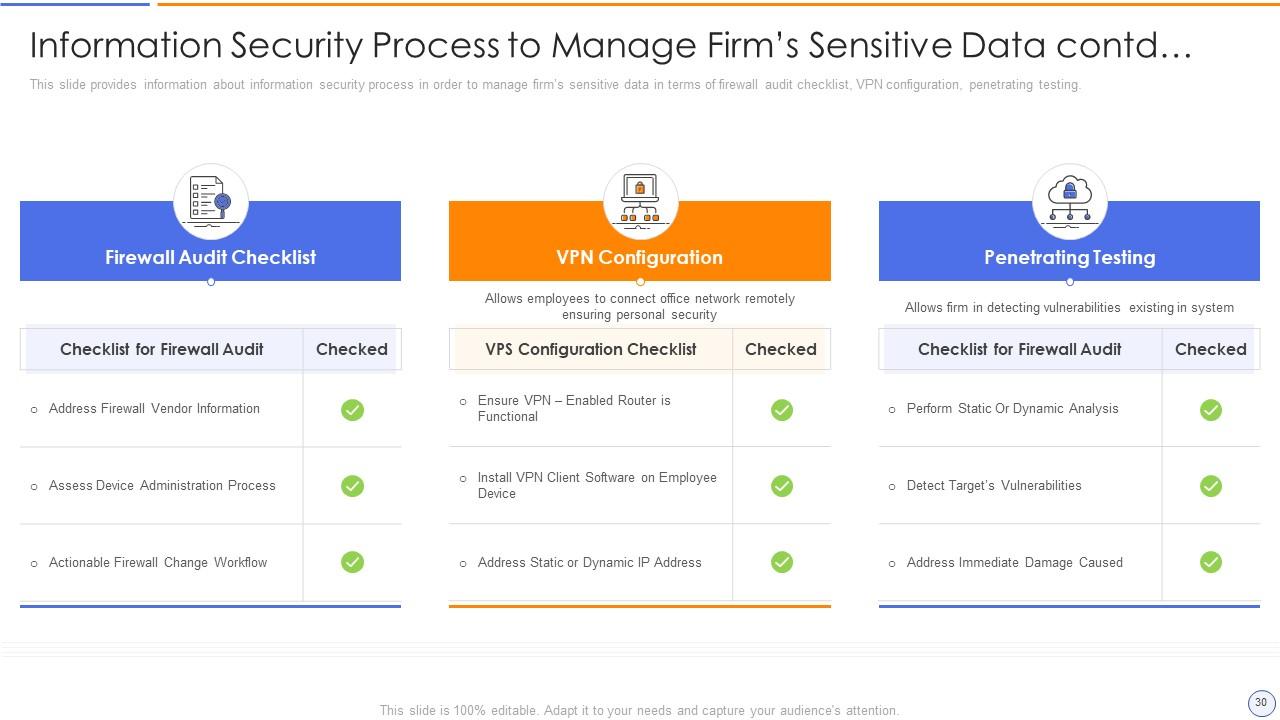
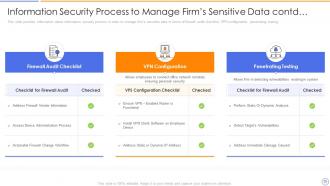
Slide 30: This is another slide continuing Information Security Process to Manage Firm’s Sensitive Data.
Slide 31: This slide represents Table of Content highlighting Elevating Brand Protection Strategy.
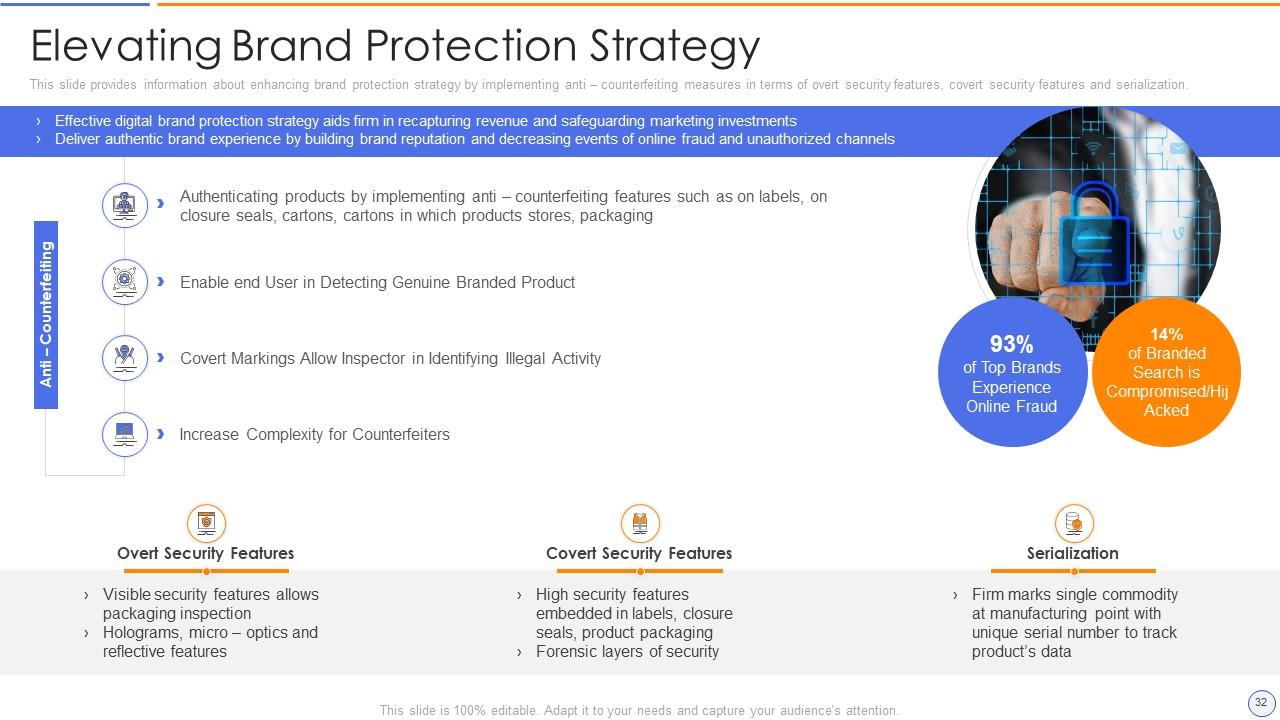
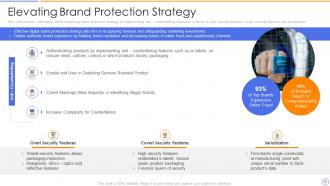
Slide 32: This slide shows information about enhancing brand protection strategy by implementing anti – counterfeiting measures.
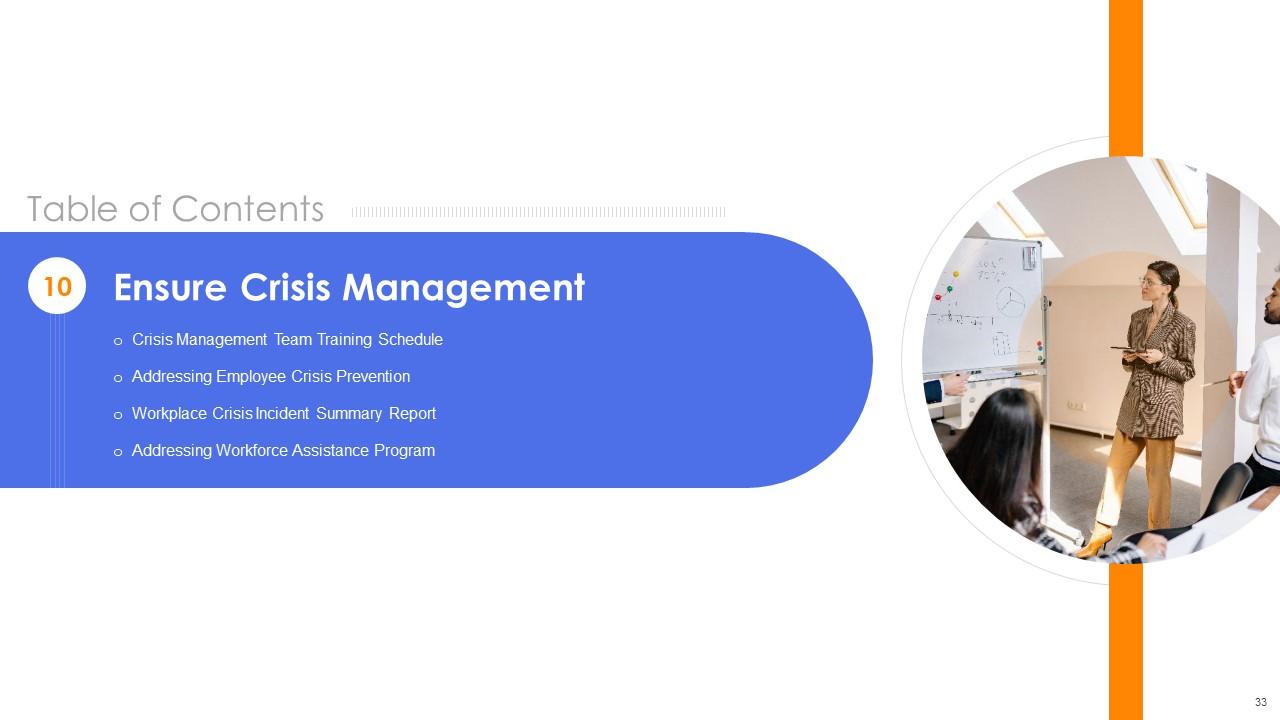
Slide 33: This slide presents Table of Content for the presentation.
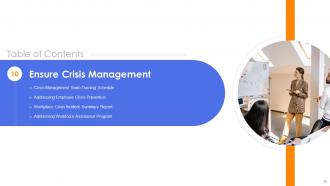
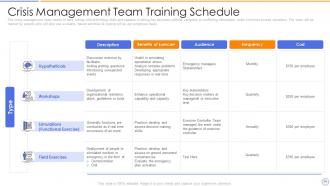
Slide 34: This slide shows strong critical thinking skills and capable in taking key decisions.
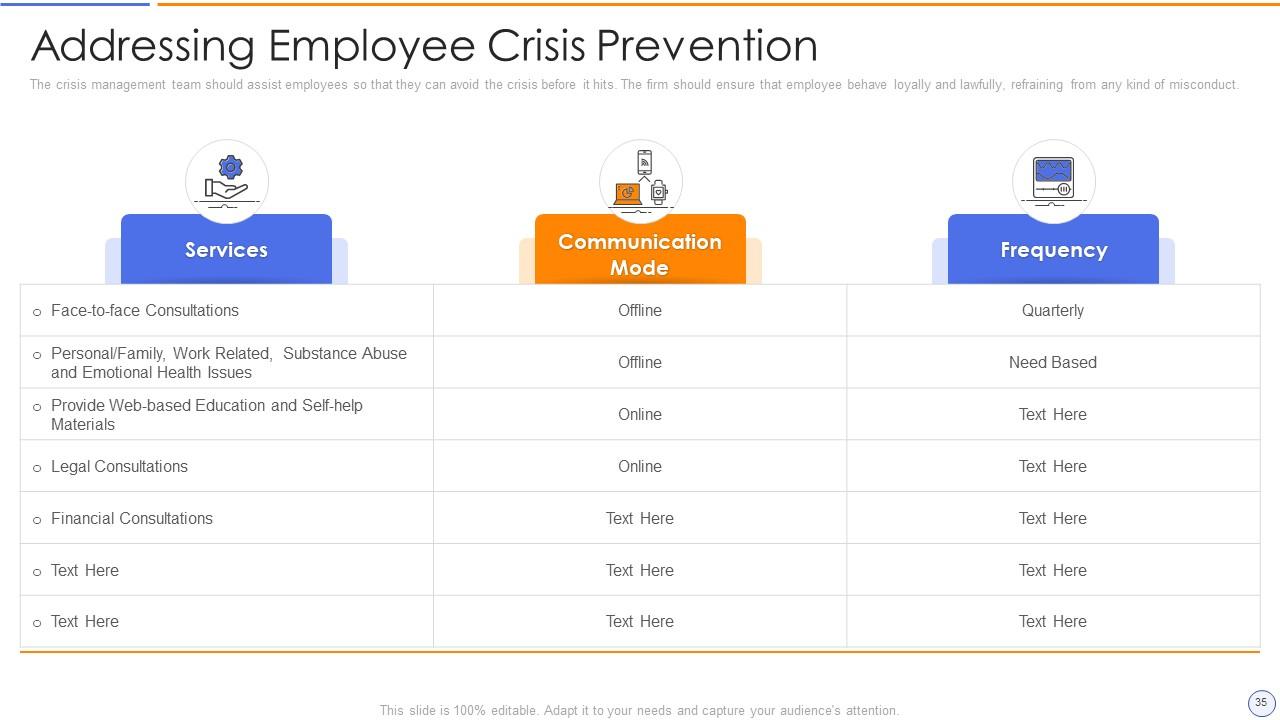
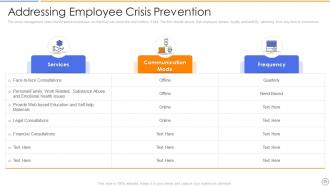
Slide 35: This slide displays Addressing Employee Crisis Prevention to avoid the crisis before it hits.
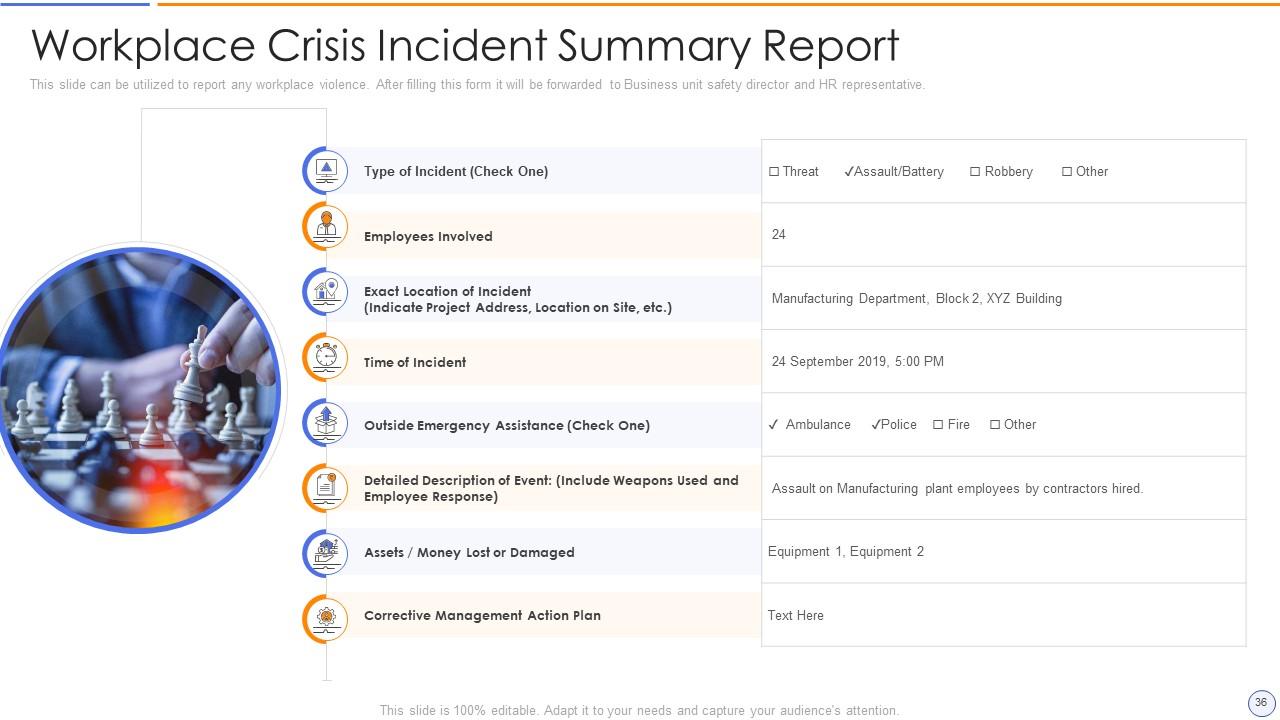
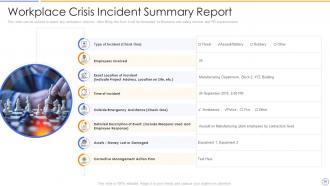
Slide 36: This slide represents Workplace Crisis Incident Summary Report.
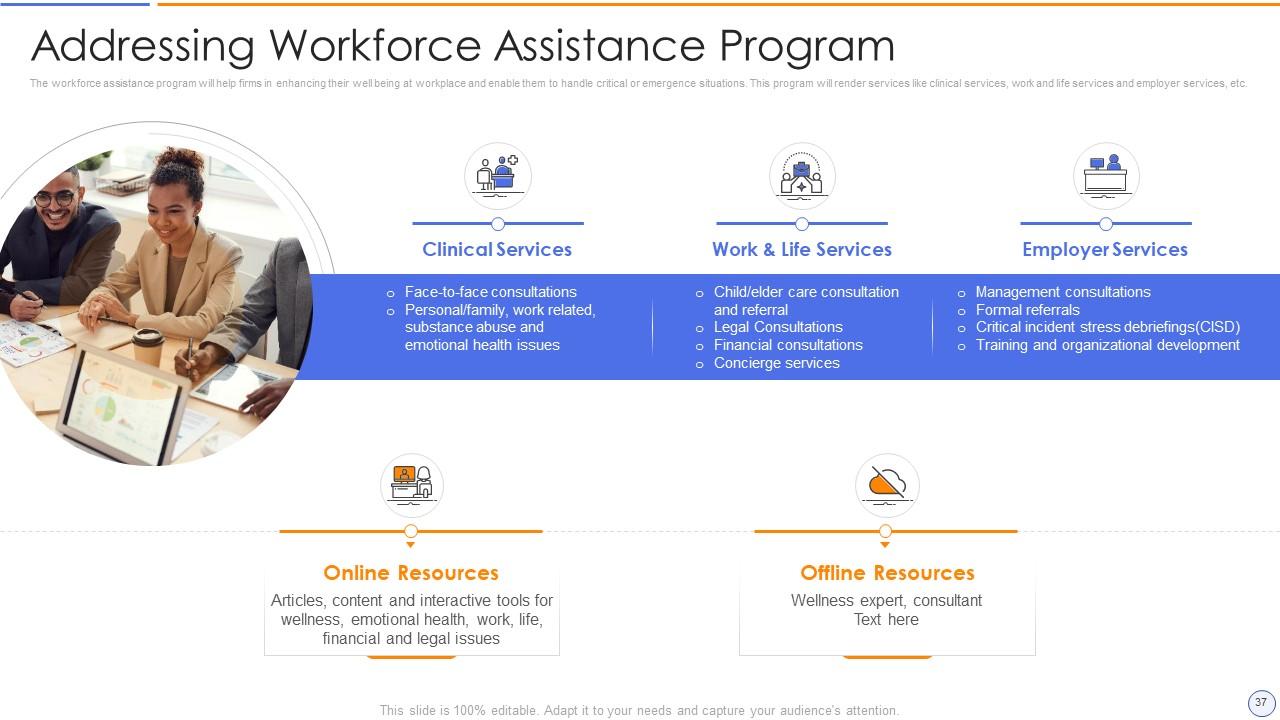
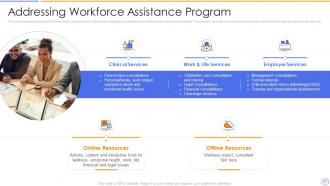
Slide 37: This slide shows workforce assistance program will help firms in enhancing their well being at workplace.
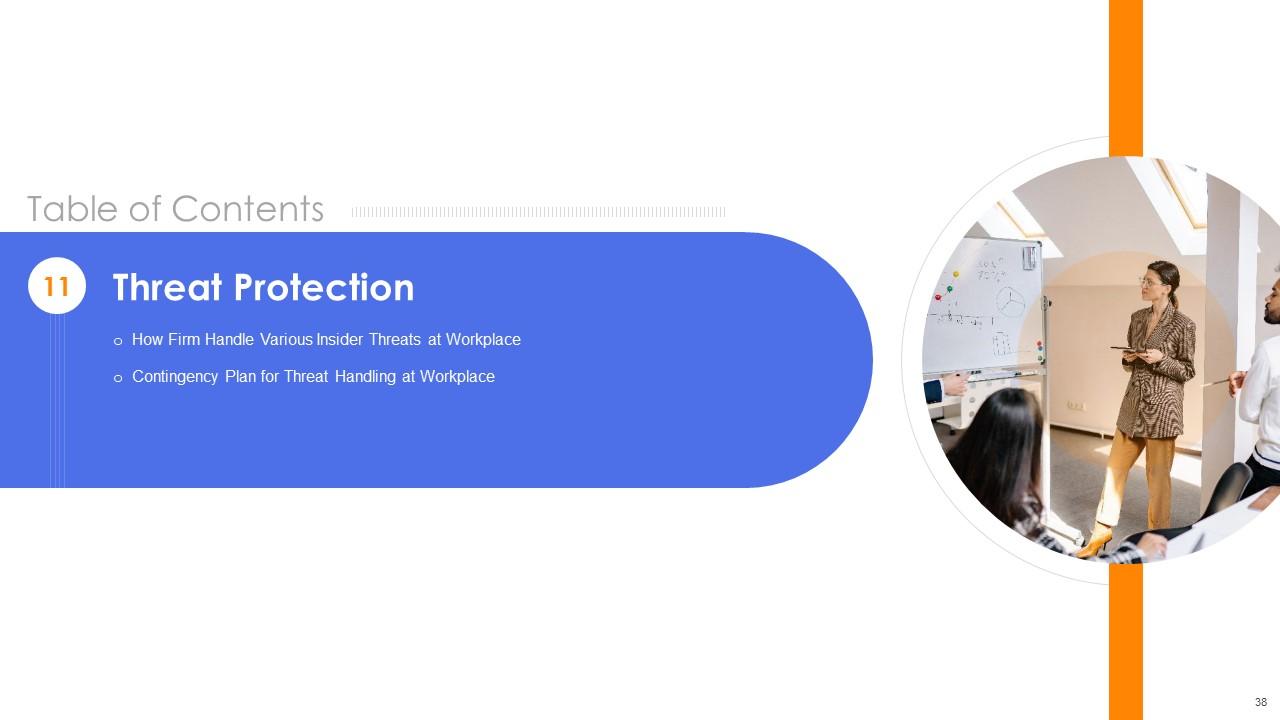
Slide 38: This slide presents Table of Content for the presentation.
Slide 39: This slide shows How Firm Handle Various Insider Threats at Workplace.
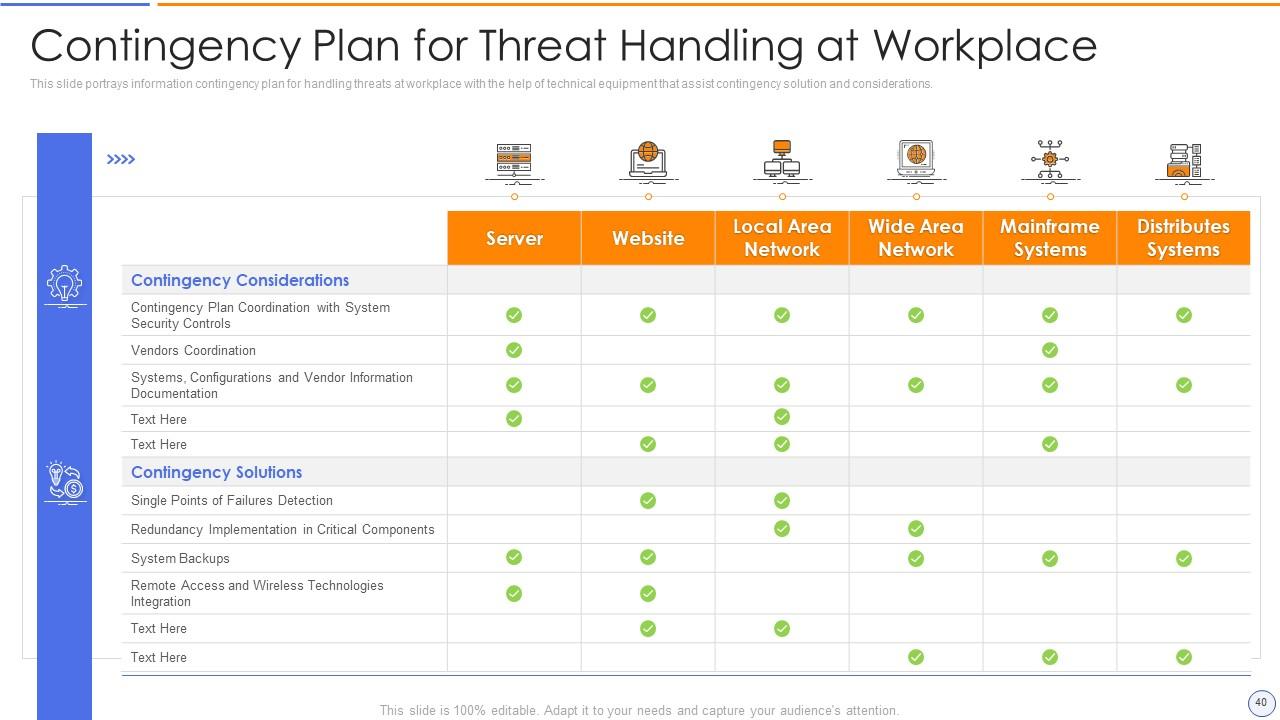
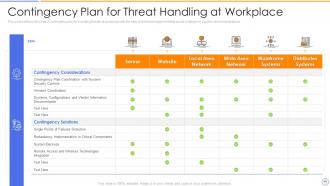
Slide 40: This slide displays Contingency Plan for Threat Handling at Workplace.
Slide 41: This slide represents Table of Content for the presentation.
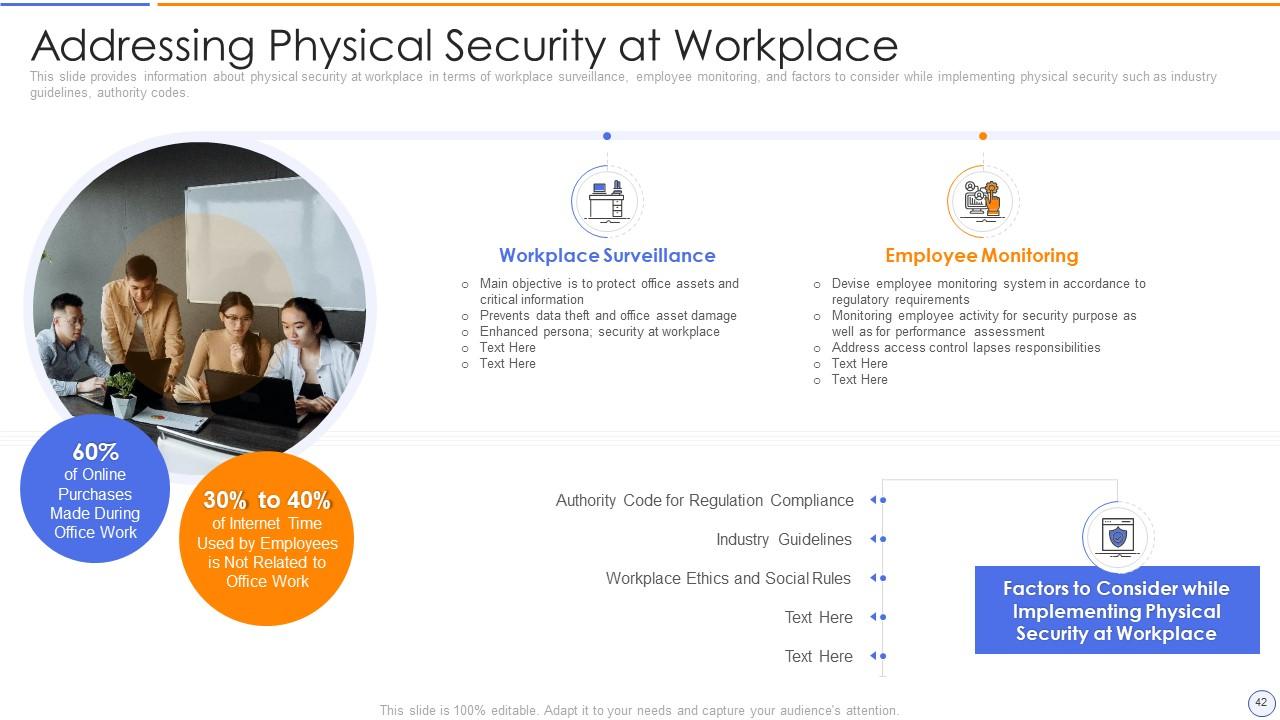
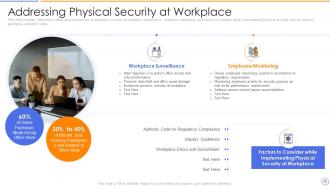
Slide 42: This slide shows physical security at workplace in terms of workplace surveillance, employee monitoring, etc.
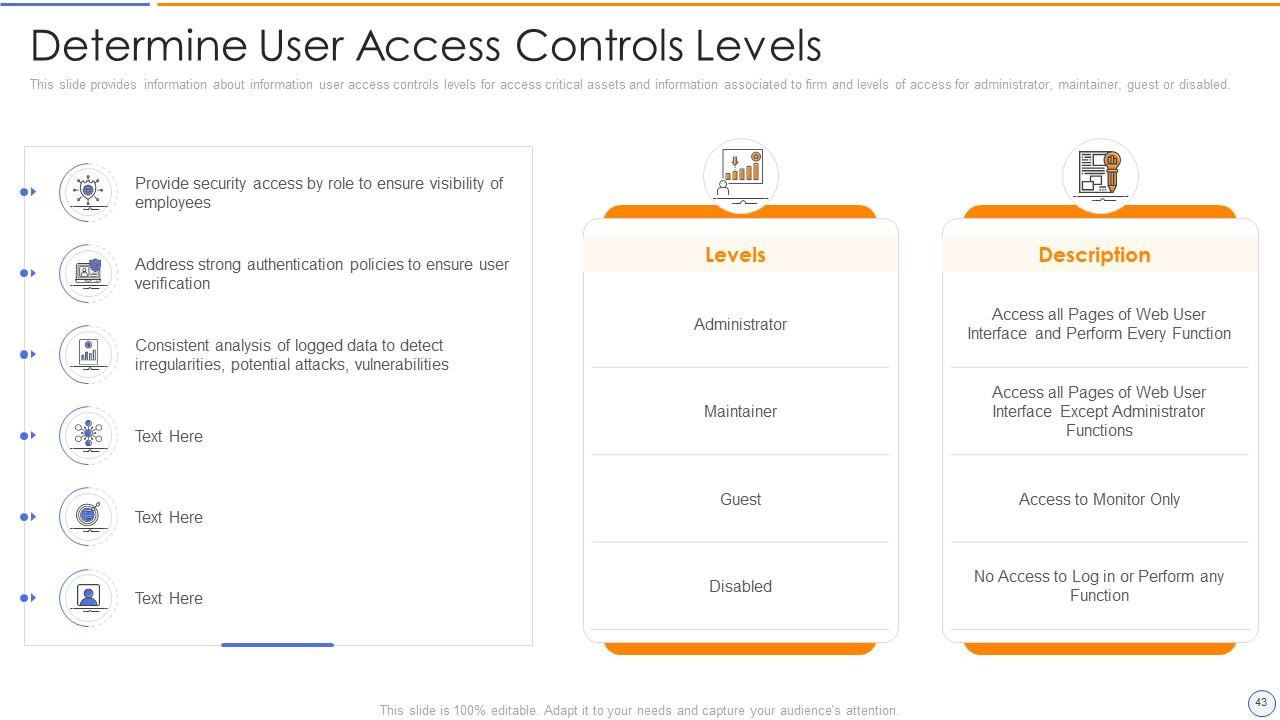
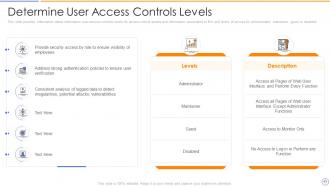
Slide 43: This slide presents information user access controls levels for access critical assets and information associated to firm.
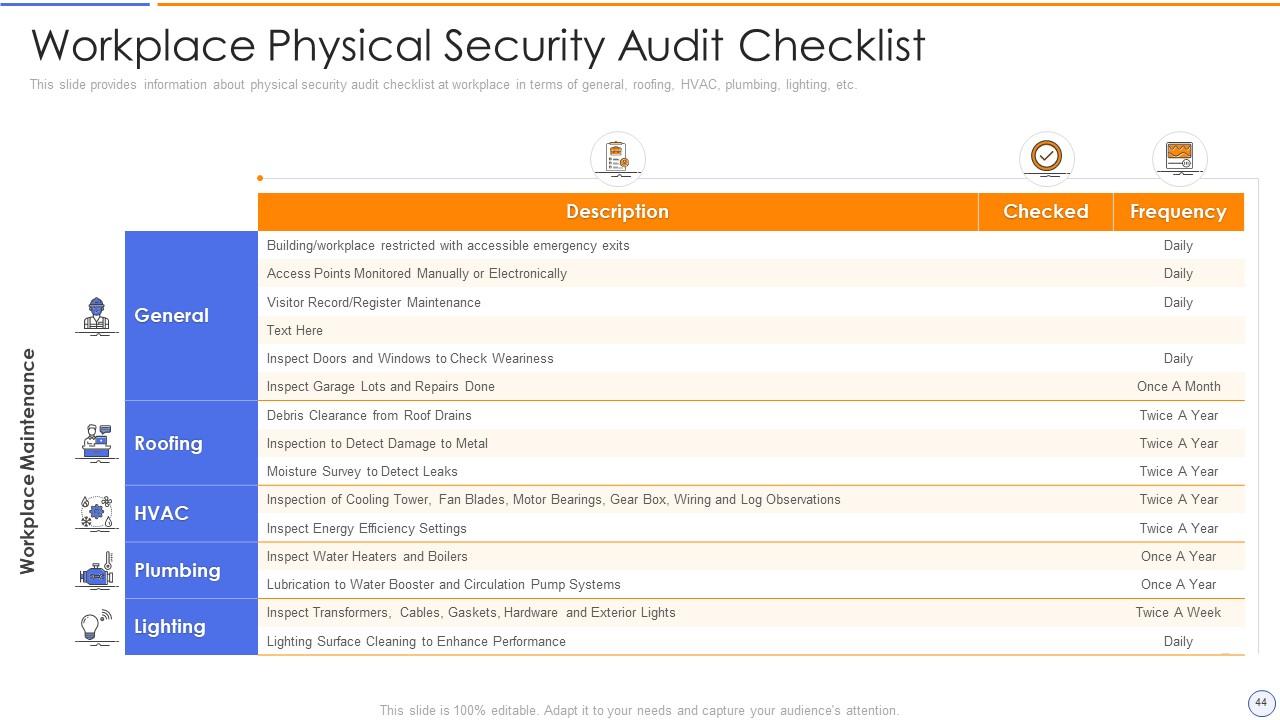
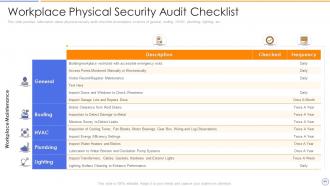
Slide 44: This slide shows information about physical security audit checklist at workplace.
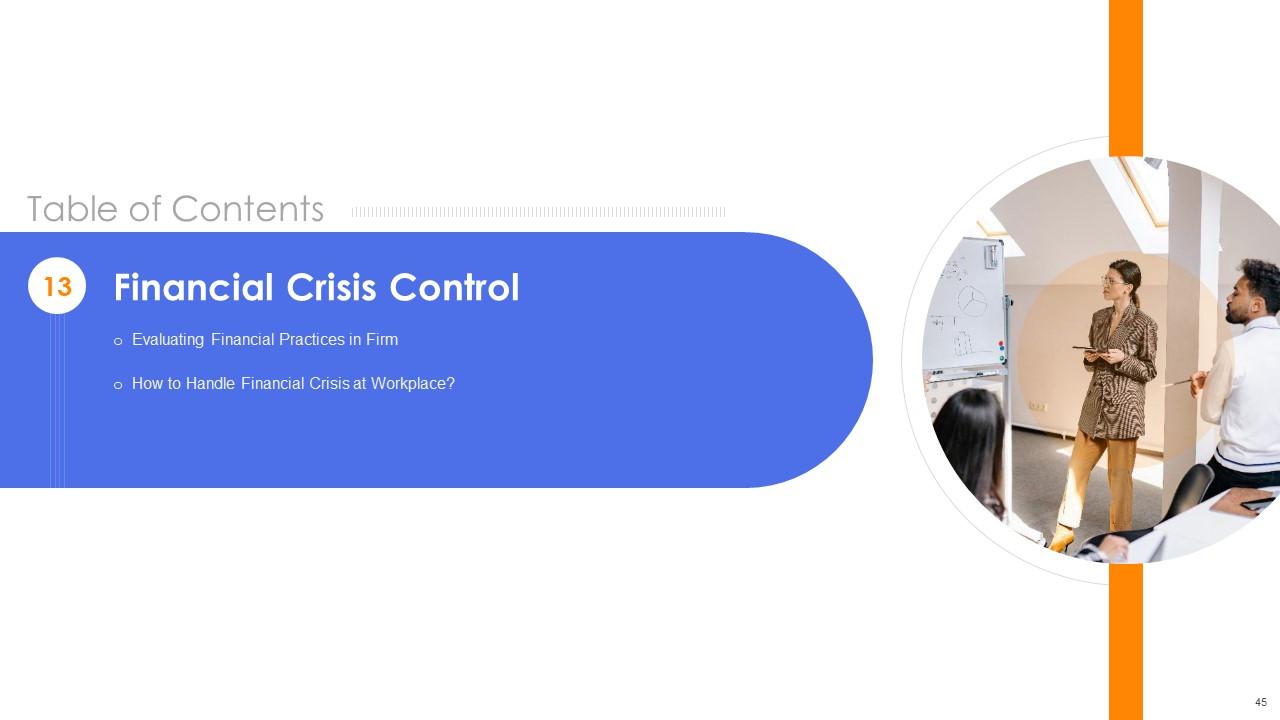
Slide 45: This slide displays Table of Content for the presentation.
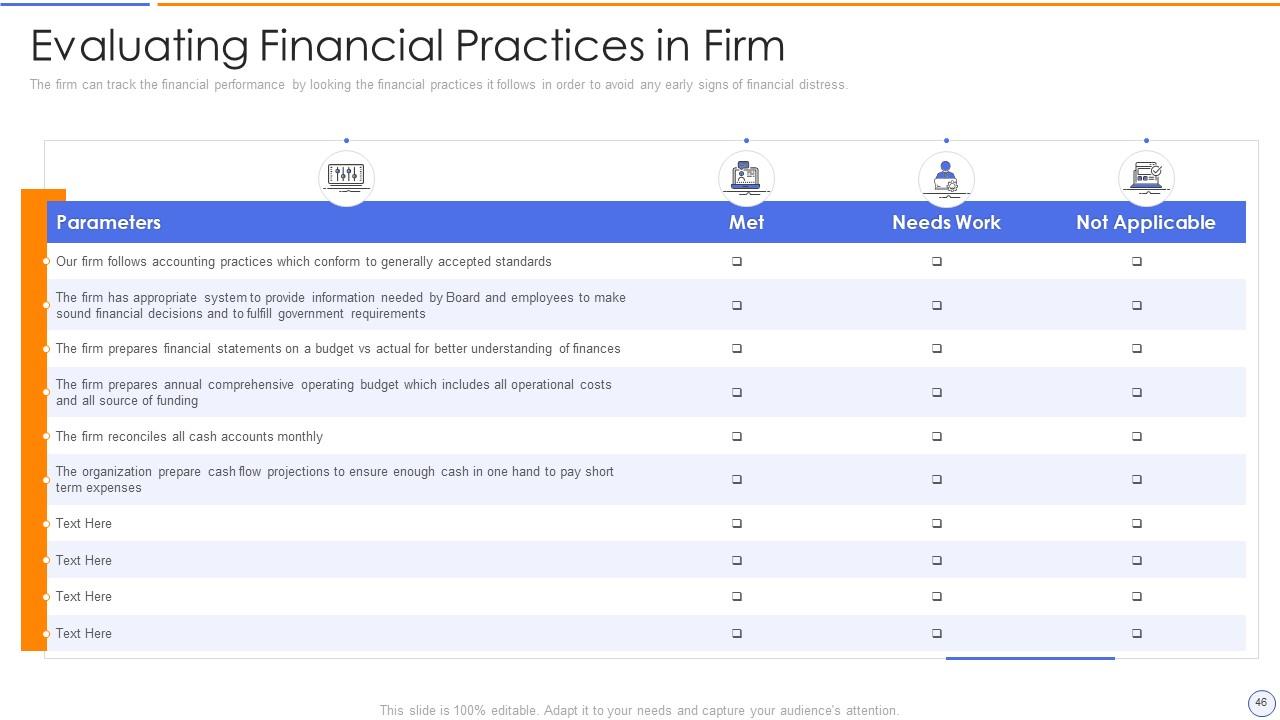
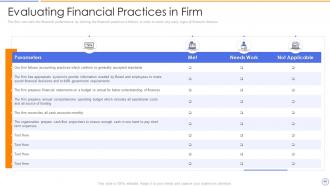
Slide 46: This slide represents Evaluating Financial Practices in Firm.
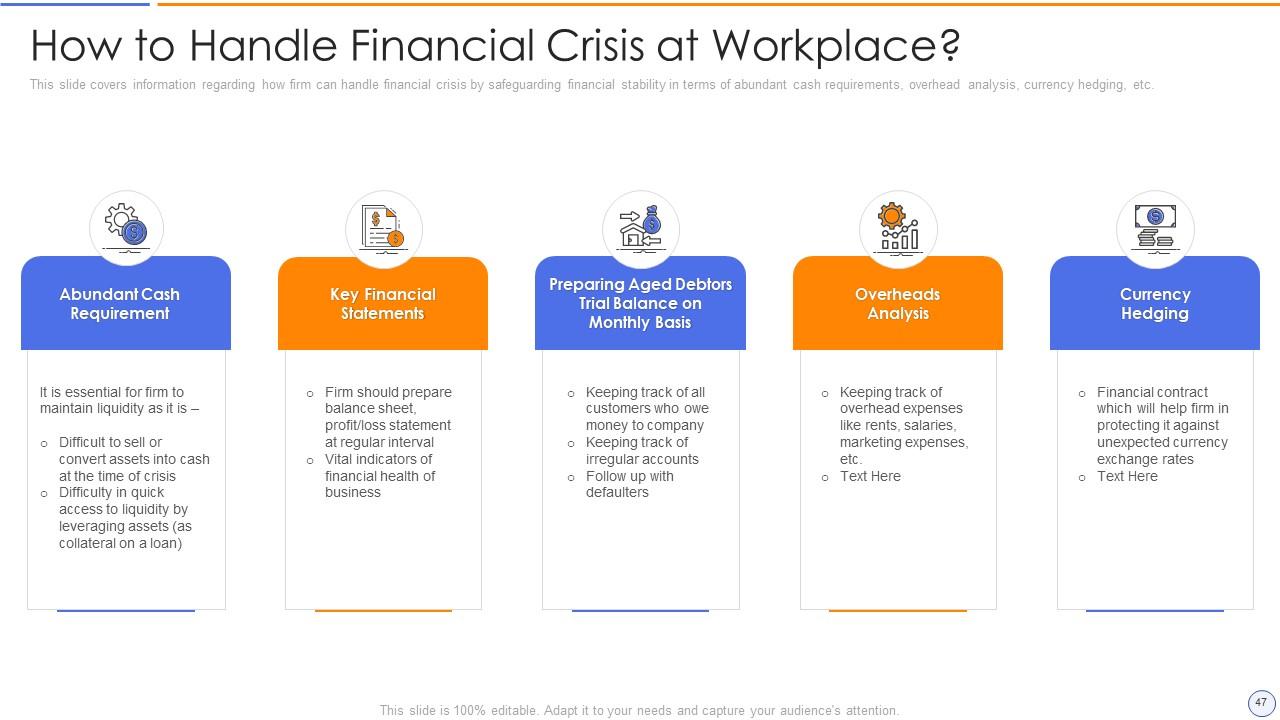
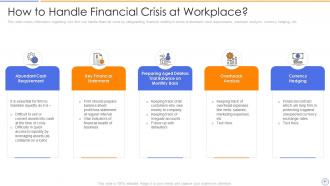
Slide 47: This slide shows how firm can handle financial crisis by safeguarding financial stability in terms of abundant cash requirements, overhead analysis, currency hedging, etc.
Slide 48: This slide presents Table of Content for the presentation.
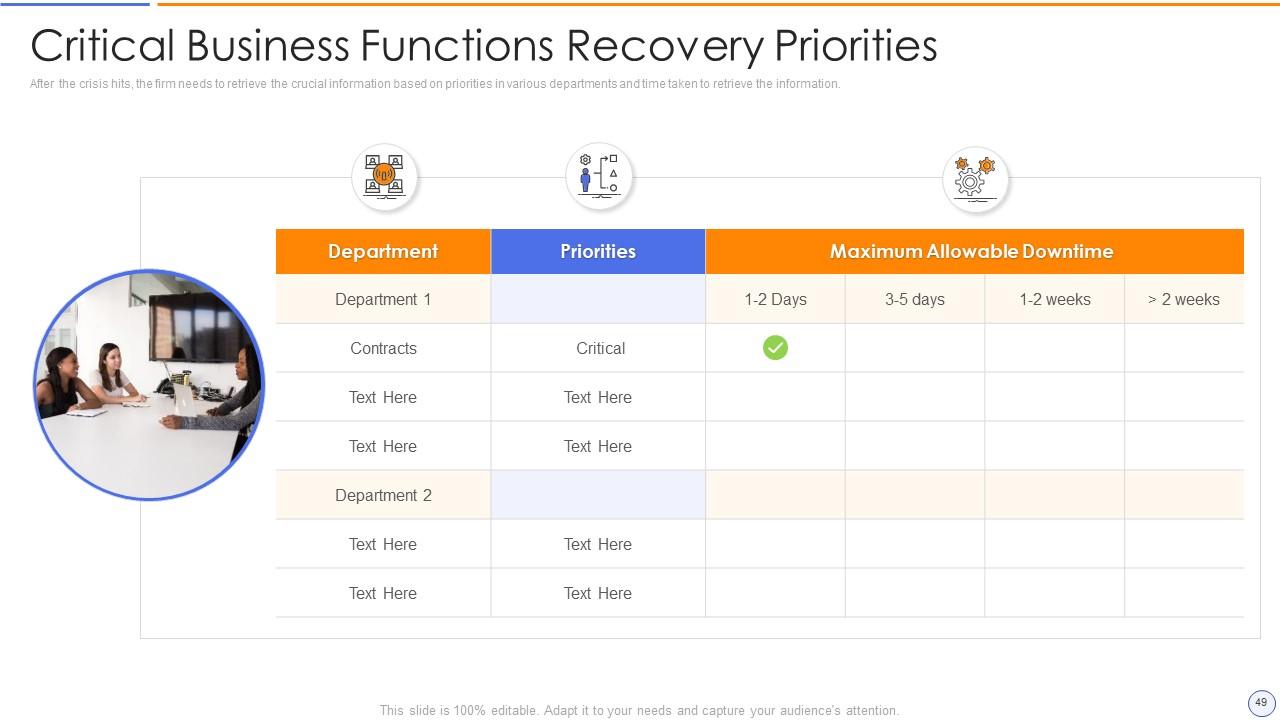
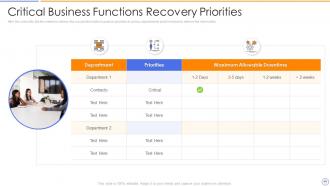
Slide 49: This slide shows Critical Business Functions Recovery Priorities.
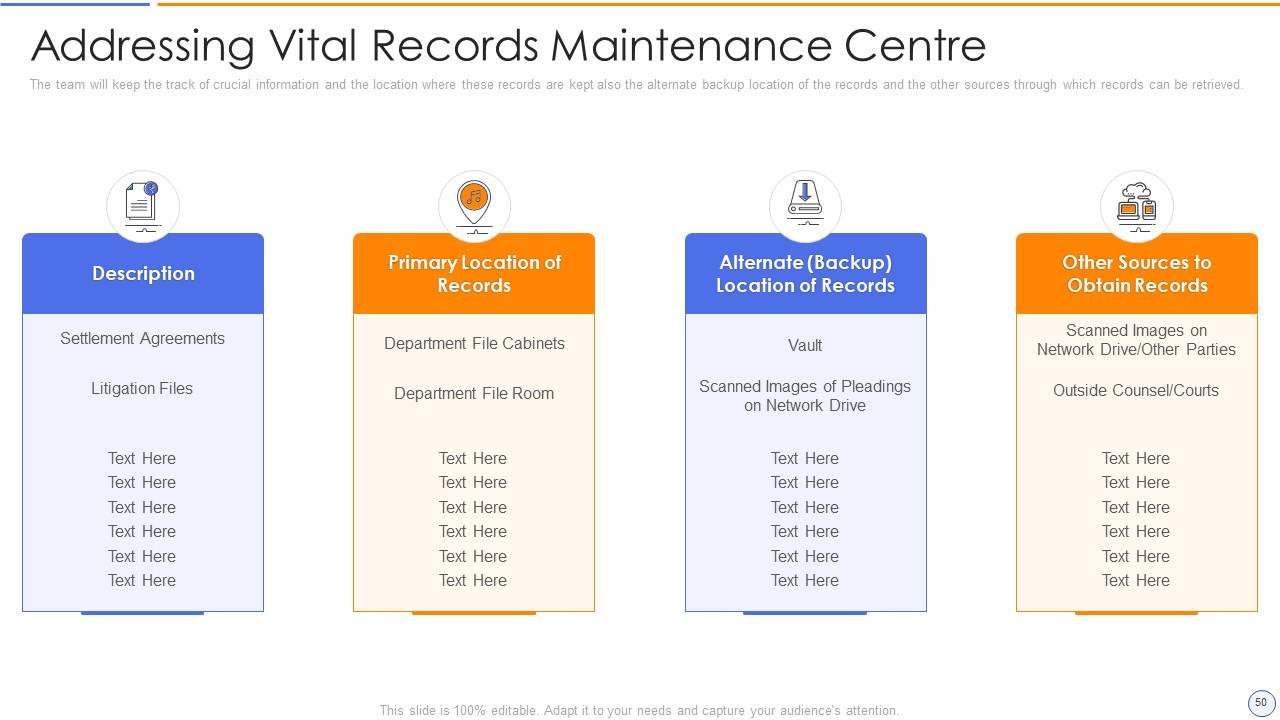
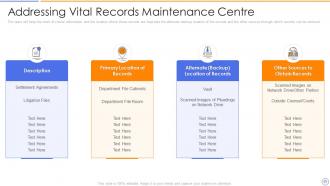
Slide 50: This slide displays Addressing Vital Records Maintenance Centre.
Slide 51: This slide represents Table of Content for the presentation.
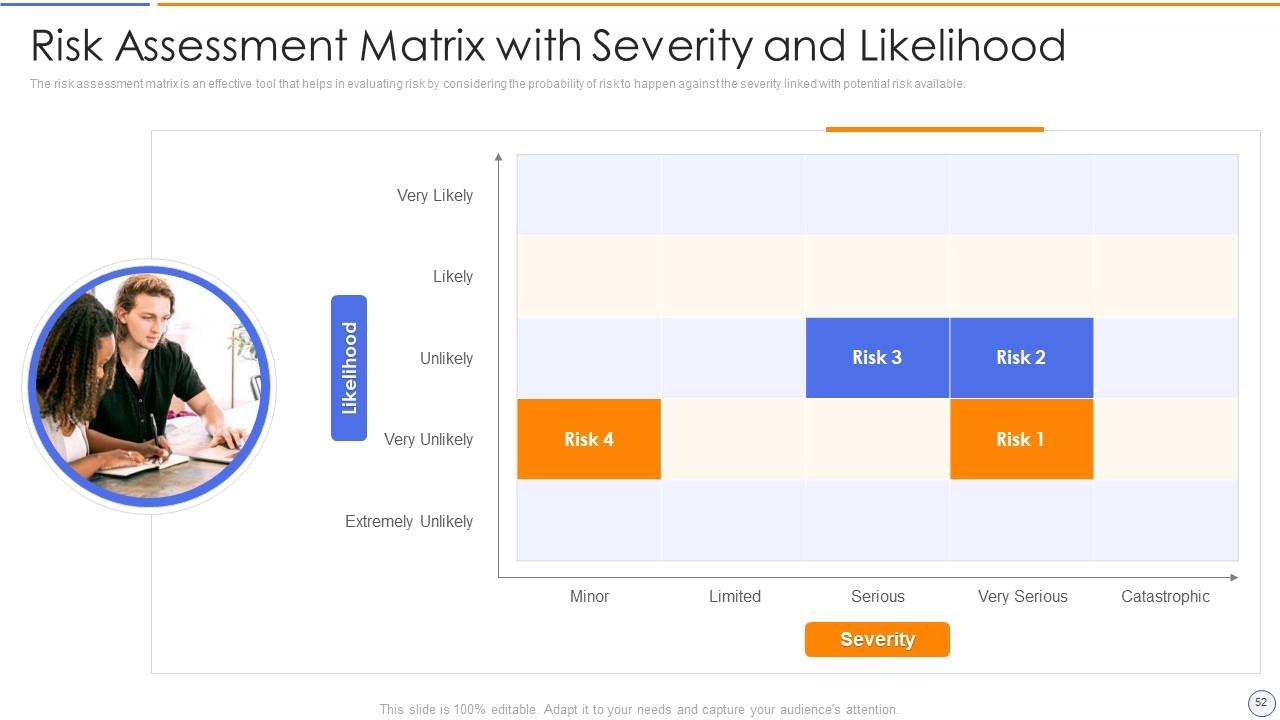
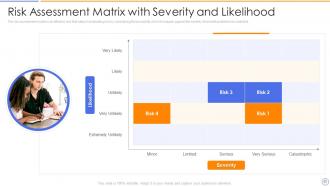
Slide 52: This slide shows Risk Assessment Matrix with Severity and Likelihood.
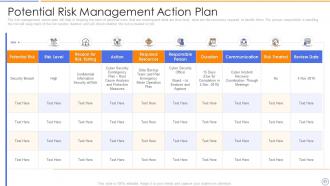
Slide 53: This slide presents risk management action plan twill help in keeping the track of potential risks.
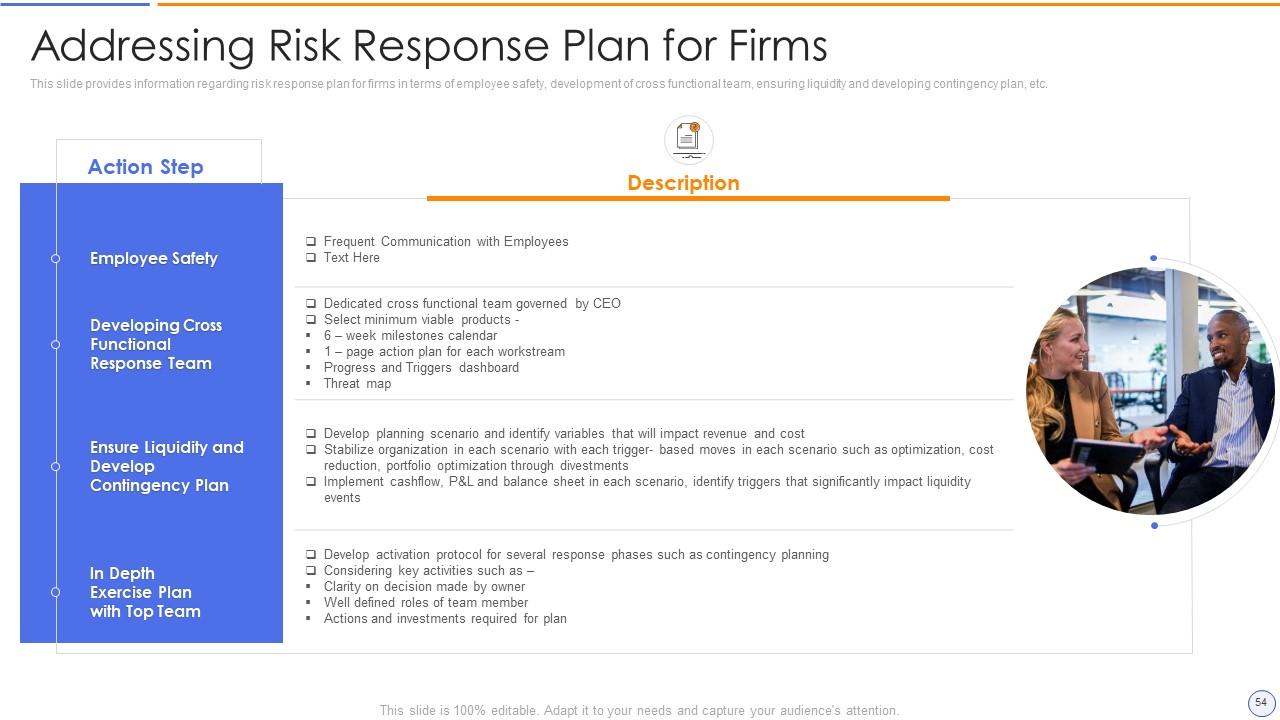
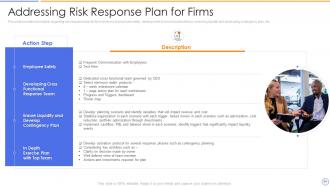
Slide 54: This slide shows risk response plan for firms in terms of employee safety, development of cross functional team, etc.
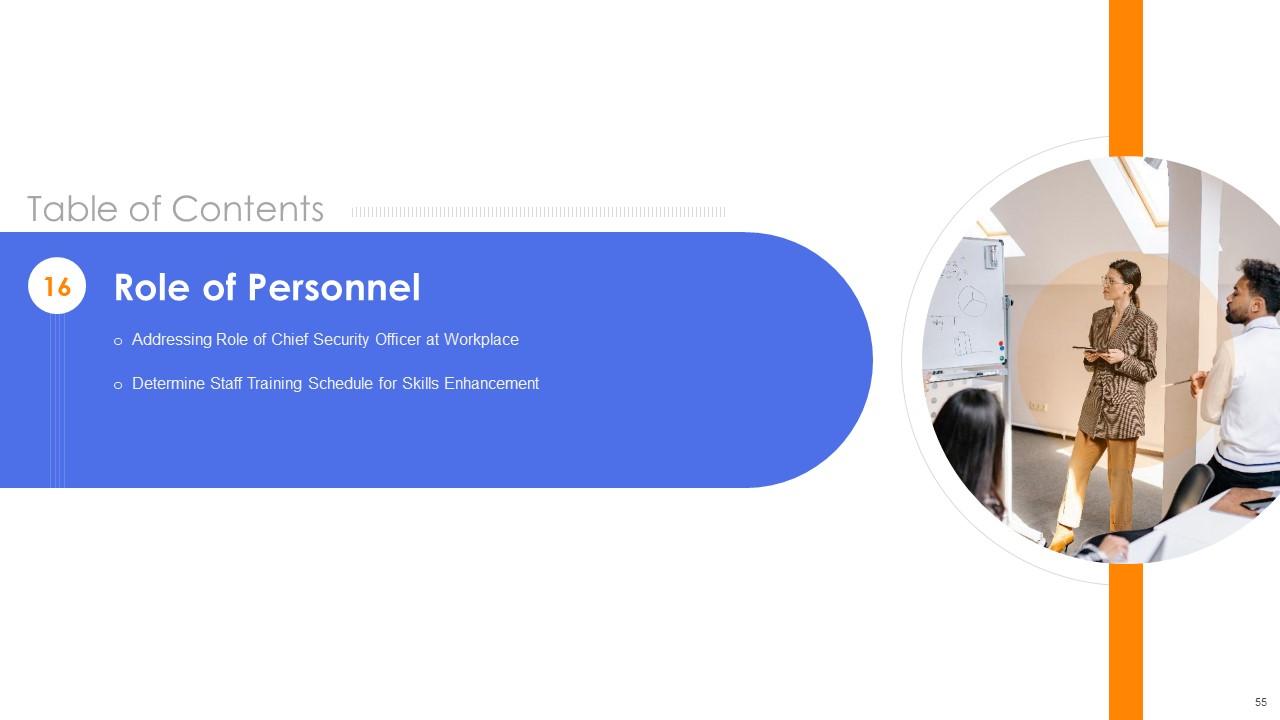
Slide 55: This slide displays Table of Content for the presentation.
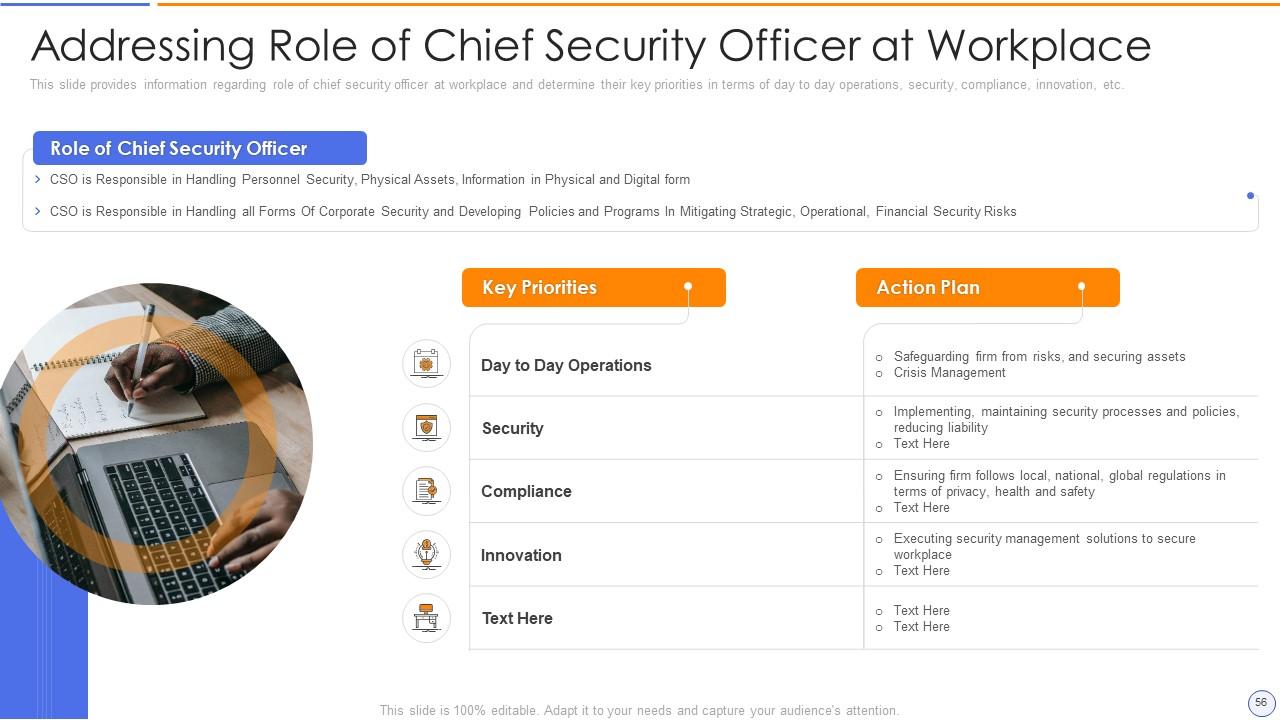
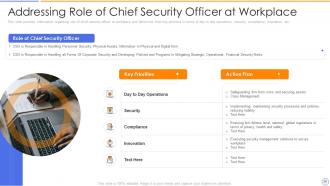
Slide 56: This slide represents Addressing Role of Chief Security Officer at Workplace.
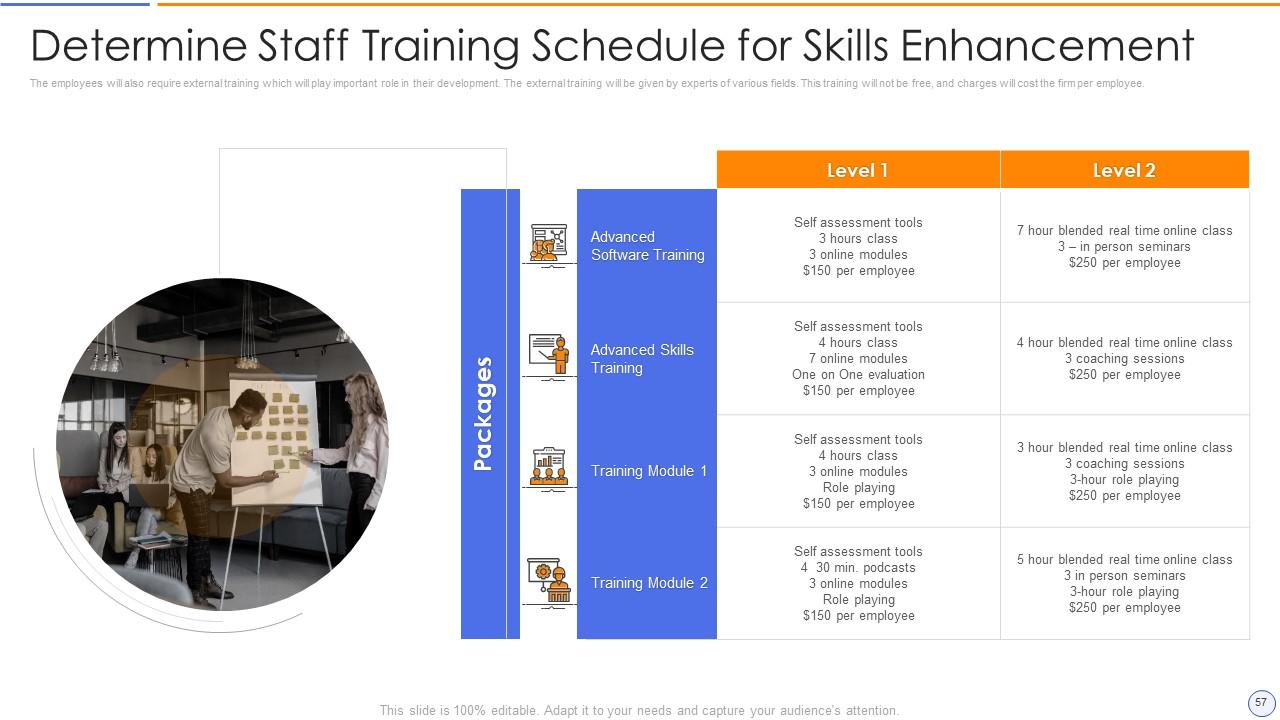
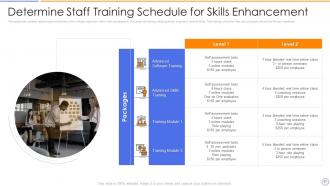
Slide 57: This slide shows Determine Staff Training Schedule for Skills Enhancement.
Slide 58: This slide presents Table of Content for the presentation.
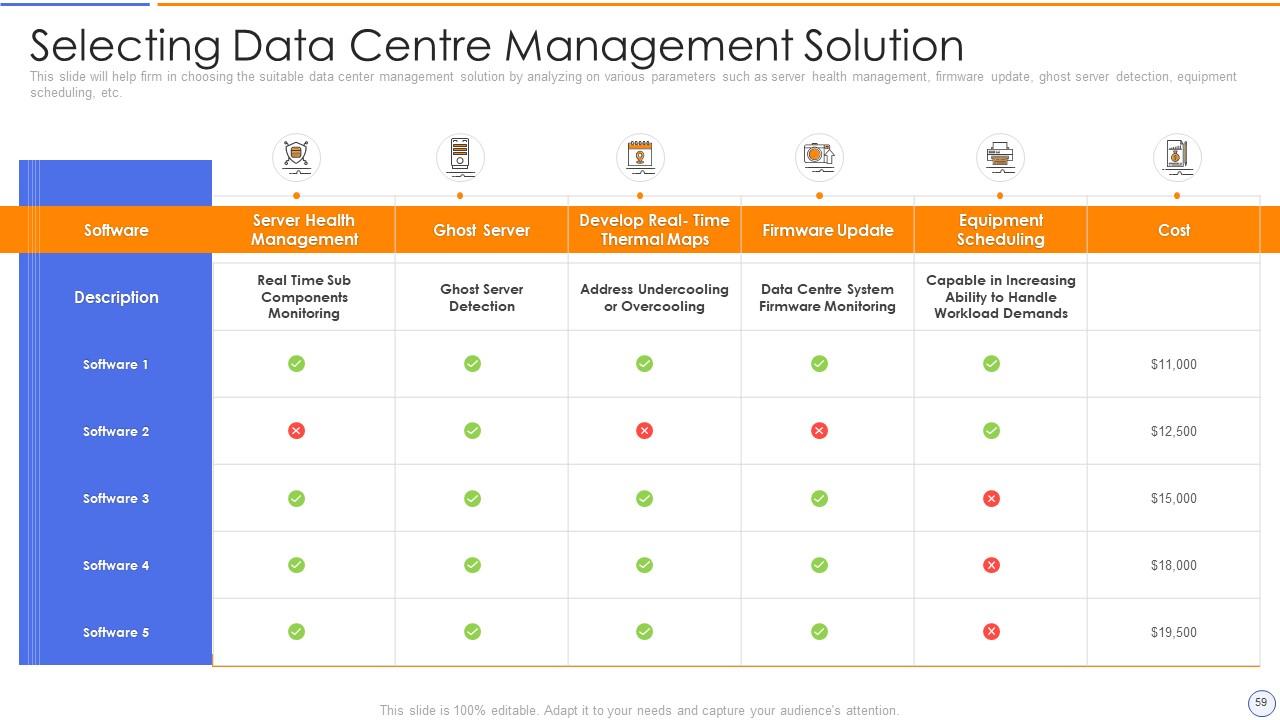
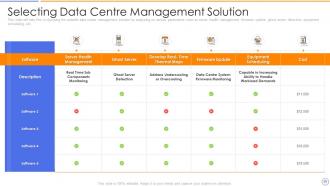
Slide 59: This slide shows suitable data center management solution by analyzing on various parameters.
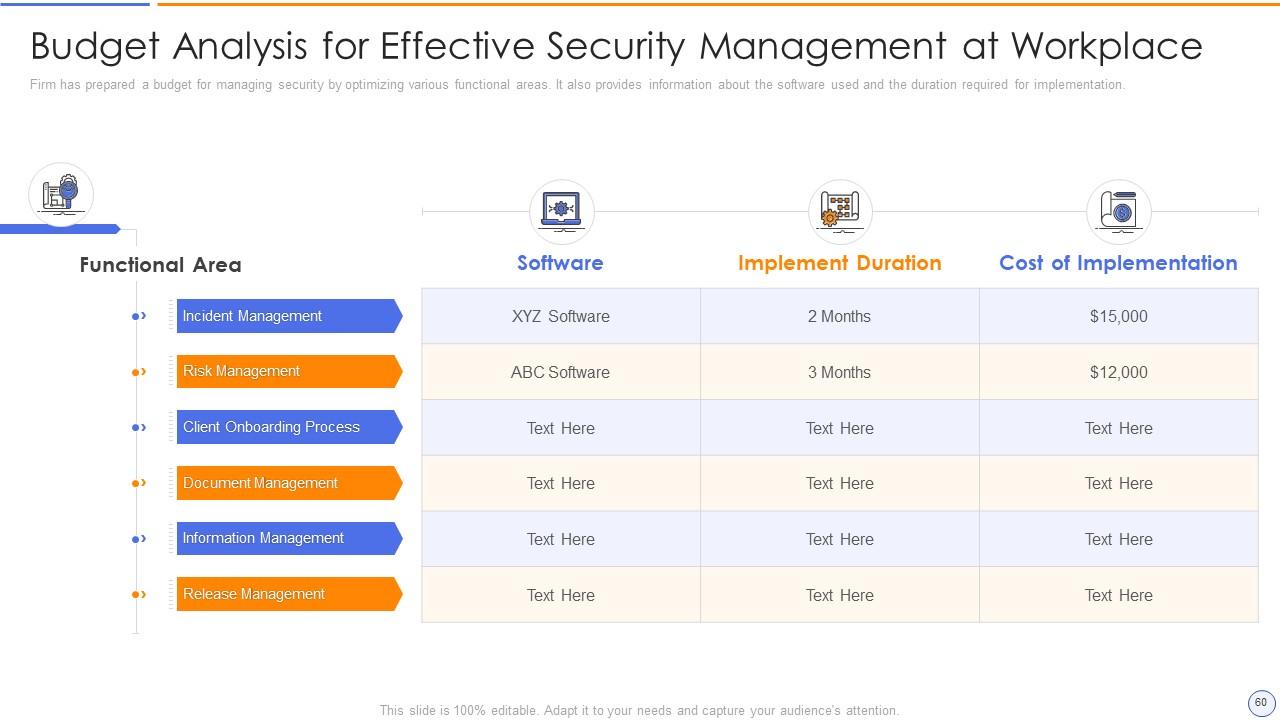
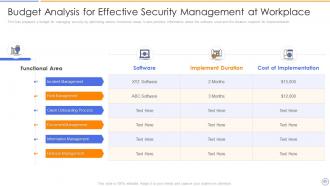
Slide 60: This slide displays Budget Analysis for Effective Security Management at Workplace.
Slide 61: This slide represents Table of Content for the presentation.
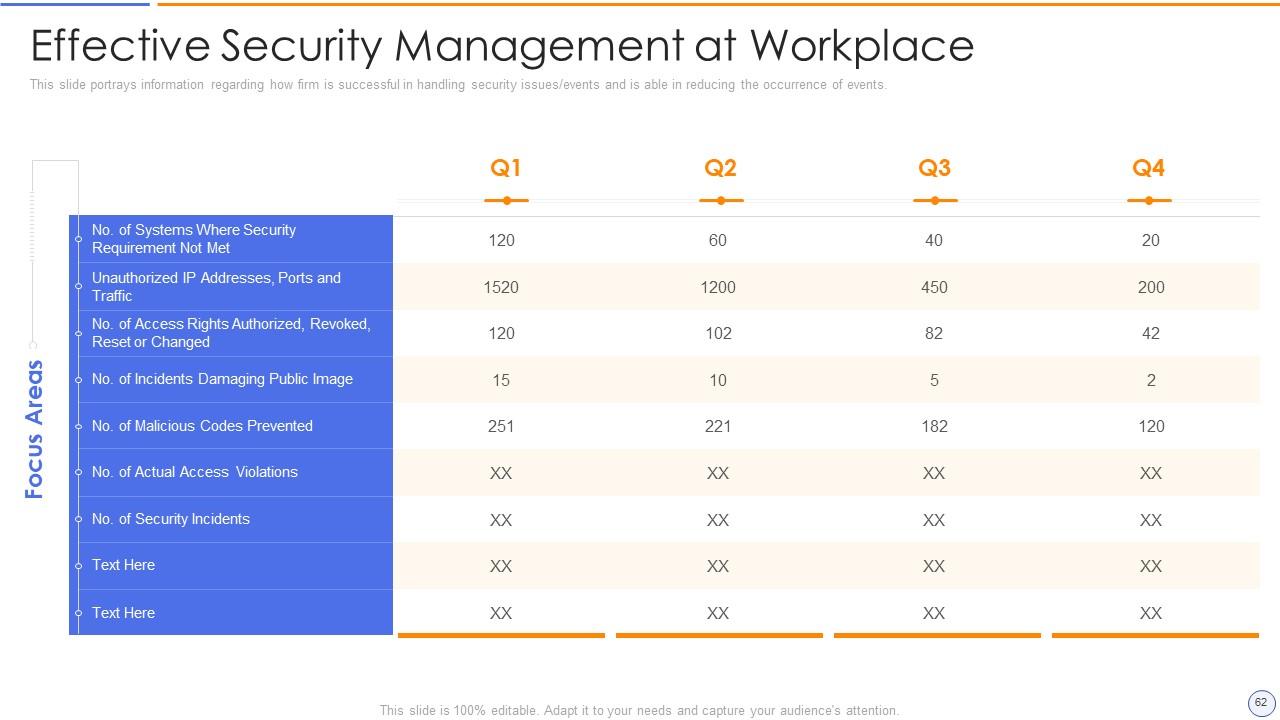
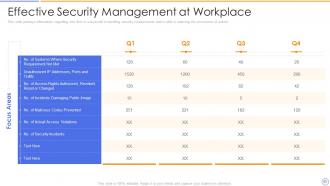
Slide 62: This slide portrays information regarding how firm is successful in handling security issues/events.
Slide 63: This slide presents Table of Content for the presentation.
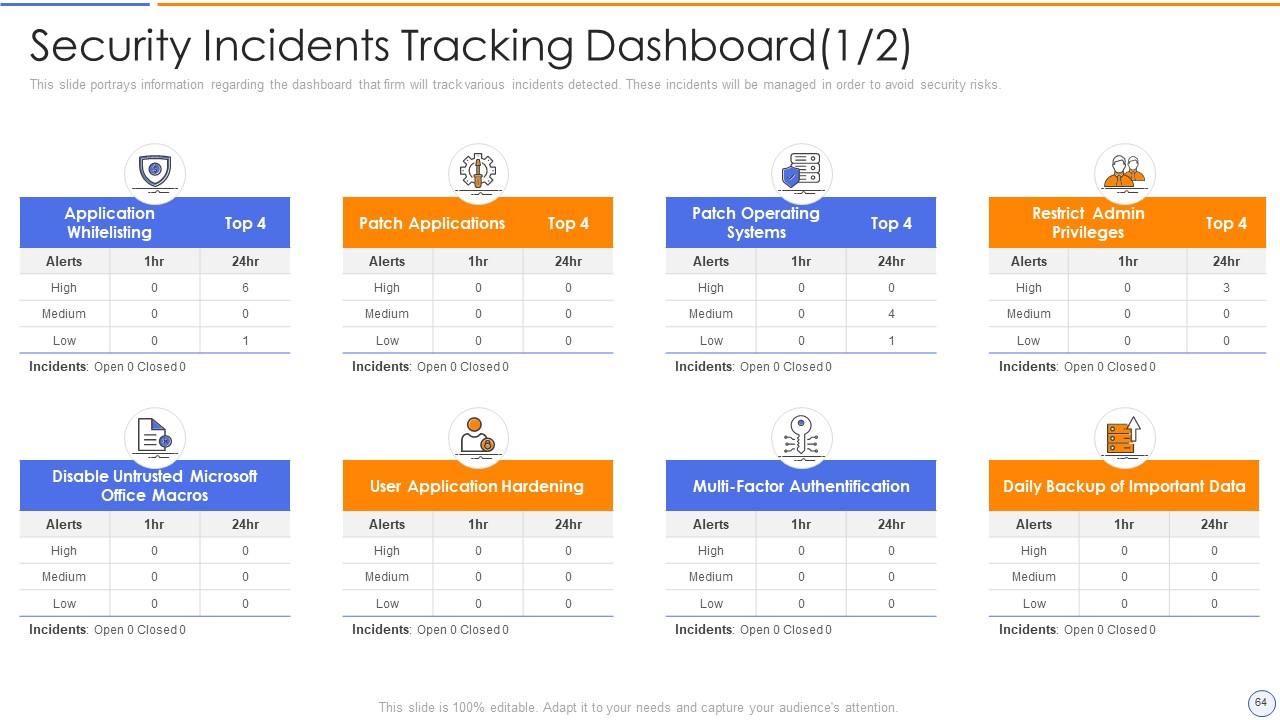
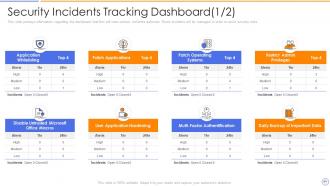
Slide 64: This slide portrays information regarding the dashboard that firm will track various incidents detected.
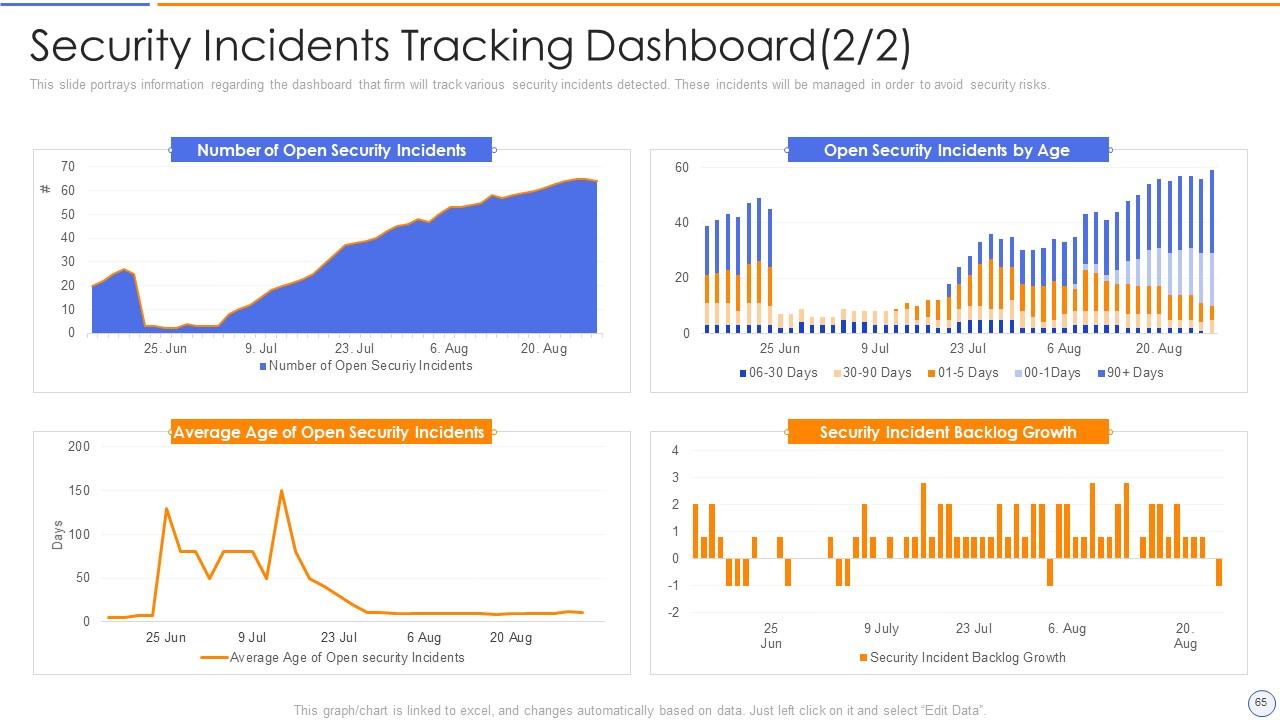
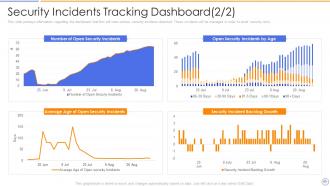
Slide 65: This slide displays information regarding the dashboard that firm will track various security incidents detected.
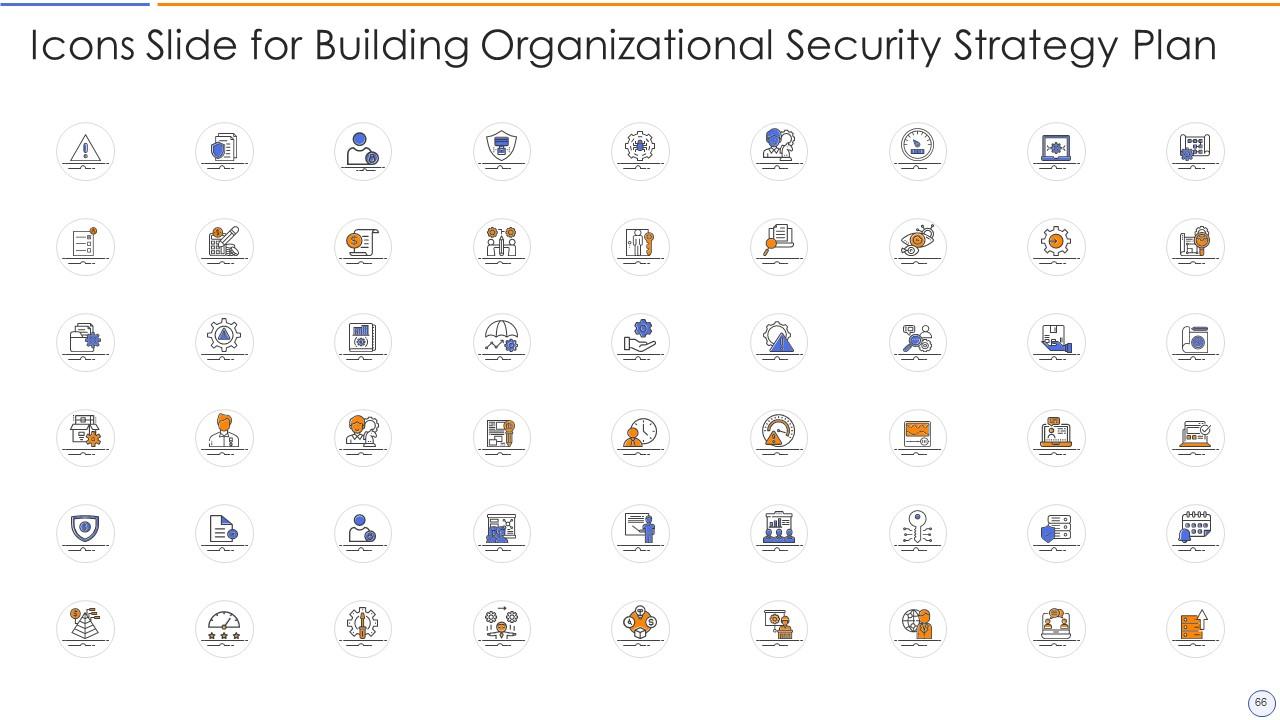
Slide 66: This slide represents Icons for Building Organizational Security Strategy Plan.
Slide 67: This slide is titled as Additional Slides for moving forward.
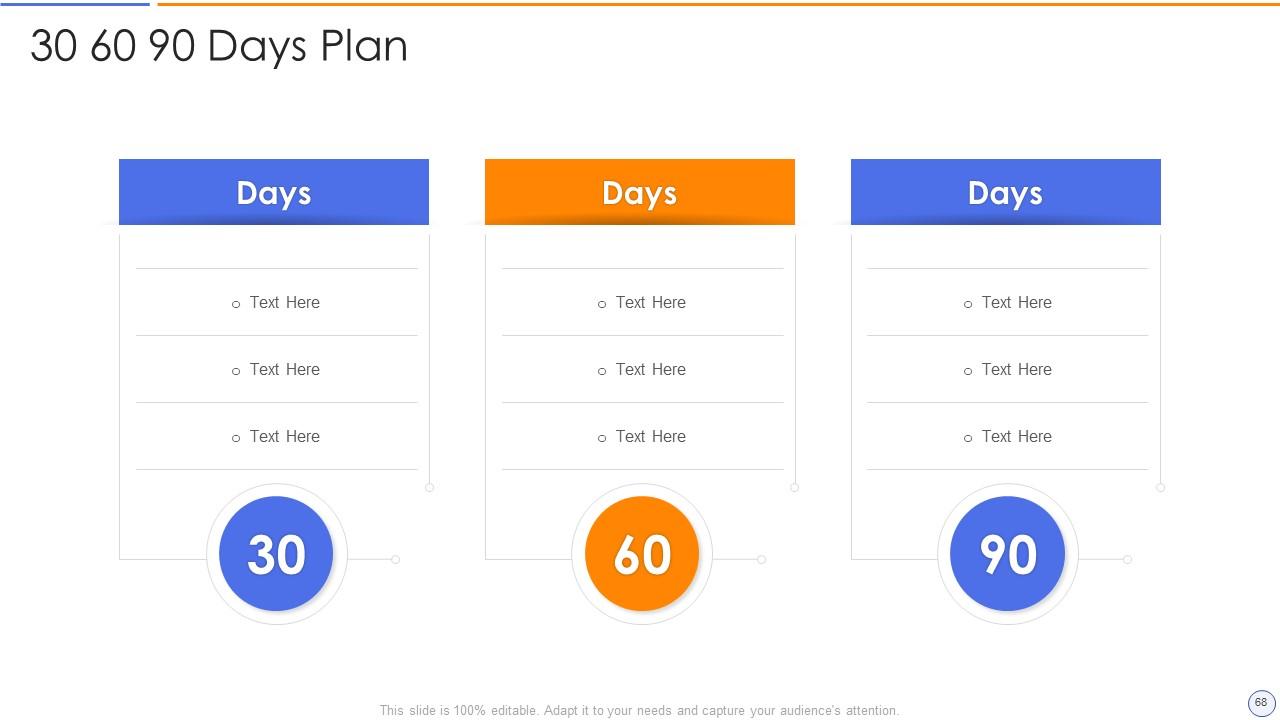
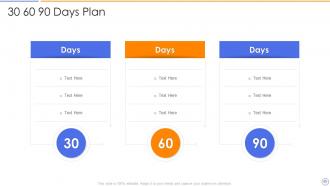
Slide 68: This slide presents 30 60 90 Days Plan with text boxes.
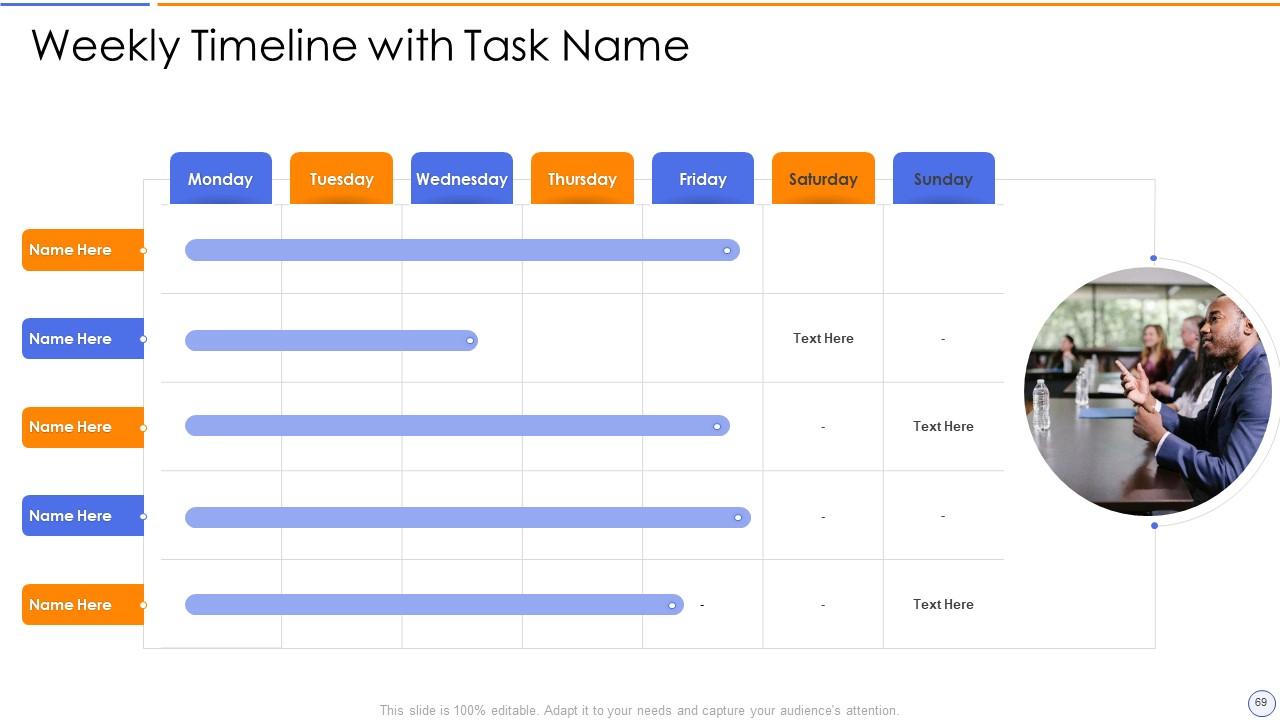
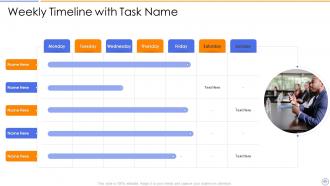
Slide 69: This slide shows Weekly Timeline with Task Name.
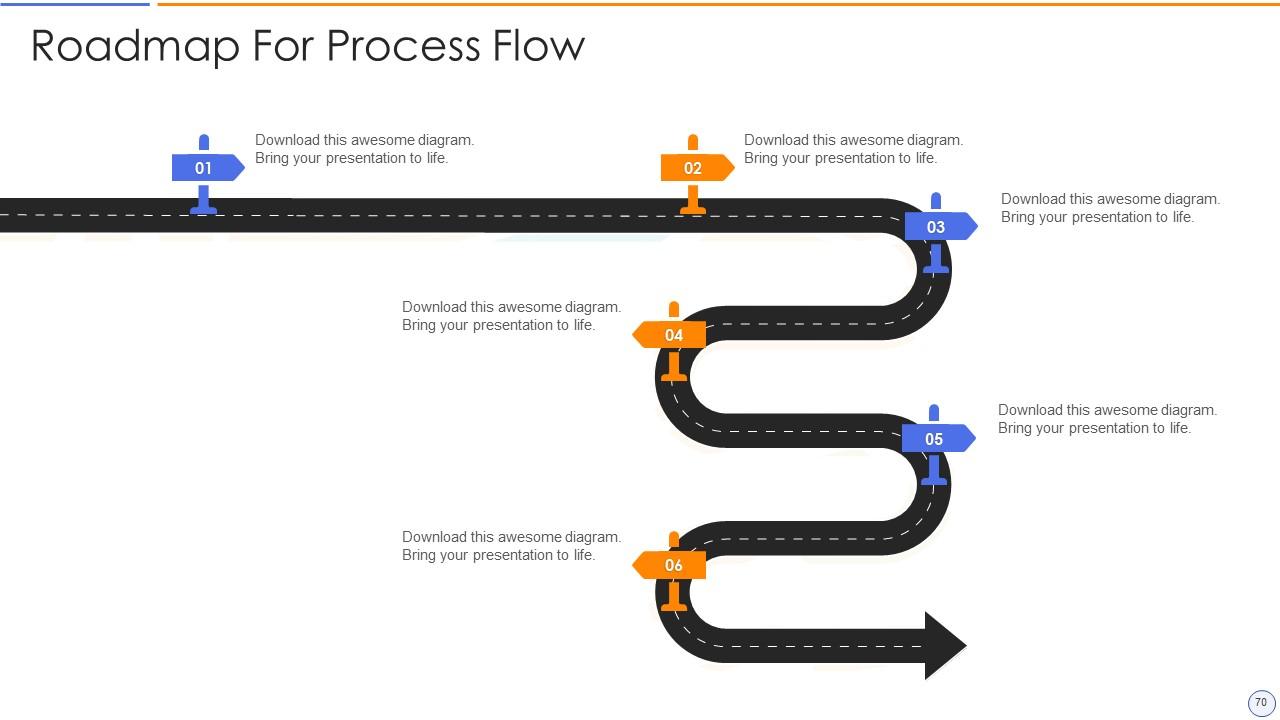
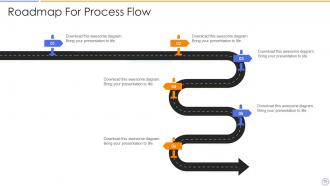
Slide 70: This slide displays Roadmap For Process Flow.
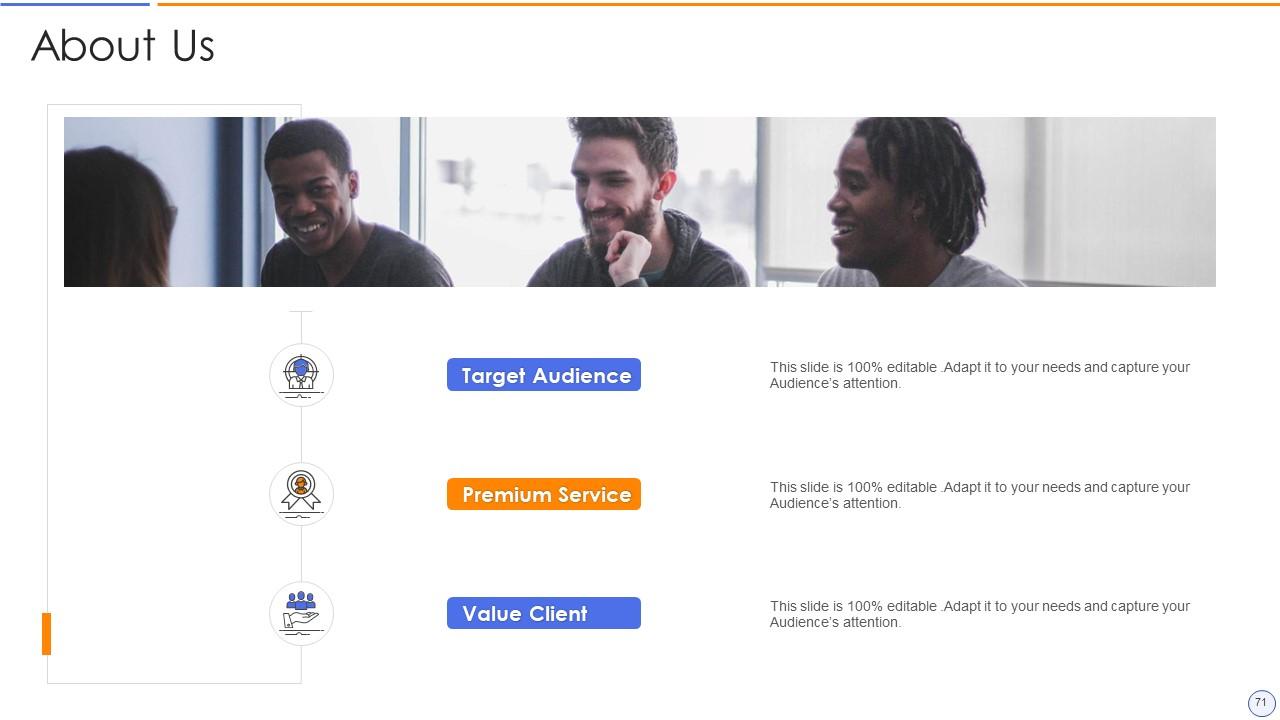
Slide 71: This is About Us slide to show company specifications etc.
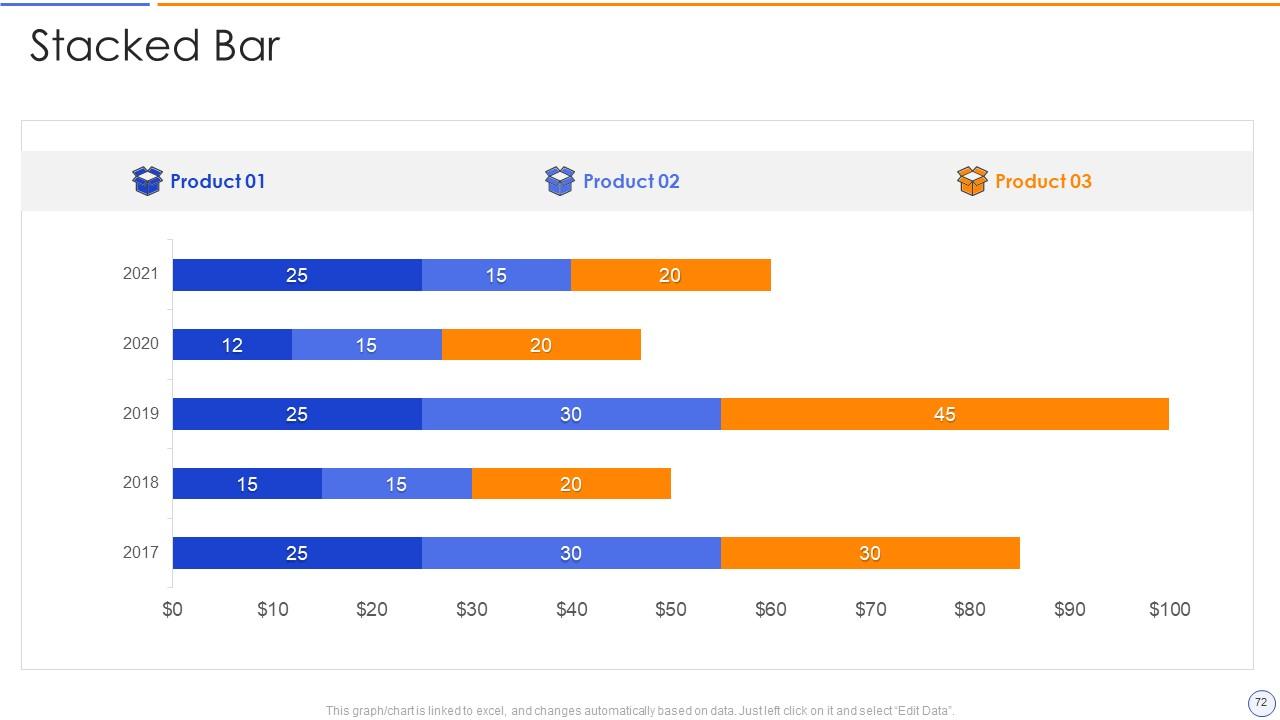
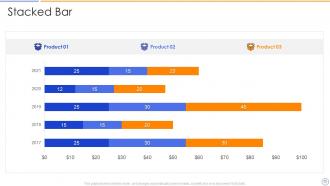
Slide 72: This slide shows Stacked Bar with three products comparison.
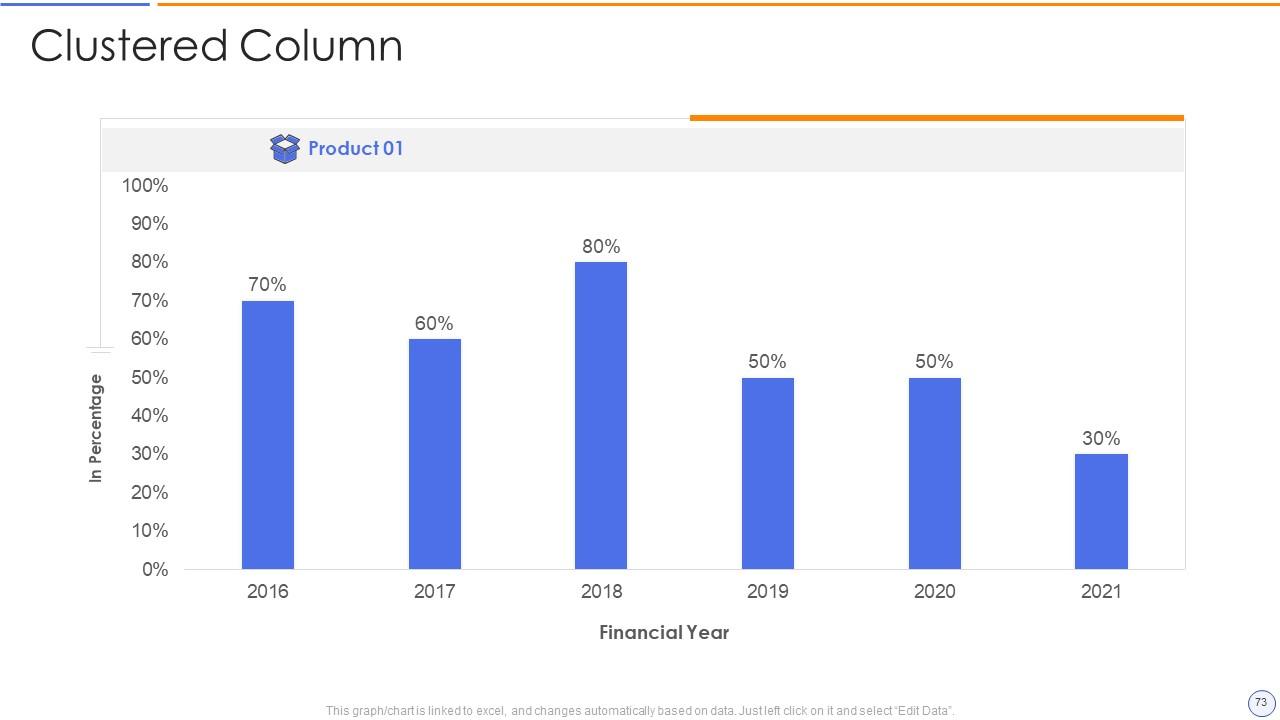
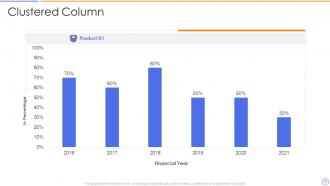
Slide 73: This slide presents Clustered Column with related icons and text.
Slide 74: This is Our Mission slide with related imagery and text.
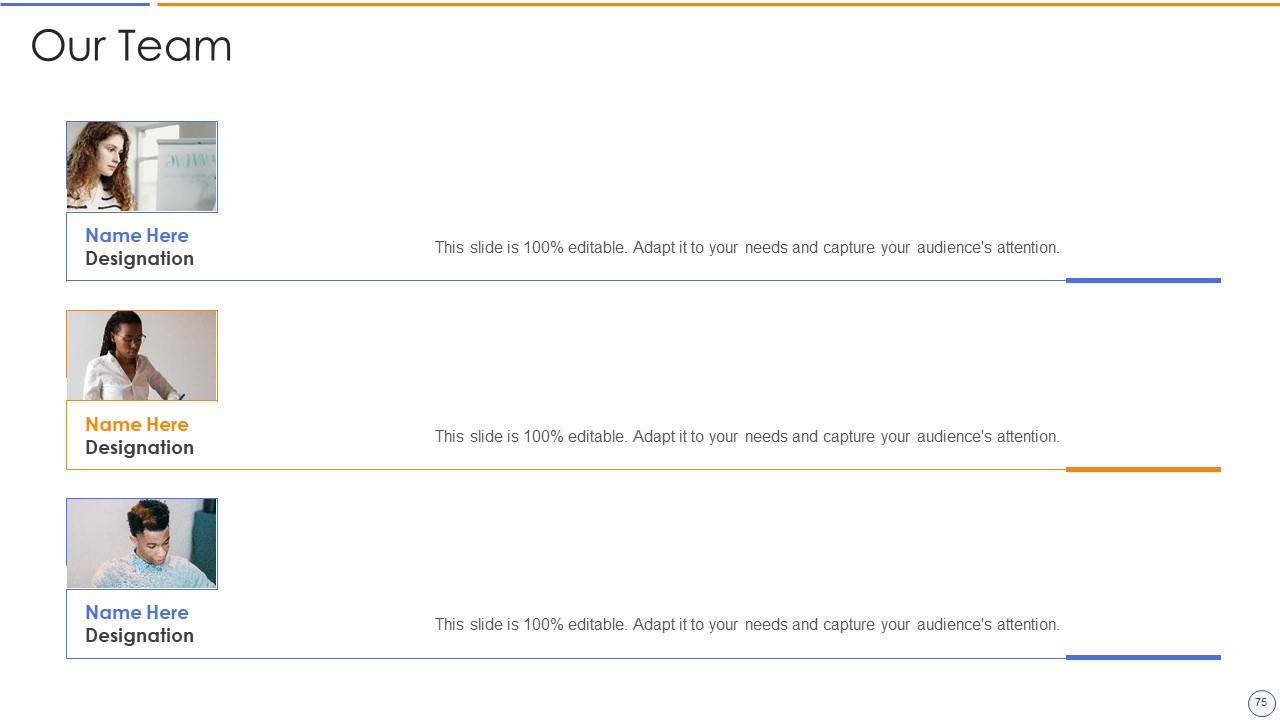
Slide 75: This is Our Team slide with names and designation.
Slide 76: This is a Timeline slide. Show data related to time intervals here.
Slide 77: This slide shows Post It Notes. Post your important notes here.
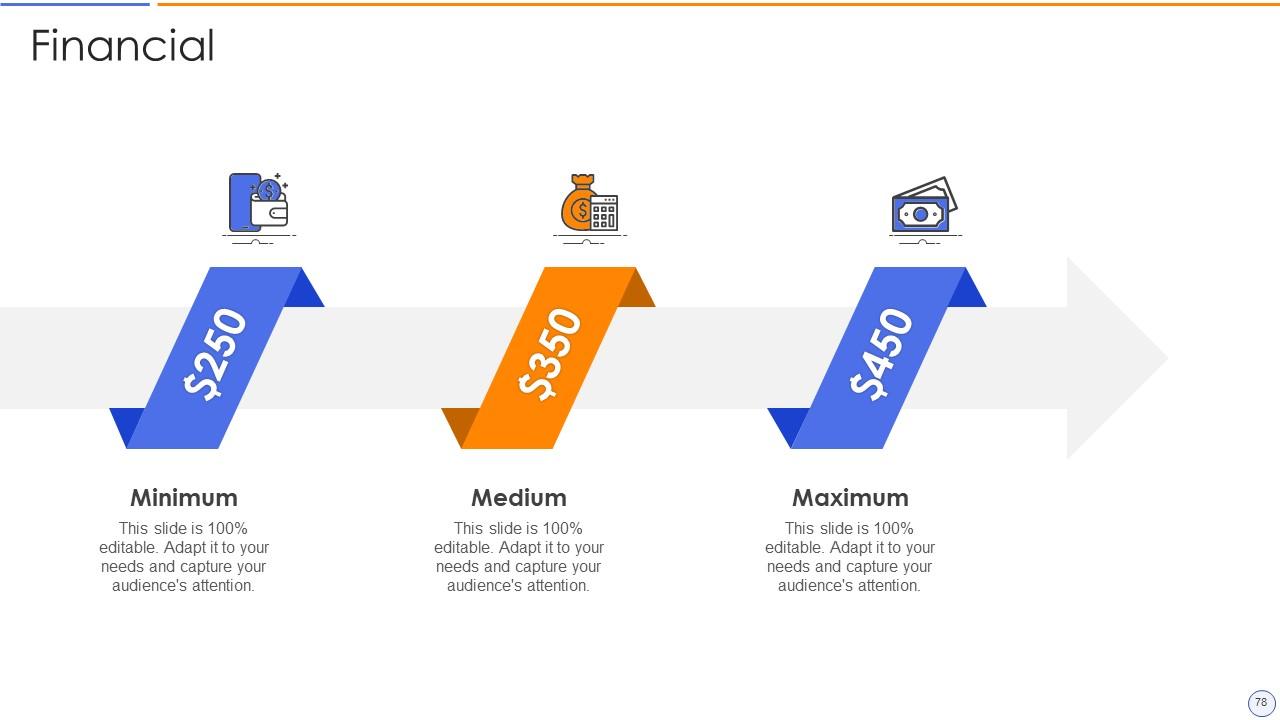
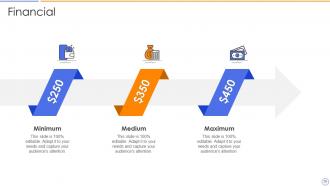
Slide 78: This is a Financial slide. Show your finance related stuff here.
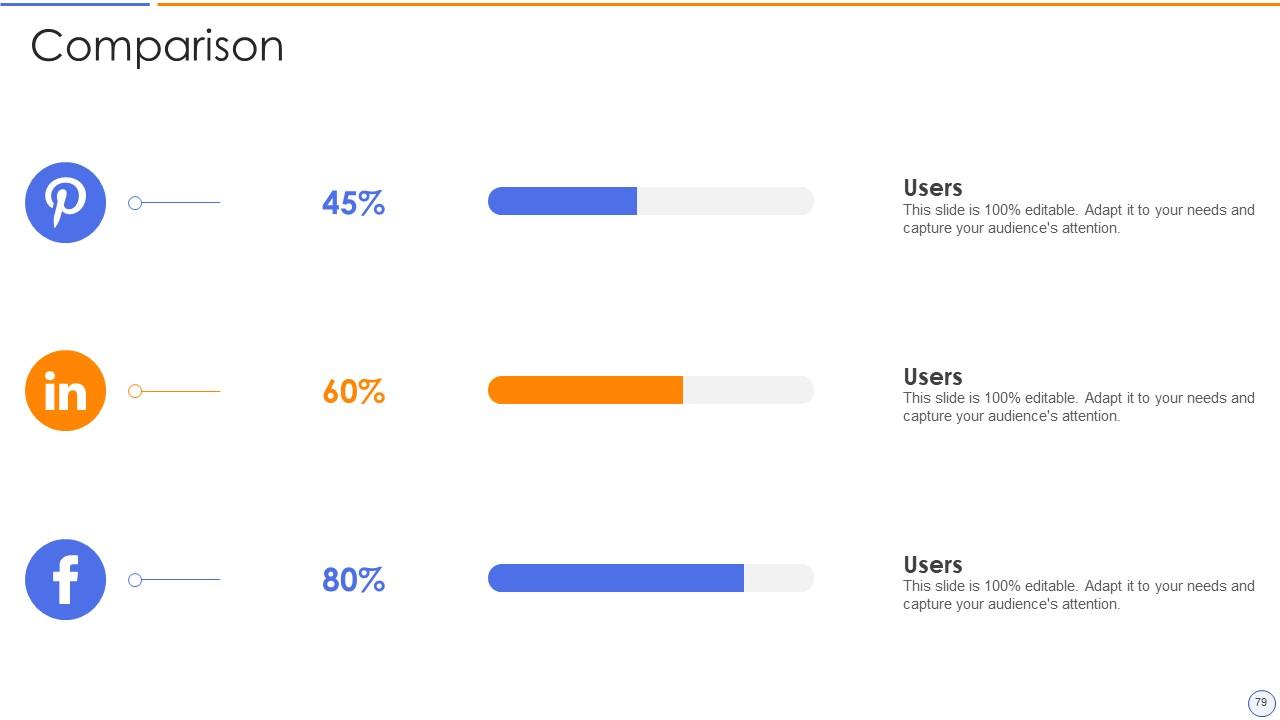
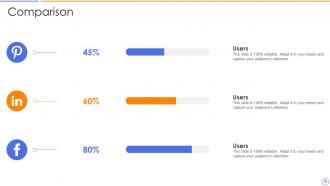
Slide 79: This is a Comparison slide to state comparison between commodities, entities etc.
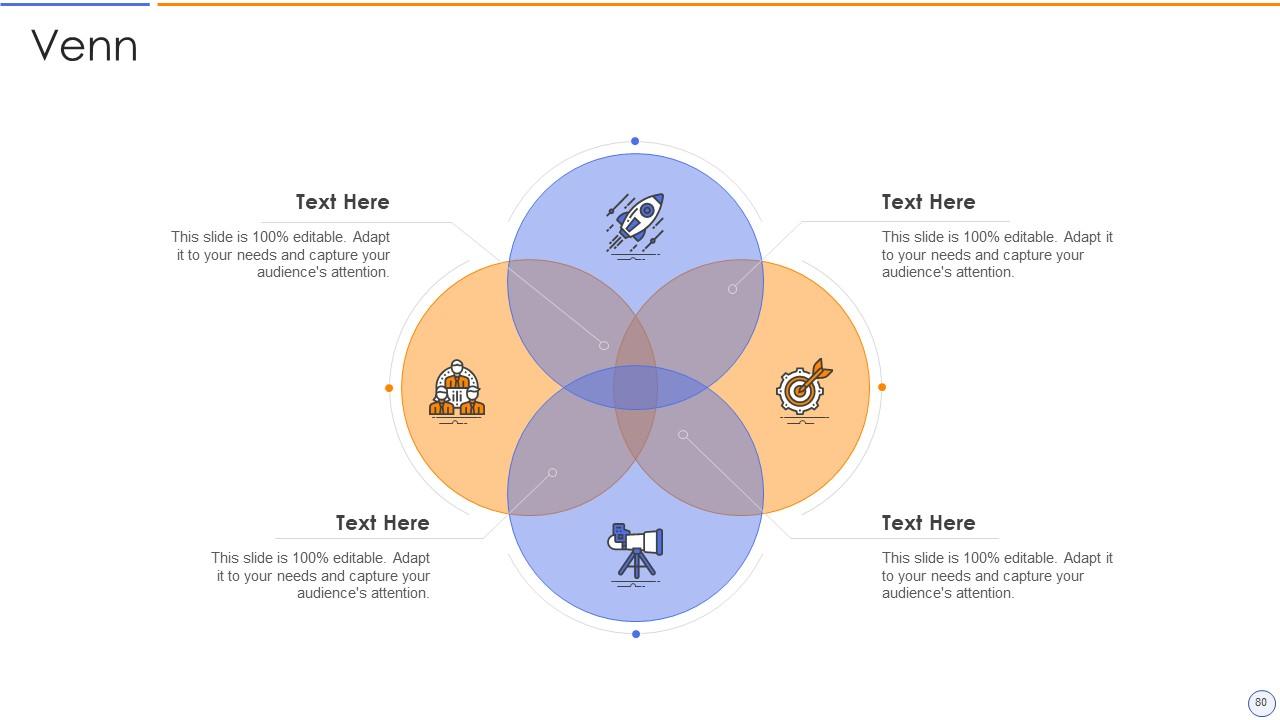
Slide 80: This slide displays Venn diagram with text boxes.
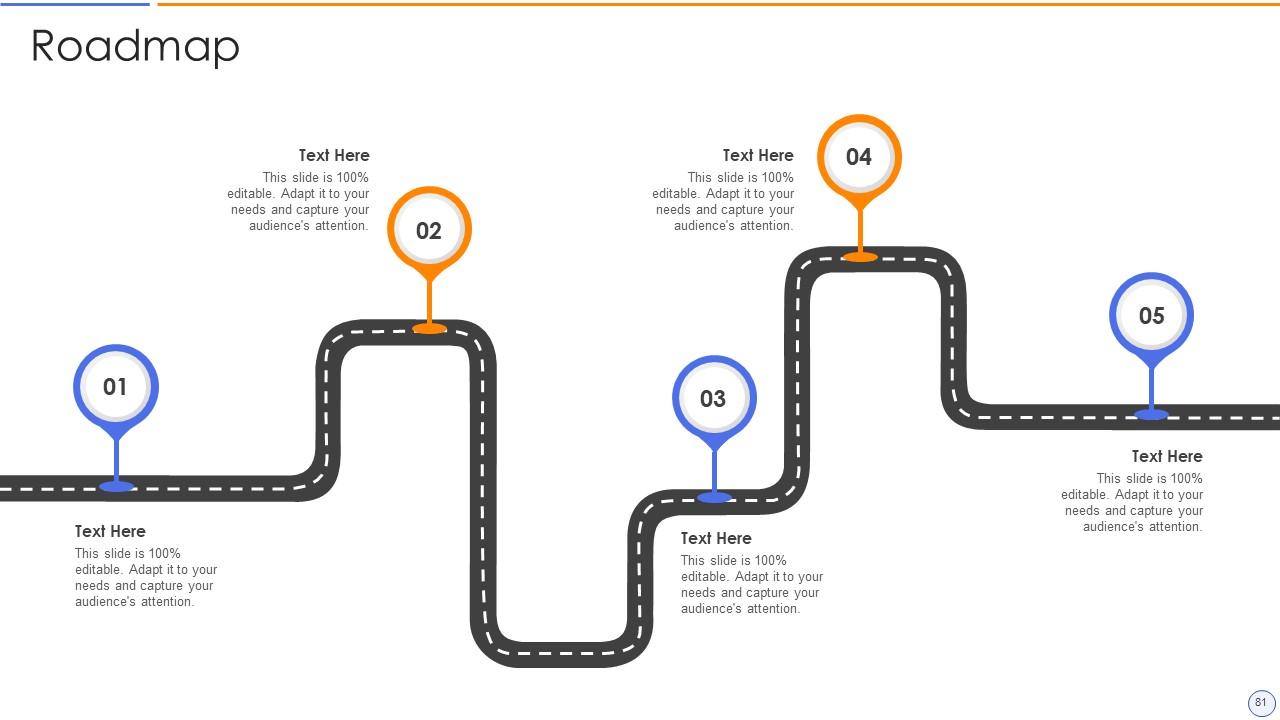
Slide 81: This slide represents Roadmap with additional textboxes.
Slide 82: This is a Thank You slide with address, contact numbers and email address.
Building organizational security strategy plan powerpoint presentation slides with all 82 slides:
Use our Building Organizational Security Strategy Plan Powerpoint Presentation Slides to effectively help you save your valuable time. They are readymade to fit into any presentation structure.
-
Excellent work done on template design and graphics.
-
Attractive design and informative presentation.
-
Great product with highly impressive and engaging designs.
-
Attractive design and informative presentation.
-
Great quality product.
-
Awesome presentation, really professional and easy to edit.
-
Professional and unique presentations.
