

Business Plan For Online Store Powerpoint Presentation Slides




Try Before you Buy Download Free Sample Product
 Impress Your
 Audience
 100%
100% Editable
 Save Hours
 of Time


Starting and operating an e-commerce platform may appear to be simple, but the truth is that if you want to avoid stress, you must make the necessary preparations to ensure that it will withstand the test of time. Therefore, our team has crafted this Business Plan for Online Store PPT to provide you with detailed insight into the e-commerce industry. It lists all the essential elements, including market research, industry trends, growth and revenue drivers, target market, competitive landscape, etc. In addition to it, the document also includes porters framework and its impact on the e-commerce industry, market gap and opportunities, market sizing, including TAM, SAM, and SOM, go-to marketing strategy, sales funnel, etc. Entity details, executive summary, products and services, mission and vision, exit strategy, etc., are also covered in this business plan. Furthermore, to give users an insight into the financial aspect, the e-commerce business plan also portrays a financial summary section in which a detailed 5-year analysis has been executed considering the market scenarios. It covers the revenue model, profit and loss statement, cash flow statement, break-even analysis, DCF valuation, balance sheet, etc. Download this 100 percent editable presentation and get access to our highly researched and skillfully designed product.
People who downloaded this PowerPoint presentation also viewed the following :
Content of this Powerpoint Presentation
Slide 1: This slide introduces Business Plan for Online Store. State your company name and begin.
Slide 2: This slide states Agenda of the presentation.
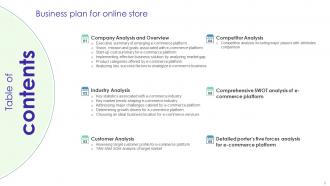
Slide 3: This slide shows Table of Content for the presentation.
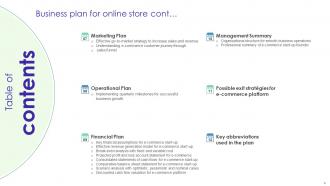
Slide 4: This is another slide continuing Table of Content for the presentation.
Slide 5: This slide highlights title for topics that are to be covered next in the template.
Slide 6: This slide shows Executive summary of emerging e-commerce platform.
Slide 7: This slide presents Vision, mission and goals associated with e-commerce platform.
Slide 8: This slide displays Start-up cost summary for e-commerce platform.
Slide 9: This slide represents Implementing effective business solution by analyzing market gap.
Slide 10: This slide showcases Product categories offered by e-commerce platform.
Slide 11: This slide shows Analyzing key success factors to strategize e-commerce business.
Slide 12: This slide highlights title for topics that are to be covered next in the template.
Slide 13: This slide presents Key statistics associated with e-commerce industry.
Slide 14: This slide displays Key market trends shaping e-commerce industry.
Slide 15: This is another slide continuing Key market trends shaping e-commerce industry.
Slide 16: This slide represents Addressing major challenges catered by e-commerce platform.
Slide 17: This slide showcases Determining growth drivers for e-commerce platform.
Slide 18: This slide shows Choosing an ideal business location for e-commerce services.
Slide 19: This is another slide continuing Choosing an ideal business location for e-commerce services.
Slide 20: This slide highlights title for topics that are to be covered next in the template.
Slide 21: This slide presents Assessing target customer profile for e-commerce platform.
Slide 22: The purpose of this slide is to depict the market potential of e-commerce in terms of TAM, SAM, and SOM.
Slide 23: This slide highlights title for topics that are to be covered next in the template.
Slide 24: This slide displays Competitive analysis including major players with attributes comparison.
Slide 25: This is another slide continuing Competitive analysis including major players with attributes comparison.
Slide 26: This slide highlights title for topics that are to be covered next in the template.
Slide 27: This slide represents Comprehensive SWOT analysis of e-commerce platform.
Slide 28: This slide highlights title for topics that are to be covered next in the template.
Slide 29: This slide showcases Detailed porter’s five forces analysis for e-commerce platform.
Slide 30: This slide highlights title for topics that are to be covered next in the template.
Slide 31: This slide shows Effective go-to-market strategy to increase sales and revenue.
Slide 32: This slide presents Understanding e-commerce customer journey through sales funnel.
Slide 33: This slide highlights title for topics that are to be covered next in the template.
Slide 34: This slide displays Implementing quarterly milestones for successful business growth.
Slide 35: This slide highlights title for topics that are to be covered next in the template.
Slide 36: This slide represents Key financial assumptions for e-commerce start-up.
Slide 37: This slide showcases Effective revenue generation model for e-commerce start-up.
Slide 38: This slide shows Break-even analysis with fixed and variable cost.
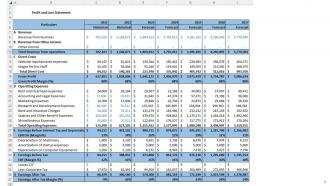
Slide 39: This slide presents Projected profit and loss account statement for e-commerce.
Slide 40: This is another slide continuing Projected profit and loss account statement for e-commerce.
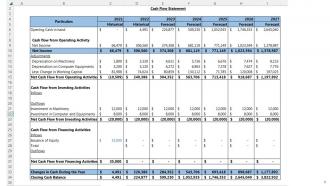
Slide 41: This slide displays Consolidated statements of cash flows for e-commerce start-up.
Slide 42: This is another slide continuing Consolidated statements of cash flows for e-commerce start-up.
Slide 43: This slide represents Comparative balance sheet statement for e-commerce start-up.
Slide 44: This is another slide continuing Comparative balance sheet statement for e-commerce start-up.
Slide 45: The purpose of this slide is to examine the effects of potential future events on the company’s performance.
Slide 46: This is another slide continuing effects of potential future events on the company’s performance.
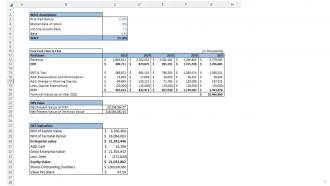
Slide 47: This slide showcases Discounted cash flow valuation for e-commerce platform.
Slide 48: This slide highlights title for topics that are to be covered next in the template.
Slide 49: This slide shows Organizational structure for smooth business operations.
Slide 50: This slide presents Professional summary of e-commerce start-up founder.
Slide 51: This slide highlights title for topics that are to be covered next in the template.
Slide 52: This slide displays Possible exit strategies for e-commerce platform.
Slide 53: This slide highlights title for topics that are to be covered next in the template.
Slide 54: This slide represents Key abbreviations used in the plan.
Slide 55: This slide contains all the icons used in this presentation.
Slide 56: This slide is titled as Additional Slides for moving forward.
Slide 57: This is About Us slide to show company specifications etc.
Slide 58: This is Our Team slide with names and designation.
Slide 59: This slide contains Puzzle with related icons and text.
Slide 60: This slide shows SWOT describing- Strength, Weakness, Opportunity, and Threat.
Slide 61: This slide depicts Venn diagram with text boxes.
Slide 62: This slide shows Post It Notes. Post your important notes here.
Slide 63: This is a Financial slide. Show your finance related stuff here.
Slide 64: This is a Timeline slide. Show data related to time intervals here.
Slide 65: This is a Thank You slide with address, contact numbers and email address.
Business Plan For Online Store Powerpoint Presentation Slides with all 70 slides:
Use our Business Plan For Online Store Powerpoint Presentation Slides to effectively help you save your valuable time. They are readymade to fit into any presentation structure.
































































FAQs for Business Plan For Online Store
Essential components include executive summary, market analysis, competitive research, product sourcing strategy, marketing and customer acquisition plans, operational logistics, technology infrastructure requirements, and detailed financial projections. These elements work together by defining target markets, establishing competitive positioning, and outlining scalable operations, with many e-commerce entrepreneurs finding that comprehensive planning significantly enhances launch success and long-term profitability.
Effective market research combines surveys, competitor analysis, social media insights, customer interviews, and demographic data to identify your target audience. These methods help you understand consumer preferences, purchasing behaviors, and market gaps, with many online retailers finding that detailed audience segmentation enables personalized marketing strategies, optimized product offerings, and ultimately higher conversion rates and customer loyalty.
Key financial projections include revenue forecasts, cash flow statements, profit and loss projections, break-even analysis, and customer acquisition cost calculations. These projections enable online retailers to demonstrate business viability, secure funding, and track performance metrics, with many e-commerce businesses finding that detailed financial modeling ultimately delivers better investor confidence and strategic decision-making capabilities.
Differentiation strategies include specialized product curation, exceptional customer service, unique brand storytelling, competitive pricing models, and innovative delivery options. By focusing on niche markets, personalized shopping experiences, and strategic partnerships, online retailers can establish competitive advantages that resonate with specific customer segments, ultimately delivering enhanced loyalty and sustainable growth.
Branding serves as the strategic foundation for customer recognition, trust-building, and differentiation in competitive digital marketplaces, encompassing visual identity, messaging consistency, and value proposition communication. Through cohesive branding across platforms, online retailers establish emotional connections with target audiences, enhance customer loyalty, and command premium pricing, with many e-commerce businesses finding that strong brand identity significantly increases conversion rates and lifetime customer value.
Setting realistic sales goals involves analyzing market research, competitor performance, industry benchmarks, startup costs, and customer acquisition rates for your specific niche. Begin with conservative monthly targets based on your marketing budget and customer conversion data, then scale incrementally as you gather real performance metrics, with many successful online retailers finding that 6-month cycles allow sufficient time for testing, optimization, and sustainable growth momentum.
Legal considerations for online stores include business registration, tax compliance, consumer protection laws, data privacy regulations, and intellectual property protection. These requirements vary by jurisdiction and business model, with many e-commerce entrepreneurs finding that proper legal structure, clear terms of service, and GDPR compliance ultimately deliver customer trust and operational security while minimizing regulatory risks.
Effectively estimate startup costs by calculating website development, inventory investment, marketing budgets, legal fees, and operational expenses for the first 12-18 months. Research industry benchmarks across e-commerce sectors like fashion, electronics, or home goods, while building in 20-30% contingency buffers, ultimately delivering realistic financial projections that attract investors and ensure adequate cash flow for sustainable growth.
Prioritize search engine optimization, social media advertising, email marketing campaigns, content marketing, and influencer partnerships in your online store plan. These strategies enhance brand visibility, drive targeted traffic, and build customer loyalty through personalized experiences, with many retailers finding that integrated approaches deliver higher conversion rates and sustainable revenue growth.
Determining the best e-commerce platform involves evaluating your budget, technical expertise, scalability requirements, payment processing needs, and integration capabilities with existing systems. Consider platforms like Shopify for ease of use, WooCommerce for customization, or Magento for enterprise-level features, with many retailers finding that matching platform capabilities to growth projections ultimately delivers better long-term operational efficiency and customer experiences.
**INPUT**: What logistics and supply chain management strategies should I outline for my online store? **OUTPUT**: Essential logistics strategies include inventory management systems, multi-channel fulfillment options, shipping partnerships, warehouse optimization, and returns processing automation. These approaches streamline operations by reducing delivery times, minimizing storage costs, and enhancing customer satisfaction, with many e-commerce businesses finding that strategic supply chain integration ultimately delivers competitive advantage and scalable growth opportunities. **Word count: 54 words**
Creating a customer engagement plan involves implementing personalized email campaigns, loyalty reward programs, social media interactions, targeted content marketing, and responsive customer service channels. These strategies enhance customer experiences by delivering relevant product recommendations, exclusive offers, and timely support, with many e-commerce businesses finding that consistent engagement across multiple touchpoints increases repeat purchases and ultimately builds long-term customer loyalty.
E-commerce platforms like Shopify or WooCommerce, inventory management systems, customer relationship management (CRM) software, analytics tools, and automated marketing platforms can significantly enhance your online store operations. These technologies streamline order processing, inventory tracking, and customer engagement, while providing data-driven insights that enable better decision-making, ultimately delivering improved efficiency and competitive advantage.
A compelling value proposition clearly articulates your unique benefits, target customer pain points, competitive advantages, and specific outcomes customers can expect from your products or services. Focus on quantifiable benefits like faster delivery, lower prices, superior quality, or exclusive selections, while addressing what sets you apart from competitors, ultimately creating a concise statement that resonates with your ideal customers and drives purchasing decisions.
**INPUT**: What metrics should I track to evaluate the success of my online store as laid out in my business plan? **OUTPUT**: Essential metrics include conversion rates, customer acquisition costs, average order value, customer lifetime value, and inventory turnover rates. These indicators streamline performance evaluation by revealing sales efficiency, marketing effectiveness, and operational health, with many e-commerce businesses finding that tracking these metrics together ultimately delivers comprehensive insights for strategic growth and competitive advantage.
-
“The presentation template I got from you was a very useful one.My presentation went very well and the comments were positive.Thank you for the support. Kudos to the team!”
-
The templates are easy to get, and the chat customer support is excellent.