Business Process Modelling Powerpoint Ppt Template Bundles
Try Before you Buy Download Free Sample Product
Audience
Editable
of Time
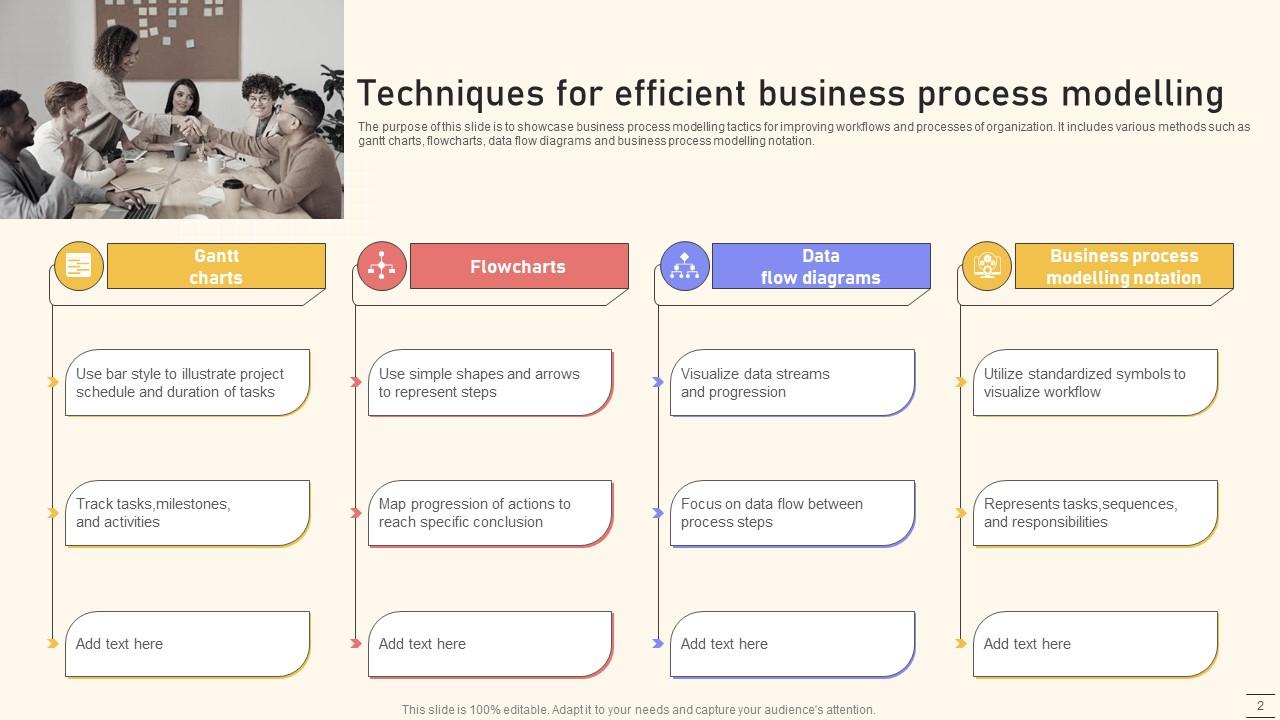
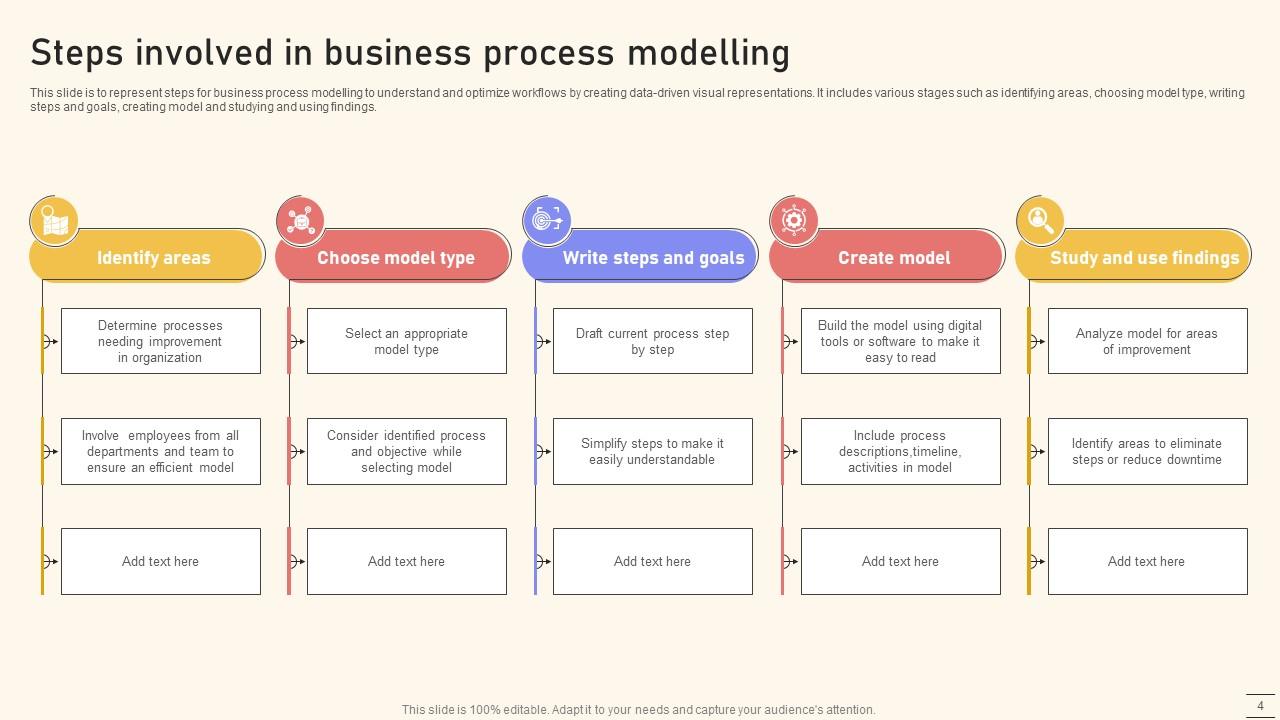
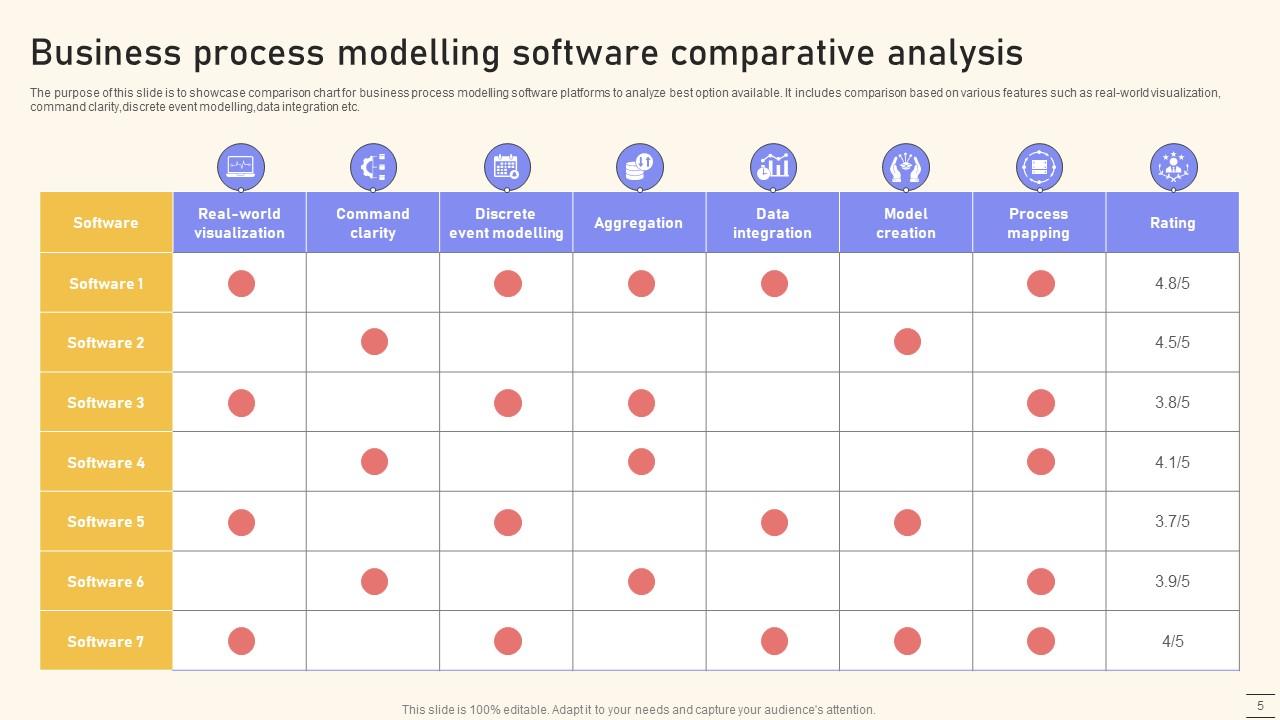
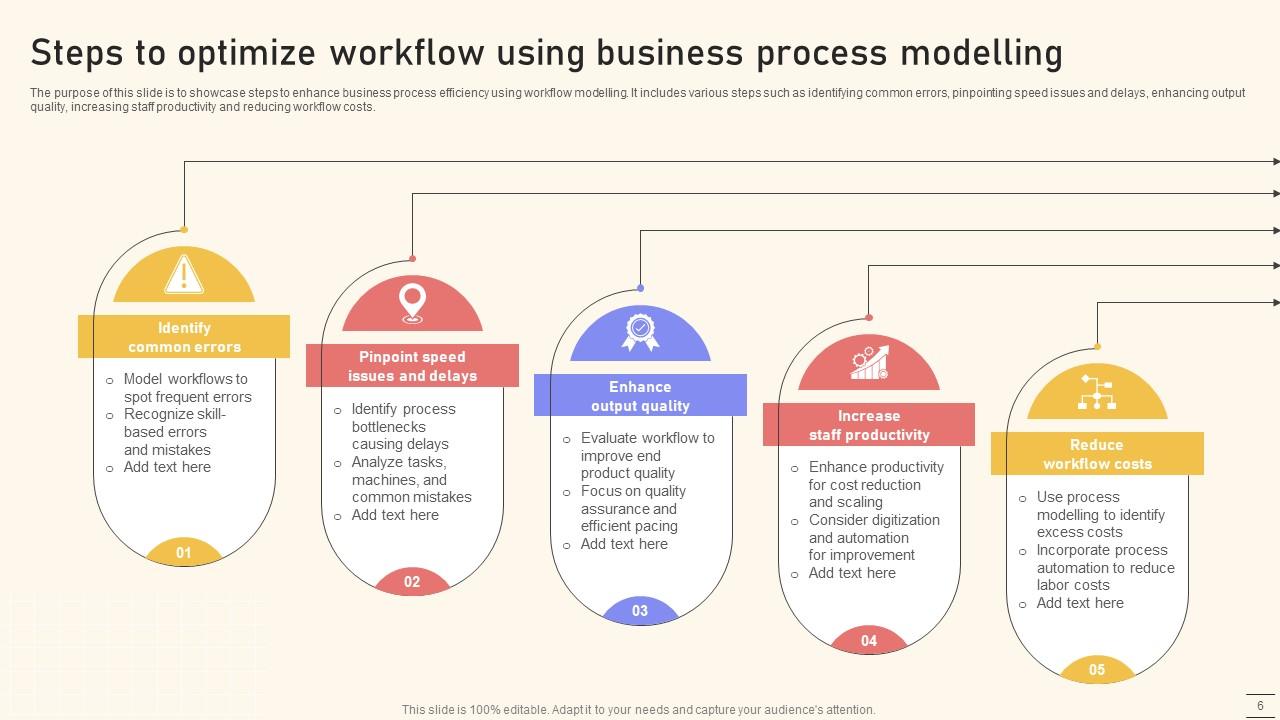
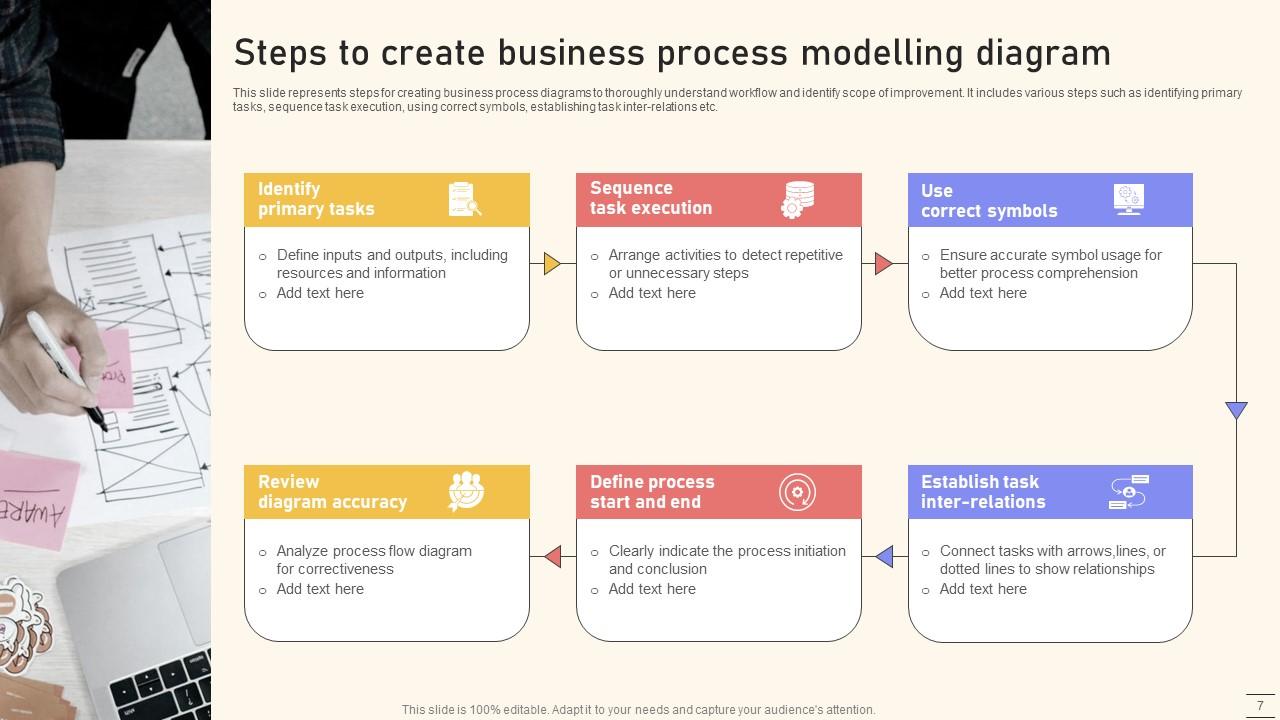
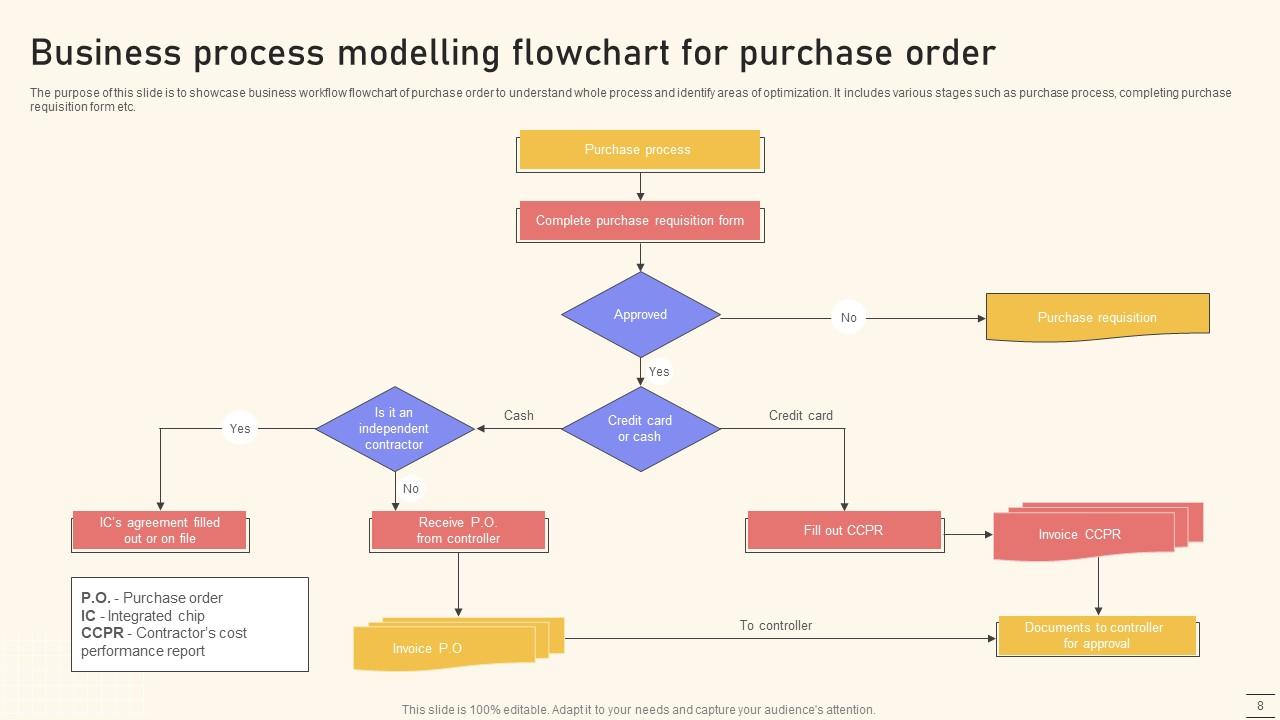
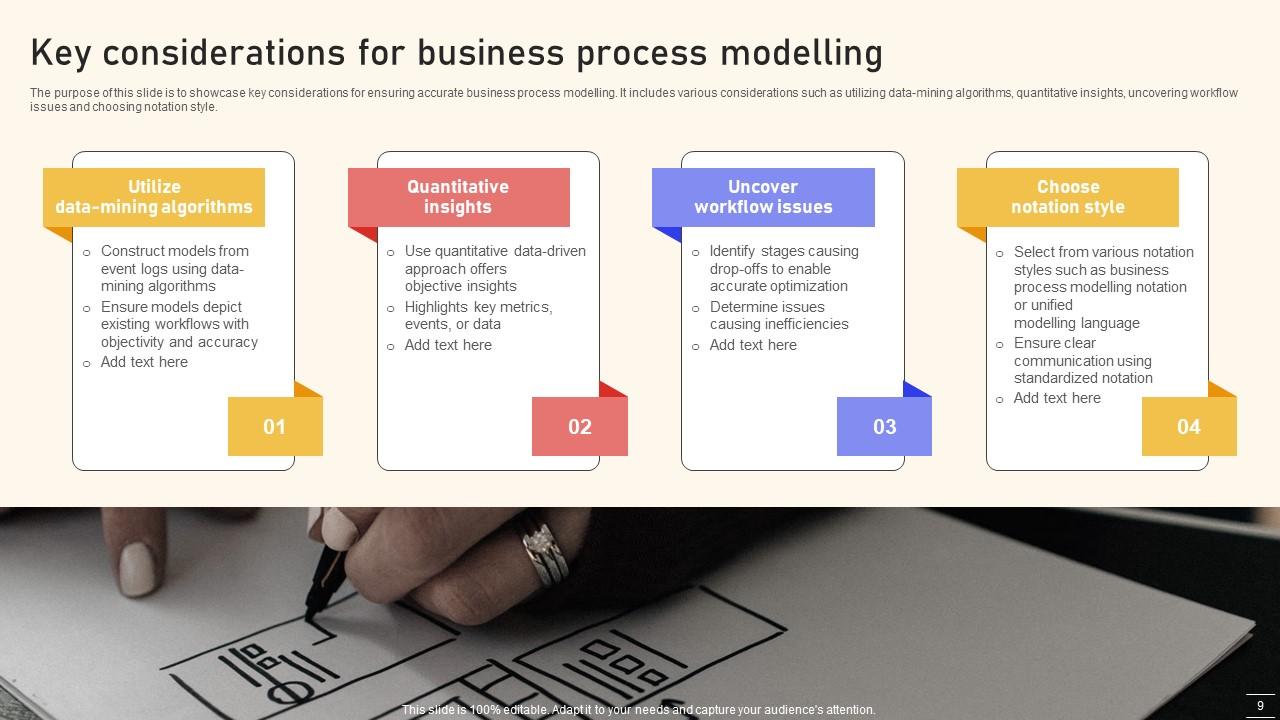
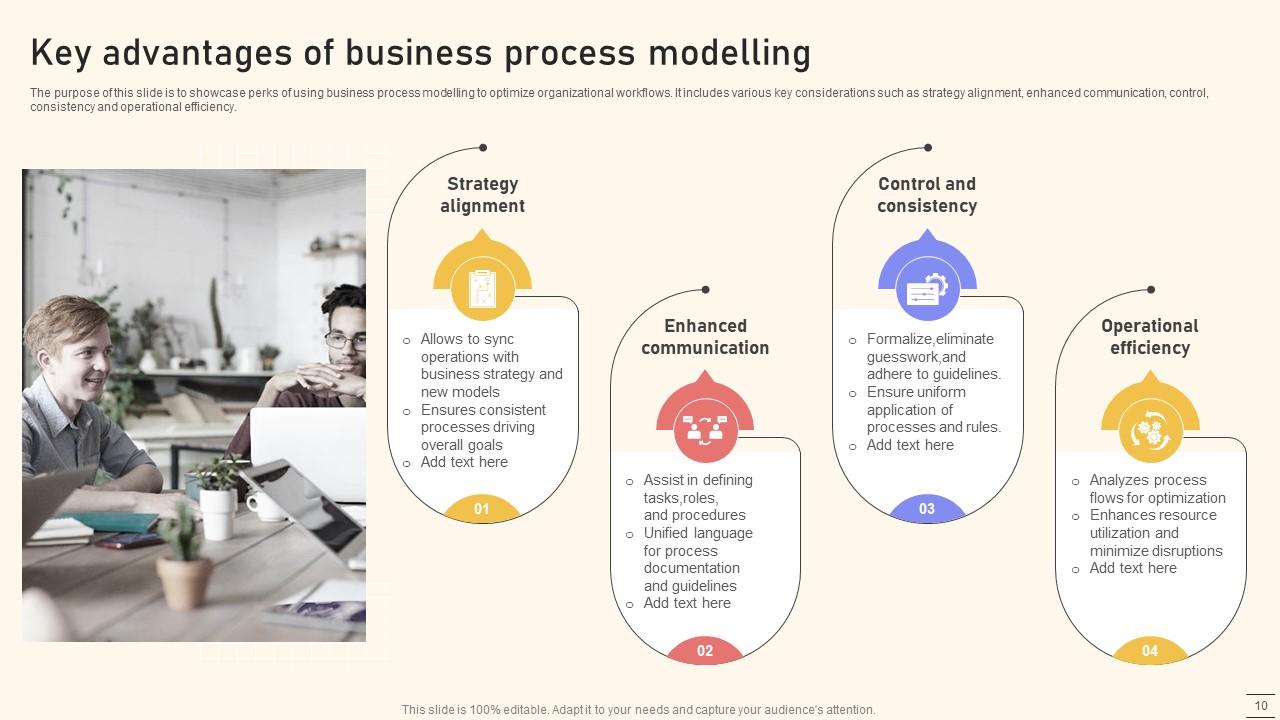
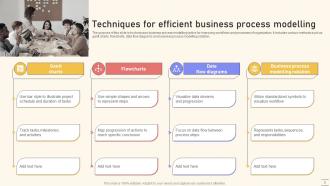
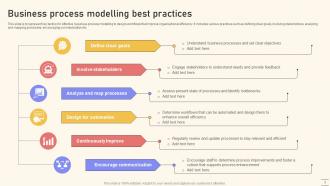
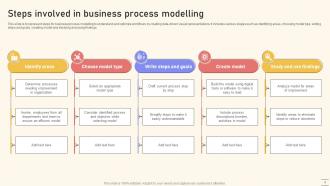
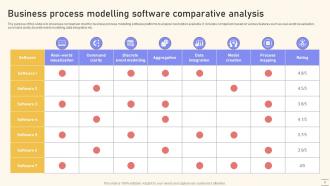
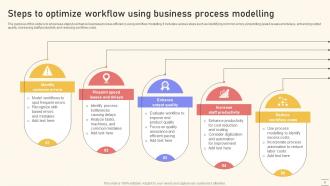
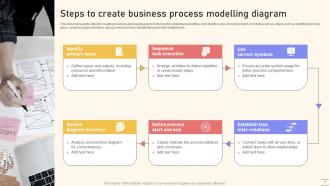
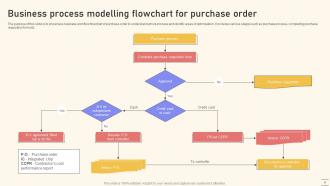
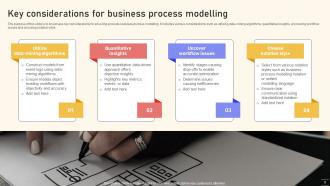
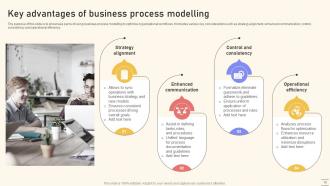
Navigate the intricate world of organizational workflows with our Business Process Modelling PowerPoint PPT presentation. This meticulously designed deck delves deep into advanced Business Process Modelling Techniques, illuminating pathways to efficiency and innovation. Unlock the secrets of the industry with Business Process Modelling Best Practices, ensuring optimal operations. With an in-depth Business Process Modelling Platform Comparison, make informed choices tailored to your enterprises needs. The presentation also outlines clear Steps for Business Process Modelling, providing a structured approach for newcomers and veterans alike. Plus, grasp the undeniable Advantages of Business Process Modelling, emphasizing its pivotal role in modern business dynamics. Ideal for business analysts, operations managers, and process consultants, this PPT is your definitive guide to mastering business process modelling.
People who downloaded this PowerPoint presentation also viewed the following :
Business Process Modelling Powerpoint Ppt Template Bundles with all 21 slides:
Use our Business Process Modelling Powerpoint Ppt Template Bundles to effectively help you save your valuable time. They are readymade to fit into any presentation structure.
FAQs for Business Process Modelling Powerpoint
Business process modeling delivers enhanced operational efficiency, improved communication across departments, reduced costs, better compliance management, and streamlined workflow optimization. Through visual mapping and systematic analysis, organizations identify bottlenecks, eliminate redundancies, and accelerate decision-making processes, with many companies finding that structured modeling ultimately enhances customer experiences while delivering significant competitive advantages.
Business process modeling improves operational efficiency by identifying bottlenecks, eliminating redundancies, and standardizing workflows across departments. Through detailed process mapping, organizations streamline resource allocation, reduce processing times, and enhance coordination between teams, with many manufacturing and financial services companies finding that systematic modeling delivers significant cost reductions and faster service delivery.
Effective business process modeling tools include Microsoft Visio, Lucidchart, Bizagi, ARIS, and Camunda, each offering unique diagramming capabilities, collaboration features, and integration options. These platforms streamline model creation by providing pre-built templates, real-time collaboration, and automated workflow generation, with many organizations finding that cloud-based solutions like Lucidchart and Process Street deliver enhanced accessibility and scalability for distributed teams.
Choosing the right modeling technique depends on process complexity, stakeholder requirements, analysis goals, and organizational maturity. While simple processes benefit from basic flowcharts, complex workflows require advanced methods like BPMN or value stream mapping, with many organizations finding that technique selection directly impacts process improvement outcomes and stakeholder engagement.
Common business process modeling mistakes include overcomplicating workflows, failing to involve key stakeholders, neglecting exception handling scenarios, creating models without clear objectives, and ignoring system integration requirements. These oversights lead to ineffective implementations, with many organizations finding that successful modeling requires stakeholder collaboration, realistic complexity levels, and comprehensive documentation that ultimately delivers operational clarity and sustainable process improvements.
Business process modeling facilitates compliance and risk management by mapping workflows to identify regulatory touchpoints, documenting control mechanisms, and establishing audit trails throughout operations. Through systematic process visualization, organizations streamline compliance monitoring, automate risk assessments, and ensure consistent adherence to standards, with many financial services and healthcare institutions finding that structured modeling significantly reduces regulatory violations while enhancing operational transparency.
Stakeholder involvement ensures business process models accurately reflect real workflows, organizational needs, and user requirements through comprehensive input gathering, validation sessions, and iterative feedback loops. Active participation from process owners, end-users, and management teams delivers more practical implementations, higher adoption rates, and sustainable process improvements, with many organizations finding enhanced buy-in significantly reduces resistance to change.
Process mapping enhances team communication by creating visual representations of workflows, establishing shared understanding of roles and responsibilities, and eliminating ambiguity around process steps. These visual frameworks streamline collaboration by providing clear reference points for discussions, enabling faster problem-solving, and ultimately delivering improved coordination, with many organizations finding that mapped processes reduce miscommunication and accelerate project timelines.
BPMN focuses specifically on business process workflows with standardized notation for events, gateways, and process flows, while UML offers broader system modeling capabilities including structural diagrams, use cases, and software architecture. BPMN delivers clearer process visualization for business stakeholders and operational teams, whereas UML enables comprehensive system design across software development projects, with many organizations finding that BPMN streamlines process improvement initiatives more effectively.
Business process modeling contributes to continuous improvement by providing visual documentation of current workflows, identifying bottlenecks and inefficiencies, and establishing baseline metrics for performance measurement. These detailed process maps enable organizations to systematically analyze operations, test optimization scenarios, and track improvement outcomes, with many manufacturing and service companies finding that structured modeling accelerates their lean initiatives and operational excellence programs.
Key metrics for evaluating business process model effectiveness include cycle time, cost per transaction, error rates, resource utilization, customer satisfaction scores, and compliance adherence levels. These measurements enable organizations to identify bottlenecks, optimize resource allocation, and enhance operational efficiency, with many companies finding that systematic metric tracking delivers significant cost reductions and improved service delivery.
Business process modeling helps identify bottlenecks and inefficiencies by visualizing workflows, mapping resource allocation, analyzing cycle times, and revealing redundant steps across operations. Through detailed process mapping, organizations can pinpoint delays in approval chains, resource constraints in manufacturing, and communication gaps in customer service, ultimately enabling targeted improvements that streamline operations and enhance overall efficiency.
Business process modeling supports digital transformation by identifying inefficiencies, mapping current workflows, and designing optimized future states that leverage automation and technology. Through detailed process visualization, organizations streamline operations, eliminate redundancies, and integrate digital tools more strategically, with many enterprises finding that systematic modeling accelerates transformation timelines while minimizing implementation risks.
Visual representation in business process models enhances understanding by transforming complex workflows into clear diagrams, flowcharts, and process maps that reveal bottlenecks, dependencies, and decision points at a glance. These visual tools enable organizations to streamline operations, reduce training time, and improve cross-departmental communication, with many companies finding that visual models accelerate process optimization and facilitate faster employee onboarding.
Business process documentation best practices include creating clear visual flowcharts, defining roles and responsibilities, establishing standardized templates, maintaining version control, and ensuring accessibility across teams. These practices streamline knowledge transfer, reduce training time, and enhance operational efficiency, with many organizations finding that comprehensive documentation enables faster onboarding, minimizes process variations, and ultimately delivers improved compliance and competitive advantage.
-
The best part about SlideTeam is their meticulously prepared presentations (complete-decks and single-slides both), infused with high-quality graphics and easy to edit. All-in-all worthy products.
-
Perfect template with attractive color combination.