

Business purchase due diligence powerpoint presentation slides





Try Before you Buy Download Free Sample Product
 Impress Your
 Audience
 100%
100% Editable
 Save Hours
 of Time


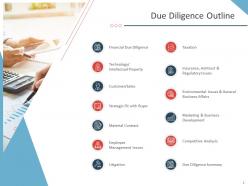
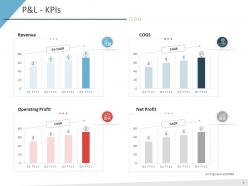
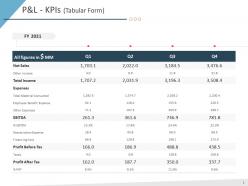
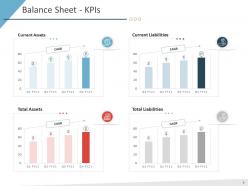
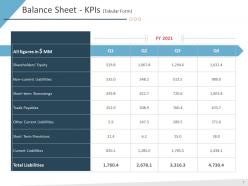
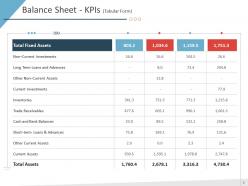
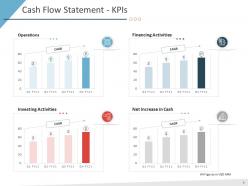
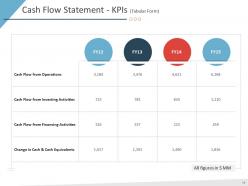
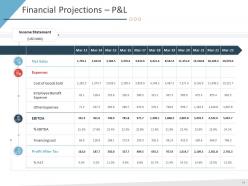
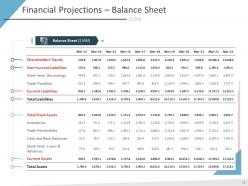
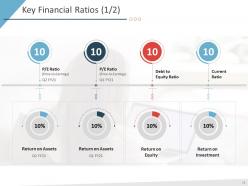
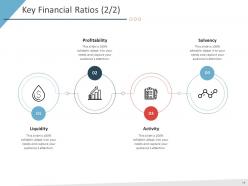
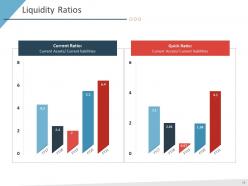
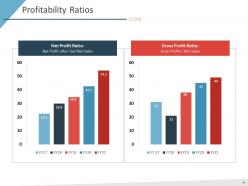
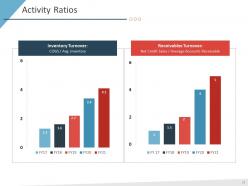
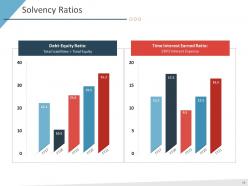
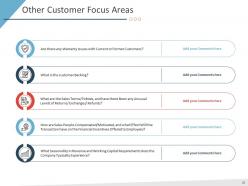
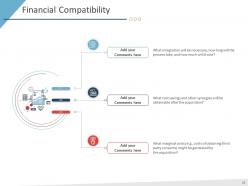
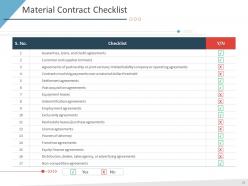
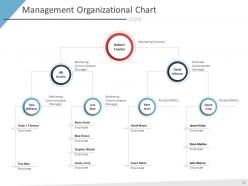
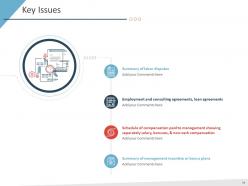
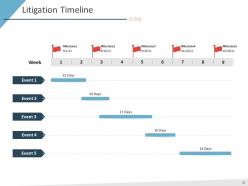
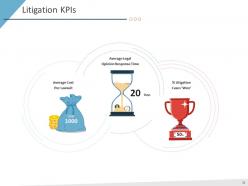
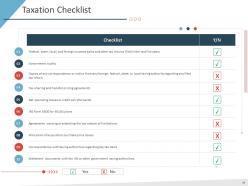
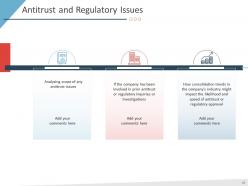
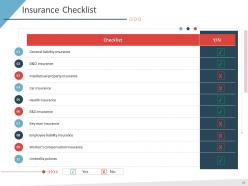
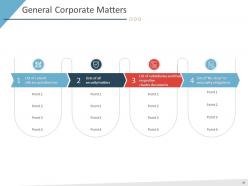
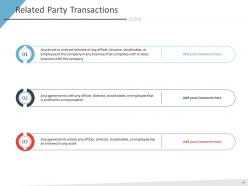
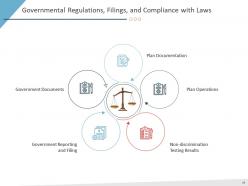
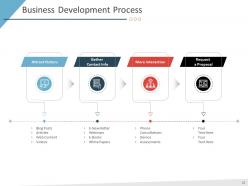
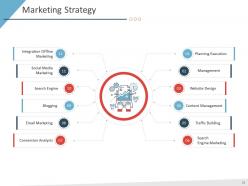
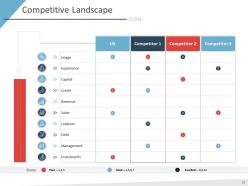
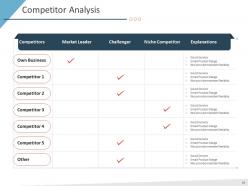
Introducing Business Purchase Due Diligence PowerPoint Presentation Slides. The presentation showcases the balance sheet KPIs, cash flow statements, financial projections, key financial ratios, and liquidity ratios. Take advantage of the due diligence checklist PowerPoint slideshow to showcase the company’s activity ratios. Provide information on top customers and revenue of the company, focus areas, business, and financial compatibility. Display material contract checklist, management organization chart, key issues, and litigation timeline with the help of ready-to-use PowerPoint templates. The slides allow you to present a taxation checklist, insurance antitrust, and regulatory issues straightforwardly. Utilize our professionally designed commercial due diligence PPT themes to mention the environmental problems faced by the industry, general corporate matters, information about related party transactions, and government regulations. Describe business development process, marketing strategy, and perform competitive analysis by incorporating financial due diligence checklist PPT presentation.
People who downloaded this PowerPoint presentation also viewed the following :
Business purchase due diligence powerpoint presentation slides with all 71 slides:
Use our Business Purchase Due Diligence Powerpoint Presentation Slides to effectively help you save your valuable time. They are readymade to fit into any presentation structure.


























FAQs for Business purchase due diligence
Key factors include revenue streams, cash flow patterns, debt obligations, asset valuations, and historical financial performance trends. Through comprehensive analysis of these elements, organizations can identify potential risks, verify stated earnings, and assess operational efficiency, with many investors finding that thorough financial evaluation ultimately delivers greater deal certainty and strategic advantage.
Businesses can effectively assess operational capabilities through financial analysis, performance metrics evaluation, supply chain assessment, technology infrastructure review, and workforce capability analysis. Through comprehensive audits and site visits, acquiring companies examine production processes, quality control systems, and operational efficiency indicators, while evaluating management structure and scalability potential, ultimately delivering strategic insights for informed investment decisions.
Market analysis provides comprehensive insights into industry dynamics, competitive positioning, customer demographics, growth potential, and market share opportunities during due diligence evaluations. This strategic assessment enables investors and acquirers to validate business projections, identify market risks and expansion possibilities, and determine fair valuations, with many financial institutions finding that thorough market analysis significantly enhances investment decision-making accuracy.
Compliance and regulatory assessment is critical in business due diligence, helping identify legal risks, potential penalties, operational restrictions, and regulatory gaps that could impact valuation and operations. Through comprehensive compliance reviews, organizations can uncover hidden liabilities, assess ongoing regulatory costs, and evaluate future compliance requirements, ultimately enabling informed investment decisions and strategic risk mitigation.
Legal due diligence red flags include pending litigation, regulatory violations, intellectual property disputes, employment law issues, and unclear contract terms. These warning signs can significantly impact valuation and future operations, with many investors finding that unresolved legal matters, especially in heavily regulated sectors like healthcare and financial services, often lead to costly post-acquisition complications and operational disruptions.
Technology streamlines due diligence through AI-powered document analysis, automated data extraction, virtual data rooms, and predictive analytics tools. These solutions accelerate document review, enhance accuracy in financial modeling, and enable remote collaboration, with investment firms and M&A teams finding significantly reduced timelines and improved risk assessment capabilities.
Essential due diligence documents include financial statements, tax returns, legal contracts, intellectual property records, and regulatory compliance files. These materials enable investors and acquirers to assess operational risks, verify revenue streams, and evaluate strategic value through comprehensive analysis, with many organizations finding that thorough document review ultimately delivers faster deal closure and enhanced investment confidence.
Cultural fit evaluation involves assessing leadership styles, employee engagement surveys, communication patterns, decision-making processes, and organizational values alignment through interviews and workplace observations. Investment teams increasingly conduct cultural audits alongside financial reviews, with many private equity firms finding that cultural misalignment significantly impacts post-acquisition integration success, employee retention, and ultimately deal value creation.
M&A due diligence involves comprehensive operational integration analysis, cultural compatibility assessment, regulatory compliance review, and synergy identification, while investment due diligence focuses primarily on financial performance, market positioning, and growth potential evaluation. M&A processes require deeper organizational scrutiny, including workforce integration planning and system compatibility analysis, ultimately delivering strategic combination insights that investment evaluations don't necessitate.
Key performance metrics include revenue growth rates, profit margins, EBITDA trends, cash flow patterns, customer acquisition costs, and market share data. These financial and operational indicators help investors assess profitability, operational efficiency, and competitive positioning, with many acquisition teams finding that combining quantitative metrics with qualitative assessments delivers comprehensive insights into long-term viability and strategic value.
Businesses can protect themselves through comprehensive insurance coverage, detailed contractual indemnifications, escrow arrangements, and strategic purchase price adjustments based on identified risks. Many organizations also establish specific warranty provisions and liability caps while conducting phased acquisitions, ultimately enabling them to proceed confidently with transactions while minimizing exposure to unforeseen financial or operational challenges.
Common due diligence pitfalls include rushing timelines, relying on incomplete financial data, overlooking regulatory compliance issues, inadequate competitive analysis, and insufficient cultural assessment. These oversights can lead to costly post-acquisition surprises, with many organizations finding that thorough legal review, technology infrastructure evaluation, and management team assessment ultimately deliver better investment outcomes and strategic advantage.
Due diligence significantly impacts negotiations by revealing critical information that influences deal terms, pricing adjustments, and risk allocation strategies. Through comprehensive financial, legal, and operational analysis, buyers can negotiate warranty provisions, indemnification clauses, and purchase price modifications, while sellers can address concerns proactively, ultimately enabling more informed decision-making and balanced deal structures.
Stakeholder interviews provide critical insights into company culture, operational challenges, leadership effectiveness, and strategic risks that financial documents cannot reveal. These conversations with employees, customers, suppliers, and partners enable acquirers to assess management credibility, identify potential integration issues, and uncover hidden liabilities, ultimately delivering more informed investment decisions and smoother post-acquisition transitions.
Companies should document due diligence findings through comprehensive reports, structured data repositories, executive summaries, risk matrices, and compliance tracking systems. These documentation methods enable organizations to reference historical analyses, streamline future transactions, and maintain regulatory compliance, with many financial institutions and consulting firms finding that systematic documentation ultimately delivers faster decision-making and enhanced strategic planning capabilities.
-
Innovative and attractive designs.
-
Unique and attractive product design.
-
The Designed Graphic are very professional and classic.
-
Understandable and informative presentation.
-
Really like the color and design of the presentation.
-
Helpful product design for delivering presentation.
-
Good research work and creative work done on every template.
-
Wonderful templates design to use in business meetings.
-
Really like the color and design of the presentation.
-
Very unique and reliable designs.