

Business reputation management deck powerpoint presentation slides





Try Before you Buy Download Free Sample Product
 Impress Your
 Audience
 100%
100% Editable
 Save Hours
 of Time


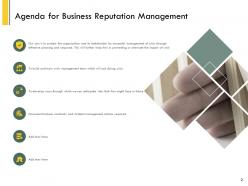
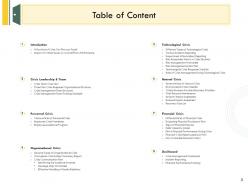
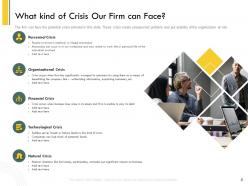
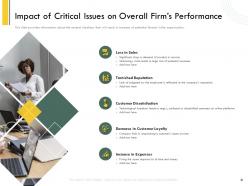
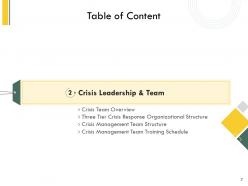
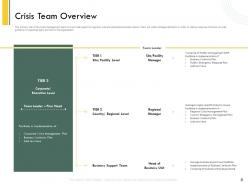
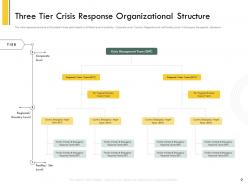
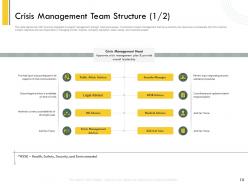
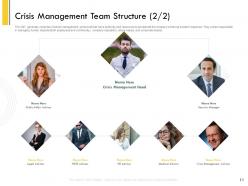
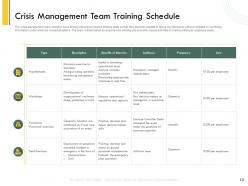
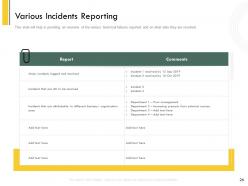
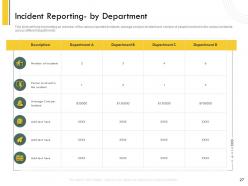
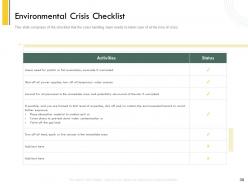
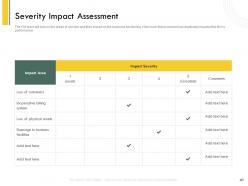
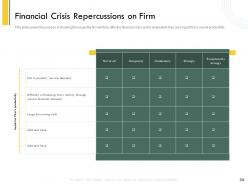
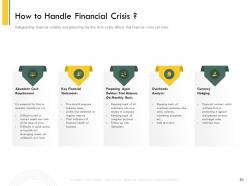
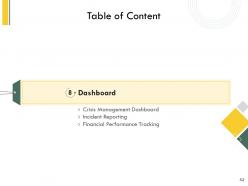
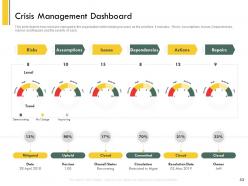
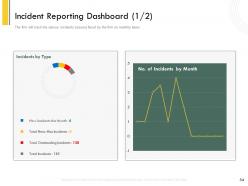
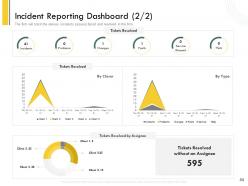
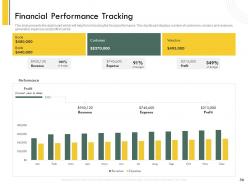
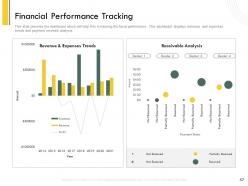
Our Business Reputation Management Deck PowerPoint Presentation Slides will help an organization to constantly monitor and manage the company’s online presence so that it is perceived in an accurate and positive light. The goodwill management PPT template helps to protect the organization and its stakeholders by successful management of the crisis through effective planning and response. This crisis management PowerPoint presentation throws light on the types of crises like personnel crisis, organizational crisis, financial crisis, technological crisis, and natural crisis. The threat management PPT design also includes the impact of critical issues like the loss in sales, tarnished reputation, customer dissatisfaction, a decrease in customer loyalty, and an increase in expenses. Give an overview of your company’s crisis team; develop a three-tier crisis response organizational structure, the threat management team structure, and its training schedule with this crisis checklist PowerPoint presentation. Highlight a crisis management dashboard, incident reporting, and financial performance tracking in the discrepancy management PPT graphic.
People who downloaded this PowerPoint presentation also viewed the following :
Business reputation management deck powerpoint presentation slides with all 65 slides:
Use our Business Reputation Management Deck Powerpoint Presentation Slides to effectively help you save your valuable time. They are readymade to fit into any presentation structure.


FAQs for Business reputation management deck
So basically you've gotta stay on top of what people are saying - check review sites, social media, Google, all that stuff. When bad reviews hit, jump on them fast with real solutions, don't just ignore it. Also push your happy customers to actually leave reviews (they never do it on their own, it's annoying). The trick is doing this consistently instead of panicking when drama happens. Oh, and set up Google Alerts for your business name - takes like two seconds but you'll catch things way faster.
Honestly, you can't just wing this stuff - gotta be intentional about managing your online rep. Post good content regularly on social and your site. Reply to every review (even when customers are being totally unreasonable, ugh). Most companies skip this basic work then wonder why their reputation tanks. Google Alerts will tell you what people are saying behind your back. Oh, and don't wait for problems to blow up - spend like 30 minutes each day engaging with people. Way easier to handle issues when they're small rather than after they've already spiraled.
Dude, social media is where your rep lives now. People talk about your business constantly - with or without you there. Set up Google Alerts so you catch mentions early, before stuff gets messy. Each platform's different though - Twitter's chaos, LinkedIn's all buttoned-up, Instagram needs pretty pictures. Honestly Facebook still matters even if it feels ancient. You gotta respond to everything, good and bad comments. Just stay consistent with your brand voice across all of them. Check your mentions daily because one angry customer can spiral fast if you ignore it.
Honestly, reviews can totally make or break you now. People Google your business and boom - that's the first thing they see. Good ones help with trust and even search rankings. But negative reviews? They spread like wildfire and never go away. It's crazy how one bad review can outweigh like twenty good ones in people's heads. The key thing though - and this surprised me when I learned it - is that responding matters just as much as the actual reviews. So keep an eye on them and always reply professionally, especially when someone's complaining.
Ugh, reputation crises are the worst but you gotta move quick. Own up to it publicly - seriously, don't even think about deflecting because that'll blow up in your face every single time. Make actual changes to fix what broke, then tell people about those changes openly. So many companies just apologize and call it a day, which is honestly baffling to me. You'll need consistent follow-through to rebuild trust. Keep an eye on social media and review sites. If things get really messy, maybe bring in a crisis PR team? Bottom line: prove you've changed through actions, not just empty apologies.
Check your Google and Yelp scores monthly - are ratings trending up? That's your easiest win. Social media sentiment tools can track how people actually talk about you (some are surprisingly good now). I'd also survey customers directly about trust levels since that matters more than vanity metrics. Brand mentions tell you a lot too. Are they positive or just complaining? Website traffic from people searching your name usually correlates with better reputation. Oh, and don't forget conversion rates - if reputation's improving but sales aren't, something's off. Set realistic monthly goals and actually stick to measuring them.
Okay so first thing - reply fast. Like, within hours if you can. Acknowledge what they're saying without getting all defensive (even when they're being totally unfair, which honestly happens more than it should). Apologize for their bad experience and offer something concrete to fix it. Try moving the convo to DMs or email when possible. The real audience here isn't just the angry customer - it's everyone else scrolling by. They want to see you actually care about solving problems. Even if someone's being completely unreasonable, staying calm and professional makes you look good to potential customers reading along.
Honestly, your employees are basically walking billboards for your company. Happy ones will rave about working there, give amazing customer service, and post genuine stuff about your culture. But here's the thing - miserable employees? They're brutal. They'll trash you on social media, treat customers like garbage, and warn job candidates to stay away. I've seen it happen so many times. The damage spreads fast too. Your best bet is surveying people regularly and then actually doing something with what they tell you. Don't just collect feedback and ignore it.
Dude, start with Google Alerts - it's free and honestly catches way more mentions than you'd think. Just plug in your company name and whatever keywords matter. If you want something fancier, try Mention or Brand24. They'll scan social media, blogs, all that stuff in real-time and even tell you if people are being nice or talking trash about you. Hootsuite's got monitoring tools too, though I feel like their interface is kind of clunky? Anyway, I'd say test Google Alerts first, maybe grab a free trial of one paid tool to see what you're working with. Don't put this off though - set it up this week.
Honestly, stories are what make people actually give a shit about your business instead of scrolling past. Think about it - you remember bedtime stories from when you were five, but can't recall yesterday's Instagram ad. Share real stuff: how you started, times you screwed up and bounced back, customers who made your day. That emotional connection beats fancy marketing copy every time. I'd start collecting these moments now and just... work them into whatever content you're already making. People want to see the human side, not another corporate robot. Makes all the difference.
Just be real about everything—don't fake reviews or try hiding the bad ones. I get that it's tempting to delete criticism, but respond honestly instead. When you address complaints publicly, keep customer details private (obviously), and don't go after people who trash your business online. That never ends well. Focus on actually fixing problems rather than just making things look good. You want real trust, not some fake polished image that'll crumble eventually. Do a quick check of what you're doing now—if you'd be mortified seeing it on the front page tomorrow, probably time to change it.
Honestly, being transparent is huge for your reputation. People can spot fake corporate speak from a mile away now - especially with social media blowing everything up. I've watched companies completely crash because they tried hiding their screwups instead of just being real about them. Your customers aren't stupid, you know? They'll trust you way more if you're upfront about your processes and mistakes rather than acting all secretive. The trick is getting ahead of problems before someone else calls you out. Maybe start by looking at what you're keeping under wraps - bet half of it doesn't even need to be secret.
Think of CSR as reputation insurance, honestly. You're building up goodwill that'll protect you when shit hits the fan. Younger consumers especially won't buy from companies that only care about profit - they want to see values. The trick is being genuine about it though. People can spot fake do-gooder stuff immediately and it backfires hard. Environmental programs, community work, ethical sourcing - whatever you do, make sure it actually matches how you run your business. Don't just slap some green initiatives on terrible practices and call it a day.
Honestly, I'd go with monthly if you can manage it. Quarterly is the bare minimum, but things move so fast now - one bad review goes viral and suddenly you're dealing with a mess you didn't see coming. Monthly gives you better control without drowning in daily drama. Plus quarterly feels kinda lazy to me? I mean, three months is forever in internet time. If you're already dealing with reputation problems, definitely do it monthly until things calm down. Oh, and actually put it in your calendar right now or you'll totally forget.
Look, reputation and loyalty go hand in hand - can't really have one without the other. Customers who trust you stick around, simple as that. But mess up your reputation? They'll bolt to your competitors so fast it'll make your head spin. Here's the cool part though - loyal customers actually cut you some slack when you do screw up (and we all do sometimes). So yeah, stay on top of your online reviews, jump on complaints quickly, and don't forget to highlight the wins. It's honestly one of those things that feeds itself once you get it rolling.
-
Best way of representation of the topic.
-
Great quality product.
-
Excellent design and quick turnaround.
-
Best way of representation of the topic.
-
Excellent products for quick understanding.
-
Out of the box and creative design.
-
Easy to edit slides with easy to understand instructions.