


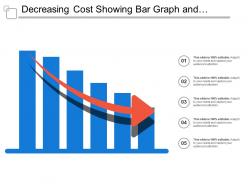
1825708 style concepts 1 decline 5 piece powerpoint presentation diagram infographic slide





Try Before you Buy Download Free Sample Product
 Impress Your
Audience
 100%
Editable
 Save Hours
of Time


Brief folks about attractions en route with our Decreasing Cost Showing Bar Graph And Downward Arrow. Facilitate a happy journey.
1825708 style concepts 1 decline 5 piece powerpoint presentation diagram infographic slide with all 5 slides:
Let our Decreasing Cost Showing Bar Graph And Downward Arrow absorb your anxiety. They help you adjust to the frenetic pace.


FAQs for 1825708 style concepts 1 decline 5 piece powerpoint presentation
Effective cost reduction strategies include automating routine processes, renegotiating supplier contracts, implementing energy-efficient technologies, outsourcing non-core functions, and optimizing inventory management through data analytics. These approaches streamline operations by eliminating redundancies, reducing overhead expenses, and improving resource allocation, with many small businesses finding that strategic automation and vendor consolidation deliver significant savings while enhancing competitive positioning.
Companies can leverage automation, cloud computing, AI-powered analytics, process optimization software, and digital workflow systems to achieve significant cost reductions. These technologies streamline operations by eliminating manual tasks, reducing infrastructure expenses, and optimizing resource allocation, with many organizations finding that strategic technology adoption delivers 20-40% operational savings while enhancing productivity.
Employee training plays a crucial role in cost reduction by improving operational efficiency, reducing errors and rework, minimizing workplace accidents, and enhancing productivity across all departments. Through strategic training programs, organizations streamline processes, reduce compliance violations, and accelerate employee performance, with many companies finding that comprehensive training initiatives ultimately deliver significant savings and competitive advantages.
Supply chain optimization reduces costs through strategic vendor negotiations, inventory management automation, demand forecasting analytics, and logistics route optimization. These approaches streamline operations by minimizing waste, reducing storage expenses, and accelerating delivery times, with many manufacturing and retail organizations finding that integrated supply chain technologies ultimately deliver 15-30% cost savings while enhancing customer satisfaction.
Innovative marketing cost reduction strategies include leveraging user-generated content, implementing marketing automation tools, utilizing micro-influencers over celebrity endorsements, repurposing existing content across multiple channels, and optimizing organic social media engagement. These approaches streamline campaign management while maintaining brand authenticity, with many businesses finding that strategic automation and community-driven content actually enhance audience engagement and deliver superior ROI.
Outsourcing specific functions reduces costs through lower labor expenses, eliminated infrastructure investments, reduced training expenditures, and access to specialized expertise without full-time salaries. Companies in manufacturing, IT services, and customer support find that outsourcing non-core activities like payroll processing, technical support, and data entry ultimately delivers operational efficiency and enhanced resource allocation for strategic priorities.
Businesses can conduct thorough cost-benefit analysis by systematically reviewing operational expenses, benchmarking against industry standards, analyzing departmental spending patterns, and evaluating ROI across all business functions. This strategic approach enables organizations to identify redundancies, streamline processes, and prioritize high-impact reductions, with many companies finding that data-driven analysis delivers 15-30% operational savings while maintaining service quality.
Bulk purchasing significantly reduces per-unit costs for retailers through volume discounts, lower shipping expenses, reduced administrative overhead, and enhanced supplier negotiation power. Grocery chains and department stores leverage these economies of scale to achieve 15-30% cost savings, ultimately enabling competitive pricing strategies while maintaining healthy profit margins in increasingly price-sensitive markets.
Energy efficiency initiatives reduce organizational costs by minimizing utility expenses, decreasing equipment maintenance needs, and optimizing resource consumption across facilities. These strategic improvements deliver immediate savings through lower energy bills and long-term benefits via extended equipment lifecycles, with many manufacturing and retail organizations finding operational cost reductions of 15-30% annually.
Aggressive cost-cutting risks include reduced employee engagement, increased turnover, declining productivity, weakened team collaboration, and erosion of company culture. While organizations pursuing rapid cost reduction may achieve short-term savings, many find that strategic approaches balancing efficiency with employee investment ultimately deliver better retention, sustained performance, and competitive advantage.
Companies should monitor metrics including cost per unit, operational efficiency ratios, profit margins, return on investment, and cost-to-revenue percentages across departments. These measurements enable organizations to track progress systematically, identify underperforming areas, and optimize resource allocation, with many finding that regular monitoring delivers sustained savings and enhanced competitive positioning.
Lean management minimizes waste and reduces costs by identifying non-value-added activities, streamlining processes, and optimizing resource allocation across operations. Through continuous improvement methodologies, organizations in manufacturing, healthcare, and financial services eliminate redundancies, reduce inventory costs, and enhance operational efficiency, ultimately delivering significant cost savings and improved competitive advantage.
Competitive analysis reveals cost reduction opportunities by benchmarking operational expenses, identifying pricing inefficiencies, analyzing resource allocation strategies, and uncovering process optimization gaps compared to industry leaders. Through systematic competitor evaluation, businesses streamline supply chains, automate redundant processes, and reallocate budgets more strategically, with many organizations finding that data-driven competitive insights deliver significant operational savings and enhanced market positioning.
Businesses can maintain quality during cost reduction by implementing strategic process optimization, leveraging automation technologies, renegotiating supplier contracts, and focusing on operational efficiency rather than cutting essential resources. Through careful analysis of value-adding activities, companies streamline operations while preserving core product features and customer service standards, ultimately delivering sustainable savings without compromising market competitiveness.
Implementing a continuous improvement culture delivers sustained cost reduction through enhanced operational efficiency, reduced waste, increased employee engagement, and systematic process optimization. Organizations in manufacturing, healthcare, and financial services find that fostering innovation mindsets and encouraging employee-driven solutions ultimately streamlines workflows, minimizes resource consumption, and creates competitive advantages while building long-term organizational resilience.
-
Unique research projects to present in meeting.
-
Excellent design and quick turnaround.