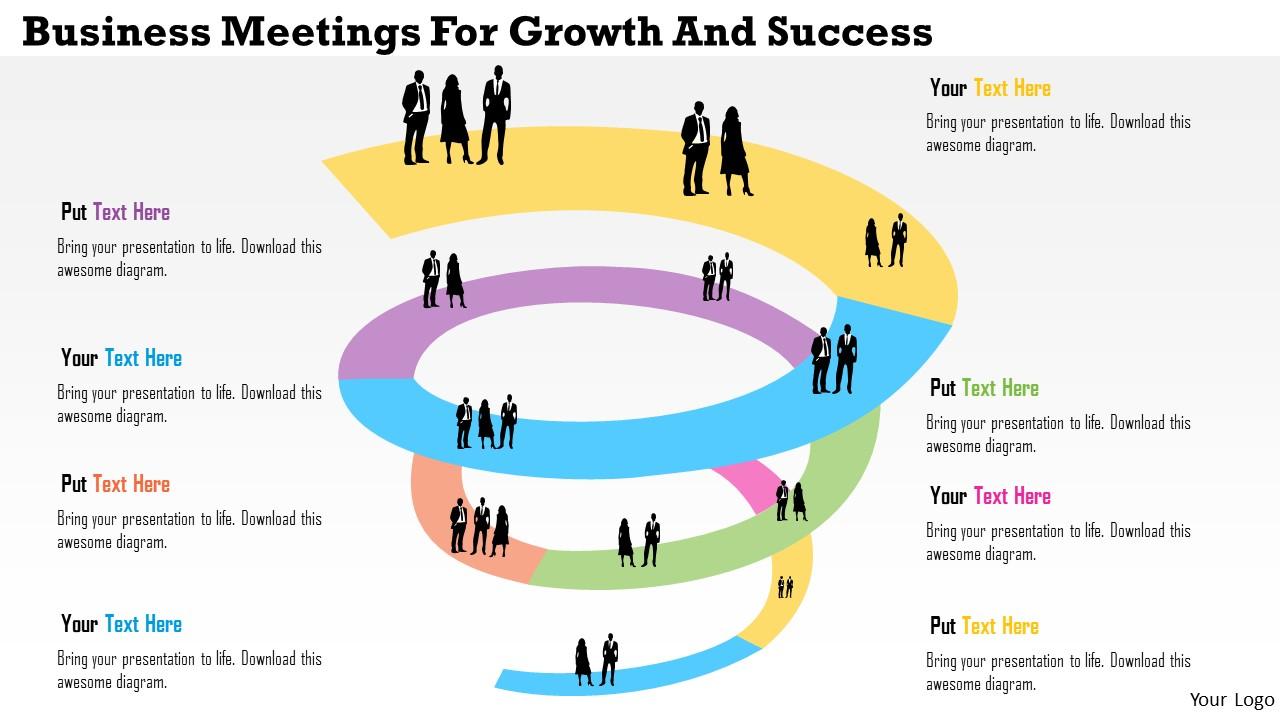
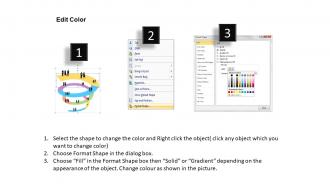
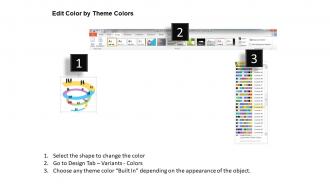
77513212 style concepts 1 growth 8 piece powerpoint presentation diagram infographic slide
Try Before you Buy Download Free Sample Product
Audience
Editable
of Time
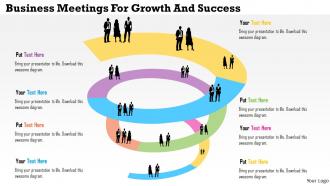
Knock out the lapses that distance you from your success. Commit yourself to the supremely built Ppt’s to add life to your business presentations. The stunning graphics are incorporated to grab the attention of the viewers and communicate your content without a hitch. Apply the use of template in functional areas like preparing your business meeting agenda, business meeting scripts, the purpose of the meetings, etiquettes of the meeting, marketing strategies and what not! The mantra of our Ppt’s is to express more in less! The smart choice of images and text placement option makes it an ideal pick to interact with your employees, investors, and clients. The other attractive feature lies in its recalibration of facts and data that provides you with the enough flexibility. Leave your viewers flabbergasted by making the use of our high-end visuals. Devise the template to be a part of your winning strategy now!. Give your thoughts the chance to bloom. Shower them with the rays of our Business Meetings For Growth And Success Flat Powerpoint Design.
77513212 style concepts 1 growth 8 piece powerpoint presentation diagram infographic slide with all 5 slides:
Discard old ways with our Business Meetings For Growth And Success Flat Powerpoint Design. Ring in the new with your ideas.
FAQs for 77513212 style concepts 1 growth 8 piece powerpoint presentation
Effective business meetings include clear objectives, structured agendas, appropriate participant selection, defined time limits, and actionable follow-up plans. These elements streamline decision-making by maintaining focus, encouraging productive dialogue, and ensuring accountability, with many organizations finding that well-structured meetings reduce operational delays while enhancing team alignment and strategic outcomes.
Presentation templates enhance meeting clarity by providing structured layouts, consistent formatting, standardized visual hierarchies, and organized content flows that eliminate confusion and cognitive overload. These frameworks enable teams to communicate complex data more effectively, reduce preparation time significantly, and ensure key messages resonate clearly, with many organizations finding that standardized templates improve decision-making speed and meeting outcomes.
Technology transforms modern business meetings through video conferencing platforms, collaborative software, real-time polling tools, digital whiteboards, and cloud-based document sharing. These solutions streamline preparation and follow-up processes, with templates providing standardized frameworks for agenda creation, note-taking, and action item tracking, ultimately enabling more efficient meetings and better cross-team collaboration in increasingly remote work environments.
Tailoring presentation templates involves adjusting content depth, visual complexity, messaging focus, and terminology to match audience expertise, priorities, and decision-making roles. For executive audiences, emphasize strategic outcomes and ROI, while technical teams require detailed methodologies and implementation specifics, with sales presentations focusing on competitive advantages and client benefits, ultimately ensuring maximum engagement and actionable outcomes.
Engagement strategies include interactive polls, breakout sessions, visual presentations, rotating discussion leaders, and scheduled movement breaks. These approaches streamline lengthy meetings by encouraging participation, maintaining energy levels, and preventing attention drift, with many organizations finding that incorporating multimedia elements and time-boxed segments ultimately delivers better outcomes and more productive discussions.
Visual aids in presentation templates support complex ideas by transforming abstract concepts into digestible charts, diagrams, infographics, and data visualizations that enhance audience comprehension and retention. These templates enable presenters to break down intricate strategies, financial projections, and operational processes into clear visual narratives, with many organizations finding that structured visual communication accelerates decision-making and builds stakeholder consensus more effectively.
Effective meeting agendas should include clear objectives, time allocations for each topic, designated discussion leaders, and pre-read materials distributed 24-48 hours in advance. These structured approaches streamline decision-making by prioritizing critical items first, limiting discussion timeframes, and defining expected outcomes, with many organizations finding that well-planned agendas reduce meeting duration by 30% while enhancing productivity.
Cultural differences significantly impact business meetings through varying communication styles, decision-making processes, hierarchy expectations, time orientations, and relationship-building approaches. While some cultures prioritize direct communication and quick decisions, others emphasize consensus-building and formal protocols, with many global organizations finding that understanding these nuances enhances collaboration, reduces misunderstandings, and ultimately delivers more productive cross-cultural partnerships.
Follow-up templates contribute to effective meeting outcomes by standardizing action items, clarifying responsibilities, maintaining accountability, and ensuring consistent communication across all participants. These structured frameworks streamline post-meeting workflows, minimize miscommunication, and accelerate project timelines, with many organizations finding that systematic follow-up processes ultimately deliver improved team productivity and measurable business results.
Common pitfalls include overloading slides with text, using mismatched design elements, failing to customize content for specific audiences, neglecting visual hierarchy, and choosing inappropriate color schemes. While templates streamline presentation creation, many organizations find that poor font choices, cluttered layouts, and generic messaging ultimately undermine meeting effectiveness, reducing audience engagement and diluting key business messages.
Incorporating feedback into presentation templates enhances meeting effectiveness by identifying content gaps, improving visual clarity, and streamlining information flow based on audience needs. This iterative approach enables organizations to develop standardized formats that reduce preparation time, increase engagement, and deliver more targeted messaging, with many companies finding that feedback-driven templates ultimately boost meeting productivity and decision-making outcomes.
Collaborative tools for meetings enhance real-time participation, document sharing, interactive brainstorming, seamless communication, and centralized decision tracking. Templates streamline these processes by providing structured frameworks for agenda planning, note-taking, and action item management, with organizations across consulting, healthcare, and technology sectors finding that standardized formats accelerate preparation while ensuring consistent outcomes and improved accountability.
Organizations ensure inclusivity and accessibility by implementing closed captions, providing materials in multiple formats, using high-contrast visuals, offering translation services, and designing screen reader-compatible content. These approaches streamline participation across diverse teams, with many companies finding that accessible presentations enhance engagement for all attendees, ultimately delivering broader participation and more comprehensive business outcomes.
**INPUT**: What are some trending design elements in presentation templates that resonate with today's business professionals? **OUTPUT**: Trending design elements include minimalist layouts, bold typography, data visualization charts, interactive elements, and sustainable color palettes that emphasize clarity and professionalism. These design approaches streamline communication by reducing cognitive load, enhancing audience engagement, and delivering compelling narratives, with many organizations finding that clean, purposeful templates ultimately accelerate decision-making processes. **Word count: 54 words**
Measuring meeting effectiveness involves tracking engagement metrics, decision outcomes, action item completion rates, participant feedback scores, and presentation clarity assessments. Organizations increasingly use post-meeting surveys, follow-up task monitoring, and ROI calculations to evaluate whether meetings drive tangible results, with many finding that structured evaluation frameworks significantly improve future meeting productivity and strategic outcomes.
-
Nice and innovative design.
-
Amazing product with appealing content and design.