

Car Parking Indicator Signboard Employee Basement Highlighted





Try Before you Buy Download Free Sample Product
 Impress Your
 Audience
 100%
100% Editable
 Save Hours
 of Time


Our Car Parking Indicator Signboard Employee Basement Highlighted are topically designed to provide an attractive backdrop to any subject. Use them to look like a presentation pro.
People who downloaded this PowerPoint presentation also viewed the following :
Car Parking Indicator Signboard Employee Basement Highlighted with all 12 slides:
Use our Car Parking Indicator Signboard Employee Basement Highlighted to effectively help you save your valuable time. They are readymade to fit into any presentation structure.

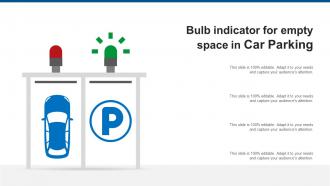
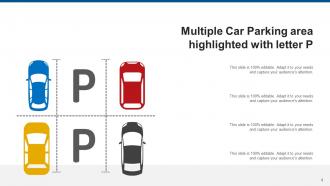
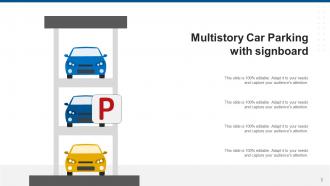
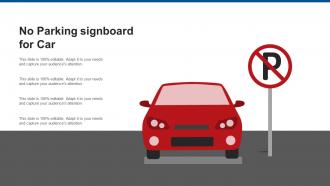
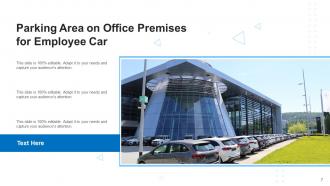
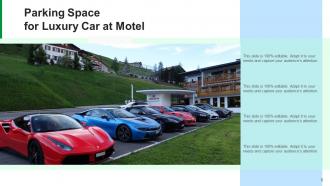
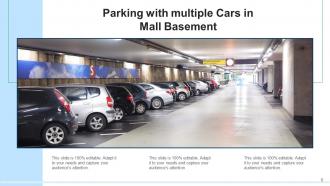
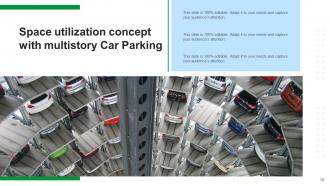

FAQs for Car Parking Indicator Signboard
Car parking indicator systems deliver reduced traffic congestion, improved air quality, enhanced driver convenience, optimized space utilization, and increased revenue generation for municipalities. These technologies streamline urban mobility by minimizing time spent searching for parking, decreasing fuel consumption, and enabling dynamic pricing strategies, with many cities finding that real-time availability data ultimately enhances overall traffic flow and citizen satisfaction.
Technology enhances car parking indicator effectiveness through real-time sensors, IoT connectivity, mobile app integration, and automated guidance systems. These innovations streamline parking management by reducing search time, minimizing traffic congestion, and optimizing space utilization, with many shopping centers and urban facilities finding that smart parking solutions ultimately deliver improved customer experiences and operational efficiency.
The most common car parking indicators include ultrasonic sensors, electromagnetic loop detectors, infrared sensors, camera-based vision systems, and smart parking apps with real-time availability displays. These technologies streamline urban parking management by reducing search time, minimizing traffic congestion, and optimizing space utilization, with many cities finding that integrated systems deliver improved driver experiences and enhanced operational efficiency.
Car parking indicators significantly reduce traffic congestion by eliminating the need for drivers to circle blocks searching for available spaces, providing real-time occupancy data through digital displays and mobile apps. These systems streamline urban traffic flow by directing vehicles efficiently to open spots, with cities like San Francisco and Barcelona finding that smart parking technology reduces search-related traffic by up to 30%, ultimately delivering faster commutes and improved air quality.
Sensors serve as the foundational technology in modern parking indicators, utilizing ultrasonic, magnetic, infrared, and computer vision systems to detect vehicle presence and availability. These sensors enable real-time monitoring by measuring distance changes, detecting metallic objects, and analyzing visual data, ultimately delivering accurate occupancy information that streamlines parking management and enhances user experiences across urban environments.
Data analytics enhances parking space management by predicting occupancy patterns, optimizing pricing strategies, identifying peak usage periods, and streamlining traffic flow through real-time insights. Through predictive modeling and historical analysis, shopping centers, airports, and urban facilities deliver reduced search times, minimized congestion, and improved customer experiences, ultimately maximizing revenue while enhancing operational efficiency.
Car parking indicators contribute to sustainable urban environments by reducing traffic congestion, minimizing fuel consumption from circling vehicles, and optimizing space utilization through real-time guidance systems. These smart technologies enable cities to streamline parking management, decrease carbon emissions by up to 30%, and enhance air quality, with many metropolitan areas finding that integrated parking solutions ultimately deliver improved urban mobility and reduced environmental impact.
Best practices for integrating car parking indicators with existing infrastructure include conducting thorough site assessments, ensuring compatibility with current electrical systems, implementing scalable sensor networks, establishing reliable data connectivity, and maintaining consistent visual standards. Through strategic placement and seamless integration with traffic management systems, organizations streamline operations, reduce installation costs, and enhance user experiences, while minimizing disruption to existing parking facilities.
Car parking indicators promote electric vehicle charging stations by displaying real-time availability of charging spots, reducing search time, and encouraging EV adoption through improved accessibility. Through smart signage and mobile integration, parking facilities can highlight charging amenities, guide drivers to available ports, and showcase sustainability initiatives, ultimately enhancing user experience while supporting cities' electrification goals and attracting environmentally conscious consumers.
**INPUT**: What are the challenges associated with the deployment of car parking indicator systems? **OUTPUT**: Deployment challenges include high installation costs, complex sensor integration, ongoing maintenance requirements, data connectivity issues, and user adoption barriers. These systems require significant infrastructure investment, especially in older facilities, while organizations must balance initial expenses with long-term operational efficiency, ultimately finding that strategic implementation delivers enhanced customer experiences and competitive advantage. **Word count: 53 words**
User experience influences car parking indicator interface design by prioritizing intuitive visual cues, real-time accuracy, and accessibility across different user demographics and lighting conditions. Effective interfaces streamline decision-making through clear color coding, readable fonts, and responsive feedback systems, with parking facilities, shopping centers, and airports finding that simplified designs reduce driver confusion, minimize search time, and ultimately enhance overall customer satisfaction while improving traffic flow efficiency.
Several successful implementations include San Francisco's SFpark system, which reduced traffic congestion by 30% through real-time space availability, Barcelona's smart parking network that decreased search time by 40%, and Singapore's urban sensors that enhanced parking efficiency across commercial districts. These systems demonstrate significant improvements in traffic flow, reduced emissions, and enhanced user experiences, with many cities finding that strategic sensor deployment delivers measurable operational efficiency and citizen satisfaction gains.
Driver feedback enhances car parking indicator development by identifying real-world usability issues, accuracy concerns, and feature gaps that laboratory testing might miss. Through user surveys, mobile app reviews, and parking facility data analysis, developers can refine sensor sensitivity, improve visual displays, and add functionality like reservation systems, ultimately delivering more intuitive parking solutions that reduce search time and enhance urban mobility experiences.
Car parking indicator technology holds significant potential through integration with IoT sensors, AI-powered predictive analytics, mobile app connectivity, and real-time data processing capabilities. These advancements enable smarter urban planning, automated parking reservations, and seamless payment integration, with cities and commercial facilities finding that enhanced systems reduce traffic congestion while delivering improved customer experiences.
Municipalities can leverage car parking indicators to improve revenue generation by automating payment collection, reducing enforcement costs, and optimizing pricing strategies based on real-time demand data. These smart systems enable dynamic pricing during peak hours, minimize revenue loss from unpaid parking, and streamline operations, with many cities finding that automated enforcement and data-driven pricing models significantly increase parking revenues while enhancing overall urban mobility management.
-
Great product with effective design. Helped a lot in our corporate presentations. Easy to edit and stunning visuals.
-
The Designed Graphic are very professional and classic.
-
Excellent design and quick turnaround.
-
Awesome use of colors and designs in product templates.