

Case competition declining user base of a telecom company powerpoint presentation slides




Try Before you Buy Download Free Sample Product
 Impress Your
 Audience
 100%
100% Editable
 Save Hours
 of Time


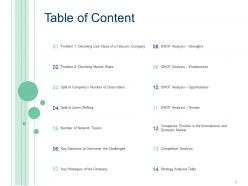
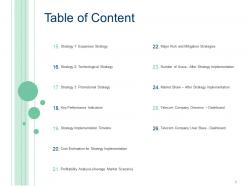
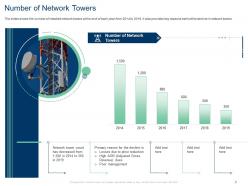
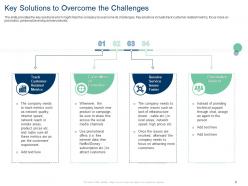
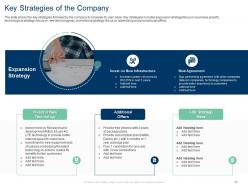
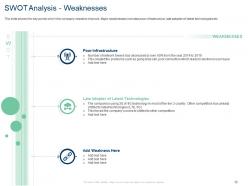
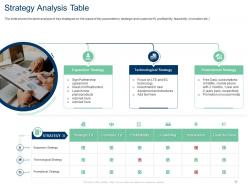
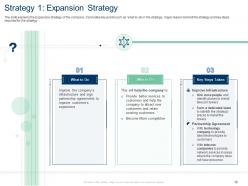
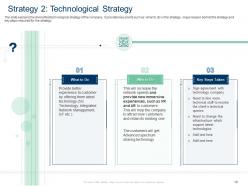
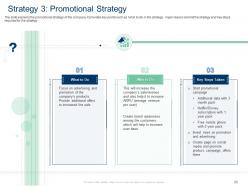
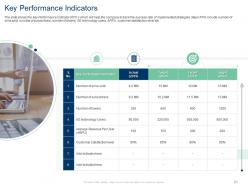
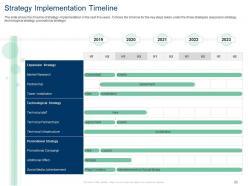
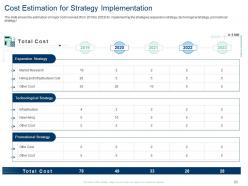
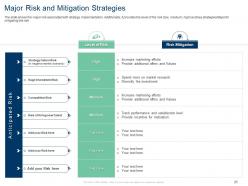
Employ these Case Competition Declining User Base Of A Telecom Company PowerPoint Presentation Slides to illustrate the key problems related to customer retention in an accessible manner. These business strategy PPT templates are expertly designed to provide an insight into the company’s workflow process, user data, and market share in a well-organized manner. Select this strategic management PPT slides to elaborate on the solutions to help the company overcome its challenges like customer-related metrics, focus on the promotion, and personalized services. This organizational development PPT slideshow can be utilized to display your company’s position in the international and national market in tabular and chart formats. Create a visual treat for your audiences by incorporating these well-designed marketing strategy layouts to illustrate various growth elements like technology, advertisement tools, etc. To stay ahead of the competition, use this stagnant business PPT presentation to analyze the market scenario and mitigate any potential risks affecting your business activities. You can convey your company’s background, vision, mission, and core values in an attractive yet informative way through this business analysis PPT deck.
People who downloaded this PowerPoint presentation also viewed the following :
Case competition declining user base of a telecom company powerpoint presentation slides with all 38 slides:
Use our Case Competition Declining User Base Of A Telecom Company Powerpoint Presentation Slides to effectively help you save your valuable time. They are readymade to fit into any presentation structure.





FAQs for Case competition declining user base of a telecom company
Honestly, it's mostly cord-cutting and everyone going digital. Traditional phone companies are getting crushed by VoIP services and streaming stuff. People keep their phones way longer now too - mine's ancient but whatever, it works. Mobile-only households are everywhere, especially younger people who just want unlimited data plans instead of landlines. Oh and those cheap discount carriers aren't helping the big guys either. Market's pretty saturated at this point. Your best bet? Bundle services together and actually invest in decent digital options. Competition's brutal right now.
Dude, so Netflix basically killed cable TV, WhatsApp murdered SMS, and Zoom crushed long-distance calls. Telecoms are watching their revenue streams dry up while data usage goes crazy (which is literally their only win right now). The annoying part? These OTT companies deliver way better experiences at lower costs by using telecom infrastructure without paying much for it. Honestly feels unfair when you think about it. Most telecoms have just accepted they're becoming data pipe providers now and started partnering with OTT services instead of trying to compete.
Honestly, customer service can totally make or break telecom retention. You know how it goes - your wifi dies at 2am (why is it always 2am?), and how fast they fix it basically determines if you'll stick around. Most people switch providers because of crappy support, even when the actual service works fine. Here's the thing though - internet service is pretty much the same everywhere now, so how you treat customers becomes what sets you apart. Long wait times are death. Your support team needs to actually fix stuff on the first call instead of passing people around.
Yeah, 5G is definitely helping carriers keep customers around longer. People actually have solid reasons to stay now - like getting decent speeds for gaming and streaming on their phones. What's really smart is how it's opened up totally new ways to make money. IoT stuff, smart home bundles, business solutions that just couldn't work with 4G speeds. The retention rates have been pretty impressive, honestly. The trick isn't just selling "faster internet" though - carriers who bundle 5G with other services are crushing it. That's what you should look for when tracking market trends. Way more telling than just subscriber numbers.
Younger people are dropping traditional telecom like crazy - way faster than older folks. Makes sense though, right? They grew up glued to smartphones so why would they want a landline? Most are going full wireless or just using VoIP for calls. Rural areas are different - they're cutting services more because of cost and crappy options. Boomers still love their bundles but even they're starting to freak out over those insane monthly bills. You'll need totally different retention tactics for each age group. What keeps your 60-year-old customers happy won't work on millennials at all.
Dude, pricing is huge for keeping telecom customers around. Jack up rates without obvious value? People will jump ship so fast. Most folks see it as a commodity anyway - just want decent service that doesn't break the bank. Hidden fees are loyalty killers, but transparent pricing builds trust. Promo rates work great for grabbing new customers, though they usually bail when prices spike later (classic move, honestly). You gotta hit that balance between staying competitive and actually making money. Then make sure people understand why they're paying what they're paying.
Honestly, start with personalized plans that actually match how people use their phones - none of that one-size-fits-all BS. AI can help figure out individual usage patterns. 5G is your next big play, but make it interesting... AR shopping experiences, gaming partnerships, stuff that feels futuristic. Bundle everything with streaming or smart home gear since that's where we're all going anyway. The whole point is making them feel like they're upgrading their entire lifestyle, not just swapping carriers. Pick one thing first though - don't try everything at once. Test what actually works before going all in.
Dude, messaging apps and social media are basically destroying traditional telecom. WhatsApp video calls, Instagram DMs, Skype - nobody's using their actual phone plan minutes anymore. It's crazy how quick this happened, like within just a few years? Telecom companies are scrambling now. They're either cutting prices or going all-in on data packages since that's what people actually want. Oh, and you should definitely check which apps your customers use most - that'll show you where the next exodus is coming from.
Look, UX and service quality are make-or-break for keeping customers. Dropped calls and slow data? People bail immediately. Poor network performance can bump churn rates up 15-25%, which is brutal. Plus switching carriers is ridiculously easy now with number portability - literally takes like 20 minutes online. The competition's fierce, so even minor issues send customers running to Verizon or whoever. I'd focus hard on monitoring your network proactively and fixing problems fast. Way cheaper than constantly hunting for new customers to replace the ones you're losing.
Yeah, it's wild how much regulatory stuff is changing the telecom game right now. New companies keep jumping in because the FCC made it easier to get spectrum and switch carriers. Your customers can basically bounce to competitors without much hassle now. Net neutrality debates aren't helping either - creates this weird uncertainty that messes with investment decisions. Customer retention has become way trickier across the industry. I'd probably dig into which specific regulations are screwing with your market segment the most. Oh, and good luck tracking all this - feels like something new drops every week.
Oh bundling is such a game changer for keeping customers around! Think about it - when someone has their internet, TV, and phone all with one company, canceling becomes this huge pain. They'd have to set everything up again somewhere else, which honestly who has time for that? The money savings are real too compared to buying everything separately. Each extra service you bundle makes people way more likely to stick around (I think I read somewhere it's like exponential or whatever). If you're dealing with people leaving, I'd definitely check how many customers actually have bundles first. That's usually the issue.
Dude, social media totally controls how people see telecom companies now. One outage complaint blows up on Twitter and suddenly everyone thinks your service sucks. Meanwhile your competitors are posting their coverage wins in real-time. People don't trust those fancy commercials anymore - they want to see real customer experiences and influencer posts that don't feel forced. Honestly, the companies that nail it are the ones responding fast to complaints and actually being genuine on platforms like TikTok. Crisis response speed matters way more than perfect marketing campaigns these days.
Honestly, churn data is like having a crystal ball for your business problems. Look at when people are bailing - first month usually means your onboarding sucks, but after a year? That's service or pricing issues. The patterns tell the real story though. Maybe everyone's leaving after billing screwups or because coverage is trash in certain neighborhoods. Oh, and timing really matters when competitors start throwing around better deals. Once you spot the biggest pain points, fix those first. Way more effective than trying to solve everything at once, and you'll actually see results faster.
Look, rural vs urban markets are just completely different beasts. Rural customers bail faster because they've got crappy infrastructure and limited choices - so when someone new shows up, they're gone. Cities? Total opposite problem. Too many providers means everyone's slashing prices to stay competitive, which kills your profits even if people stick around. Oh, and income gaps matter too - you can't sell premium stuff where people don't have premium budgets. Honestly, trying to use the same retention strategy everywhere is pretty much setting yourself up to fail. You've gotta tailor your approach by region.
Honestly, you've probably got way more data than you realize - call logs, usage patterns, support tickets, billing stuff. Map out where customers actually interact with you first. Then look for the warning signs before they bail - like suddenly calling support more or using way less data. Companies totally miss this because they just stare at billing numbers all day (been there!). Segment people by what they actually do, not just age/location stuff. Build models to flag who's about to leave. The trick is catching patterns across all those touchpoints, not just one silo.
-
Very unique and reliable designs.