

Case For Action Powerpoint PPT Template Bundles





Try Before you Buy Download Free Sample Product
 Impress Your
 Audience
 100%
100% Editable
 Save Hours
 of Time


Our Case For Action Powerpoint PPT Template Bundles are topically designed to provide an attractive backdrop to any subject. Use them to look like a presentation pro.
People who downloaded this PowerPoint presentation also viewed the following :
Case For Action Powerpoint PPT Template Bundles with all 17 slides:
Use our Case For Action Powerpoint PPT Template Bundles to effectively help you save your valuable time. They are readymade to fit into any presentation structure.
-

Case for Action
-
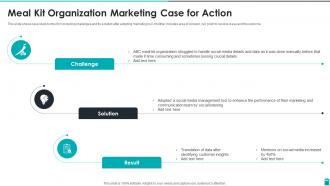
Meal Kit Organization Marketing Case for Action
-
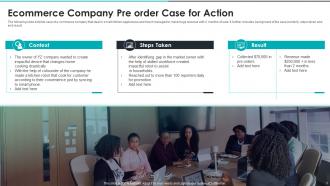
Ecommerce Company Pre order Case for Action
-
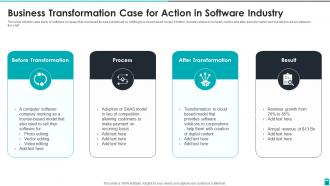
Business Transformation Case for Action in Software Industry
-
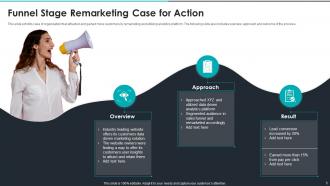
Funnel Stage Remarketing Case for Action
-
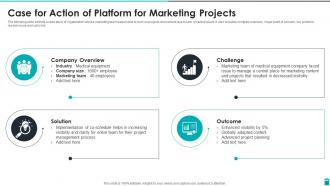
Case for Action of Platform for Marketing Projects
-
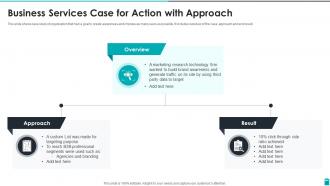
Business Services Case for Action with Approach
-
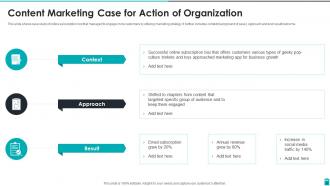
Content Marketing Case for Action of Organization
-
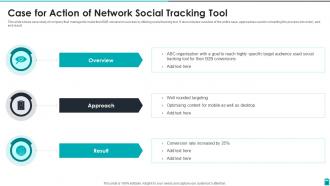
Case for Action of Network Social Tracking Tool
-
Business and Finance Analytics Case for Action Icon
-
E commerce Company Case for Action Icon
-

Thanks for Watching
-

-

-

-

-

FAQs for Case For Action Powerpoint
Look, you've got three things to nail: show them why this problem matters RIGHT NOW, back it up with your best data (not every single chart you found - nobody has time for that), and tell them exactly what to do next. I always start with the "so what" factor because honestly, people tune out if they don't immediately see why they should care. Hit them with your strongest proof, then give specific action steps with deadlines. The whole thing needs to flow like you're walking them through your thinking - from "we have this issue" straight to "here's how we solve it." Focus on what actually moves the needle for them.
Stories hit different than just throwing data at people. Like, you can show someone all the stats you want, but tell them about one person who got screwed over by the problem? That's what actually sticks. People need to picture themselves in that situation - that's when they'll care enough to do something about it. Numbers are fine for backup, but honestly they're kinda forgettable. Start with a real example that shows why this matters, then throw in your facts afterward. Way more effective than leading with a boring spreadsheet.
Dude, you HAVE to know your audience first. Like, what actually keeps them awake at 3am? Their real problems should shape your entire pitch - from the title down to every piece of evidence you include. I bombed this once when I went to execs talking about saving money, but they only cared about beating competitors. Such a rookie mistake lol. Your argument could be bulletproof, but if it doesn't hit what they're stressed about, you're toast. Honestly, figure out their top 3 worries before you even start writing anything.
Honestly, visuals can totally save your presentation. People just don't connect with spreadsheets the same way they do with a good chart or before/after photo. You're basically turning boring data into something they can actually feel - and that's when they'll want to do something about it. I've seen so many presentations fail because they just dump numbers on people. Short sentences work. But you also want some flow when you're explaining the bigger picture. The trick is making sure whatever you show directly backs up what you're asking them to do. Don't just make it pretty - make it urgent.
Honestly, the worst thing you can do is be too vague or generic. People tune out immediately. You need specific evidence that hits what they actually care about - not just a data dump (nobody wants to sit through that torture). Lead with your strongest stuff first. Here's what trips people up though: assuming everyone feels the same urgency you do. They don't. Address their objections before they even think of them, and spell out what happens if they do nothing. Sometimes you've got to paint that "worst case scenario" picture. Focus on maybe 3-4 killer points max that scream "we need to act now."
Pick stats that actually matter to your audience - their real problems, not random numbers. Three killer stats beat fifteen boring ones every time. Tell the story behind the data instead of just throwing percentages around (honestly, nothing's worse than context-free stats). Use visuals for complex stuff and always compare to competitors or show trends over time. Oh, and start collecting this data now so you're not panicking last minute trying to find sources. People will ask follow-up questions, so know your stuff. Make it digestible and relevant to their world - that's what actually sticks.
Honestly, stories are way more powerful than stats when you're trying to convince people. Start with something that shows real human impact - like, paint a picture they can actually see in their heads. Connect it to stuff your audience already believes in. Sure, you need solid evidence too, but nobody's ever been moved to tears by a pie chart, you know? Testimonials work great because they make abstract problems feel personal and urgent. The trick is mixing heart with facts - make them feel something first, then back it up with logic. Skip the boring statistics opener every time.
Don't pretend the objections don't exist - that's where most people screw up. You want to bring up the counterarguments yourself before anyone else does. Makes you look way more credible, honestly. Take their strongest points and hit back with solid evidence that proves them wrong. For the weaker stuff, just show why your idea still works better overall. I'd start by writing down every single objection you can think of (even the dumb ones), then pick the top 2 or 3 to tackle directly. Trust me, addressing this stuff upfront beats getting blindsided later.
Dude, you HAVE to nail down clear objectives first - I can't stress this enough. Leadership won't make decisions when they're confused about what you're trying to accomplish. If you can't explain what success looks like, how are they supposed to evaluate your plan or give you the right budget? Make your objectives super specific and measurable. Start your presentation with them, then keep circling back. Honestly, this is probably where most proposals fail - people get all fancy with solutions but forget to clearly define the problem they're solving.
Ditch vague stuff like "learn more" - nobody clicks that anymore. Be specific: "download your free template" or "book your 30-minute strategy call." Bold colors, contrasting text, whatever it takes to make it pop off the page. I swear half the CTAs I see just disappear into the design. Adding urgency helps too - "limited time" or "only 50 spots" works, just don't be gross about it. Oh, and test different versions! Even switching one word can totally change your click rates. It's weird how much tiny tweaks matter.
Look, you've gotta switch up your approach depending on who you're talking to. Executives? Hit them with the money stuff first - they want bottom line impact, not technical details. Technical teams are the opposite - they'll actually want to know HOW things work and realistic timelines. Board meetings need good visuals and that whole risk vs opportunity angle. I swear, nothing's worse than watching someone use the exact same presentation for their CEO and their dev team. Frontline managers just care about what changes for their people day-to-day. Figure out what each group actually gives a damn about, then rebuild your deck around that. Makes all the difference.
Honestly, you really need to get feedback before presenting - it's like your sanity check. Share your draft with colleagues or experts who'll actually push back on your ideas, not just agree with everything. They'll catch holes in your logic or weak spots you totally missed. I've watched so many presentations bomb because people thought they could wing it solo. Use their comments to beef up your arguments and prepare for tough questions. Oh, and don't just do one round - give yourself time for at least two feedback cycles. Trust me on this one.
Honestly, real examples are your secret weapon here. People zone out when you talk abstract problems, but tell them "Company X lost $2M because of this exact issue" and suddenly everyone's paying attention. Stories stick way better than statistics - like, who remembers pie charts from last month's presentation anyway? Examples show stakeholders the actual scale of what could go wrong, not just theoretical worst-case scenarios. You'll want to collect 2-3 solid cases now while you're thinking about it. Trust me, when you need to make that pitch and you've got concrete proof ready to go, it makes all the difference.
Start with something that makes them go "wait, what?" - a crazy statistic or wild scenario works great. Get them moving with polls or even just raising hands. Honestly, props seem ridiculous but they actually grab attention way better than you'd think. Share a quick story they can relate to instead of diving straight into facts. Mix up your talking with moments where they have to think or react to something. Oh, and don't end with some vague "we must take action" - tell them the exact next step. People need that specificity or they'll just nod and forget everything.
Okay so right after you present, watch for the good signs - people asking follow-up questions, wanting to schedule stuff, or asking for more info. That's when you know it actually hit. But honestly, the real measure comes later when you see if they're actually doing what you suggested. Are they putting money behind it? Moving forward with your ideas? I always book check-ins like 2-4 weeks out because that's when you'll know for sure. Polite head nods don't mean much if nothing changes afterward, you know?
-
Kudos to SlideTeam for achieving the high success rate in delivering the top-notch slides.
-
Happy to found you SlideTeam. You guys are value for money. Amazing slides.