


China country powerpoint flags




Try Before you Buy Download Free Sample Product
 Impress Your
 Audience
 100%
100% Editable
 Save Hours
 of Time


Our China Country Powerpoint Flags are contagious by nature. They will spread the enthusiasm you generate.
People who downloaded this PowerPoint presentation also viewed the following :
China country powerpoint flags with all 11 slides:
Our skillful designers are proud to offer you this range of China Country Powerpoint Flags. With thousands of designs on hand you'll never be left in the lurch.
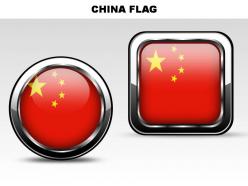
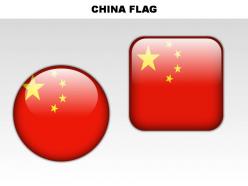
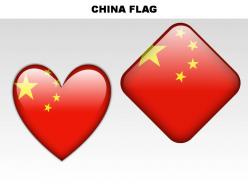
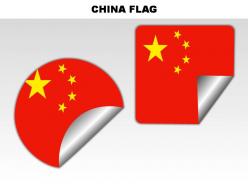
FAQs for China
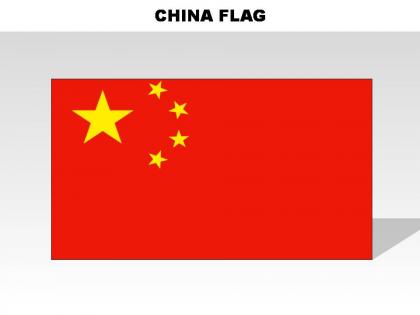
So the red is basically about the communist revolution and all the blood that was spilled for it. That big yellow star? That's the Communist Party running things. The four little ones represent different groups of people - workers, peasants, city folks, and business owners - all supposedly united under party leadership. Yellow was picked because it pops against the red and symbolizes this whole "golden future" idea they had going. Oh, and fun fact if you're ever doing bar trivia - they actually chose this design from thousands of entries back in 1949 when they established the People's Republic. Pretty wild selection process.
Actually, China's flag has stayed pretty much the same since 1949! Red background, five yellow stars in that corner arrangement - hasn't budged. Sure, they've tweaked the exact proportions and color specs over the years, but you'd have to be a total flag nerd to notice. Way different from countries like South Africa that did complete makeovers. Oh, and if you're working on some China project or whatever, you can just use the current design without stressing about getting the historical details wrong.
So the Chinese flag is basically everywhere - schools, government buildings, you name it. It's this huge symbol of national unity and honestly, people take it super seriously. The big star represents Communist Party leadership, smaller ones are the people. Flag ceremonies during National Day? Major events. Kids grow up saluting it in school regularly. For Chinese citizens, it really embodies their collective identity and socialist values. Oh, and if you're doing any business stuff there - probably worth understanding how much they revere it. Shows respect, you know?
So they're super strict about flag placement - always highest point, usually center stage or speaker's right from audience view. Gets raised with the anthem, obviously. Never touches ground and they fold it in this specific triangle thing when storing it. Multiple flags get arranged by diplomatic rank, China's always gets top spot. Honestly the protocol is pretty intense - I'd double-check positioning rules if you're planning anything with Chinese officials. They don't mess around with flag etiquette stuff.
The Chinese flag? Yeah, reactions are all over the place honestly. Western countries tend to see economic power but also get hung up on political stuff and human rights issues - it's gotten pretty divisive lately. Meanwhile in developing countries, especially parts of Asia and Africa, people are way more positive about it. They think Belt and Road, economic partnerships, that kind of thing. Oh and if you're doing anything with marketing or displays, definitely think about where your audience is geographically. Makes a huge difference in how they'll react.
Yeah, China's regional flags are way more interesting than the basic red national one. Tibet, Xinjiang, Inner Mongolia - they've all got their own with cool traditional patterns and local symbols. The geometric designs are honestly pretty amazing. Ethnic groups use ceremonial ones during festivals too, which is where you see the really intricate stuff. Just heads up though - these carry serious cultural weight, so definitely look into what the symbols actually mean before you use them for anything. You don't want to accidentally mess that up.
So here's the thing - most people think those four little stars are China's ethnic groups, but they're actually the social classes that backed the Communist revolution. Wild, right? The red doesn't mean blood like everyone assumes either. It's supposed to represent the revolution itself. Oh, and that big star? Not about the Party controlling people - more like everyone uniting under communist ideas. I always thought it was the blood thing too until I looked it up. Anyway, if this comes up in conversation, probably safer to go with the official meanings.
Yeah, China totally amps up flag displays during big international events - it's like their default move. Trade wars, Hong Kong protests, COVID backlash, territorial disputes with neighbors - the flag suddenly appears everywhere. State media goes crazy with it, buildings get draped, citizens start showing it more. It's pretty transparent honestly, but it works for rallying people at home. The government pushes it hard as a unity thing. Actually, you can almost predict China's stress level just by counting how many flags pop up in their official stuff. More flags = more defensive they're feeling about something.
Yo, so China takes their flag super seriously - like, legally seriously. Don't let it touch the ground or hang it upside down, that's basic stuff. You can't slap it on merchandise either, which honestly makes sense. During ceremonies at schools or government places, just stand up straight and face the flag when everyone else does. Damaging flag stuff is a big no-no there. Really though, if you just copy what locals are doing during any flag thing, you'll be totally fine. Not rocket science, but good to know ahead of time.
So the Chinese flag is actually pretty different from most others - it's got that one big star with four smaller ones around it on red. Most countries go for stripes or crosses instead. The red represents revolution and the stars show unity under Communist Party rule. Pretty direct political messaging compared to like, European flags with their historical crosses or the US with its state stars and stripes thing. What's interesting is how China's flag just straight-up reflects their ideology way more obviously than most Western ones do. Makes it stand out.
So flag diplomacy is basically China's way of building soft power without being too aggressive about it. You'll see their flags at international events and meetings - it's all about signaling respect and legitimacy. The symbolism actually carries more weight than you'd expect, especially with developing countries. Works in reverse too though. When countries snub flag protocols or refuse displays? That's usually a sign of deeper tensions. Honestly, it's pretty smart from China's perspective - super low-cost way to build diplomatic relationships and show they're playing nice on the world stage. Worth watching those protocol moments.
So basically, Chinese protesters are pretty smart about this - they'll wave the national flag while protesting to show they're not anti-China, just anti-government. Makes sense, right? Labor strikes, environmental stuff, you name it. The flag becomes like protection against getting labeled as foreign troublemakers or whatever. Hong Kong did this a lot before things got crazy in 2019. It's this whole thing where you wrap your criticism in patriotism so authorities can't easily dismiss you. Honestly kind of genius when you think about it.
So basically, the big star is the Communist Party leading everything. Those four smaller ones? They're supposed to be the main social groups Mao had in mind - workers, peasants, city folks, and business people. All the little stars point toward the big one, which is kinda heavy-handed if you ask me, but it gets the message across about unity under Party rule. It's actually pretty clever symbolism when you think about it - different classes all looking to one central authority. Definitely good trivia knowledge to have!
So yeah, tech has totally changed how China handles their flag design and displays. You'll see it everywhere now - LED screens on buildings, digital standardization, the works. They've got super precise color specs and digital guidelines so everything looks consistent across manufacturing and media. Social media makes it way more obvious when someone screws up the proportions or colors too, which is kinda funny. Mass production got way cheaper with better manufacturing tech. Oh, and if you're doing anything with their flag representation, definitely check their official digital guidelines first. Trust me, it'll save you a massive headache later on.
Oh yeah, the flag is literally everywhere in Chinese schools. Kids do daily ceremonies where they salute and sing the anthem - honestly way more intense than anything we had growing up. They learn proper flag etiquette super early through these patriotic education programs. You'll spot it on textbooks, classroom walls, during big school events. Youth groups like Young Pioneers do flag rituals too. Quick heads up - if you're doing any business or educational stuff with Chinese schools, there's probably gonna be some formal flag ceremony at official meetings.
-
Great quality slides in rapid time.
-
Appreciate the research and its presentable format.