

Chromatin And Nucleosomes PPT Template ACP





Try Before you Buy Download Free Sample Product
 Impress Your
Audience
 100%
Editable
 Save Hours
of Time


Elevate your scientific presentations with the Chromatin and Nucleosomes PPT Template ACP. This professionally designed deck features visually engaging slides, detailed diagrams, and customizable layouts, perfect for showcasing complex biological concepts. Ideal for educators, researchers, and students, it simplifies the exploration of chromatin structure and function.
People who downloaded this PowerPoint presentation also viewed the following :
Chromatin And Nucleosomes PPT Template ACP with all 44 slides:
Use our Chromatin And Nucleosomes PPT Template ACP to effectively help you save your valuable time. They are readymade to fit into any presentation structure.












FAQs for Chromatin And Nucleosomes
Chromatin consists of DNA wrapped around histone proteins forming nucleosomes, which coil into increasingly compact fiber structures within the nucleus. Euchromatin remains loosely packed and transcriptionally active, enabling gene expression and cellular functions, while heterochromatin forms tightly condensed regions that silence gene activity, with many research institutions finding this structural organization ultimately delivers precise regulatory control over cellular processes.
Histone modifications influence chromatin structure by altering DNA-histone interactions through acetylation, methylation, phosphorylation, and ubiquitination, which either loosen or tighten chromatin packaging to regulate gene accessibility. These epigenetic marks create dynamic regulatory networks that enable cells to fine-tune gene expression patterns, with research institutions and biotechnology companies increasingly leveraging this understanding for therapeutic development and precision medicine applications.
Nucleosomes regulate DNA accessibility by acting as dynamic packaging units that can condense or expose genetic material through histone modifications, chromatin remodeling complexes, and transcription factor interactions. Through acetylation, methylation, and phosphorylation processes, cells strategically control gene expression, DNA replication, and repair mechanisms, with many research institutions finding that understanding these mechanisms enables targeted therapeutic approaches and enhanced biotechnology applications.
Chromatin remodeling complexes alter nucleosome positions by using ATP-dependent mechanisms to slide, eject, or restructure nucleosomes along DNA strands, creating accessible regions for transcription factors and regulatory proteins. These molecular machines, including SWI/SNF and ISWI families, enable precise gene expression control by repositioning histone octamers, ultimately delivering targeted genomic accessibility that enhances cellular responses to developmental signals and environmental changes.
Prokaryotic chromatin lacks histones and nucleosomes, with DNA directly associated with nucleoid-associated proteins in a less structured arrangement, while eukaryotic chromatin features DNA wrapped around histone octamers forming nucleosomes. This structural difference enables eukaryotic cells to achieve higher-order chromatin organization through histone modifications and chromatin remodeling complexes, ultimately delivering more sophisticated gene regulation and compact nuclear organization.
DNA replication interacts with nucleosome dynamics through histone displacement, chromatin remodeling, and coordinated reassembly processes that temporarily disrupt nucleosome structure. Replication machinery systematically disassembles nucleosomes ahead of replication forks, transfers parental histones to newly synthesized DNA strands, and recruits additional histones to restore chromatin organization, ultimately maintaining epigenetic information while enabling efficient genomic duplication.
Techniques for studying chromatin structure in vivo include ChIP-seq for protein-DNA interactions, ATAC-seq for chromatin accessibility, Hi-C for chromosome conformation, and cross-linking mass spectrometry for nucleosome dynamics. These methods streamline understanding of gene regulation, epigenetic modifications, and chromatin remodeling mechanisms, with pharmaceutical companies and biotechnology firms finding that comprehensive chromatin mapping enhances drug discovery processes and therapeutic target identification.
Non-coding RNAs facilitate chromatin remodeling by recruiting histone-modifying enzymes, guiding DNA methylation patterns, and directing chromatin remodeling complexes to specific genomic locations. These regulatory molecules enable precise gene expression control across diverse cellular processes, with research institutions and biotechnology companies increasingly leveraging RNA-based approaches for therapeutic development, ultimately delivering targeted treatments and enhanced understanding of disease mechanisms.
3D chromatin architecture enables precise gene regulation by bringing distant regulatory elements into physical contact with target genes, creating functional compartments that coordinate transcriptional programs. Through topologically associating domains and chromatin loops, cells can simultaneously activate tissue-specific gene networks while silencing others, with many developmental processes and cellular responses relying on these spatial reorganizations to deliver coordinated expression patterns and maintain cellular identity.
Chromatin abnormalities contribute to cancer by disrupting gene regulation, DNA repair mechanisms, and cell cycle control through altered histone modifications, DNA methylation patterns, and chromatin remodeling complex mutations. These molecular changes enable oncogene activation, tumor suppressor silencing, and genomic instability, with many cancer researchers finding that chromatin-targeted therapies increasingly deliver promising treatment outcomes and enhanced patient responses.
Chromatin research implications for gene therapies include enhanced targeting precision, improved delivery mechanisms, epigenetic editing capabilities, reduced off-target effects, and personalized treatment approaches. These advances enable researchers to navigate chromatin barriers more effectively, develop tissue-specific delivery systems, and create therapies that modify gene expression without altering DNA sequences, with many biotechnology companies finding that chromatin understanding significantly enhances therapeutic efficacy and safety profiles.
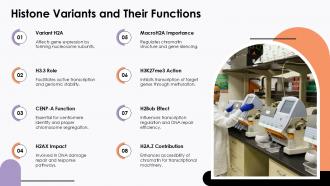
Histone variants affect nucleosome stability by altering DNA-histone interactions, modifying chromatin compaction, and regulating gene accessibility through specialized binding properties. These variants enable cells to fine-tune transcriptional control, DNA repair responses, and epigenetic inheritance, with research institutions and biotechnology companies increasingly leveraging variant-specific mechanisms for therapeutic development and precision medicine applications.
Environmental stress affects chromatin and nucleosome structure through histone modifications, DNA methylation changes, chromatin remodeling complex activation, and altered nucleosome positioning. These molecular responses enable cellular adaptation by regulating gene expression patterns, facilitating stress-responsive protein synthesis, and enhancing survival mechanisms, with many research institutions finding that understanding these processes delivers significant advantages in biotechnology and therapeutic development.
Small molecules targeting chromatin modifications influence cellular processes by altering gene expression patterns, modifying protein-DNA interactions, and regulating epigenetic pathways that control cell differentiation and proliferation. These therapeutic compounds enable pharmaceutical companies and research institutions to develop targeted cancer treatments, neurological therapies, and regenerative medicine approaches, ultimately delivering more precise therapeutic outcomes and enhanced drug efficacy across multiple disease applications.
Recent advancements in chromatin epigenetics include enhanced CRISPR-based epigenome editing, advanced chromatin imaging technologies, single-cell epigenomic analysis, AI-driven chromatin modeling, and improved histone modification mapping techniques. These breakthroughs enable pharmaceutical companies, biotechnology firms, and research institutions to accelerate drug discovery, enhance personalized medicine approaches, and streamline therapeutic development processes, ultimately delivering more targeted treatments and competitive advantages in precision healthcare markets.
-
“Thank you to the SlideTeam. Your presentations look really skillful and have made my life so much easier.”
-
Wonderful ideas and visuals. I'm really pleased with the templates, which are unique and up to date.