Clinical Development Plan Implementation Roadmap Regulatory Approval Elements Product

Rating:
100%
Clinical Development Plan Implementation Roadmap Regulatory Approval Elements Product
Slide 1 of 12
Favourites Favourites

Try Before you Buy Download Free Sample Product

Audience Impress Your
Audience
Editable 100%
Editable
Time Save Hours
of Time
The Biggest Sale is ending soon in
0
0
:
0
0
:
0
0
Rating:
100%
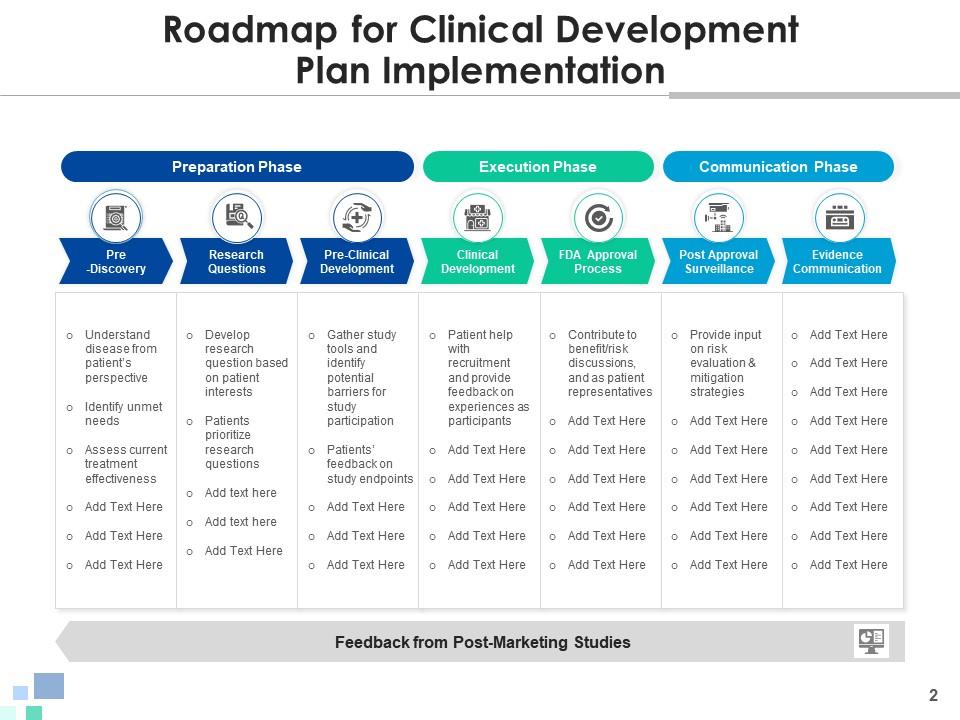
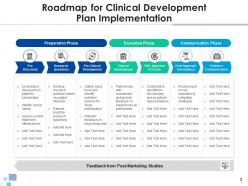
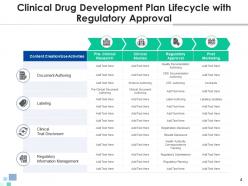
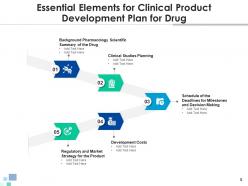
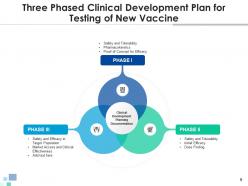
Deliver a credible and compelling presentation by deploying this Clinical Development Plan Implementation Roadmap Regulatory Approval Elements Product. Intensify your message with the right graphics, images, icons, etc. presented in this complete deck. This PPT template is a great starting point to convey your messages and build a good collaboration. The twelve slides added to this PowerPoint slideshow helps you present a thorough explanation of the topic. You can use it to study and present various kinds of information in the form of stats, figures, data charts, and many more. This Clinical Development Plan Implementation Roadmap Regulatory Approval Elements Product PPT slideshow is available for use in standard and widescreen aspects ratios. So, you can use it as per your convenience. Apart from this, it can be downloaded in PNG, JPG, and PDF formats, all completely editable and modifiable. The most profound feature of this PPT design is that it is fully compatible with Google Slides making it suitable for every industry and business domain.

FAQs for Clinical Development Plan Implementation Roadmap Regulatory

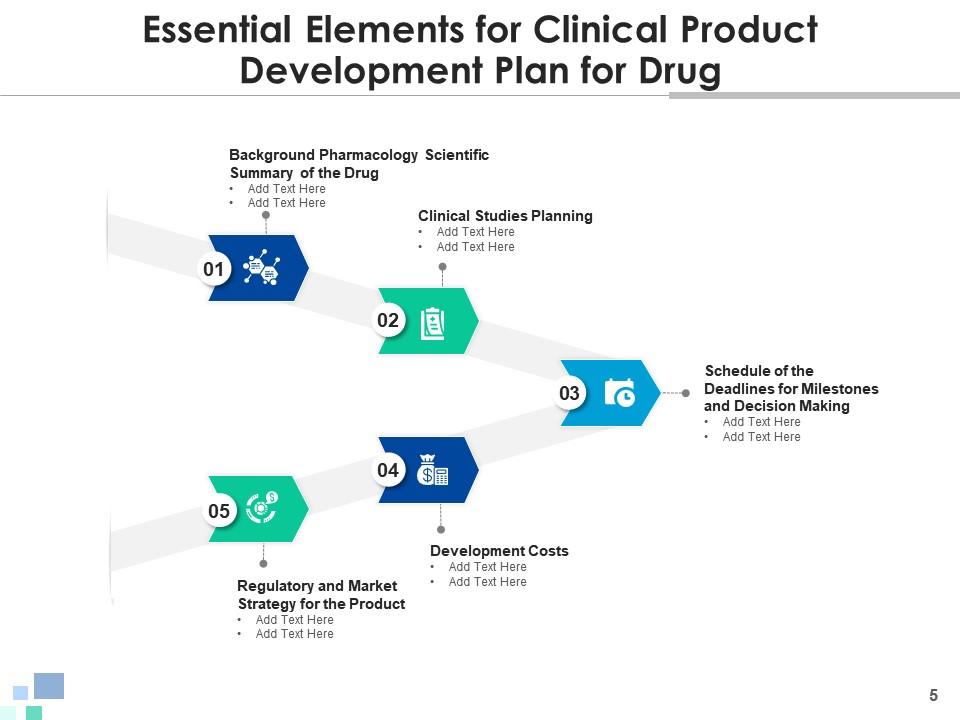
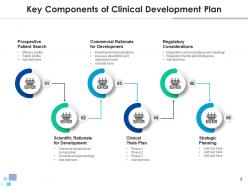
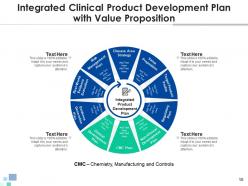
For your CDP, you'll need clinical strategy/rationale, study designs with endpoints, patient population stuff, and your reg pathway. Timelines and risk assessments too - basically the whole roadmap from preclinical to approval. The regulatory piece is honestly such a pain but you can't skip it. Map out your critical milestones first, trust me on this one. Makes everything else flow better when you're writing. Also double-check your study objectives actually match what regulators want for your indication - I've seen people miss that and it's brutal. Oh, and don't forget resource requirements!

So a CDP is basically your game plan for drug development - what studies you're gonna run and when. Regulatory submissions are the actual paperwork you send to FDA asking for permission (like INDs, NDAs, all that fun stuff). One's internal strategy, the other's external documents. Honestly, I'd get your CDP locked down first because that's what should drive everything you put in those submissions later. Way easier than trying to figure out your strategy while you're already drafting regulatory docs. The CDP is like... your behind-the-scenes roadmap, submissions are the official asks.

Patient selection can make or break your CDP, honestly. You're looking for people most likely to respond while still being broad enough for approval - and that's trickier than it sounds. Don't just focus on inclusion/exclusion criteria (though yeah, those matter). Disease severity, prior treatments, biomarkers, demographics - all of it affects whether you'll hit your endpoints. I've seen decent drugs fail because they picked the wrong population. Map out your ideal responder first, then figure out how to actually find those patients in the real world.

Look, biomarker data is a game changer for your CDP - seriously wish more people got this earlier. Map out which biomarkers can guide your go/no-go calls at each phase first. Then use them to cherry-pick the right patients, nail your dosing, and set up surrogate endpoints that could fast-track approval. Patient stratification in early trials? Huge win. I've seen too many programs waste months because they treated biomarkers like some add-on instead of baking the strategy in from day one. It'll save your budget and your sanity.

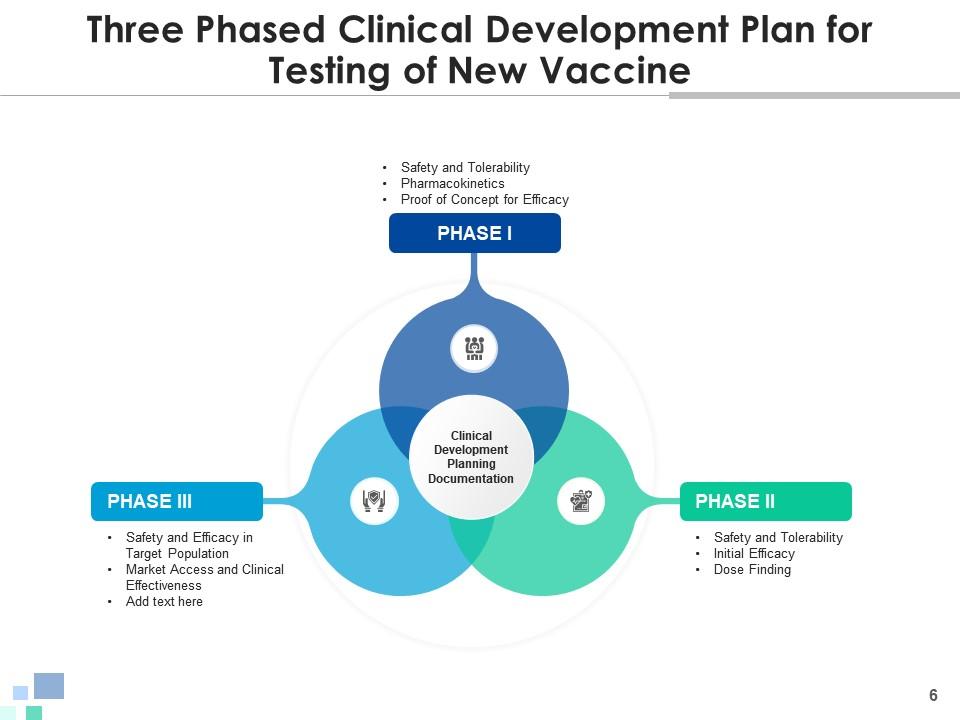
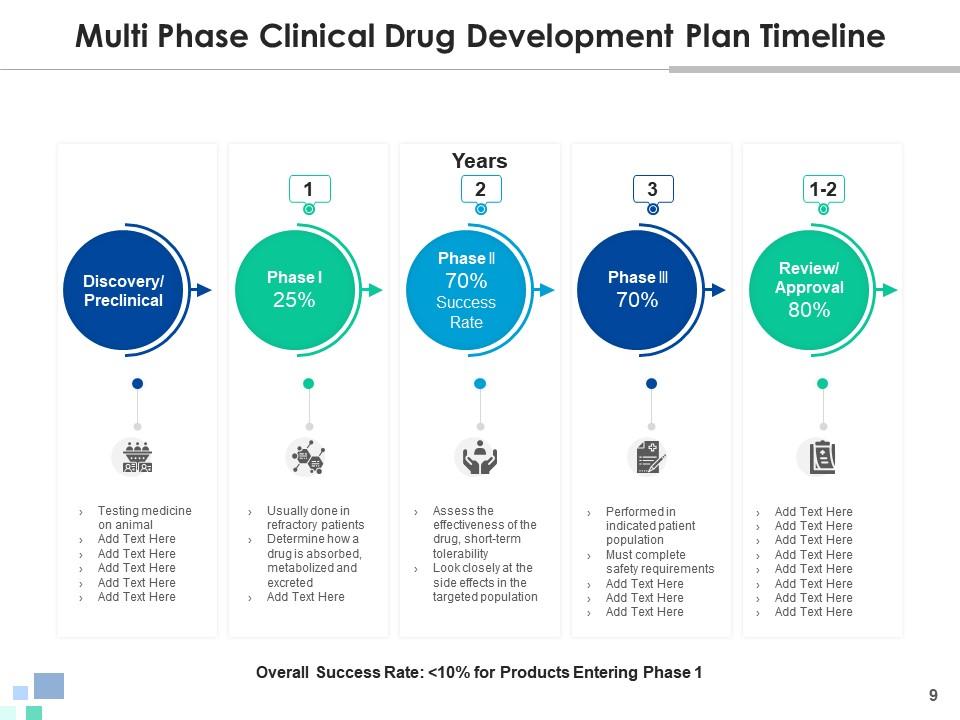
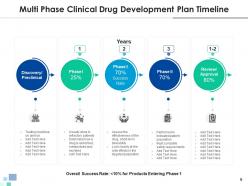
Okay so Phase I is usually 6-12 months, then Phase II jumps to 1-3 years. Phase III? That's the real slog - we're talking 2-4 years. Phase IV technically runs forever since it's just post-market monitoring, which is honestly kind of weird when you think about it. Your timeline's gonna depend on what you're treating and who your patients are. Regulatory stuff will definitely impact things too. I'd seriously add buffer time because something always goes sideways. Oh, and map out your critical path early - you'll thank yourself later when you spot the bottlenecks before they bite you.

Don't just slap risk management onto your CDP at the end - that's a rookie mistake I've watched too many teams make. Build it in from day one. Map out the obvious stuff first: safety red flags, recruiting nightmares, regulatory BS, competitors breathing down your neck. Then create actual plans for when (not if) things go sideways. Budget extra time and money for contingencies because something always goes wrong. Keep a running list of risks and review it monthly - sounds boring but trust me, it'll save your ass when issues pop up unexpectedly.

Track your timeline adherence and enrollment rates first - those are make-or-break. Patient recruitment is honestly where most programs live or die, so watch that velocity like a hawk. Protocol deviations matter too since they mess up your data quality downstream. Budget variance is huge because nobody wants cost overruns killing their program halfway through. Oh, and if you're working with CROs, definitely monitor their performance. I'd set up monthly dashboards for all this stuff so you can pivot fast when things start going south. Clean data speeds everything up later, trust me on that one.

So basically you design your core studies to hit the strictest requirements first, then layer on region-specific stuff as needed. Map out what FDA, EMA, and others want early on - see where they clash and plan for adaptive pieces like extra endpoints or different patient groups. Honestly, the food analogy isn't terrible - master recipe that works globally, adjust spices locally. Planning beats scrambling later every time. Start with a regulatory matrix for your target regions, but don't overthink it initially.

So adaptive design basically lets you tweak your trial mid-stream using interim data - total game changer for your CDP. You can adjust sample sizes, switch up dosing, or ditch arms that aren't working without messing up your stats. Way better than those rigid protocols we dealt with before (ugh, those were the worst). Decision-making gets way faster, you'll allocate resources smarter, and honestly? Your timelines to market shrink too. My advice - start thinking adaptive elements now during CDP planning. You'll be kicking yourself later if you don't.

Look, interim results are basically make-or-break moments for your whole CDP strategy. Weak efficacy? Time to mess with dose levels or switch patient populations. Safety issues are tougher - that's usually a hard stop requiring protocol changes or shutting things down completely. Here's the annoying part: balancing statistical significance with what actually matters clinically. Sure, you've got pre-defined criteria, but honestly? Get your clinical team together for a real gut-check conversation. Just document everything thoroughly because regulators will pick apart your reasoning later with a magnifying glass.

Your CDP needs solid ethical foundations or regulators will tear it apart. Start with patient safety - build in real risk mitigation, not just checkbox stuff. Informed consent has to be thorough and culturally sensitive. Data integrity throughout is non-negotiable. Here's where teams mess up: they oversell benefits while minimizing risks in their risk-benefit analysis. Don't do that. Also cover vulnerable populations and equitable recruitment properly. Oh, and don't just tack ethics onto the end - weave it through your whole strategy from day one.

Honestly, the right tech stack can be a game changer for CDP execution. Integrated trial management systems are where I'd start - they pull everything together from protocol design to data collection in one place. Automated recruitment tools will save you so much headache, plus electronic data capture and real-time dashboards catch problems early. AI's getting pretty decent at optimizing trial design and predicting enrollment too. Patient engagement platforms help with retention rates, which is huge. Just don't go crazy buying tools that don't talk to each other - that creates more mess than it solves. Map out your biggest pain points first and tackle those.

Honestly, the biggest mistake people make is waiting too long to loop stakeholders in. Get them involved from day one - run workshops where they actually help build the strategy instead of just nodding at your final presentation. Leadership hates feeling ambushed (learned that one the hard way). Address their weird concerns upfront, whether it's budget drama or timeline panic. Show them how their feedback shaped your recommendations - people love seeing their fingerprints on stuff. Trust me, treating them like actual partners instead of just sign-off people makes all the difference.

Build your RWE collection straight into the CDP from day one - don't try adding it later. Seriously, I've watched teams scramble after approval and it's a nightmare. During Phase II, start planning those post-market studies so the transition feels natural. Figure out which endpoints actually work for RWE and map your data sources early. Get regulators on board with your approach before you're too far down the road. Oh, and start building relationships with EHR partners and registries now. Those partnerships don't happen overnight, and you'll need them ready to go.

Dude, biggest thing I've learned? Validate your endpoint super early - so many companies crash because they're measuring stuff that doesn't actually matter clinically. Patient selection is huge too. Cast your net too wide and you'll just dilute everything. Honestly most Phase III disasters happen because people skipped doing proper homework in Phase II (which seems obvious but apparently isn't?). Try to build in adaptive elements so you can actually pivot when interim data shows you're heading off a cliff. Really though, just stress-test everything with smaller studies first before you blow your whole budget.

Ratings and Reviews

100% of 100
Review Form
Write a review
Most Relevant Reviews
  1. 100%

    by Connie Simmons

    Informative design.

1 Item

per page: