


Community marketing manager scorecard powerpoint presentation slides
Community marketing scorecard assists the organization in increasing its online brand presence, community engagements, and lead generations. A balanced scorecard is a tool used for monitoring and evaluating the strategic decisions taken by the company. Here is a professionally designed Community Social Media Marketing Manager Scorecard that the company can use to track its followers on LinkedIn, Tumbler, and Instagram. Our powerful PowerPoint presentation cover scorecards that include information about the business revenue through landing pages, email marketing campaigns, PPC advertisement, and website pages. This PPT also contains templates that can assist marketers in analyzing campaign performance by tracking metrics such as total impressions, clicks, and acquisitions and CTR by organic, paid, social, and display. Additionally, the scorecard can help the manager highlight email marketing campaign performance by performing a competitive analysis. Lastly, it covers a comprehensive checklist that can assist corporations in understanding their brand engagement level on social media. Get access now.




















-

- Google Slides is a new FREE Presentation software from Google.
- All our content is 100% compatible with Google Slides.
- Just download our designs, and upload them to Google Slides and they will work automatically.
- Amaze your audience with SlideTeam and Google Slides.
-

Want Changes to This PPT Slide? Check out our Presentation Design Services
-

- WideScreen Aspect ratio is becoming a very popular format. When you download this product, the downloaded ZIP will contain this product in both standard and widescreen format.
-

- Some older products that we have may only be in standard format, but they can easily be converted to widescreen.
- To do this, please open the SlideTeam product in Powerpoint, and go to
- Design ( On the top bar) -> Page Setup -> and select "On-screen Show (16:9)” in the drop down for "Slides Sized for".
- The slide or theme will change to widescreen, and all graphics will adjust automatically. You can similarly convert our content to any other desired screen aspect ratio.
Compatible With Google Slides

Get This In WideScreen
You must be logged in to download this presentation.


Do you want to remove this product from your favourites?
PowerPoint presentation slides
Deliver an informational PPT on various topics by using this Community Marketing Manager Scorecard Powerpoint Presentation Slides. This deck focuses and implements best industry practices, thus providing a birds-eye view of the topic. Encompassed with twenty three slides, designed using high-quality visuals and graphics, this deck is a complete package to use and download. All the slides offered in this deck are subjective to innumerable alterations, thus making you a pro at delivering and educating. You can modify the color of the graphics, background, or anything else as per your needs and requirements. It suits every business vertical because of its adaptable layout.

People who downloaded this PowerPoint presentation also viewed the following :
Content of this Powerpoint Presentation
Slide 1: This slide displays title i.e. 'Community Marketing Manager Scorecard'.
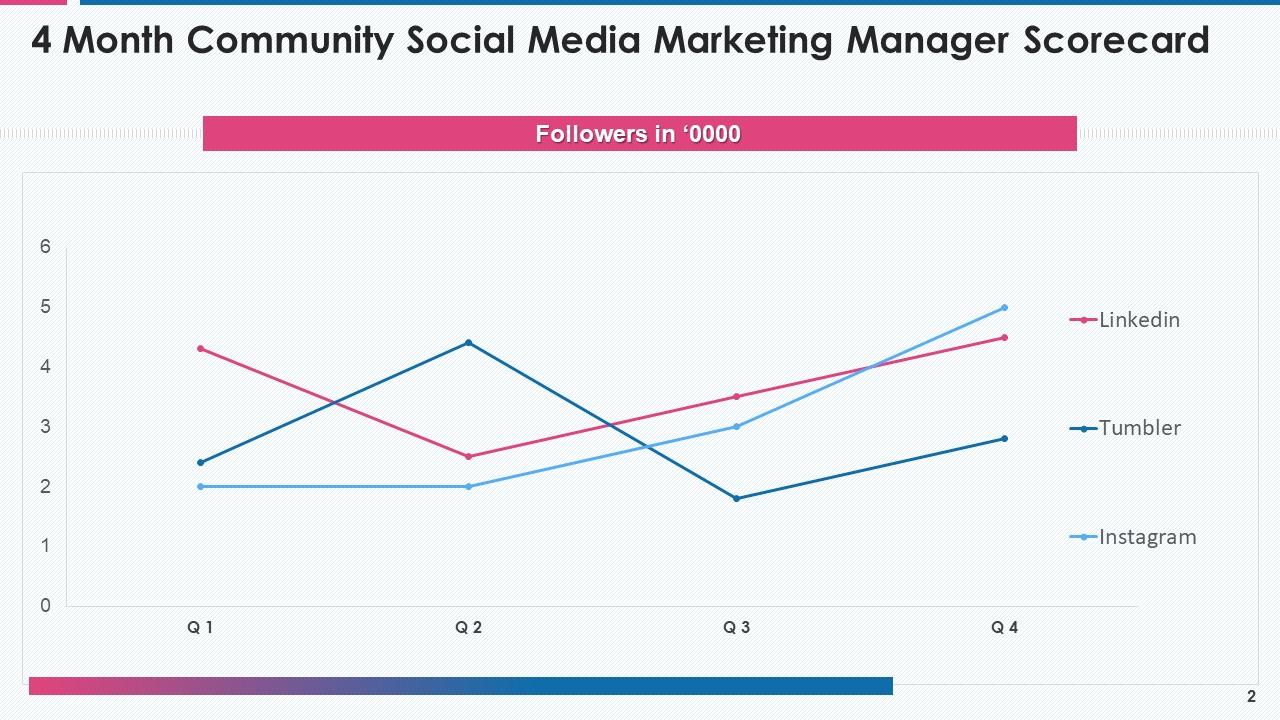
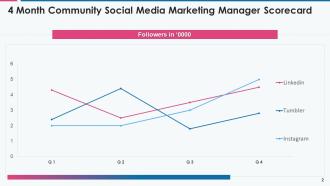
Slide 2: This slide presents Quarterly Community Social Media Marketing Manager Scorecard.
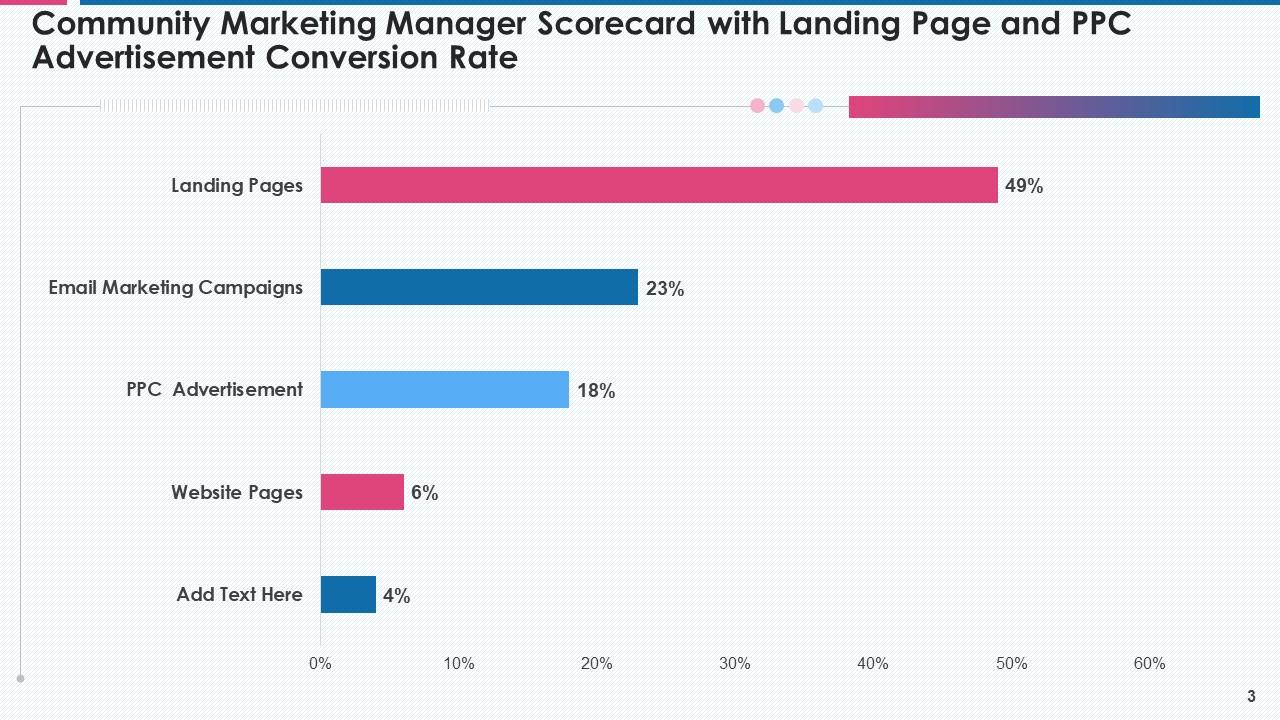
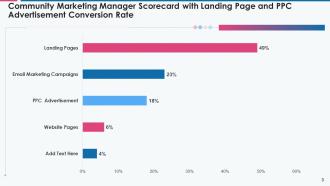
Slide 3: This slide exhibits Community Marketing Manager Scorecard with Landing Page and PPC Advertisement Conversion Rate.
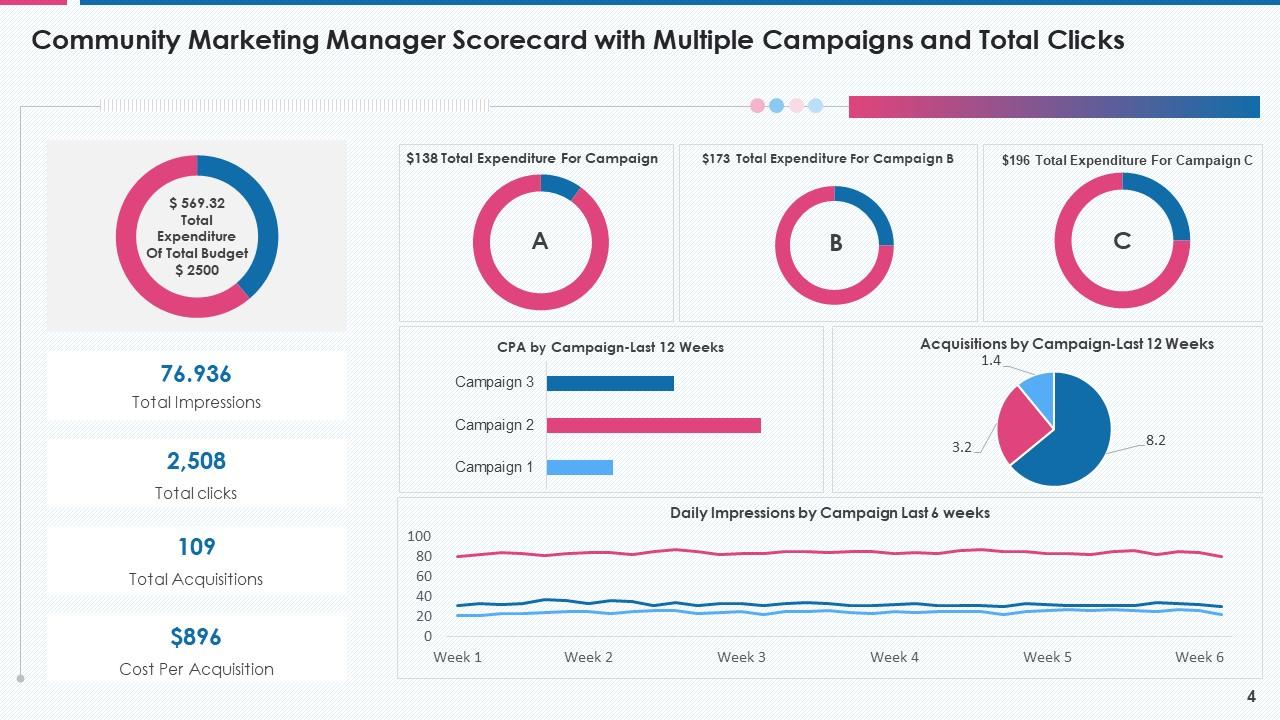
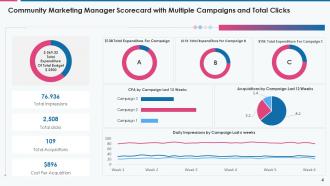
Slide 4: This slide showcases Community Marketing Manager Scorecard with Multiple Campaigns and Total Clicks.
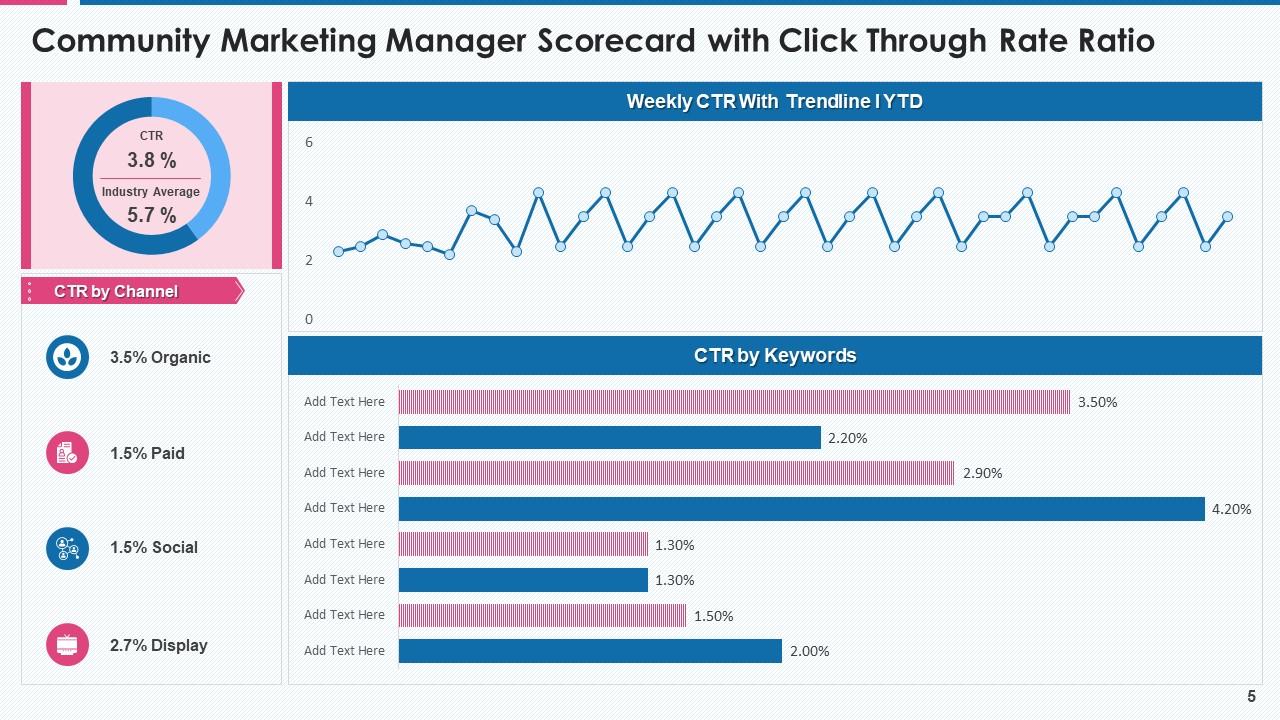
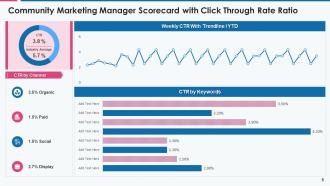
Slide 5: This slide depicts Community Marketing Manager Scorecard with Click Through Rate Ratio.
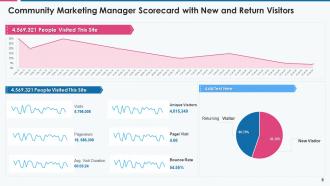
Slide 6: This slide highlights Community Marketing Manager Scorecard with New and Return Visitors.
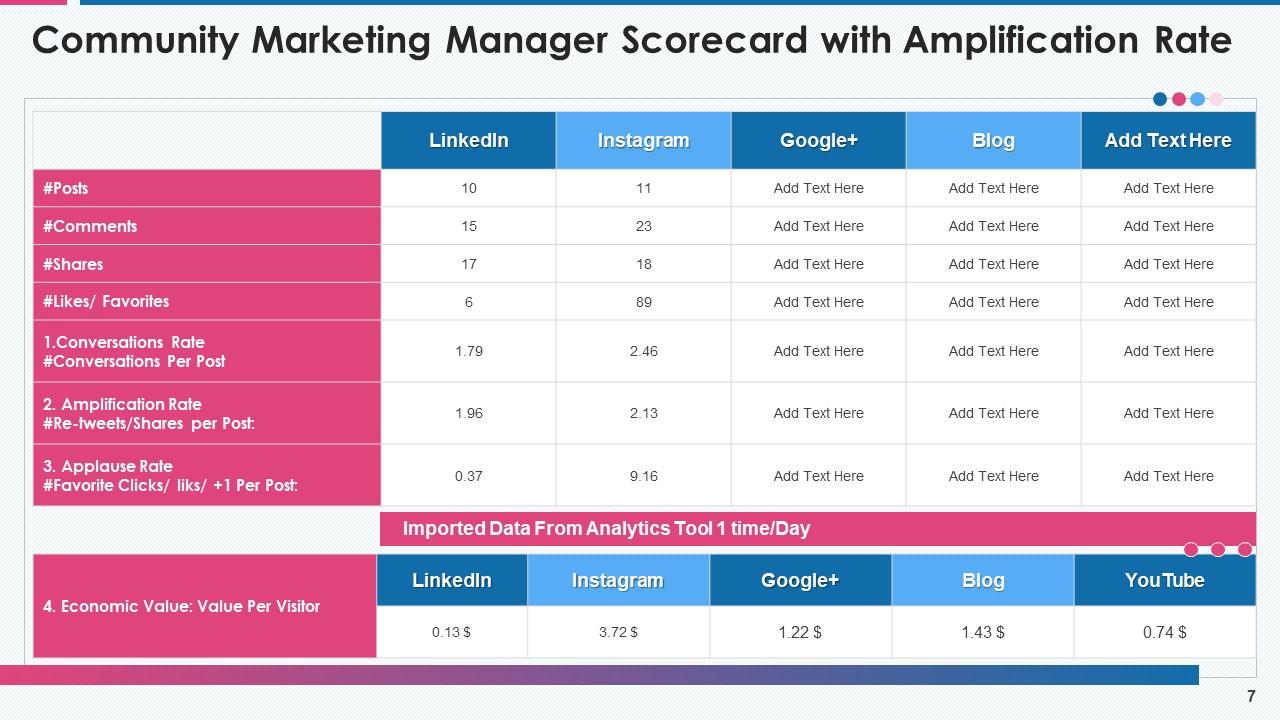
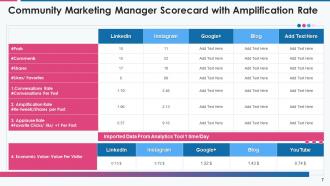
Slide 7: This slide illustrates Community Marketing Manager Scorecard with Amplification Rate.
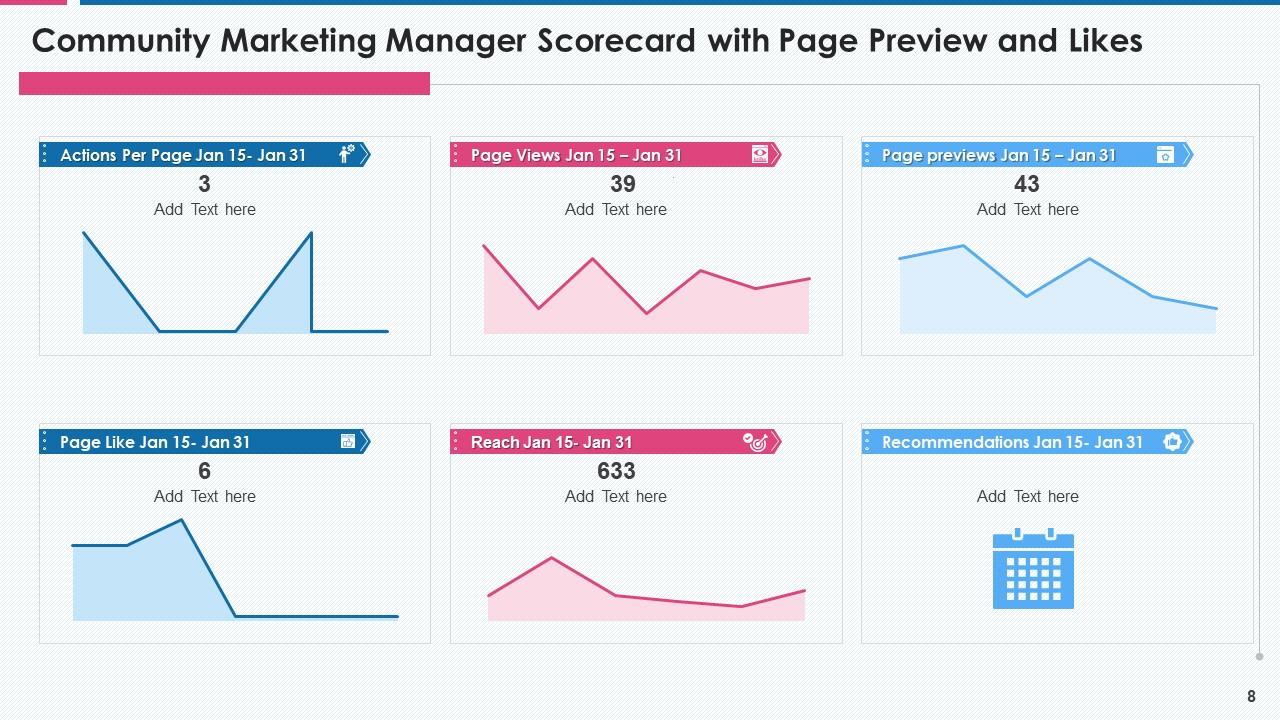
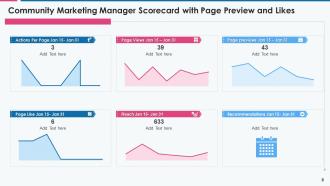
Slide 8: This slide shows Community Marketing Manager Scorecard with Page Preview and Likes.
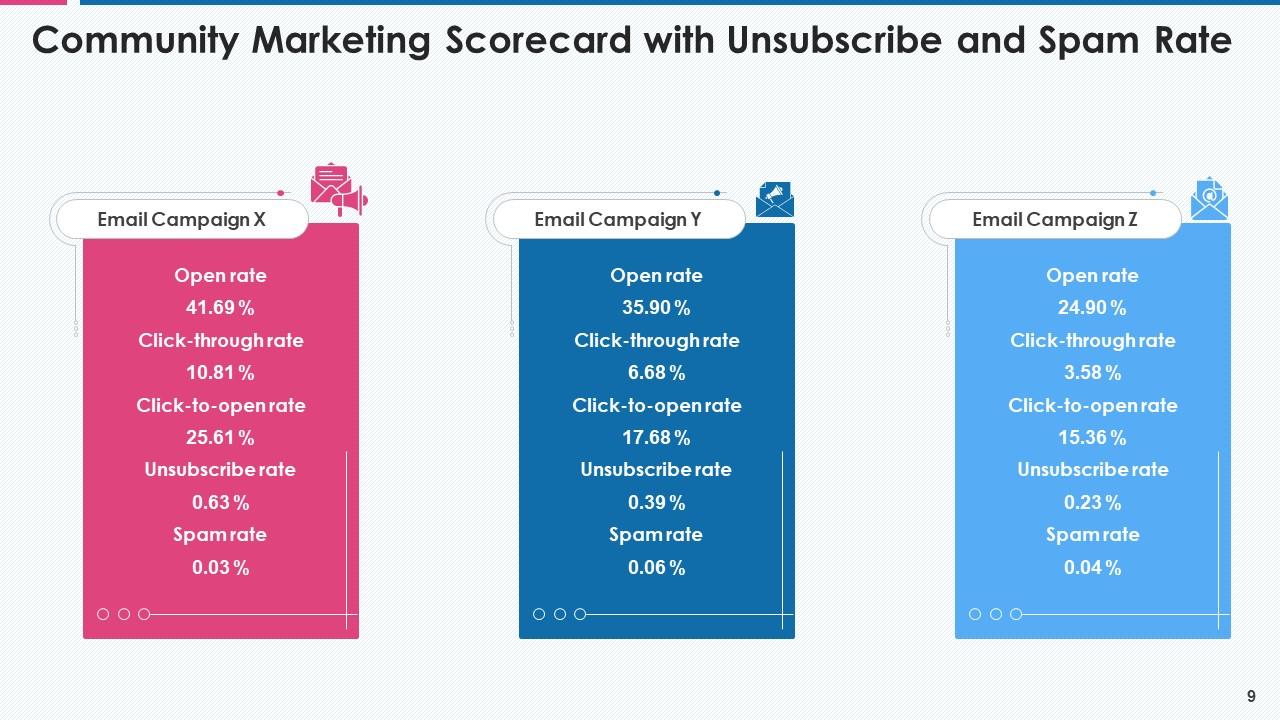
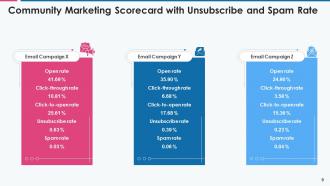
Slide 9: This slide displays Community Marketing Scorecard with Unsubscribe and Spam Rate.
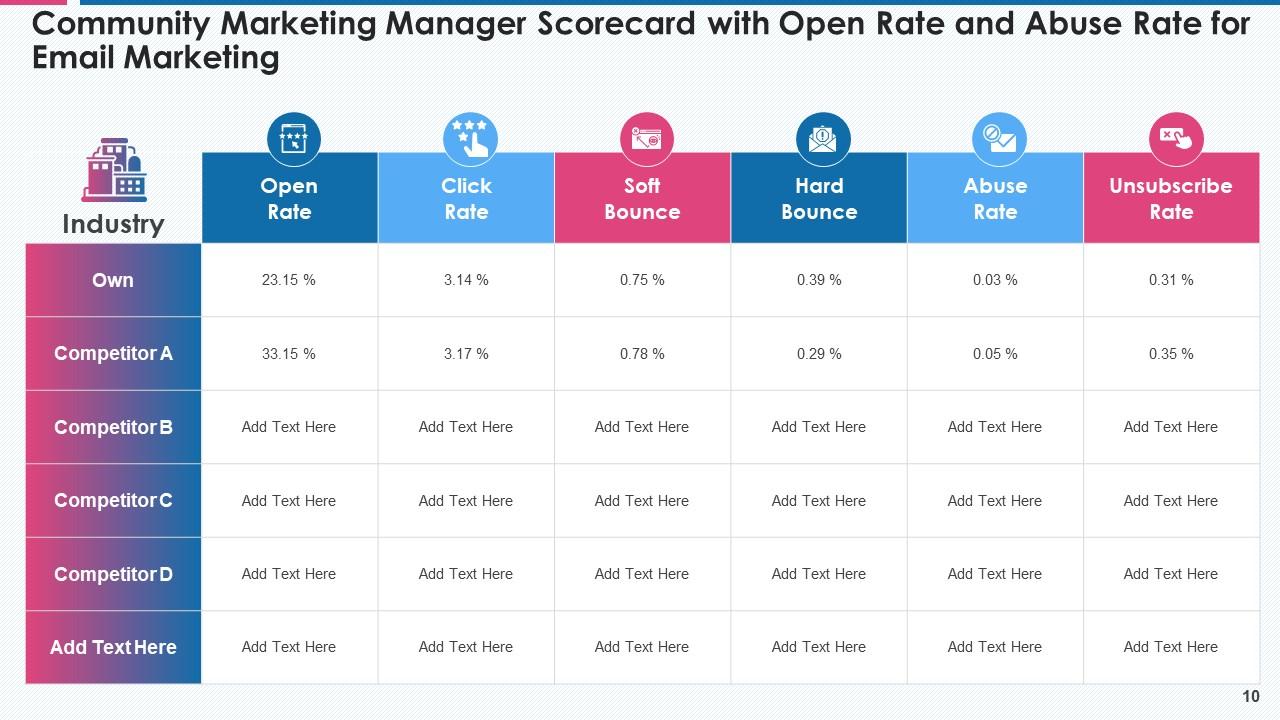
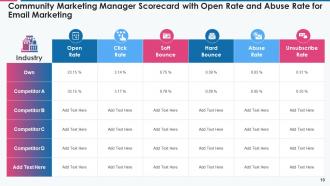
Slide 10: This slide presents Community Marketing Manager Scorecard with Open Rate and Abuse Rate for Email Marketing.
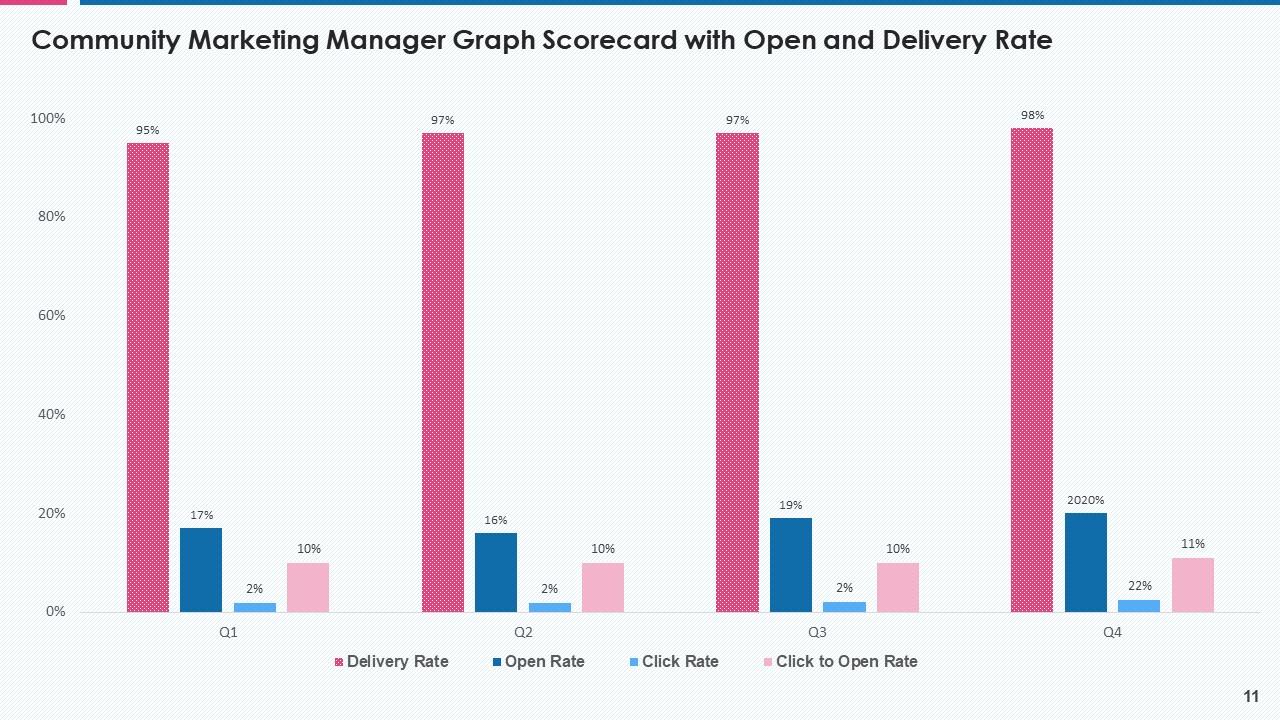
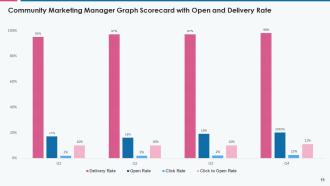
Slide 11: This slide exhibits Community Marketing Manager Graph Scorecard with Open and Delivery Rate.
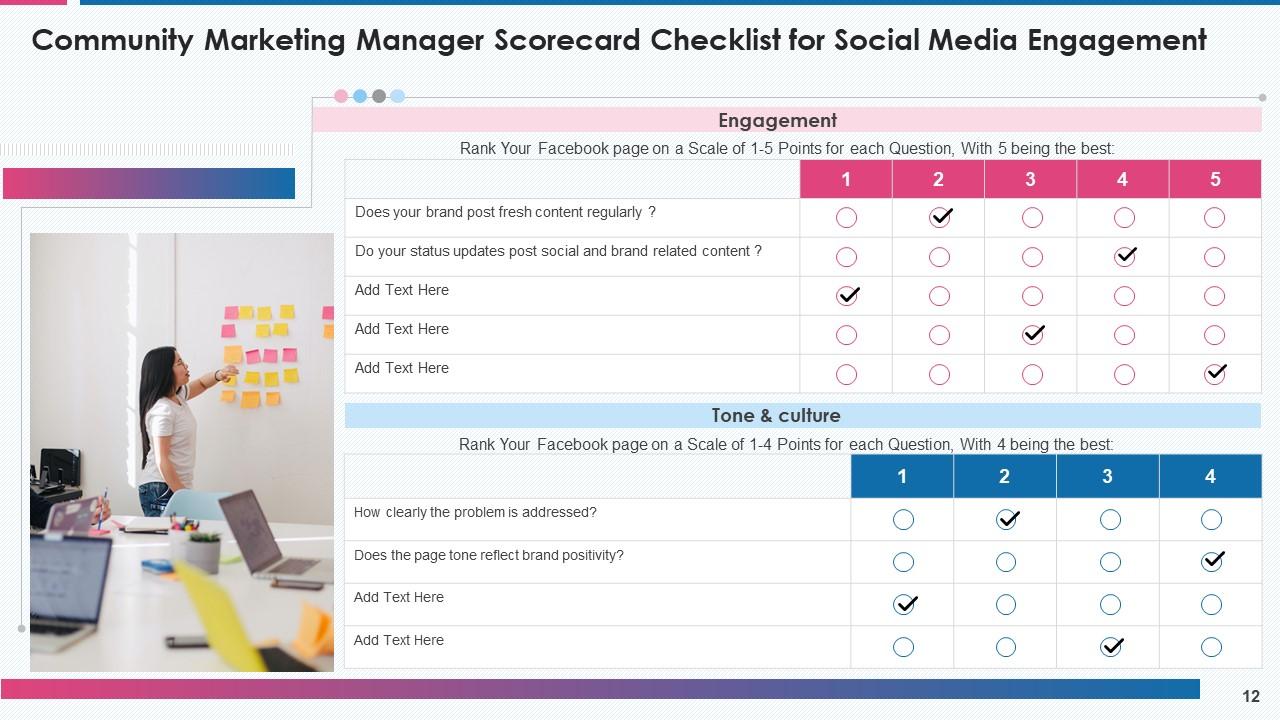
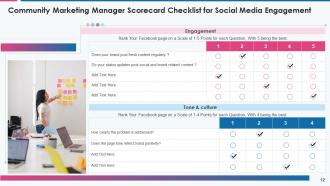
Slide 12: This slide showcases Community Marketing Manager Scorecard Checklist for Social Media Engagement.
Slide 13: This slide depicts Community Marketing Manager Scorecard Icons Slide.
Slide 14: This slide presents title for additional slides.
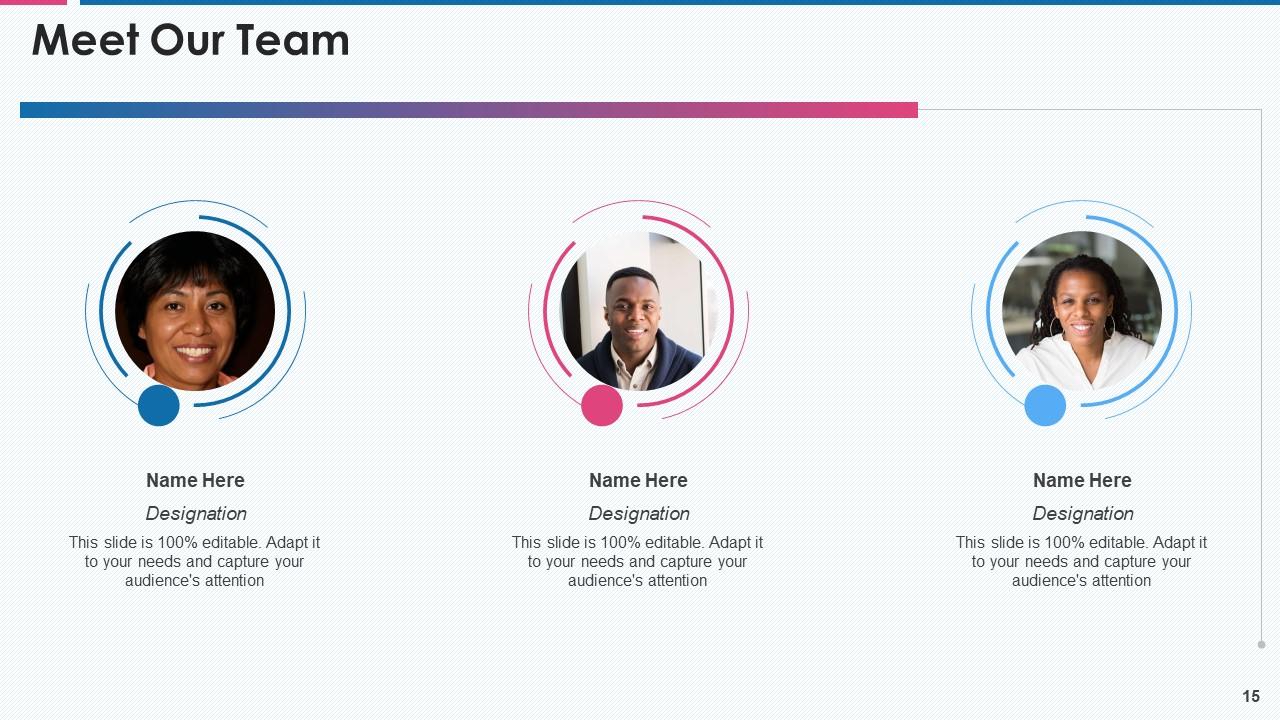
Slide 15: This slide shows details of team members like name, designation, etc.
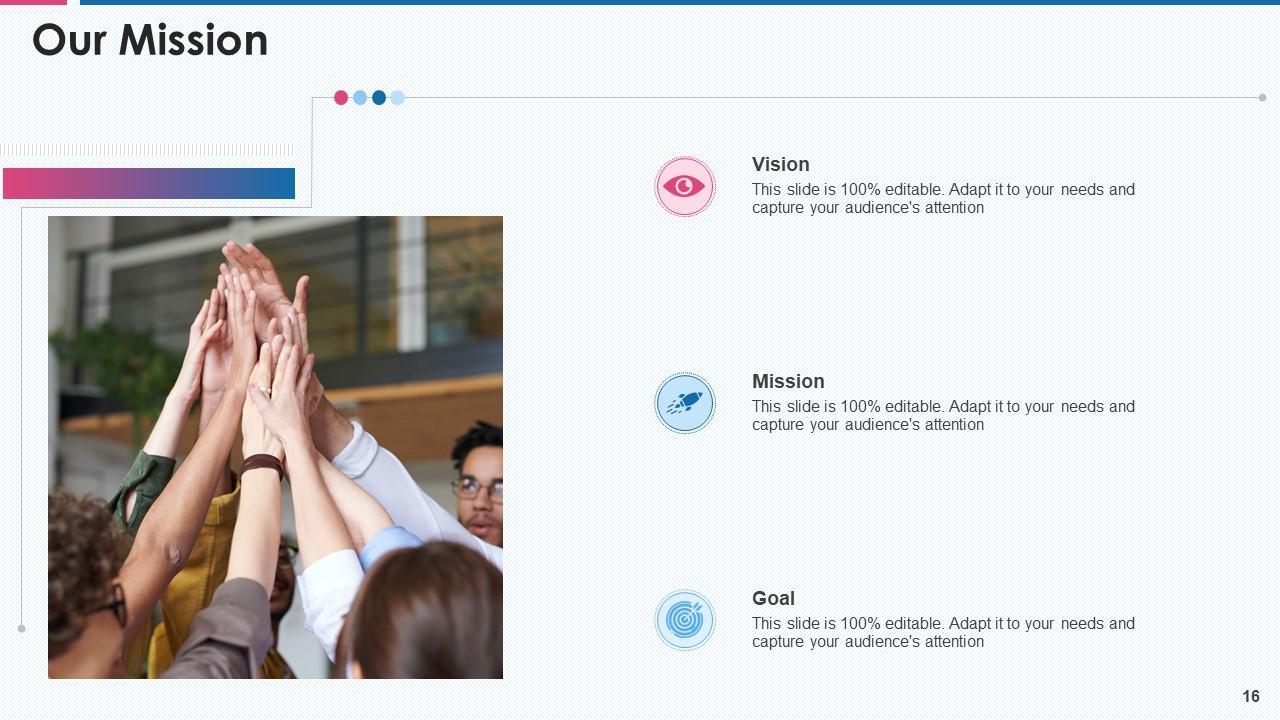
Slide 16: This slide presents your company's vision, mission and goals.
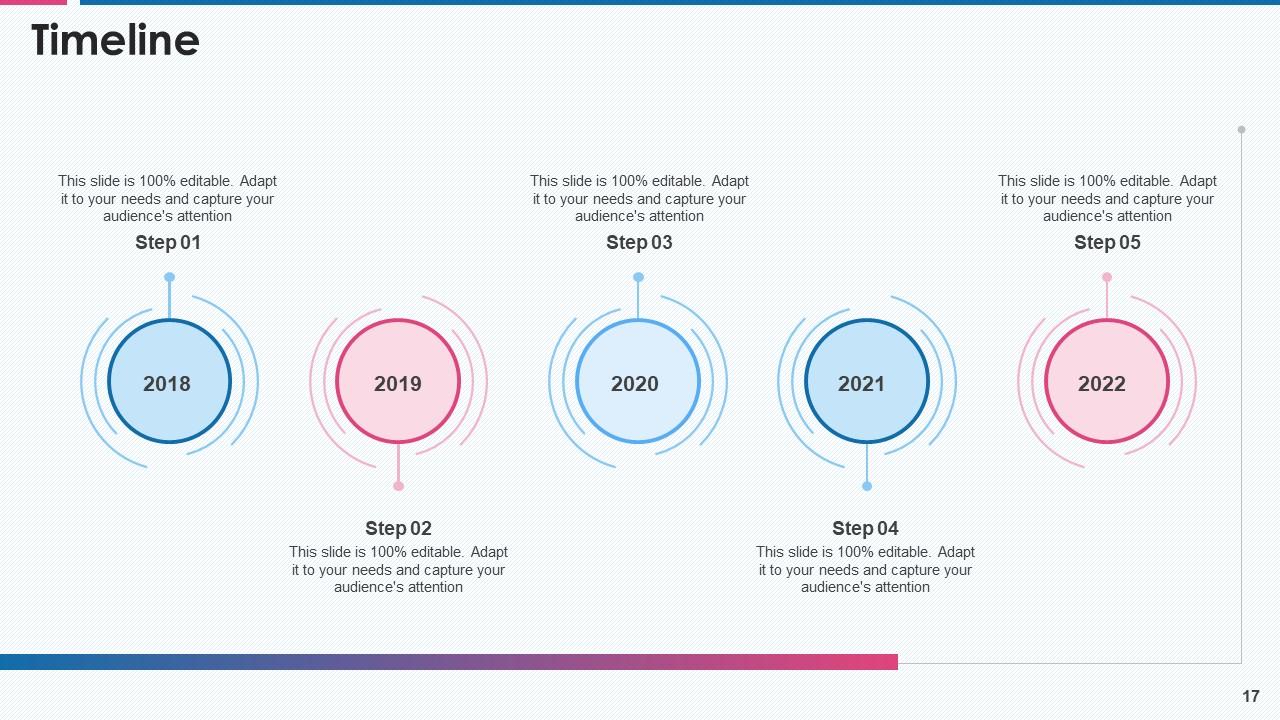
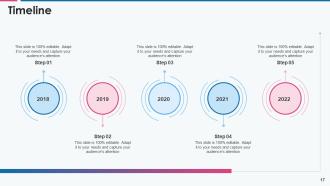
Slide 17: This slide exhibits yearly timeline.
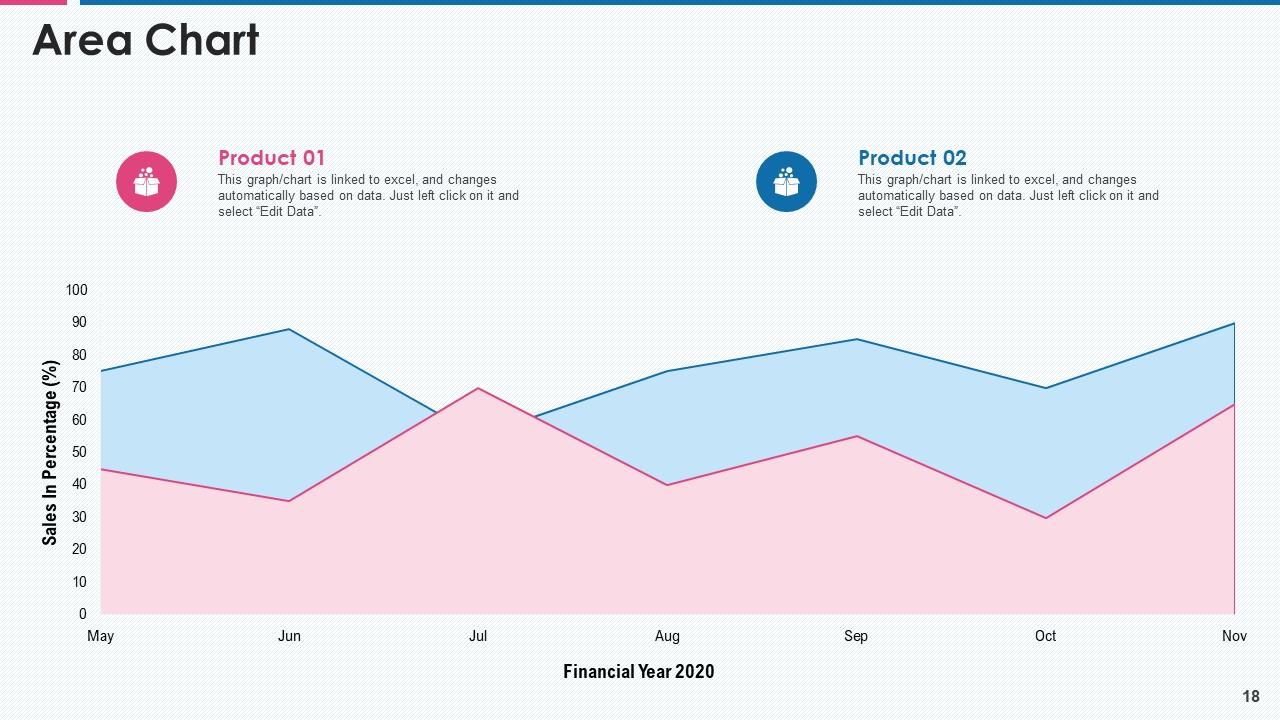
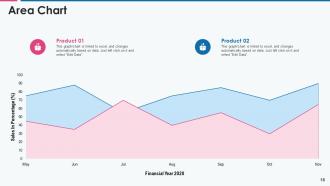
Slide 18: This slide exhibits monthly sales area charts for different products. The charts are linked to Excel.
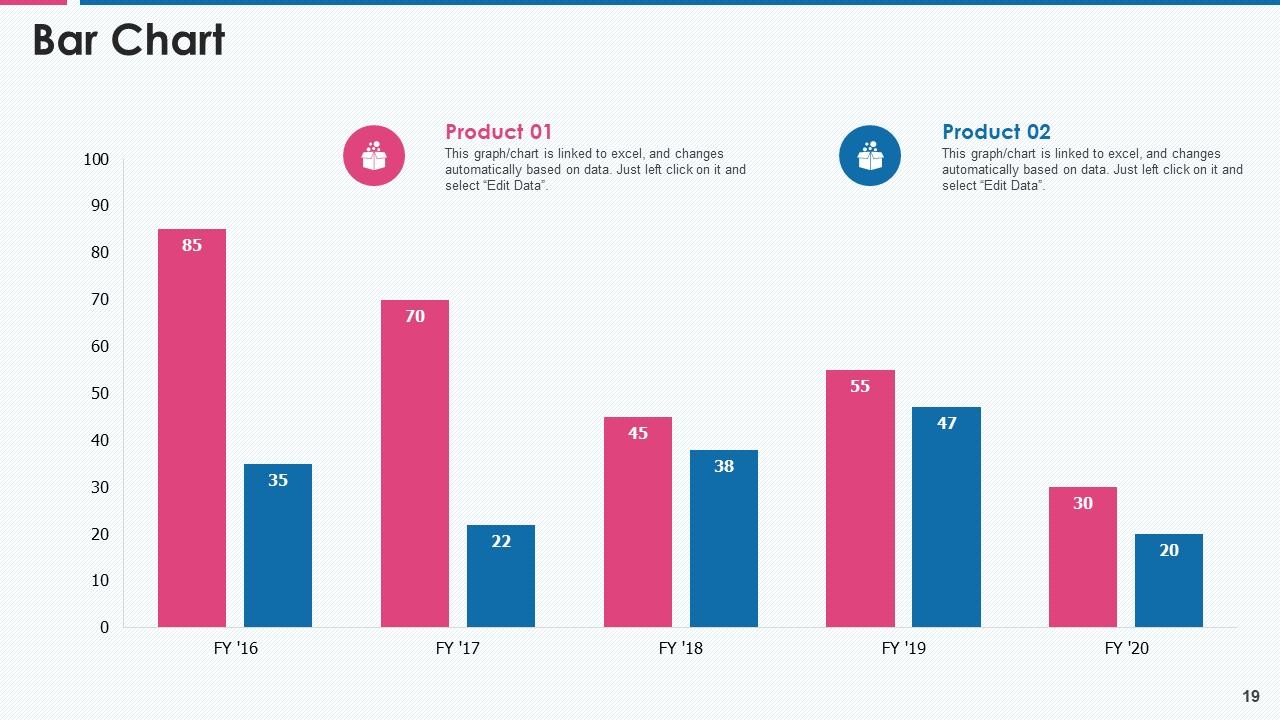
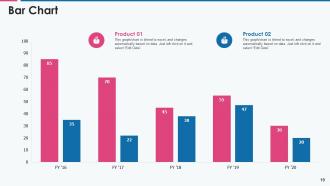
Slide 19: This slide exhibits yearly bar charts for different products. The charts are linked to Excel.
Slide 20: This slide displays puzzle.
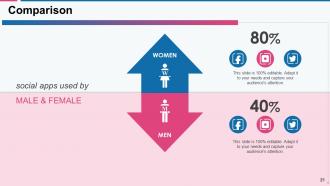
Slide 21: This slide highlights comparison of products based on selects.
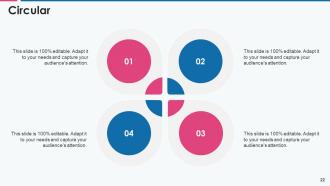
Slide 22: This slide presents circular diagram.
Slide 23: This is thank you slide & contains contact details of company like office address, phone no., etc.
Community marketing manager scorecard powerpoint presentation slides with all 28 slides:
Use our Community Marketing Manager Scorecard Powerpoint Presentation Slides to effectively help you save your valuable time. They are readymade to fit into any presentation structure.
-
Qualitative and comprehensive slides.
-
Designs have enough space to add content.
