

Consumer Negative Feedback Monotone Icon In Powerpoint Pptx Png And Editable Eps Format




Try Before you Buy Download Free Sample Product
 Impress Your
 Audience
 100%
100% Editable
 Save Hours
 of Time


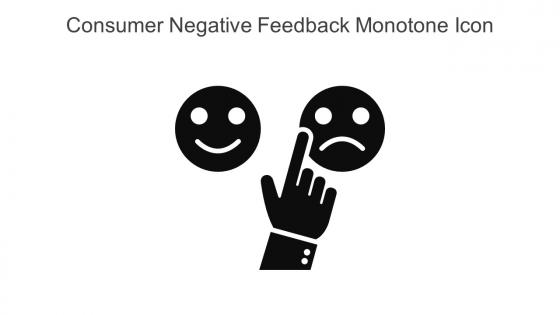
This Consumer negative feedback monotone icon in powerpoint pptx png and editable eps format is a 100 percent editable icon. The downloaded file will have this icon in EPS, PNG and Powerpoint pptx format and is perfect for your next project. It has a simple yet stylish design.
People who downloaded this PowerPoint presentation also viewed the following :
Consumer Negative Feedback Monotone Icon In Powerpoint Pptx Png And Editable Eps Format with all 6 slides:
Use our Consumer Negative Feedback Monotone Icon In Powerpoint Pptx Png And Editable Eps Format to effectively help you save your valuable time. They are readymade to fit into any presentation structure.





FAQs for Consumer Negative Feedback Monotone Icon In Powerpoint Pptx Png And
**INPUT**: What are the most effective methods for collecting consumer feedback on presentation templates? **OUTPUT**: Effective methods include online surveys, user testing sessions, feedback forms within templates, social media polls, and direct customer interviews. These approaches streamline insights by capturing usability preferences, design effectiveness, and feature requests, with many organizations finding that combining digital feedback tools with personal outreach ultimately delivers comprehensive understanding and competitive template improvements.
Consumer feedback influences presentation template design by identifying usability pain points, highlighting missing features, revealing industry-specific requirements, and exposing accessibility gaps. This input enables designers to streamline navigation, enhance customization options, and optimize visual elements, with many organizations finding that feedback-driven templates significantly improve user adoption rates and presentation effectiveness across diverse business applications.
Consumer feedback serves as the cornerstone for enhancing user experience by identifying pain points, revealing usage patterns, validating design decisions, and uncovering unmet needs within digital products. Through systematic feedback collection, companies streamline interfaces, enhance functionality, and accelerate feature development, with many organizations finding that continuous user input ultimately delivers improved customer satisfaction and competitive advantage in increasingly crowded digital markets.
Companies analyze consumer feedback through sentiment analysis, usage analytics, pattern recognition tools, and demographic segmentation to identify template preferences and emerging trends. By tracking metrics like download frequency, user ratings, and feature requests across different sectors, organizations can optimize their template offerings, enhance user experience, and stay ahead of market demands, ultimately delivering more targeted solutions.
Common challenges include inconsistent feedback formats, subjective design preferences, conflicting user requirements, unclear actionable insights, and difficulty prioritizing template improvements across diverse audience segments. Many organizations struggle with translating qualitative comments into specific design modifications, balancing aesthetic preferences with functional needs, and determining which feedback represents broader user sentiment versus individual opinions, ultimately requiring strategic frameworks for systematic interpretation.
Consumer feedback impacts presentation template pricing through demand analysis, feature valuation assessments, competitive positioning insights, and perceived value measurements. This strategic information enables template providers to optimize pricing tiers, adjust premium feature costs, and develop targeted pricing models, with many design platforms finding that feedback-driven pricing strategies increase conversion rates while maintaining competitive advantage in the marketplace.
Consumer feedback is crucial for template providers' brand loyalty, as it enables continuous product improvement, identifies user pain points, and demonstrates responsiveness to customer needs. Through systematic feedback collection, providers can enhance design quality, streamline user experience, and adapt to evolving market preferences, with many finding that responsive feedback implementation significantly increases customer retention and competitive advantage.
Businesses can encourage detailed consumer feedback through incentivized surveys, follow-up questionnaires, personalized email campaigns, social media engagement, and dedicated feedback platforms. These strategies streamline customer communication by offering rewards, creating convenient touchpoints, and demonstrating genuine interest in opinions, with many organizations finding that personalized approaches significantly enhance response rates and ultimately deliver richer insights for product development.
Companies integrate consumer feedback into template development through user testing sessions, feedback surveys, analytics tracking, and iterative design reviews. This strategic combination enables organizations to identify usability gaps, refine visual elements, and enhance functionality, with many design teams finding that continuous feedback loops ultimately deliver more market-relevant templates and improved customer satisfaction.
Best practices for following up after consumer feedback include acknowledging receipt promptly, providing status updates on actions taken, personalizing responses based on feedback type, and closing the loop with resolution outcomes. These approaches strengthen customer relationships by demonstrating responsiveness and accountability, with many organizations finding that systematic follow-up processes significantly enhance customer loyalty and trust.
Consumer feedback helps tailor templates by identifying industry-specific visual preferences, content structures, and communication styles that resonate with target audiences. Through systematic feedback analysis, organizations across sectors like healthcare, finance, and retail can customize design elements, messaging frameworks, and layout configurations, ultimately delivering more engaging presentations that drive better audience connection and business outcomes.
Cultural differences significantly influence consumer feedback through varying aesthetic preferences, communication styles, color interpretations, and functionality expectations across different markets. While Western audiences might prefer minimalist designs and direct feedback approaches, Asian markets often favor detailed visuals and indirect communication patterns, with many global companies finding that localized presentation strategies deliver stronger engagement and more actionable consumer insights.
Tools for visualizing consumer feedback include dashboard software like Tableau and Power BI, survey platforms such as SurveyMonkey and Qualtrics, social media analytics tools, and presentation software with infographic capabilities. These platforms streamline feedback analysis by creating interactive charts, sentiment heat maps, and comprehensive reports, enabling organizations to identify trends quickly, communicate insights effectively to stakeholders, and ultimately transform customer input into actionable business strategies.
Companies balance consumer feedback with creative vision by establishing clear brand guidelines, conducting targeted user testing, and implementing iterative design processes that incorporate feedback while maintaining core aesthetic principles. Through strategic segmentation approaches, organizations like retail brands and software companies preserve their distinctive design identity while addressing user preferences, ultimately delivering templates that resonate with audiences without compromising creative integrity.
Social media platforms enable template feedback collection through polls, comment sections, direct messages, story reactions, and user-generated content campaigns. Companies can create targeted posts showcasing template designs across LinkedIn, Instagram, and Facebook, encouraging specific feedback on visual elements, usability, and professional appeal, while analyzing engagement metrics and sentiment to refine offerings based on real user preferences.
-
One-stop solution for all presentation needs. Great products with easy customization.
-
SlideTeam is my one-stop solution for all the presentation needs. Their templates have beautiful designs that are worth every penny!