


Content Distribution Strategy Powerpoint Presentation Slides





Try Before you Buy Download Free Sample Product
 Impress Your
 Audience
 100%
100% Editable
 Save Hours
 of Time


Showcase the strategic document of your organization to support its marketing efforts for promoting posts, e-books, resources, and other content assets, etc. by using our content distribution strategy PowerPoint presentation slides. This distribution model PowerPoint theme is a content ready complete deck which consists of 21 slides like distribution model, content distribution template, distribution plan template, distribution plan timeline, content distribution matrix, content distribution strategy icon slide, etc. Talk about the strategies to build the distribution plan using this distribution model PowerPoint theme. All the slides are completely editable, and you can add or delete anything as per your requirement. You can also use this content distribution strategy PowerPoint presentation to show additional slides like our mission, meet our team, about us, timeline, our goal, lego, puzzle, donut chart, stacked column, clustered column, etc. Ensure efficiency with our Content Distribution Strategy Powerpoint Presentation Slides. Get greater output from your thoughts.
People who downloaded this PowerPoint presentation also viewed the following :
Content of this Powerpoint Presentation
Slide 1: This slide introduces Content Distribution Strategy. State Your Company Name and begin.
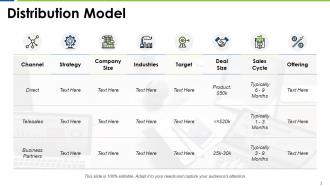
Slide 2: This slide shows Distribution Model describing channel, strategy, company size, industries, target, deal size, sales cycle and offering.
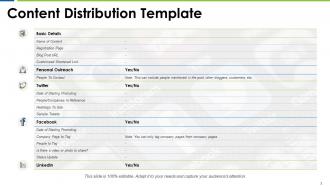
Slide 3: This slide presents Content Distribution Template describing basic details, personal outreach, twitter, facebook and linkedin.
Slide 4: This slide displays Distribution Plan Template in tabular form with categories as Name, timeline and plan.
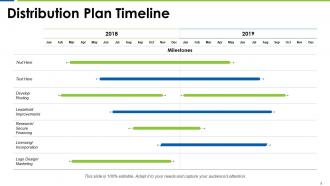
Slide 5: This slide showcases Distribution Plan Timeline. You can add or edit data as per requirements.
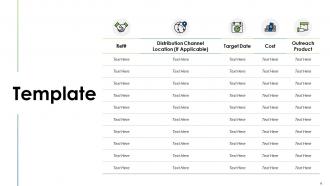
Slide 6: This slide represents Template for referance with additional text boxes.
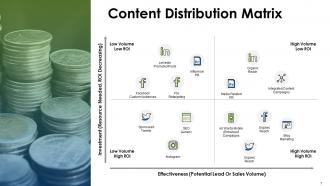
Slide 7: This slide shows Content Distribution Matrix with related imagery.
Slide 8: This slide presents Content Distribution Strategy Icons.
Slide 9: This slide is titled as Additional Slides for moving forward.
Slide 10: This is Our Mission slide with related imagery and text boxes.
Slide 11: This is Our Team slide with names and designation.
Slide 12: This is About Us slide to show company specifications etc.
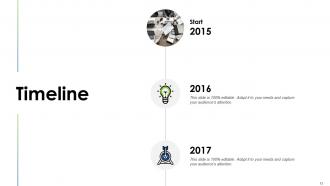
Slide 13: This is a Timeline slide. Show information related with time period here.
Slide 14: This is another slide continuing timeline.
Slide 15: This is Our Goal slide. State your important goals here.
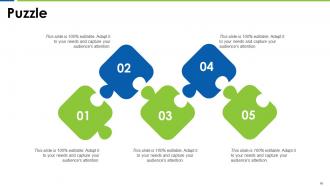
Slide 16: This slide shows Puzzle with text boxes to show information.
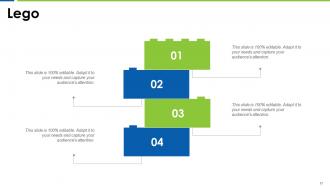
Slide 17: This is a Lego slide with additional text boxes.
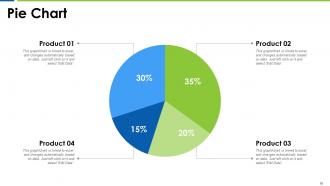
Slide 18: This slide shows Pie Chart with data in percentage.
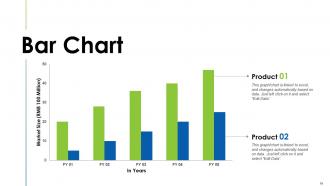
Slide 19: This slide shows Bar Chart with two products comparison.
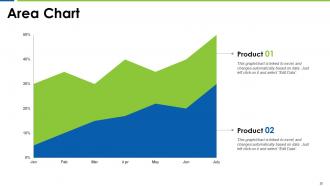
Slide 20: This slide presents Area Chart with two products comparison.
Slide 21: This is a Thank you slide with address, contact numbers and email address.
Content Distribution Strategy Powerpoint Presentation Slides with all 21 slides:
Fulfill innermost desires with our Content Distribution Strategy Powerpoint Presentation Slides. It allows you to indulge all your fancies.






FAQs for Content Distribution Strategy
**INPUT**: What are the key components of an effective content distribution strategy? **OUTPUT**: Key components include multi-channel publishing, audience segmentation, timing optimization, performance analytics, and repurposing workflows. These strategies enhance reach by leveraging social media, email campaigns, and partnerships, while many organizations find that consistent scheduling and cross-platform adaptation ultimately delivers broader engagement and competitive advantage. **Word count: 50 words**
Different platforms influence content distribution through varying audience behaviors, content formats, and engagement patterns, requiring tailored approaches for each channel. LinkedIn favors professional, long-form content and industry insights, while Instagram prioritizes visual storytelling and Stories, and TikTok demands short, creative videos, with many organizations finding that platform-specific optimization significantly increases reach, engagement, and ultimately delivers better ROI across their comprehensive distribution strategy.
Content distribution success should be measured through engagement metrics like shares, comments, and click-through rates, reach indicators including impressions and audience growth, and conversion metrics such as lead generation and sales attribution. These metrics work together to provide comprehensive insights into content performance across different channels, with many organizations finding that combining vanity metrics with business outcomes delivers clearer strategic direction for optimizing distribution efforts.
Audience segmentation enhances content distribution by enabling targeted messaging, personalized delivery channels, optimized timing, and improved content formats tailored to specific demographics and behaviors. Through strategic segmentation, organizations streamline their distribution efforts across social media, email campaigns, and digital platforms, ultimately delivering higher engagement rates, better conversion outcomes, and more efficient resource allocation.
SEO enhances content distribution by improving search visibility, driving organic traffic, and ensuring content reaches target audiences across multiple channels. Through keyword optimization, meta descriptions, and strategic linking, businesses streamline discoverability while maximizing reach, with many organizations finding that SEO-optimized content delivers significantly higher engagement and sustained competitive advantage.
Repurposing content enhances distribution reach by adapting single pieces across multiple platforms, formats, and audience segments, maximizing visibility while minimizing resource investment. A comprehensive blog post becomes social media snippets, infographics, video content, and podcast episodes, with organizations finding this strategic approach delivers broader audience engagement, extended content lifespan, and significantly improved ROI.
Best practices for social media content sharing include optimizing post timing, tailoring content formats to each platform, using relevant hashtags, engaging authentically with audiences, and maintaining consistent brand voice across channels. These strategies enhance reach and engagement by leveraging platform-specific algorithms, encouraging meaningful interactions, and building community trust, with many organizations finding that strategic, audience-focused content distribution significantly increases brand visibility and customer loyalty.
Email marketing integrates into content distribution through newsletter campaigns, personalized content delivery, subscriber segmentation, automated drip sequences, and targeted promotional messaging. These strategies enable businesses to reach audiences directly in their inboxes, nurture leads systematically, and drive traffic back to primary content platforms, ultimately delivering higher engagement rates and stronger customer relationships.
Niche content distribution strategies include audience segmentation, specialized platform targeting, influencer partnerships, community engagement, and personalized messaging campaigns. These approaches streamline reach by leveraging industry-specific forums, professional networks, and targeted social media groups, with many organizations finding that focused distribution ultimately delivers higher engagement rates and better conversion outcomes than broad-spectrum marketing.
Timing significantly impacts content distribution effectiveness by aligning with audience behavior patterns, platform algorithms, and industry cycles. Strategic timing enhances engagement rates, maximizes reach potential, and optimizes resource allocation, with many organizations finding that data-driven scheduling across multiple time zones delivers higher conversion rates and stronger competitive advantage.
Content distribution technologies include marketing automation platforms, social media management tools, content management systems, API integrations, and multi-channel publishing software. These solutions streamline workflows by automating posting schedules, centralizing content libraries, and enabling simultaneous distribution across platforms, with many organizations finding that strategic automation reduces manual effort while significantly enhancing reach and engagement consistency.
**INPUT**: How can partnerships or collaborations expand content distribution? **OUTPUT**: Partnerships expand content distribution by leveraging shared audiences, cross-promotional opportunities, and complementary expertise, while reducing individual marketing costs and resource allocation. Through strategic collaborations, organizations access new customer segments, enhance content credibility through industry associations, and ultimately deliver broader market reach and competitive advantage in increasingly crowded digital landscapes. **Word count**: 54 words
Common content distribution pitfalls include inconsistent posting schedules, neglecting platform-specific optimization, focusing solely on promotional content, ignoring audience engagement metrics, and distributing across too many channels without strategic focus. These mistakes significantly reduce reach and engagement, with many organizations finding that streamlined, data-driven approaches deliver better audience connections, higher conversion rates, and ultimately stronger brand loyalty across their chosen platforms.
Storytelling enhances distributed content by creating emotional connections, improving message retention, and making complex information more relatable and memorable across different platforms. Through narrative frameworks, organizations can transform dry data into compelling experiences that resonate with diverse audiences, ultimately driving higher engagement rates and stronger brand loyalty across all distribution channels.
Future content distribution trends include AI-powered personalization, voice search optimization, interactive content formats, omnichannel integration, and influencer-creator partnerships. These approaches enhance audience engagement by delivering targeted experiences, expanding reach across emerging platforms, and streamlining content workflows, with many organizations finding that strategic adoption ultimately delivers improved conversion rates and competitive advantage.
No Reviews