

Coordination Activities For Successful Project Completion Powerpoint Presentation Slides





Try Before you Buy Download Free Sample Product
 Impress Your
Audience
 100%
Editable
 Save Hours
of Time


Communication is considered a vital component for project success as it allows to discuss project progress and concerns to project stakeholders, team members, and leaders. Here is a professionally designed template on Coordination Activities for Successful Project Completion that will be useful for project partners to achieve goals within the assigned timeframe and available resources through an effective communication plan. The deck covers details about lack of communication impacting overall project effectiveness, comparative assessment of project communication standards, statistics related to organizational communication, upcoming project details. It caters to information regarding essential parameters for effective communication, project communication strategies, target groups involved, and engagement in project communication. Key personnel involved in project communication are also showcased and their training schedule. Project communication channels internal or external and communication tools are presented. The deck covers the project communication plan for the target audience, stakeholder impact assessment, and calendar worksheet for communication. Various coordination activities, modes, and meetings for project management are presented. Moreover, the overall impact of effective project management is displayed along with cost assessment and performance dashboard to track project management activities. Get access to this 100 percent editable template now.
People who downloaded this PowerPoint presentation also viewed the following :
Content of this Powerpoint Presentation
Slide 1: This slide introduces Coordination Activities for Successful Project Completion. State Your Company Name and begin.
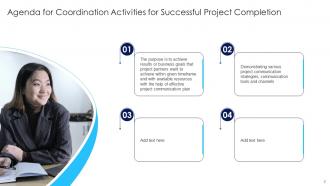
Slide 2: This slide states Agenda of the presentation.
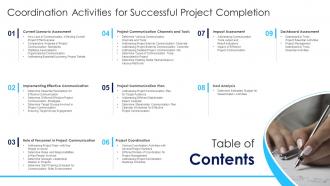
Slide 3: This slide presents Table of Content for the presentation.
Slide 4: This slide highlights title for topics that are to be covered next in the template.
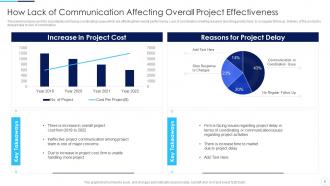
Slide 5: This slide displays How Lack of Communication Affecting Overall Project Effectiveness.
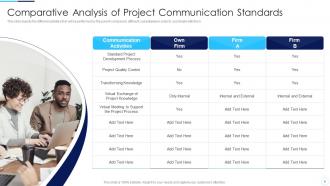
Slide 6: This slide represents Comparative Analysis of Project Communication Standards.
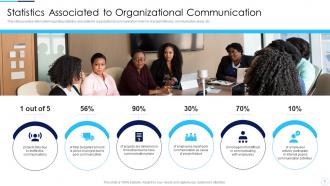
Slide 7: This slide shows Statistics Associated to Organizational Communication.
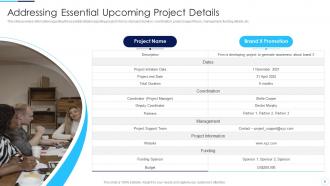
Slide 8: This slide presents essential details regarding project in terms of project duration, coordination, project support team, etc.
Slide 9: This slide highlights title for topics that are to be covered next in the template.
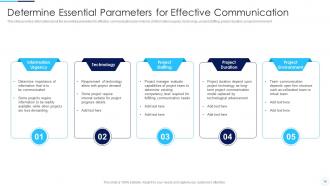
Slide 10: This slide displays essential parameters for effective communication plan in terms of information urgency, technology, project staffing, etc.
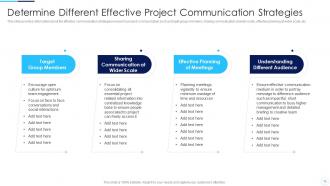
Slide 11: This slide represents Determine Different Effective Project Communication Strategies.
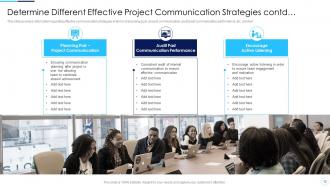
Slide 12: This slide shows effective communication strategies in terms of planning post - project communication.
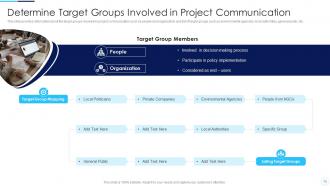
Slide 13: This slide presents target groups involved in project communication.
Slide 14: This slide shows Determine Target Groups Involved in Project Communication.
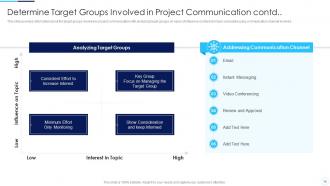
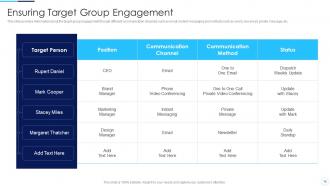
Slide 15: This slide displays target group engagement through different communication channels such as email, instant messaging, etc.
Slide 16: This slide highlights title for topics that are to be covered next in the template.
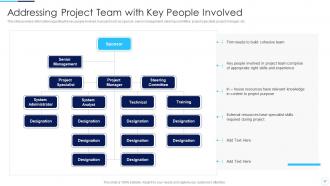
Slide 17: This slide shows key people involved in project such as sponsor, senior management, steering committee, etc.
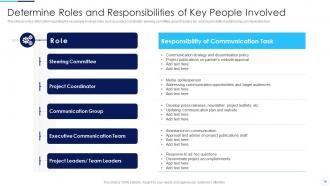
Slide 18: This slide presents Determine Roles and Responsibilities of Key People Involved.
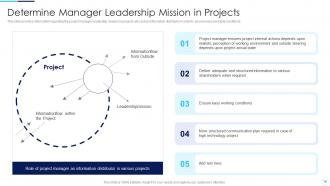
Slide 19: This slide shows project manager leadership mission in projects who act as information distributor in order to ensure easy workable conditions.
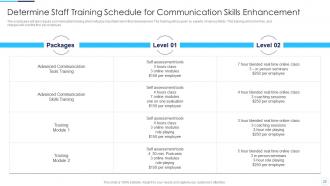
Slide 20: This slide displays Determine Staff Training Schedule for Communication Skills Enhancement.
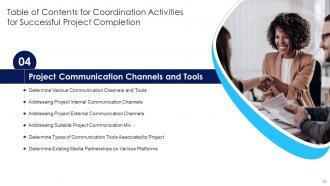
Slide 21: This slide highlights title for topics that are to be covered next in the template.
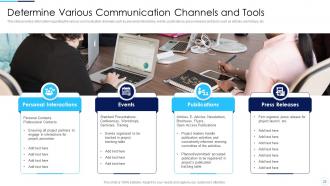
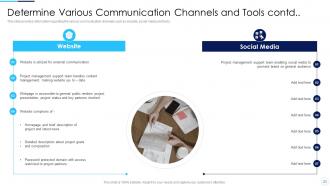
Slide 22: This slide shows various communication channels such as personal interactions, events, publications, etc.
Slide 23: This slide presents Determine Various Communication Channels and Tools.
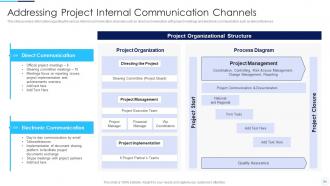
Slide 24: This slide shows various internal communication channels such as direct communication with project meetings and electronic communication such as teleconferences.
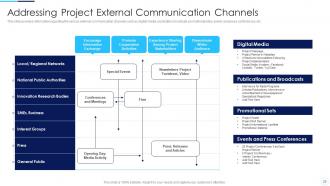
Slide 25: This slide displays various external communication channels such as digital media, publication broadcast, promotional sites, etc.
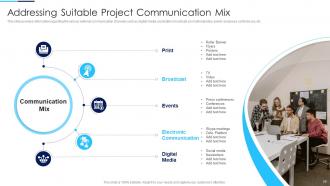
Slide 26: This slide represents Addressing Suitable Project Communication Mix.
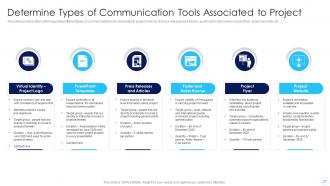
Slide 27: This slide shows Determine Types of Communication Tools Associated to Project.
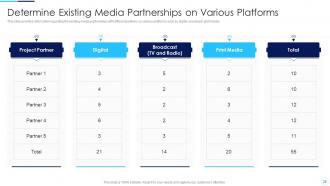
Slide 28: This slide presents Determine Existing Media Partnerships on Various Platforms.
Slide 29: This slide highlights title for topics that are to be covered next in the template.
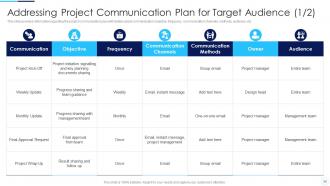
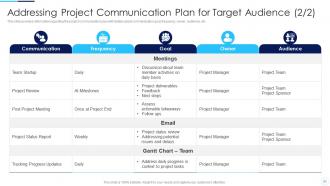
Slide 30: This slide displays Addressing Project Communication Plan for Target Audience.
Slide 31: This slide represents project communication plan with details about communication goal, frequency, owner, audience, etc.
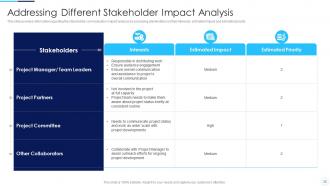
Slide 32: This slide shows stakeholder communication impact analysis by assessing stakeholders on their interests, estimated impact and estimated priority.
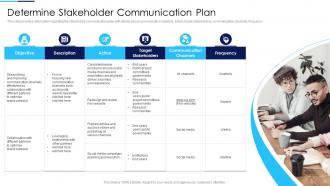
Slide 33: This slide presents stakeholder communication plan with details about communication objective, action, target stakeholders, etc.
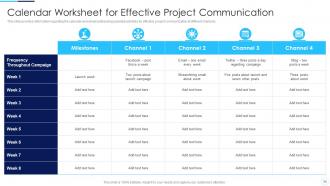
Slide 34: This slide shows Calendar Worksheet for Effective Project Communication.
Slide 35: This slide highlights title for topics that are to be covered next in the template.
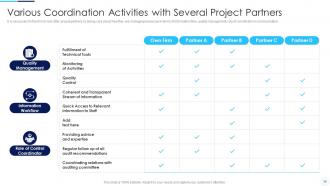
Slide 36: This slide represents Various Coordination Activities with Several Project Partners.
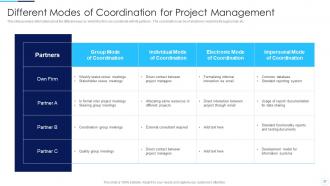
Slide 37: This slide shows Different Modes of Coordination for Project Management.
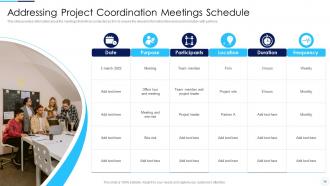
Slide 38: This slide presents Addressing Project Coordination Meetings Schedule.
Slide 39: This slide highlights title for topics that are to be covered next in the template.
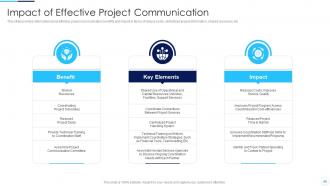
Slide 40: This slide represents effective project communication benefits and impact in terms of reduce costs, centralized project information, shared resources, etc.
Slide 41: This slide highlights title for topics that are to be covered next in the template.
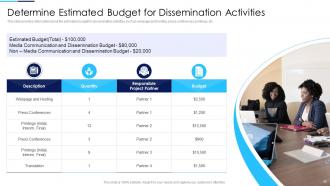
Slide 42: This slide presents Determine Estimated Budget for Dissemination Activities.
Slide 43: This slide highlights title for topics that are to be covered next in the template.
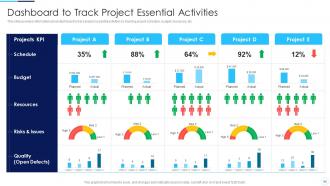
Slide 44: This slide displays dashboard to track project essential activities by tracking project schedule, budget, resources, etc.
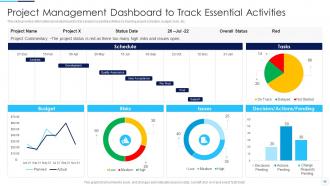
Slide 45: This slide represents Project Management Dashboard to Track Essential Activities.
Slide 46: This slide showcases Icons for Coordination Activities for Successful Project Completion.
Slide 47: This slide is titled as Additional Slides for moving forward.
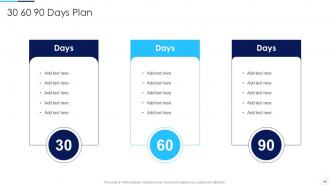
Slide 48: This slide provides 30 60 90 Days Plan with text boxes.
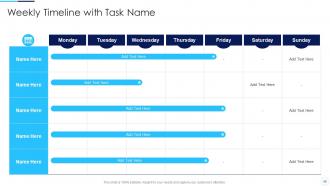
Slide 49: This slide shows Weekly Timeline with Task Name.
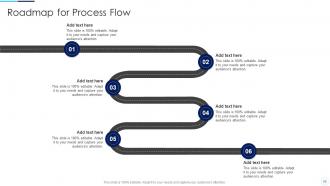
Slide 50: This slide presents Roadmap for Process Flow.
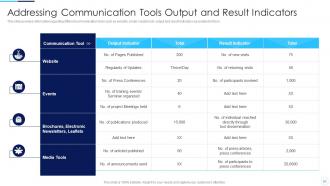
Slide 51: This slide represents Addressing Communication Tools Output and Result Indicators.
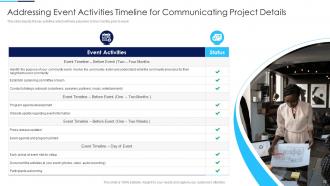
Slide 52: This slide showcases Addressing Event Activities Timeline for Communicating Project Details.
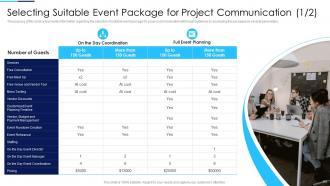
Slide 53: This slide shows Selecting Suitable Event Package for Project Communication.
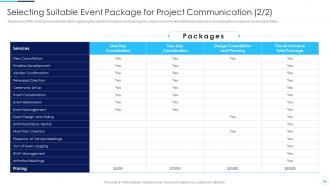
Slide 54: This is another slide continuing Selecting Suitable Event Package for Project Communication.
Slide 55: This is About Us slide to show company specifications etc.
Slide 56: This slide presents Bar chart with two products comparison.
Slide 57: This slide depicts Venn diagram with text boxes.
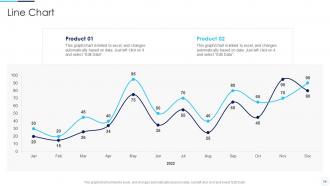
Slide 58: This slide describes Line chart with two products comparison.
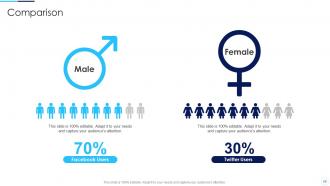
Slide 59: This is a Comparison slide to state comparison between commodities, entities etc.
Slide 60: This slide contains Puzzle with related icons and text.
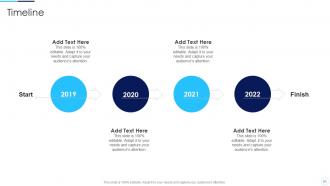
Slide 61: This is a Timeline slide. Show data related to time intervals here.
Slide 62: This is a Thank You slide with address, contact numbers and email address.
Coordination Activities For Successful Project Completion Powerpoint Presentation Slides with all 67 slides:
Use our Coordination Activities For Successful Project Completion Powerpoint Presentation Slides to effectively help you save your valuable time. They are readymade to fit into any presentation structure.















FAQs for Coordination Activities For Successful Project Completion
Effective coordination principles include clear communication channels, defined roles and responsibilities, shared goal alignment, regular progress monitoring, and flexible resource allocation. These approaches streamline team dynamics by establishing accountability structures, minimizing task overlap, and enabling rapid decision-making, with many organizations finding that strategic coordination ultimately delivers enhanced productivity and competitive operational efficiency.
Technology enhances coordination activities through project management platforms, real-time communication tools, shared digital workspaces, automated workflow systems, and integrated scheduling solutions. These technologies streamline collaboration by centralizing information, enabling instant updates, and providing visibility across projects, with many organizations finding that seamless integration ultimately delivers faster decision-making and improved operational efficiency.
Teams commonly face communication breakdowns, conflicting priorities, resource allocation disputes, unclear role definitions, and misaligned timelines during coordination activities. These challenges can be overcome through regular structured meetings, collaborative project management platforms, clear documentation of responsibilities, cross-functional training programs, and transparent progress tracking systems, with many organizations finding that proactive communication protocols and shared digital workspaces significantly enhance coordination efficiency and reduce project delays.
Cross-functional teams benefit from improved coordination strategies through enhanced communication flow, streamlined decision-making processes, reduced project delays, clearer role definitions, and better resource allocation. These strategies enable teams to break down silos, minimize duplicated efforts, and accelerate project timelines, with many organizations finding that structured coordination ultimately delivers faster innovation cycles and improved competitive positioning.
Cultural diversity impacts coordination activities through varied communication styles, different time orientations, distinct decision-making processes, and diverse approaches to hierarchy and authority. While these differences can create initial challenges in establishing unified workflows, international teams increasingly find that embracing cultural perspectives enhances problem-solving capabilities, drives innovation, and ultimately delivers stronger global market insights and competitive advantage.
Communication serves as the foundation for successful coordination activities by establishing clear expectations, facilitating real-time information sharing, enabling rapid problem resolution, and ensuring all stakeholders remain aligned on objectives and timelines. Through strategic communication channels, organizations streamline decision-making processes, minimize operational delays, and enhance cross-functional collaboration, with many finding that structured communication protocols ultimately deliver improved project outcomes and competitive advantage.
Visual aids enhance coordination activities by clarifying complex information, aligning team understanding, and facilitating real-time collaboration through shared reference points. Through charts, diagrams, and interactive displays, organizations streamline decision-making processes, reduce miscommunication, and accelerate project timelines, with many teams finding that visual coordination tools ultimately deliver faster consensus and improved operational efficiency.
Coordination effectiveness metrics include communication frequency, response times, task completion rates, stakeholder alignment scores, and cross-functional collaboration indices. These measurements help organizations streamline workflows, minimize redundancies, and enhance operational efficiency, with many companies finding that regular metric tracking delivers improved project outcomes, faster decision-making, and ultimately stronger competitive advantage.
Leaders facilitate better coordination among remote teams by establishing clear communication protocols, implementing collaborative project management tools, scheduling regular check-ins, and creating shared digital workspaces for transparency. These approaches streamline workflows by ensuring consistent information flow, reducing silos, and maintaining accountability, with many organizations finding that structured virtual coordination ultimately delivers improved productivity and stronger team cohesion across distributed workforces.
**INPUT**: What tools and platforms are most effective for managing coordination activities? **OUTPUT**: Effective coordination platforms include project management software like Asana and Monday.com, communication tools such as Slack and Microsoft Teams, cloud-based collaboration systems, workflow automation platforms, and integrated dashboard solutions. These technologies streamline coordination by centralizing communications, automating task assignments, and providing real-time visibility across teams, with many organizations finding that strategic combinations ultimately deliver enhanced operational efficiency and faster project completion.
Accountability during coordination activities can be fostered through clear role definitions, regular progress check-ins, transparent communication channels, and measurable performance indicators. These approaches enable teams to track responsibilities and outcomes systematically, with many organizations finding that structured accountability frameworks enhance team commitment while delivering improved project outcomes and stronger collaborative relationships.
Best practices for coordinating multi-departmental projects include establishing clear communication protocols, defining shared objectives and timelines, implementing centralized project management tools, creating cross-functional teams with designated liaisons, and conducting regular progress meetings. These coordination strategies streamline collaboration by eliminating silos, ensuring resource alignment, and maintaining transparency across departments, with many organizations finding that structured coordination ultimately delivers faster project completion and enhanced operational efficiency.
Team dynamics significantly influence coordination success through communication patterns, trust levels, role clarity, and collaborative decision-making processes. Strong team cohesion enables seamless information sharing, faster conflict resolution, and aligned goal execution, while diverse skill sets and complementary working styles enhance problem-solving capabilities, ultimately delivering improved project outcomes and organizational efficiency.
**INPUT**: What are some innovative approaches to improve coordination in agile project management? **OUTPUT**: Innovative coordination approaches include cross-functional team pods, real-time digital dashboards, automated workflow integration, dependency mapping tools, and continuous alignment ceremonies beyond traditional standups. These methods streamline communication by eliminating silos, enhancing transparency, and accelerating decision-making, with many organizations finding that strategic coordination ultimately delivers faster project cycles and improved team productivity.
Feedback loops can be established through regular team retrospectives, cross-departmental performance reviews, real-time communication platforms, and structured project post-mortems that capture coordination successes and gaps. These mechanisms enable organizations to identify bottlenecks, streamline workflows, and enhance collaborative processes, with many companies finding that systematic feedback collection ultimately delivers improved operational efficiency and stronger cross-functional relationships.
-
Well-designed and informative templates. Absolutely brilliant!
-
“You have the structure in place that are easy to explore new opportunities.I will be recommending your services to other people.”