


Crisis management solutions deck powerpoint presentation slides






Try Before you Buy Download Free Sample Product
 Impress Your
 Audience
 100%
100% Editable
 Save Hours
 of Time


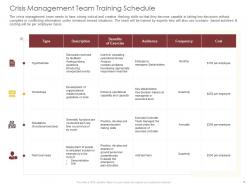
Crisis management aids organizations in handling unexpected and disruptive events through effective planning and response in order to alleviate the crisis impact. The firm is leading towards a goal of make crisis preventive environment in the organization by building crisis management team, developing business continuity and incident management plans. The firm will recognize several crises such as personnel, organizational, financial, technological or natural crisis. It will also discuss potential threats such as loss in sales, customer dissatisfaction, decrease in customer loyalty, increased overall expenses, tarnished reputation and their impact on firms overall performance. The strategic crisis management plan will be presented to the top level management. The crisis management team will be introduced which will comprise of senior management as they have the authority and resources to accelerate firms incident response and are responsible in managing human impacts, company reputation, etc. They will make strategic decisions in order to reduce response time and provide guidance to rest of the organization. The team training schedule will be made to make them capable enough to handle immense tensed situations. The teams will be trained by experts through scenario based activities like workshops, hypotheticals, field exercises and simulations. The firm will also launch employee assistance program.
People who downloaded this PowerPoint presentation also viewed the following :
Content of this Powerpoint Presentation
Slide 1: This slide introduces Crisis Management Solutions Deck. State your Company name and begin.
Slide 2: This slide displays Objectives.
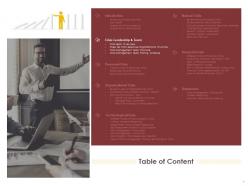
Slide 3: This slide showcases Table of Contents.
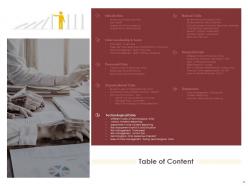
Slide 4: This slide displays Table of Content.
Slide 5: The firm can face the potential crisis enlisted in this slide. These crisis create unexpected problem and put stability of the organization at risk.
Slide 6: This slide provides information about the several situations that will result in increase of potential threats in the organization.
Slide 7: This slide displays Table of Content
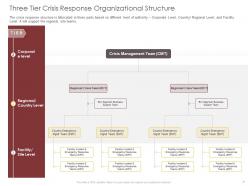
Slide 8: This slide displays Crisis Team Overview. The primary role of the crisis management team is to provide support to regional, site and associate business teams. Team will make strategic decisions in order to reduce response time and provide guidance to response team and rest of the organization.
Slide 9: This slide shows Three Tier Crisis Response Organizational Structure.
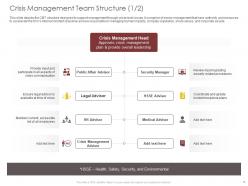
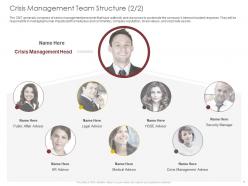
Slide 10: This slide depicts the CMT structure designed to support management through crisis level issues. It comprise of senior management that have authority and resources to accelerate the firm’s internal incident response and are responsible in managing human impacts, company reputation, share values, and corporate assets.
Slide 11: This slide showcases Crisis Management Team Structure
Slide 12: This slide displays Crisis Management Team Training Schedule
Slide 13: This slide displays Table of Content.
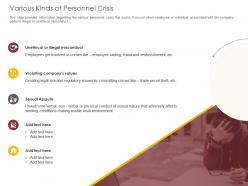
Slide 14: This slide provides information regarding the various personnel crisis that exists. It occurs when employee or individual associated with the company perform illegal or unethical misconduct.
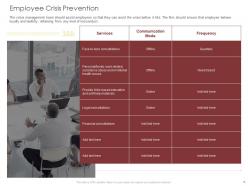
Slide 15: This slide the ways of Employee Crisis Prevention. The crisis management team should assist employees so that they can avoid the crisis before it hits. The firm should ensure that employee behave loyally and lawfully, refraining from any kind of misconduct.
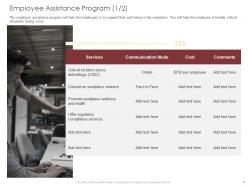
Slide 16: This slide displays Employee Assistance Program. The employee assistance program will help the employees in to support their well being in the workplace. This will help the employee to handle critical situations during crisis.
Slide 17: This slide displays Employee Assistance Program. The employee assistance program will help the employees in to support their well being in the workplace. This will help the employee to handle critical situations during crisis.
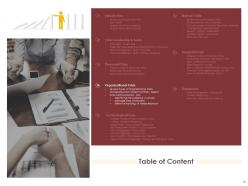
Slide 18: This slide displays Table of Content.
Slide 19: This slide provides information regarding the various organizational crisis that exists. This kind of crisis occur when the firm has significantly wronged its customers. They use customers as a means of benefiting the company rather than benefitting them.
Slide 20: This slide can be utilized to report any workplace violence. After filling this form it will be forwarded to Business unit safety director and HR representative.
Slide 21: This slide represents Crisis Communication Plan – Identifying the Audience Involved
Slide 22: This slide shows Crisis Communication Plan – Message Map Worksheet.
Slide 23: This slide depicts Effective Handling of Media Relations
Slide 24: This slide shows Table of Content
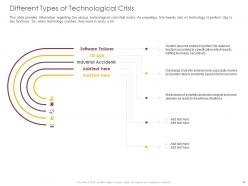
Slide 25: This slide provides information regarding the various technological crisis that exists. As nowadays, firm heavily rely on technology to perform day to day functions. So, when technology crashes, they need to worry a lot.
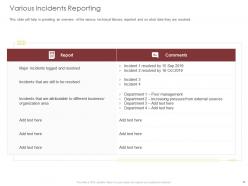
Slide 26: This slide will help in providing an overview of the various technical failures reported and on what date they are resolved.
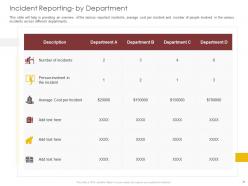
Slide 27: This slide will help in providing an overview of the various reported incidents, average cost per incident and number of people involved in the various incidents across different departments.
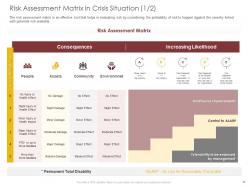
Slide 28: This slide showcases Risk Assessment Matrix in Crisis Situation.
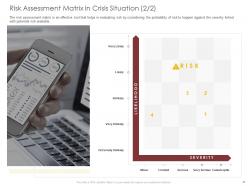
Slide 29: This slide showcases Risk Assessment Matrix in Crisis Situation.
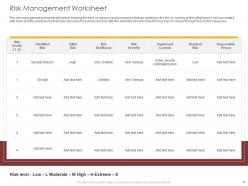
Slide 30: The slide shows risk management worksheet which will help in keeping the track of various issues(concerns) that are existing in the firm.
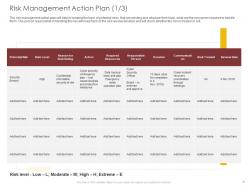
Slide 31: This slide depicts Risk Management Action Plan. The risk management action plan will help in keeping the track of potential risks that are existing and what are their level, what are the resources required to handle them. The person responsible in handling the risk will keep track of the risk resolve duration and will check whether the risk is treated or not.
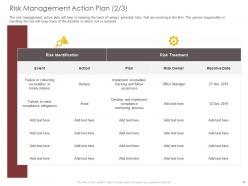
Slide 32: This slide depicts Risk Management Action Plan. The risk management action plan will help in keeping the track of potential risks that are existing and what are their level, what are the resources required to handle them. The person responsible in handling the risk will keep track of the risk resolve duration and will check whether the risk is treated or not.
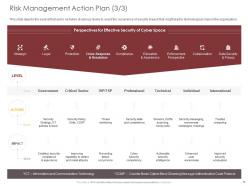
Slide 33: This slide depicts the several that are to be taken at various levels to avoid the occurrence of security breach that might lead to technological crisis in the organization.
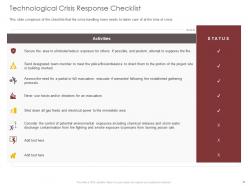
Slide 34: This slide comprises of the checklist that the crisis handling team needs to taken care of at the time of crisis.
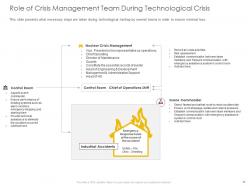
Slide 35: This slide presents what necessary steps are taken during technological mishap by several teams in order to ensure minimal loss.
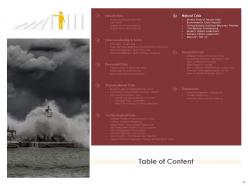
Slide 36: This slide shows Table of Content.
Slide 37: This slide provides information regarding the various natural crisis that exists. These kinds of crisis have significant impact on business.
Slide 38: This slide comprises of the checklist that the crisis handling team needs to taken care of at the time of crisis.
Slide 39: This slide depicts Critical Business Functions Recovery Priorities
Slide 40: This slide depicts Vital Records Maintenance
Slide 41: This slide shows Severity Impact Assessment.
Slide 42: This slide shows Business Impact Assessment.
Slide 43: This slide represents Recovery Task List. The tasks which can be recovered after the crisis are mentioned with the time taken for the recovery and the person responsible for the recovery is mentioned.
Slide 44: This slide displays Table of Content of the presentation.
Slide 45: This slide provides information regarding the various financial crisis that exists. This kind of crisis emerge when business loses value in its assets and is unable to pay off its debts.
Slide 46: This slide helps in Evaluating Financial Practices in Firm.
Slide 47: This slide presents various signs that shows that the firm is going through financial distress. These signs will not only impact the profitability but will lead to generate financial crisis situation (if persists for longer run).
Slide 48: This slide presents the debt capacity of the firm which determines the to amount of debt the firm can incur and repay in accordance to the terms of debt agreement.
Slide 49: This slide serves the purpose of showing the issues the firm will face after the financial crisis and to what extent they are impact firm’s overall productivity.
Slide 50: This slide serves the purpose of showing the issues the firm will face after the financial crisis and to what extent they are impact firm’s overall productivity.
Slide 51: This slide shows How to Handle Financial Crisis ?
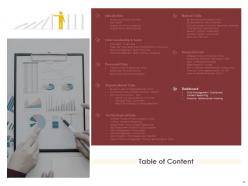
Slide 52: This slide displays Table of Content.
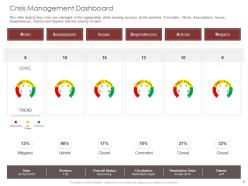
Slide 53: This slide depicts how crisis are managed in the organization while keeping recovery as the priorities. It includes – Risks, Assumptions, Issues, Dependencies, Actions and Repairs and the severity of each.
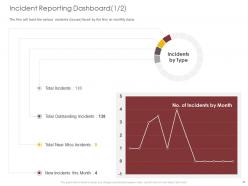
Slide 54: This slide represents Incident Reporting Dashboard.
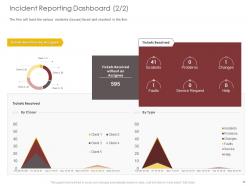
Slide 55: This slide represents Incident Reporting Dashboard.
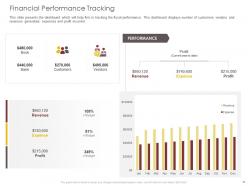
Slide 56: This slide presents the dashboard which will help firm in tracking the fiscal performance. This dashboard displays number of customers, vendors and revenues generated, expenses and profit incurred.
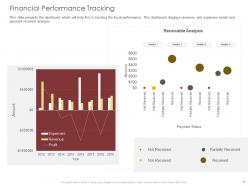
Slide 57: This slide presents the dashboard which will help firm in tracking the fiscal performance. This dashboard displays revenues and expenses trends and payment received analysis.
Slide 58: This is Icons Slide for Crisis Management Solutions Deck.
Slide 59: This slide is titled as Additional Slides for moving forward.
Slide 60: This is About Us slide to showcase Company specifications.
Slide 61: This slide displays Our Mission, Vision and Goal.
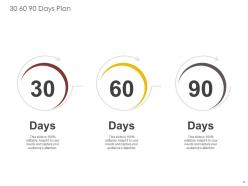
Slide 62: This is 30 60 90 Days Plan.
Slide 63: This slide represents Weekly Timeline with Task Name
Slide 64: This slide shows Roadmap For Process Flow
Slide 65: This is Thank You slide with Email address, Address.
Crisis management solutions deck powerpoint presentation slides with all 65 slides:
Use our Crisis Management Solutions Deck Powerpoint Presentation Slides to effectively help you save your valuable time. They are readymade to fit into any presentation structure.
-
Crisis Management Solutions Deck
-
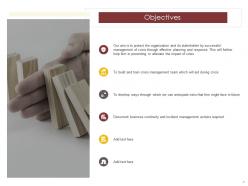
Objectives
-
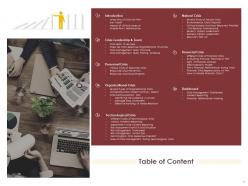
Crisis Management Solutions
-
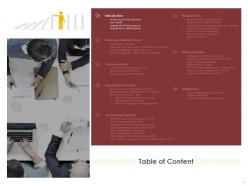
Crisis Management Solutions
-
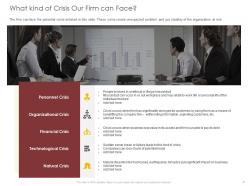
What kind of Crisis Our Firm can Face
-
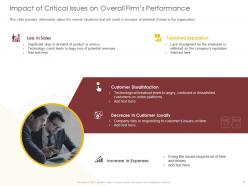
Impact of Critical Issues on Overall Firm s Performance
-
Crisis Management Solutions
-
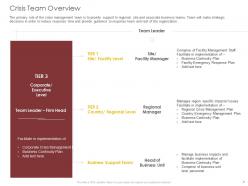
Crisis Team Overview
-
Three Tier Crisis Response Organizational Structure
-
Crisis Management Team Structure 1 2
-
Crisis Management Team Structure 2 2
-
Crisis Management Team Training Schedule
-
Crisis Management Solutions
-
Various Kinds of Personnel Crisis
-
Employee Crisis Prevention
-
Employee Assistance Program 1 2
-
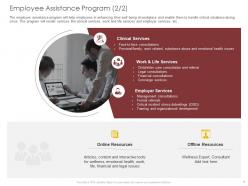
Employee Assistance Program 2 2
-
Crisis Management Solutions
-
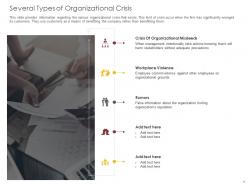
Several Types of Organizational Crisis
-
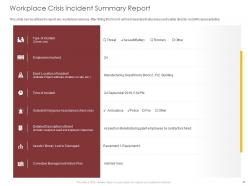
Workplace Crisis Incident Summary Report
-
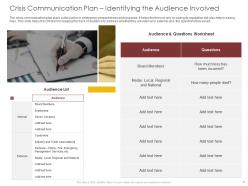
Crisis Communication Plan Identifying the Audience Involved
-
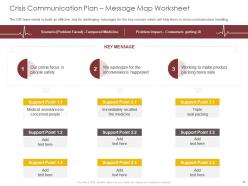
Crisis Communication Plan Message Map Worksheet
-
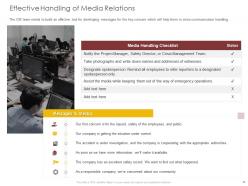
Effective Handling of Media Relations
-
Crisis Management Solutions
-
Different Types of Technological Crisis
-
Various Incidents Reporting
-
Incident Reporting by Department
-
Risk Assessment Matrix in Crisis Situation 1 2
-
Risk Assessment Matrix in Crisis Situation 2 2
-
Risk Management Worksheet
-
Risk Management Action Plan 1 3
-
Risk Management Action Plan 2 3
-
Risk Management Action Plan 3 3
-
Technological Crisis Response Checklist
-
Role of Crisis Management Team During Technological Crisis
-
Crisis Management Solutions
-
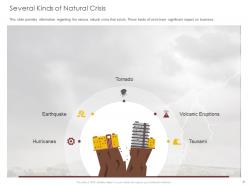
Several Kinds of Natural Crisis
-
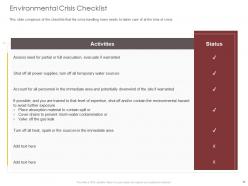
Environmental Crisis Checklist
-
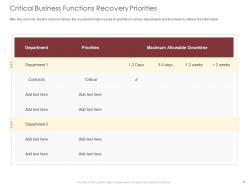
Critical Business Functions Recovery Priorities
-
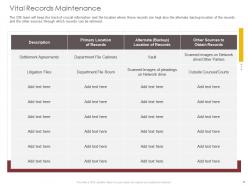
Vital Records Maintenance
-
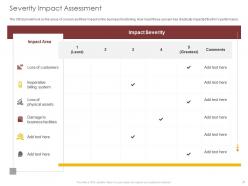
Severity Impact Assessment
-
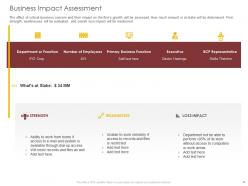
Business Impact Assessment
-
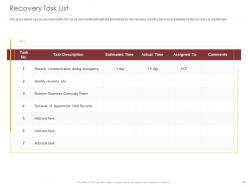
Recovery Task List
-
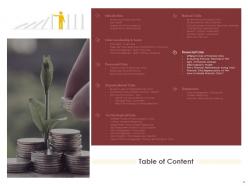
Crisis Management Solutions
-
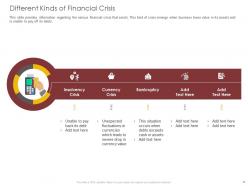
Different Kinds of Financial Crisis
-
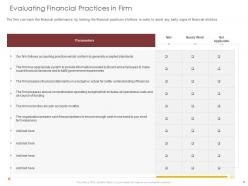
Evaluating Financial Practices in Firm
-
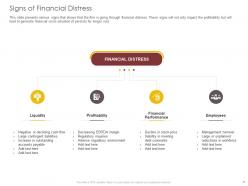
Signs of Financial Distress
-
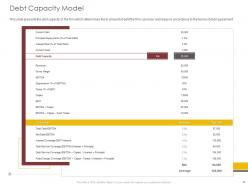
Debt Capacity Model
-
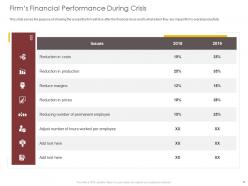
Firm s Financial Performance During Crisis
-
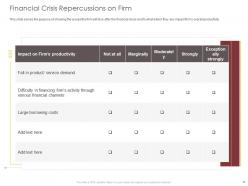
Financial Crisis Repercussions on Firm
-
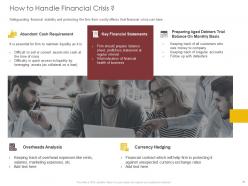
How to Handle Financial Crisis
-
Crisis Management Solutions
-
Crisis Management Dashboard
-
Incident Reporting Dashboard 1 2
-
Incident Reporting Dashboard 2 2
-
Financial Performance Tracking
-
Financial Performance Tracking
-
Icons Slide for Crisis Management Solutions Deck
-

Additional Slides
-

About Us
-
Our Mission
-
Crisis Management Solutions
-
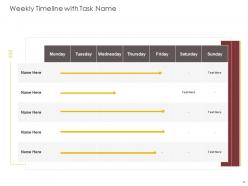
Weekly Timeline with Task Name
-
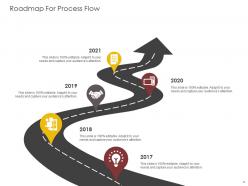
Roadmap For Process Flow
-
Thank You
FAQs for Crisis management solutions deck
You're gonna need a solid communication plan first - that's where most teams totally screw up. Get your roles mapped out clearly, plus who makes the big calls when things go sideways. Don't forget risk protocols and all your stakeholder contacts in one place. Pre-written message templates save your butt too. Oh, and backup contacts for literally everything because Murphy's Law is real. Running quarterly drills sounds boring but trust me, even the best plan falls apart if nobody knows how to actually use it. Monitoring systems help you track what's happening in real time.
Start with auditing everything that could blow up - supply chain issues, tech crashes, key people leaving. External stuff matters too: regulatory changes, economic downturns, potential PR disasters. The risks you're not thinking about are usually the worst ones, honestly. Get your team together for scenario planning sessions regularly - they'll catch things you missed. Quarter-by-quarter reviews keep you current since things move so fast these days. Oh, and set up some kind of early warning system so you're not blindsided when something actually goes wrong.
Dude, communication can totally make or break how you handle a crisis. Get your messaging straight from the start - be transparent and quick about it, but don't spam people with constant updates (seriously, nobody wants their phone buzzing every 5 minutes). You'll want specific people doing the talking, plus templates ready for different situations. Here's the thing though - listening matters just as much as talking. Monitor what people are saying back to you. Set up your communication game plan before stuff hits the fan, not during.
Look at J&J's Tylenol crisis in '82 - they yanked everything off shelves immediately and redesigned the packaging. Customers actually trusted them more afterward, which is wild. Starbucks closed 8,000 stores for racial bias training in 2018. Super expensive move but it worked. Airbnb did something similar when discrimination complaints piled up - new policies, inclusion investments, the whole thing. What these companies did right: they moved fast, owned their mistakes completely, and made real changes instead of just saying sorry. The communication was transparent too. That's the blueprint right there.
Honestly, you've gotta treat this like fire drills but for actual business disasters. Do tabletop exercises where everyone walks through scenarios - data breaches, natural disasters, that one key person who might quit without notice (we all know who that is lol). Practice communication chains and who makes what decisions. Most companies totally skip this step and then panic when stuff actually hits the fan. Run these every quarter and keep updating based on whatever new crazy risks pop up in your industry. The whole point is getting people comfortable making decisions under pressure.
Start with communication stuff - that's where most companies totally fall apart. Everbridge is solid for mass alerts, and you'll need something to monitor social media since that's where everything blows up first these days. Noggin's pretty good for centralizing all your crisis management in one place. Mobile apps are non-negotiable because disasters love happening at 2am on weekends, obviously. The tricky part is finding tools that actually talk to each other instead of making your life harder. There's honestly a crazy amount of options out there, so just tackle your biggest weak spots first.
Yeah, you definitely need a dedicated crisis team - can't just figure it out when stuff goes sideways. Having set roles means faster decisions and people who actually know your plan. Otherwise you'll have everyone jumping in with conflicting ideas when things are already chaos. Make sure you've got someone from legal, comms, operations, and leadership covered. Honestly, the tabletop exercises are clutch - we did some last year and caught so many gaps we would've missed. Way better to mess up in practice than when reporters are calling and customers are freaking out.
When crisis hits, your team's gonna feel it hard - job security fears, stress through the roof, productivity tanking. Some might even burn out if this drags on too long. Be super transparent with communication first. Regular updates kill the gossip mill drama. Get mental health resources available, maybe some flexible work options if you can swing it. Train your managers to spot the warning signs too. Honestly, psychological safety becomes everything in these situations. Start with quick team check-ins - not just work stuff, but actually see how people are holding up. That's where you'll get the real picture of what's going on.
Yeah, crisis type totally changes everything. Natural disasters? You're dealing with immediate safety stuff - getting employees safe, finding backup suppliers. PR nightmares are different - you need transparent communication FAST before social media makes it ten times worse (seriously, Twitter can destroy you in like 2 hours). Financial crises are more about keeping investors and banks from panicking while you figure things out. Each one hits different people on different timelines. Having response templates ready beforehand is clutch though - you don't want to be writing press releases when everything's falling apart.
Start with response times - how fast did your team jump into action and get that first message out? Communication reach is huge too, plus checking if everyone stayed on the same page across different channels. Recovery metrics matter obviously - how long systems were down, whether operations kept running. But honestly? The post-crisis surveys are pure gold. People will tell you what actually helped vs what just looked impressive in your plan. Check sentiment analysis for reputation hits and media tone (ugh, always fun). Oh and document what you learned - otherwise you're just repeating the same mistakes next time.
Dude, get your crisis plan sorted NOW before shit hits the fan. Set up monitoring tools to catch mentions early. Pick who can post official stuff (and make sure they actually answer their phones lol). Draft some template responses for typical disasters - trust me, you'll blank when it's happening. Speed kills you these days. Maybe an hour tops before everything explodes. Your team needs clear rules about when to loop in legal or the big bosses. Oh and practice this regularly! When you're freaking out, muscle memory saves your ass.
Just be straight up about everything from the start. People hate radio silence way more than hearing bad news, trust me. Tell them what you actually know and what you're still figuring out - none of that vague corporate speak that makes everyone roll their eyes. Give them real timelines for updates too. Here's the thing though - you gotta actually care about how this mess affects them, not just your company's bottom line. And whatever you promise during all this chaos? You better deliver on it. That's literally the only way you'll get people to trust you again after things blow over.
Okay so post-crisis analysis is basically figuring out what went wrong (and right) so you don't repeat the same mess next time. Document everything while it's still fresh - your communication timing, how you handled resources, decision-making stuff. Honestly, your biggest screwups usually teach you the most, even though they sucked to live through. Turn those lessons into better protocols and training. Oh, and do this within two weeks max because people forget details fast. I learned this the hard way when we waited a month once and couldn't remember half the important stuff.
Be brutally honest from day one - bad news will leak anyway, and lies kill trust faster than whatever you're hiding. Don't throw your team under the bus to save face (I've watched companies do this and it's disgusting). Own your mistakes instead of pointing fingers everywhere else. Think hard about who gets hurt by your decisions - vulnerable people shouldn't pay the price for executive screw-ups. Oh, and focus on actually helping people, not just damage control. Would you be okay defending these choices on the evening news later? That's your test.
Dude, this stuff trips up teams all the time. Your US crew thinks everything's urgent while Germans want to think it through properly - and don't even get me started on how Japanese teams hate direct confrontation that Aussies see as just normal problem-solving, you know? Some cultures need all the backstory, others just want the facts. Short sentences work better sometimes. I've watched solid crisis plans completely bomb because nobody thought about these differences beforehand. Map out how each region likes to communicate before shit hits the fan - you'll thank yourself later when you're not figuring this out mid-crisis.
-
The content is very helpful from business point of view.