

Criteria For Selection And Target Acquisition





Try Before you Buy Download Free Sample Product
 Impress Your
 Audience
 100%
100% Editable
 Save Hours
 of Time


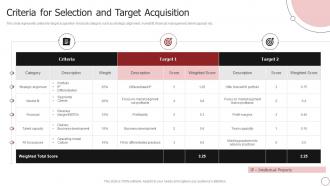
This slide represents criteria for target acquisition. It include category such as strategic alignment, market fit, financial management, talent capacity etc.
People who downloaded this PowerPoint presentation also viewed the following :
Criteria For Selection And Target Acquisition with all 6 slides:
Use our Criteria For Selection And Target Acquisition to effectively help you save your valuable time. They are readymade to fit into any presentation structure.





FAQs for Criteria For Selection
Okay so three main things to nail down: demographics, behaviors, and pain points. Age, location, income - sure, that's basic stuff everyone does. But here's where it gets interesting - you gotta dig into their actual online habits. Which platforms do they scroll through? When are they most active? What's stressing them out daily? I'd also look at buying patterns and what actually makes them purchase something. Oh, and don't sleep on the psychographic stuff like values and lifestyle - honestly that data can be more valuable than knowing someone's age. Build personas from real research, not wild guesses, then test everything with small campaigns first.
Honestly, demographic data is a game changer for targeting. Instead of sending the same message to everyone, you can actually customize based on age, income, location, education - whatever makes sense for your product. Picture this: luxury skincare ads are gonna land completely different with 45-year-old moms versus broke college kids, right? The trick is combining multiple factors to build specific personas. Check what demographic info you've already got in your system first. Then pick the 2-3 most relevant ones for your campaign. Way better than just throwing stuff at the wall and hoping it sticks.
Okay so psychographic segmentation is basically looking at people's values and lifestyle stuff instead of just age and location. Like, you'd know that 35-year-old parent cares about the environment and wants convenience - not just that they live in the suburbs. Way more useful, right? You can actually connect with what drives them emotionally. Your messaging gets so much more targeted because you're hitting their real motivations. I swear it makes such a difference for personalization. Start by just asking your current customers about their interests and what matters to them. The insights you'll get are honestly pretty eye-opening.
Check your actual analytics instead of guessing who's watching your stuff. Instagram Insights and Facebook Analytics will show you the real deal - demographics, when people are most active, all that. Focus on comments and shares over likes since those actually mean something. I always pull like a month of data to spot patterns. Age groups, locations, interests - it'll probably shock you how different your real audience is from who you think it is. Honestly, the data never lies but our assumptions usually do.
Honestly, start with Google Analytics if you haven't already - it'll show you where people are bouncing off your site and which pages actually convert. Hotjar's really good for heat maps too, lets you see exactly where users click and scroll. I'd also throw in some social media monitoring because people are surprisingly honest when they're complaining online lol. Oh and don't sleep on just asking customers directly through surveys or quick interviews. Sometimes we overthink this stuff when you could literally just ask them. I'd pick maybe 2 of these to start - trying everything at once gets messy fast.
So geographic segmentation means you gotta tweak your product positioning for different areas. Like, what clicks in NYC probably won't work in rural Texas - totally different vibes. You'll adjust messaging, pricing, even features based on local stuff like weather, income, culture. McDonald's does this perfectly - rice burgers in Taiwan, regular beef here. Honestly, I think companies mess this up way too often by assuming one size fits all. Just research each region's quirks and pain points first, then customize your approach. Makes a huge difference.
Honestly, buyer personas are a game changer - they stop you from basically throwing money at random people hoping something sticks. Interview your best customers first to figure out what actually bugs them and where they hang out online. Then you can write stuff that hits different instead of boring generic ads. Like, why would you blow budget on TikTok ads for 65-year-old executives? Makes zero sense. Your conversion rates will thank you because you're finally talking to people who genuinely want what you're selling. Way better than casting this massive net and praying.
A/B testing is honestly a game changer - you send different versions to each segment and actually see what works instead of just hoping. Test subject lines, tone, value props, whatever might hit differently with each group. Here's the thing though: only test one thing at a time per segment or you won't know what actually made the difference. I'd start with your biggest segments since you'll get real data faster, then apply what you learn to the smaller ones. Way better than the old "spray and pray" approach we've all been guilty of.
Honestly, the biggest thing is not perpetuating dumb biases - like assuming all your tech buyers are dudes or that income automatically tells you someone's race. That's just lazy targeting anyway. Be upfront about how you're collecting demographic data too. Privacy isn't just a nice-to-have anymore, people actually care. Here's my test: would you be cool if your targeting strategy ended up on Twitter? If that makes you cringe, probably rethink it. Also, definitely run your criteria past different people on your team - they'll catch blind spots you totally missed.
Honestly, your angriest customers are goldmines for this stuff - they'll straight up tell you what they expected vs what you delivered. Pull all your feedback from last quarter first. Then dig into survey responses, support tickets, reviews, whatever you've got. You're looking for patterns in demographics or pain points you totally missed when you first set up targeting. I always find at least 2-3 things I was completely wrong about. Map those themes back to your current personas and tweak your audience segments. The feedback basically does the work for you.
Facebook Ad Library is your best friend for this - seriously, I waste hours there looking at competitors' campaigns. Google Ads Transparency Center works too. Tools like SEMrush show what keywords they're throwing money at, but honestly? Just studying their website copy and email flows tells you everything about who they're targeting. I always check which influencers they work with since that screams their demographic. Google Alerts for brand mentions helps catch stuff you'd miss. Oh, and their social partnerships are dead giveaways. Start with the ad libraries though - they're free and you'll know their audience immediately.
Dude, the funnel totally flips how you target people. Top of funnel? You're hitting everyone with awareness stuff since they don't even know there's a problem. Then middle funnel gets trickier - now you're chasing people who looked but didn't buy, so case studies work great here. Bottom funnel is honestly my favorite part because you get to be super direct with warm leads. Like, actual urgency tactics that convert. Oh and don't just target by age/location anymore - you've gotta match where their head's at mentally. Makes way more sense.
Yeah so the biggest pain with niche targeting is your audience shrinks like crazy - way higher costs and fewer people to reach. Research becomes this whole thing where you're basically learning a new language to figure out what they actually care about. If your niche tanks or changes direction, you're kinda screwed. BUT (and this is huge) when it works? Your conversion rates are insane compared to generic campaigns. People in niches are so much more loyal too. I'd say pick one super specific group first and really get to know them before trying to expand anywhere else.
Dude, AI is actually insane for targeting. It crunches data points you'd never even think to look at - behavioral stuff, demographics, engagement patterns. Takes forever to spot that manually. The creepy part? It learns what people want before they know it themselves. You can slice audiences super precisely and personalize messages for thousands of people automatically. Plus it tweaks campaigns on the fly based on what's working. Honestly feels like cheating sometimes. I'd test it on just one campaign first though - run it against whatever you're doing now and watch your mind get blown.
Basically, you're gonna have to target bigger groups instead of stalking individual users around the web. First-party data becomes your best friend - stuff like email lists, site behavior, that kind of thing. You'll also lean on contextual targeting more, like what content someone's reading or what time they're browsing. Honestly, it's way less precise than the old cookie days, but privacy laws are forcing everyone's hand here anyway. Expect to need bigger audience sizes to make campaigns work. Oh, and attribution data gets messier too. Start collecting your own customer data now because third-party retargeting won't save you much longer.
-
Very unique, user-friendly presentation interface.
-
Informative design.