

Data Integration Powerpoint Presentation Slides




Try Before you Buy Download Free Sample Product
 Impress Your
 Audience
 100%
100% Editable
 Save Hours
 of Time


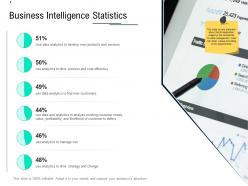
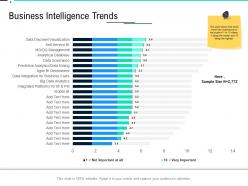
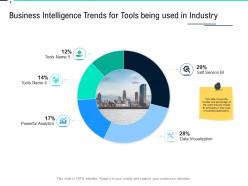
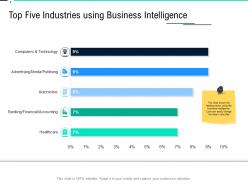
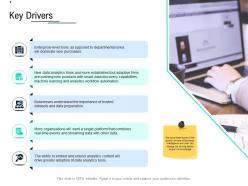
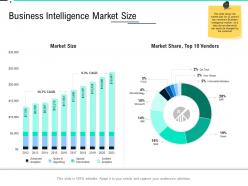
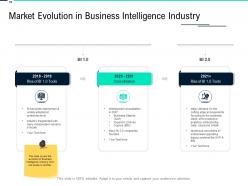
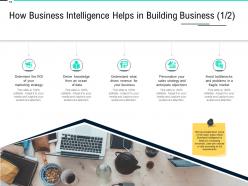
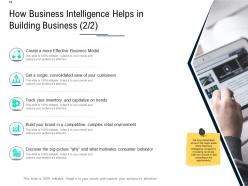
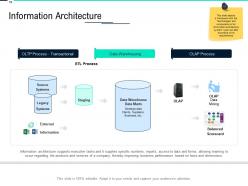
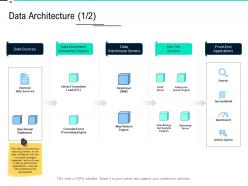
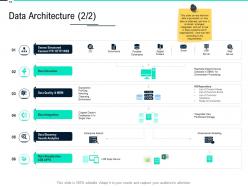
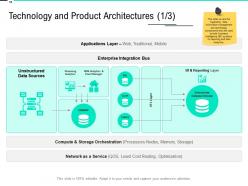
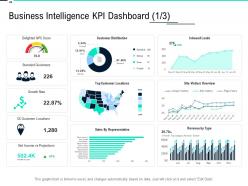
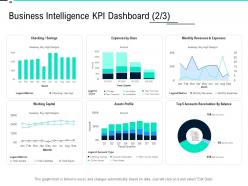
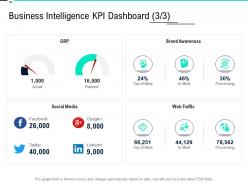
Give an overview of the business intelligence market by taking the assistance of Data Integration PowerPoint Presentation Slides. Cover statistics about BI application usage by the companies for data management. The slides also show business intelligence trends. Utilize this content-ready business intelligence PowerPoint infographic to depict the percentage of the users that are included in the BI software. Take the assistance of a ready-to-use information integration PPT slideshow, and showcase the top five industries using business intelligence. List out the growth drivers of business intelligence by making changes according to the slides. Utilize our core data integration PPT slide design and highlight the top vendors in the business intelligence market. The slides also present the market evolution in the business intelligence industry. Describe to your audience how business intelligence helps in building business by downloading this data mapping PPT layouts.
People who downloaded this PowerPoint presentation also viewed the following :
Data Integration Powerpoint Presentation Slides with all 55 slides:
Use our Data Integration Powerpoint Presentation Slides to effectively help you save your valuable time. They are readymade to fit into any presentation structure.












FAQs for Data Integration
Ugh, data quality issues will make you want to pull your hair out. Legacy systems? Total pain - they hate talking to anything modern. Plus you're dealing with like 20 different data formats that don't mesh well together. Scalability gets tricky when your data starts exploding in size. Governance becomes this huge mess when you're grabbing info from everywhere. Don't even get me started on security stuff, especially if you're moving sensitive data around. Honestly though, try a small pilot first. Way better than going all-in and discovering your specific nightmare scenarios later.
So ETL works great when you're dealing with smaller datasets but need serious data cleaning - takes forever but you know it's solid. ELT does the opposite thing where it dumps everything into your warehouse first, then transforms later. Way faster for huge volumes, especially in the cloud. Data virtualization doesn't actually move anything around, just creates these virtual views. Super quick but honestly gets messy with tons of sources. Pick ETL for older systems, ELT if you're in AWS or similar with massive data. Virtualization's perfect when you need real-time stuff without paying storage costs. Just look at how much data you've got - that'll tell you which way to go.
Think of APIs as direct phone lines between your systems - way better than emailing spreadsheets back and forth. You can grab data straight from Salesforce, Stripe, whatever, right when you need it. No more waiting for overnight batch jobs or dealing with CSV hell (seriously, fuck file format issues). Most of your current tools probably already have APIs you didn't know about. Map those out first - I bet you'll find tons of ways to automate stuff that's currently manual. Fresh data, automatic triggers, everything stays synced. It's honestly changed how I think about data pipelines completely.
Don't treat data quality like something you tack on at the end - build it straight into your pipeline from day one. Start by profiling your data so you actually know what you're dealing with. Then set up validation rules for format, completeness, all that basic stuff. Honestly, I've watched teams completely skip this part and then wonder why everything's a mess six months later. Set up automated monitoring too so you catch weird stuff before it spreads everywhere. Oh, and make sure it's not just the data team's headache - everyone needs to own this.
Start with something that can actually handle different data formats and speeds - Kafka's pretty solid, or just go cloud-native if that's easier. JSON is your best bet for standardizing everything early on. Real-time systems are gonna break, so build in good error handling from the start. Make sure everything's idempotent too, otherwise duplicate data will screw you over later. Honestly, don't feel like you need to transform everything instantly - sometimes it's way smarter to just ingest first and clean up afterward. Oh, and set up monitoring dashboards immediately so you'll know when stuff hits the fan.
Honestly, cloud integration is just way easier to deal with. You don't have to babysit servers or panic when you hit capacity limits - it scales automatically. Plus the connectors for modern apps are usually built right in, which saves tons of headache. On-premise stuff gives you more security control though, if that's your thing. But then you're stuck with all the maintenance and hardware upgrades (ugh). I'd probably start by listing out what data sources you're working with and any compliance stuff you need to worry about. That should help you figure out which way to go - though honestly most people I know are going cloud these days.
Informatica and Talend are the big names everyone knows, plus Microsoft's Azure Data Factory. Fivetran's really good if you want something cloud-native that doesn't require much setup - same with Stitch. Real-time stuff? Kafka and Confluent are basically everywhere now. The market changes crazy fast though, honestly can't keep up sometimes. If money's tight, Apache NiFi or Pentaho work fine to start. But here's what I'd actually do first - check what your current cloud provider already has built-in. Those native tools usually play nicer together and you won't spend forever troubleshooting weird connection issues.
Honestly, most companies mess this up by trying to integrate first, then figuring out governance later. Big mistake. Start by mapping out who owns what data - sounds boring but it'll save you massive headaches. Set up your quality standards and access rules upfront. The real challenge? Actually getting people to follow them instead of doing sketchy workarounds when they're in a rush. I'd definitely automate the quality checks so you don't have to babysit everyone. Build those governance rules right into your data pipelines from the start, or you'll be playing catch-up forever.
So basically every new connection creates another way for hackers to get in. That's the main thing to worry about. You've got to encrypt everything - when data's moving around and when it's just sitting there. Plus set up proper authentication at every single point. Oh and if you're dealing with HIPAA or GDPR stuff? Good luck with that compliance nightmare. Map out where all your sensitive data actually goes first - seriously, do this before you build anything else. Otherwise you'll be scrambling to figure out who can access what later. Keep your data classified by sensitivity level too.
Here's the thing - if you don't integrate your data, you're literally flying blind. Your BI tools need info from everywhere: databases, APIs, those random Excel files Karen keeps updating. Otherwise it's like doing a jigsaw puzzle with missing pieces, and honestly, who has time for that? Once everything talks to each other, your team can actually spot patterns across departments and build dashboards that don't lie. ML models work so much better too. I'd start by figuring out what data sources you've got, then see how they all connect. That's where you'll find the good stuff.
Honestly, data quality will destroy your timeline - I learned this the hard way. You'll think your data is cleaner than it actually is. Profile everything upfront or you'll be kicking yourself later. Start small too, don't try integrating every dataset at once. Document your mappings as you go because three months from now you'll have zero memory of why you did something. Also, get data governance involved early (I know, boring but necessary). Oh and testing - build in way more time than seems reasonable. Trust me on this one.
So ML basically takes care of all the annoying grunt work in data integration. It'll automatically spot patterns, map schemas, and catch duplicate records without you having to set everything up manually. The really nice thing is these algorithms actually learn from your fixes over time - they get way better at handling whatever weird data issues you keep running into. Honestly, it's pretty satisfying watching it get smarter. You end up doing way less data cleaning and can focus on the actual analysis part. I'd start with just one repetitive task though and see how it goes.
Look, when you connect all your customer data - website visits, app usage, support calls, purchases, whatever - you stop treating people like complete strangers every single interaction. Which honestly drives me nuts as a customer. Your support folks can see someone's full history instead of asking "can you repeat your issue for the third time?" Marketing sends stuff that actually makes sense. Recommendations don't suck. People feel like you actually know them, so they stick around longer and complain less. It's pretty much the difference between feeling valued versus feeling like just another ticket number.
Honestly, data integration is a game changer. You'll cut manual work by 60-80% when systems actually talk to each other. Real-time insights instead of waiting around for reports? Yes please. Your team stops having those awkward "wait, which spreadsheet is right?" conversations too. Decision-makers finally see the whole picture rather than random pieces from everywhere. I'd probably start small though - connect your main systems first, then build out. The speed difference alone makes it worth it, plus you'll catch trends way before everyone else does.
Data integration is honestly the make-or-break piece for digital transformation. All those systems that don't talk to each other? That's your biggest problem right there. It's like trying to run a restaurant where the kitchen and servers use completely different languages - chaos. Once you connect everything, suddenly you can automate stuff across departments and actually see what's happening in real-time. Customers get smoother experiences too. I'd start by listing out where you're doing manual handoffs between systems. Those pain points will show you exactly what needs fixing first.
-
Visually stunning presentation, love the content.
-
Unique design & color.
-
Professional and unique presentations.
-
Great quality slides in rapid time.
-
Great experience, I would definitely use your services further.
-
Nice and innovative design.