

Department Achievement Business Development Expansion Revenue Innovation Planning





Try Before you Buy Download Free Sample Product
 Impress Your
Audience
 100%
Editable
 Save Hours
of Time


Our Department Achievement Business Development Expansion Revenue Innovation Planning are topically designed to provide an attractive backdrop to any subject. Use them to look like a presentation pro.
People who downloaded this PowerPoint presentation also viewed the following :
Department Achievement Business Development Expansion Revenue Innovation Planning with all 12 slides:
Use our Department Achievement Business Development Expansion Revenue Innovation Planning to effectively help you save your valuable time. They are readymade to fit into any presentation structure.


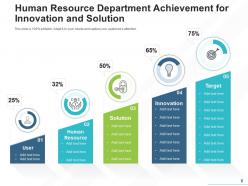
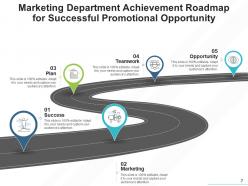


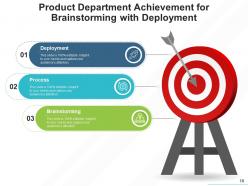
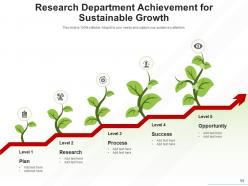

FAQs for Department Achievement Business Development Expansion
Okay so you need four things: figure out who you're actually targeting, build real relationships, generate leads consistently, and track your results. Most people totally ignore the tracking part then act shocked when nothing happens lol. Also do competitive research and nail down what makes you different - sounds obvious but you'd be surprised. The relationship stuff is still everything in business development. People buy from who they trust, period. I'd start by sketching out your perfect customer, then figure out where they hang out and how to actually reach them.
Look, networking is honestly your best shot at finding new opportunities and getting solid referrals. People remember you when something comes up if you've built real relationships with them. You'll hear about market stuff and potential clients way before anyone doing cold calls - it's like having friends keeping an eye out for you. Here's the thing though: help others first before you even think about pitching anything. Find 3-5 events or online groups where your ideal clients actually spend time, then just add value to conversations. Don't be that person who immediately starts selling. Trust me on this one.
Honestly, market research is like having a cheat code for finding opportunities. Look for customer pain points nobody's solving yet - that's where the gold is. Competitors always miss something obvious. Surveys and basic competitor stalking (lol) can show you gaps in like 20 minutes. The best part? It tells you if your idea is actually wanted or just something you think is cool. I've seen too many people skip this step and regret it. Emerging trends are easier to spot when you're actually paying attention to what people complain about. Don't overthink it - even simple research beats going in blind.
Look, most businesses are literally swimming in customer data but never actually use it. Crazy right? Start digging into your existing stuff - buying patterns, who your customers really are, that kind of thing. You'll spot which marketing channels actually work (spoiler: probably not the ones you think) and find your best customer segments. Once you've got those insights, deciding where to spend money becomes way easier. Which markets to go after, what products make sense - it all gets clearer. Don't overthink the setup though. Simple dashboards beat fancy systems every time.
Honestly, just stay in touch even when you're not trying to sell them anything. I'll shoot over industry articles or check how their latest project's going. Used to think this stuff was waste of time, but damn if it doesn't work. Ask about their actual problems and see if you can help somehow - doesn't always have to be your main service. Follow through on everything, even tiny promises. Oh, and track who you've talked to recently in a spreadsheet or whatever. Super basic but you won't forget people that way. Consistency beats fancy tactics every time.
Honestly, figuring out customer pain points is everything in biz dev. Without it you're just throwing stuff at the wall hoping something sticks. Once you actually know what's driving people crazy, your pitch becomes way more natural - you're solving real problems instead of rambling about features nobody cares about. Deals close faster too since you're hitting actual needs. I always start discovery calls with "what's your biggest headache right now?" Works every time. Well, almost every time.
Honestly, start with a good CRM - Salesforce or HubSpot work great for tracking your pipeline. LinkedIn Sales Navigator is a must-have (like seriously, how did people do this job without it?). For actual outreach, Outreach and SalesLoft are solid for automating sequences. You'll want data tools too - ZoomInfo or Apollo help you find contacts and company info. Oh, and grab Calendly for scheduling meetings because going back and forth on email times is the worst. I'd say get your CRM sorted first, then add the other stuff as you figure out what you actually need.
Just get everyone in a room weekly - seriously, this stuff falls apart without face time. Your BD folks need to clue marketing in on hot prospects so they can actually tailor campaigns that matter. Meanwhile marketing should give you heads up on new launches or messaging changes before they go live. I've watched so many deals die because nobody was talking to each other, honestly frustrating as hell. Share your target account lists in these meetings and call out which prospects are getting warm. Then marketing can whip up personalized content for your best leads. Start small though - pick maybe 3-5 key accounts to test this on first.
Look, start with the basics - revenue growth, customer acquisition cost, and lifetime value. Those are your bread and butter. Pipeline velocity matters too since it shows how fast deals actually close. But here's the thing I've learned: retention metrics often tell you way more than new customer stats. If people stick around and spend more, you're onto something real. Conversion rates are obviously key. Market share growth too, though that one's trickier to track depending on your space. Honestly, don't go crazy trying to measure everything - pick 3-5 that match what you're trying to accomplish right now. You'll drive yourself nuts otherwise.
Look for companies that serve your customers but don't compete with you directly. LinkedIn's honestly perfect for this kind of research - way better than cold calling random people. Find businesses where partnering would help both of you, not just you. Here's the key though: when you reach out, focus on what you bring to the table first. Nobody wants to hear your sob story about needing partnerships. Keep it casual and suggest grabbing coffee instead of some formal meeting. Trust me, the low-pressure approach works way better than diving straight into business talk.
Honestly, the biggest pain is usually the stupid long sales cycles - like everything takes forever. Getting all the stakeholders on the same page is brutal too. Budget issues are a whole other nightmare. My advice? Start building relationships way before you need them. Really dig into what's keeping them up at night, not just surface-level stuff. Map out who actually makes decisions at your key accounts because going in blind sucks. Oh, and stop pitching so much - just be genuinely helpful. People can smell a sales pitch from a mile away, but they'll actually listen if you're solving real problems for them.
Oh absolutely, you can't just set it and forget it. Markets change way too fast for that. Honestly, I've watched companies completely miss out on huge wins because they were stuck using the same old tactics while their competitors swooped in. Build flexibility into your approach from day one - that's what saves you. Your team should be constantly checking what's happening in the market, and schedule regular strategy reviews so you can pivot quickly when things shift. Sometimes I think companies get too comfortable with what worked last year, you know?
Honestly, BD is all about relationships and being able to handle rejection - and trust me, there's gonna be a lot of it. Communication skills are massive since you're pitching constantly and trying to build rapport with clients. Strategic thinking matters too because you need to spot opportunities others miss. Research is pretty crucial for analyzing competitors and finding your target markets. The networking side can actually be kinda fun once you get into it. Oh, and market trends - you gotta stay on top of those. Start practicing your pitch now and get comfortable talking to people. Those soft skills will make or break you way more than any technical knowledge.
Look, culture basically determines whether your BD efforts actually work or just die on the vine. Teams with good communication and relationship-focused cultures? They crush it because everyone shares leads and stays aligned. But when you've got silos or people scared to take risks - ugh, forget about it. I've watched so many companies sabotage themselves this way. You need people thinking long-term about relationships, not just chasing whatever deal's in front of them. Short-term thinking kills BD faster than anything else, honestly.
Honestly, competitive analysis is like having a cheat sheet for your market. You'll spot gaps nobody's filling yet and figure out what pricing actually makes sense. I usually pick 3-5 direct competitors and check what they're up to monthly - sounds boring but it's actually pretty addictive once you start. Their weak spots become super obvious after a while. You can see which features customers genuinely want vs. what companies assume they need. Sometimes you'll realize you need to pivot completely if everyone's already doing your thing. Great for finding partnership opportunities too.
-
Innovative and attractive designs.