


Developing Social Media Recruitment Plan Powerpoint Presentation Slides





Try Before you Buy Download Free Sample Product
 Impress Your
 Audience
 100%
100% Editable
 Save Hours
 of Time


Developing a social media recruitment plan involves using social networking sites to identify and engage candidates. Grab our competently designed template on Developing Social Media Recruitment Plan to recruit high quality candidates,reduce recruitment expenses,etc. This deck covers challenges associated with social media recruitment,recruiters channels,competitive metrics assessment,and the recruitment teams organizational structure. Further,this PPT represents the need for social media recruitment strategy,which includes its significance to recruiters and job seekers,HR trends,and benefits to the recruitment company. Moreover,this deck shows applicants screened for recruiting high quality candidates and content posting schedules on social media. This PowerPoint presentation focuses on employee training schedules regarding social media platforms and budget allocation for recruitment. Also,it captures the impact of social media recruitment,which covers the recruitment process,parameters to measure social recruiting campaign success,etc. At last,this PPT covers the dashboard and metrics to measure social media recruitment success. Download this 100 percent editable Developing Social Media Recruitment Plan template now.
People who downloaded this PowerPoint presentation also viewed the following :
Content of this Powerpoint Presentation
Slide 1: This slide displays title i.e. 'Developing Social Media Recruitment Plan' and your Company Name.
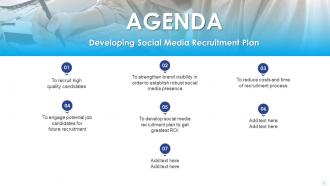
Slide 2: This slide presents agenda.
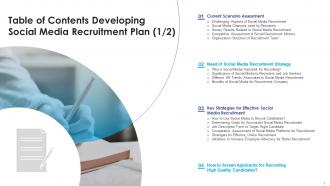
Slide 3: This slide exhibits table of contents.
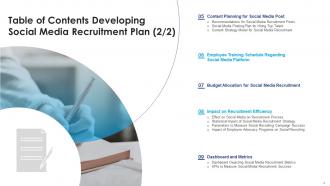
Slide 4: This slide also shows table of contents.
Slide 5: This slide depicts title for five topics that are to be covered in the template.
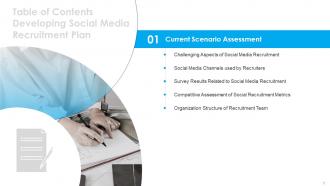
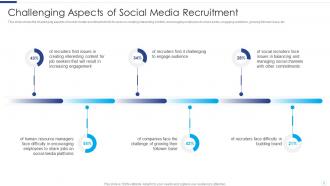
Slide 6: This slide shows the challenging aspects of social media recruitment which focuses on creating interesting content, etc.
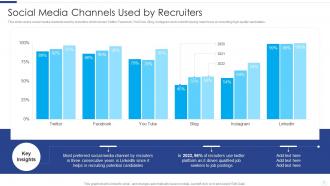
Slide 7: This slide covers social media channels used by recruiters which shows Twitter, Facebook, YouTube, Blog, Instagram and LinkedIn.
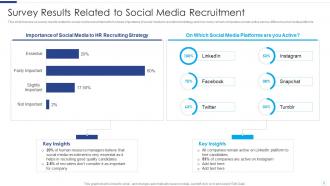
Slide 8: This slide focuses on survey results related to social media recruitment which shows importance of social media to recruitment strategy.
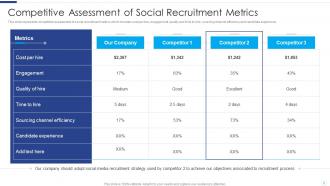
Slide 9: This slide represents competitive assessment of social recruitment metrics which includes cost per hire, engagement, etc.
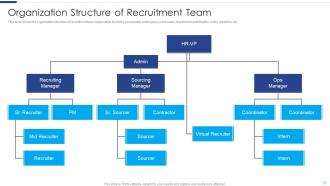
Slide 10: This slide shows the organization structure of recruitment team responsible for hiring good quality employees.
Slide 11: This slide depicts title for four topics that are to be covered in the template.
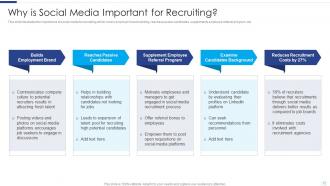
Slide 12: This slide illustrates the importance of social media for recruiting which covers employer brand building, reaches passive candidates, etc.
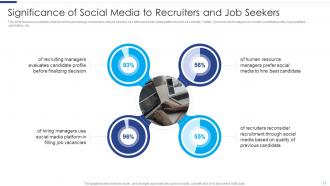
Slide 13: This slide focuses on statistics that shows the percentage of recruiters and job seekers use different social media platforms.
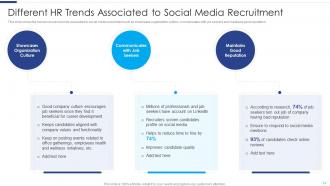
Slide 14: This slide shows the human resource trends associated to social media recruitment such as showcases organization culture, etc.
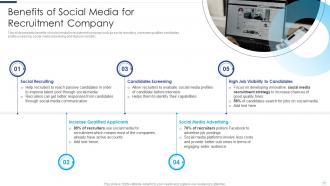
Slide 15: This slide presents benefits of social media for recruitment company such as social recruiting, increases qualified candidates, etc.
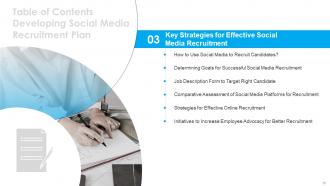
Slide 16: This slide depicts title for six topics that are to be covered in the template.
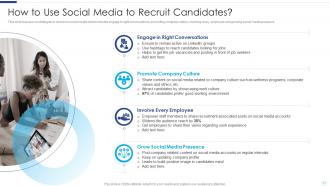
Slide 17: This slide focuses on strategies to recruit on social media which includes engage in right conversations, promoting company culture, etc.
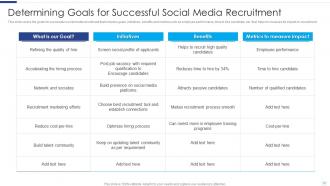
Slide 18: This slide covers the goals for successful social media recruitment that includes goals, initiatives, etc.
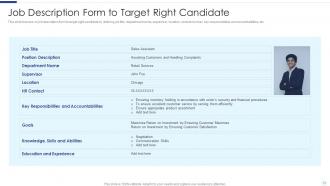
Slide 19: This slide focuses on job description form to target right candidate by defining job title, department name, supervisor, etc.
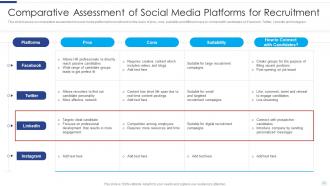
Slide 20: This slide focuses on comparative assessment of social media platforms for recruitment on the basis of pros, cons, etc.
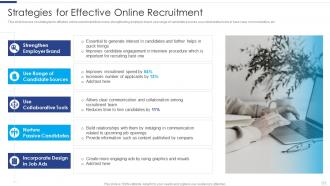
Slide 21: This slide focuses on strategies for effective online recruitment that covers strengthening employer brand, use range of candidate sources, etc.
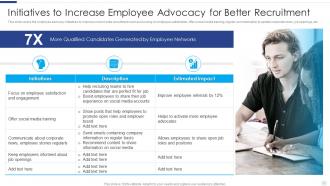
Slide 22: This slide covers the employee advocacy initiatives to improve social media recruitment such as focusing on employee satisfaction, etc.
Slide 23: This slide depicts title for the topic that is to be covered in the template.
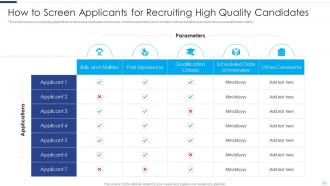
Slide 24: This slide focuses on screening applications of interested candidates on the basis of certain parameters which includes skills and abilities, etc.
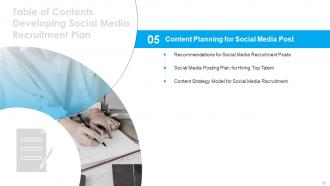
Slide 25: This slide depicts title for three topics that are to be covered in the template.
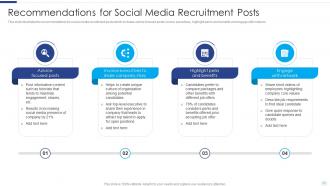
Slide 26: This slide illustrates the recommendations for social media recruitment posts which includes advice-focused posts, involve executives, etc.
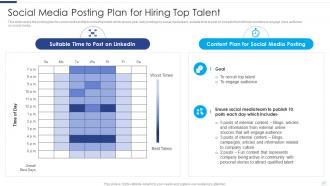
Slide 27: This slide covers the posting plan for social media profile to recruit top talent which shows goal, daily postings by social media team, etc.
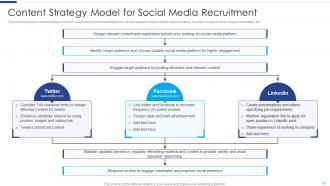
Slide 28: This slide focuses on content strategy model for social media recruitment that shows design relevant content, identify target audience, etc.
Slide 29: This slide depicts title for the topic that is to be covered in the template.
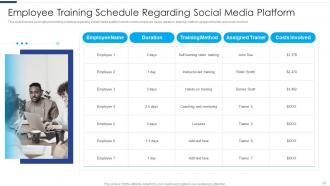
Slide 30: This slide focuses on employee training schedule regarding social media platform which covers employee name, duration, training method, etc.
Slide 31: This slide depicts title for the topic that is to be covered in the template.
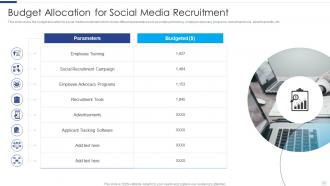
Slide 32: This slide covers the budget allocation for social media recruitment which shows different parameters such as employee training, etc.
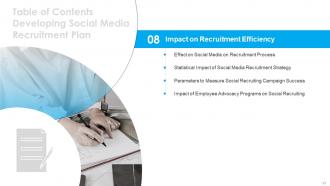
Slide 33: This slide depicts title for four topics that are to be covered in the template.
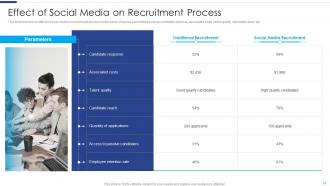
Slide 34: This slide focuses on effect of social media on recruitment process on the basis of various parameters such as candidate response, associated costs, etc.
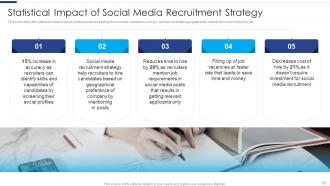
Slide 35: This slide covers the statistical impact of social media recruitment strategy that includes increase in accuracy, etc.
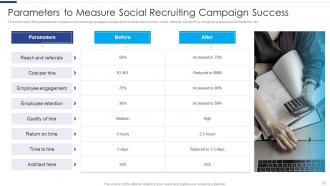
Slide 36: This slide covers the parameters to measure social recruiting campaign success which involves return on time, reach, referrals, cost per hire, etc.
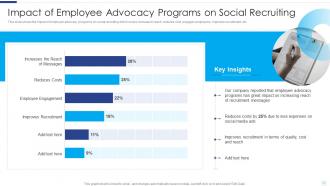
Slide 37: This slide shows the impact of employee advocacy programs on social recruiting which covers increase in reach, reduces cost, etc.
Slide 38: This slide depicts title for two topics that are to be covered in the template.
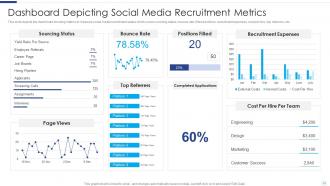
Slide 39: This slide depicts the dashboard showing metrics to measure social media recruitment status which covers sourcing status, bounce rate, etc.
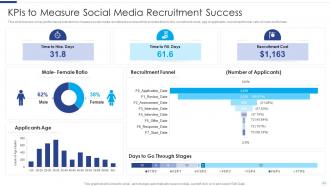
Slide 40: This slide focuses on key performance indicators to measure social media recruitment success which includes time to hire, recruitment costs, etc.
Slide 41: This is the icons slide.
Slide 42: This slide presents title for additional slides.
Slide 43: This slide presents your company's vision, mission and goals.
Slide 44: This slide depicts posts for past experiences of clients.
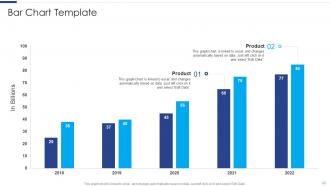
Slide 45: This slide exhibits yearly bar charts for different products. The charts are linked to Excel.
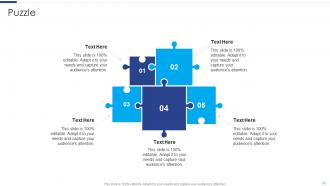
Slide 46: This slide shows puzzle for displaying elements of company.
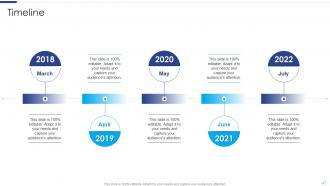
Slide 47: This slide exhibits yearly timeline of company.
Slide 48: This slide shows about your company, target audience and its client's values.
Slide 49: This slide depicts goals of the company.
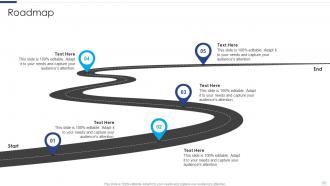
Slide 50: This slide shows roadmap of company.
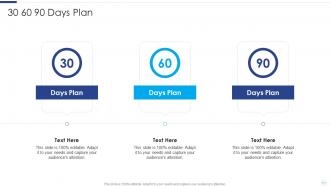
Slide 51: This slide depicts 30-60-90 days plan for projects.
Slide 52: This is thank you slide & contains contact details of company like office address, phone no., etc.
Developing Social Media Recruitment Plan Powerpoint Presentation Slides with all 57 slides:
Use our Developing Social Media Recruitment Plan Powerpoint Presentation Slides to effectively help you save your valuable time. They are readymade to fit into any presentation structure.







FAQs for Developing Social Media Recruitment Plan
Key objectives of a social media recruitment plan include expanding candidate reach, building employer brand awareness, engaging passive candidates, reducing recruitment costs, and accelerating hiring timelines. These strategies enable organizations to tap into broader talent pools across platforms like LinkedIn and Twitter, while showcasing company culture and values, ultimately delivering faster placements and enhanced competitive positioning.
Businesses can leverage LinkedIn for professional networking and job postings, Facebook for company culture showcasing, Instagram for visual employer branding, Twitter for industry engagement, and TikTok for reaching younger talent pools. These platforms enhance recruitment by expanding candidate reach, reducing hiring costs, and enabling targeted messaging, with many organizations finding that strategic social media presence attracts higher-quality applicants while building competitive employer brands.
Key metrics include application conversion rates, cost-per-hire, time-to-fill positions, candidate quality scores, and social media engagement rates. These measurements enable organizations to optimize their recruitment strategies by identifying high-performing platforms, refining targeting approaches, and streamlining candidate pipelines, ultimately delivering faster hiring processes and better talent acquisition outcomes.
Companies create compelling social media job postings by using conversational language, eye-catching visuals, platform-specific formatting, clear value propositions, and authentic workplace culture highlights. These strategic elements enhance candidate engagement by showcasing company personality, streamlining application processes, and targeting specific demographics, with many organizations finding that tailored social media content attracts higher-quality candidates and reduces recruitment timeframes significantly.
Employer branding plays a crucial role in social media recruitment by showcasing company culture, values, and employee experiences to attract top talent organically. Through strategic content sharing, authentic employee testimonials, and consistent messaging across platforms, organizations build trust and credibility, ultimately reducing recruitment costs while attracting candidates who align with their mission and values.
Companies can engage passive candidates through social media by sharing compelling employer brand content, showcasing company culture and employee testimonials, and creating targeted recruitment campaigns on professional platforms. Through strategic content marketing and personalized outreach, organizations build authentic relationships with potential talent while demonstrating career growth opportunities, ultimately expanding their talent pipeline beyond traditional active job seekers.
Effective social media recruitment content includes employee testimonials, behind-the-scenes workplace videos, career development opportunities, company culture showcases, and day-in-the-life posts. These content types enhance employer branding by highlighting authentic experiences, growth potential, and workplace environment, with many organizations finding that video testimonials and culture-focused content significantly increase quality candidate engagement and applications.
Hashtags enhance recruitment visibility by targeting specific talent pools, increasing post discoverability, and creating branded recruitment campaigns across platforms like LinkedIn, Twitter, and Instagram. Strategic hashtag combinations, including industry-specific tags like
-
Wow! The design and quality of templates on SlideTeam are simply the best.
-
It saves your time and decrease your efforts in half.