

Digital Cockpit Advanced Automotive Interface Technology PPT Example ST AI





Try Before you Buy Download Free Sample Product
 Impress Your
Audience
 100%
Editable
 Save Hours
of Time


Unlock the future of driving with our Digital Cockpit PowerPoint presentation. Explore advanced automotive interface technology, featuring intuitive design, seamless connectivity, and enhanced user experience. Perfect for industry professionals, this deck provides insights into cutting-edge innovations that redefine in-vehicle interaction and elevate driver engagement.
People who downloaded this PowerPoint presentation also viewed the following :
Digital Cockpit Advanced Automotive Interface Technology PPT Example ST AI with all 37 slides:
Use our Digital Cockpit Advanced Automotive Interface Technology PPT Example ST AI to effectively help you save your valuable time. They are readymade to fit into any presentation structure.

















FAQs for Digital Cockpit Advanced Automotive Interface Technology PPT
A digital cockpit is an integrated, software-driven interface that consolidates multiple vehicle functions, entertainment, and information systems into customizable touchscreen displays, unlike traditional dashboards with fixed analog gauges and physical controls. This technology revolutionizes user experiences by enabling real-time data integration, personalized interfaces, and seamless connectivity, with automotive manufacturers increasingly finding that digital cockpits enhance driver engagement while streamlining manufacturing costs.
Businesses integrate digital cockpits by connecting them with existing CRM systems, ERP platforms, data warehouses, and workflow management tools through APIs and middleware solutions. This strategic combination enables organizations to streamline decision-making processes, automate reporting workflows, and enhance operational visibility, with many companies finding that centralized dashboards ultimately deliver faster responses and improved competitive advantage.
Effective digital cockpits include high-resolution displays, advanced driver assistance systems, voice recognition, seamless smartphone integration, and real-time data analytics. These technologies enhance vehicle functionality by streamlining driver interactions, improving safety monitoring, and delivering personalized experiences, with automotive manufacturers increasingly finding that integrated cockpit systems provide significant competitive advantage in today's connected vehicle market.
Data visualization transforms digital cockpits by converting complex datasets into intuitive charts, graphs, heat maps, and real-time dashboards that enable instant comprehension and faster decision-making. Through interactive visual elements, executives and managers can identify trends, spot anomalies, and monitor KPIs seamlessly, with many organizations finding that visual data presentation reduces analysis time while enhancing strategic responsiveness.
Digital cockpits enhance decision-making by consolidating real-time data visualization, predictive analytics, automated alerts, collaborative workflows, and customizable dashboards into unified command centers. These systems streamline information access across departments, enable faster response times to market changes, and deliver comprehensive situational awareness, with many organizations finding that centralized intelligence platforms ultimately accelerate strategic decisions and operational efficiency.
Industries that benefit most from digital cockpits include automotive, aviation, manufacturing, healthcare, and financial services, where real-time data visualization and centralized control enhance operational efficiency. Through integrated dashboards, banks streamline fraud detection, hospitals optimize patient monitoring, and manufacturers accelerate production oversight, ultimately delivering faster decision-making and competitive advantage across complex operations.
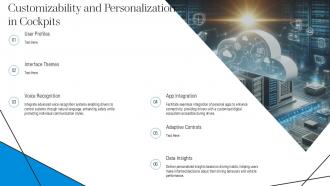
User experience design significantly impacts digital cockpit usability by creating intuitive interfaces, minimizing cognitive load, and ensuring critical information is easily accessible during high-stress situations. Through strategic layout design, personalized dashboards, and responsive touch controls, automotive and aviation industries enhance driver safety, reduce training time, and improve operational efficiency, ultimately delivering seamless human-machine interaction.
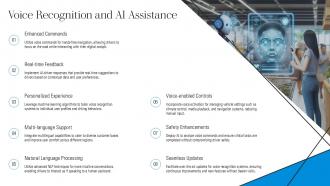
Digital cockpit technologies include advanced driver assistance systems (ADAS), artificial intelligence processors, high-resolution displays, voice recognition software, and connectivity modules for 5G and Wi-Fi integration. These technologies work together by delivering real-time navigation updates, seamless smartphone integration, and personalized user experiences, with many automotive manufacturers finding that strategic combinations ultimately enhance driver safety and operational efficiency.
Real-time data streaming transforms digital cockpits by enabling instant updates, seamless integration across multiple systems, and immediate responsiveness to changing conditions. Through continuous data flows, automotive manufacturers and aviation companies enhance driver safety, optimize performance monitoring, and deliver personalized experiences, while ultimately reducing response times and improving operational efficiency in increasingly connected vehicle environments.
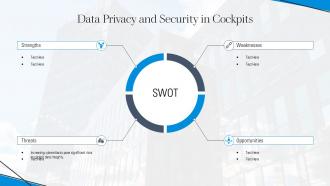
Security considerations for digital cockpits include encrypted data transmission, multi-factor authentication, intrusion detection systems, secure boot processes, and regular software updates. These cybersecurity measures protect against hacking attempts, unauthorized access, and data breaches by establishing multiple defense layers, continuous monitoring, and secure communication protocols, ultimately ensuring passenger safety and maintaining trust in connected vehicle technologies.
A digital cockpit facilitates collaboration by centralizing data visualization, enabling real-time information sharing, and providing unified dashboards accessible to all team members. Through interactive displays and synchronized analytics, teams can simultaneously monitor key metrics, identify trends, and make coordinated decisions, ultimately streamlining communication while enhancing strategic alignment across departments.
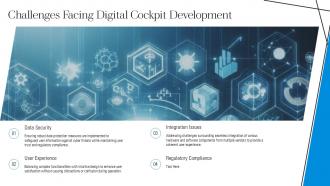
Common deployment challenges include data integration complexities, user adoption resistance, real-time processing requirements, cybersecurity vulnerabilities, and substantial infrastructure investments. While these obstacles present initial hurdles, organizations in automotive, aviation, and manufacturing increasingly find that strategic planning, phased implementation, and comprehensive training programs streamline adoption, ultimately delivering enhanced operational efficiency and competitive advantage.
Analytics integration into digital cockpits involves embedding real-time data processing, machine learning algorithms, predictive modeling, and interactive visualization tools directly into the dashboard interface. Through advanced analytics engines, organizations can automatically identify patterns, generate actionable insights, and deliver personalized recommendations, while streamlining decision-making processes and ultimately enhancing operational efficiency across various business functions.
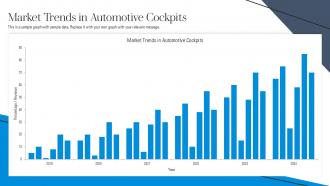
Key trends shaping digital cockpit futures include AI-powered predictive analytics, real-time data streaming, voice-activated controls, augmented reality overlays, and cross-platform integration capabilities. These technologies revolutionize decision-making by delivering automated insights, seamless collaboration, and intuitive interfaces, with many enterprises finding that modern cockpits ultimately enhance operational efficiency and competitive advantage.
Organizations measure digital cockpit ROI through key performance indicators like improved decision-making speed, reduced operational costs, enhanced data accuracy, and increased employee productivity across departments. By tracking metrics such as faster response times, decreased manual processes, and improved customer satisfaction scores, companies can quantify tangible benefits, with many finding that streamlined data visualization delivers measurable competitive advantages and operational efficiency gains.
-
SlideTeam’s pool of 2Million+ PPTs has really benefited my team, everyone from the IT department to HR. We are lucky to have crossed ways with them.
-
Like always a great experience with you guys. Always there on the drop of hat to help.