

Digital Health Manager Management Smartphone Briefcase Platform Consumers Strategies Goals




Try Before you Buy Download Free Sample Product
 Impress Your
 Audience
 100%
100% Editable
 Save Hours
 of Time


Our Digital Health Manager Management Smartphone Briefcase Platform Consumers Strategies Goals are topically designed to provide an attractive backdrop to any subject. Use them to look like a presentation pro.
People who downloaded this PowerPoint presentation also viewed the following :
Digital Health Manager Management Smartphone Briefcase Platform Consumers Strategies Goals with all 12 slides:
Use our Digital Health Manager Management Smartphone Briefcase Platform Consumers Strategies Goals to effectively help you save your valuable time. They are readymade to fit into any presentation structure.

FAQs for Digital Health Manager Management Smartphone Briefcase Platform
Key components include data integration platforms, patient engagement tools, telehealth capabilities, analytics dashboards, and regulatory compliance systems. These technologies streamline care delivery by enabling real-time monitoring, automating routine tasks, and facilitating remote consultations, with many healthcare organizations finding that strategic implementation ultimately delivers improved patient outcomes and operational efficiency.
Healthcare organizations can effectively integrate digital health tools by conducting thorough workflow assessments, ensuring seamless EHR compatibility, providing comprehensive staff training, and implementing phased rollouts with continuous feedback loops. Through strategic integration planning, hospitals and clinics streamline patient data management, enhance care coordination, and reduce administrative burdens, while improving patient outcomes and operational efficiency in an increasingly digital healthcare landscape.
Patient engagement serves as the foundation for successful digital health management, driving medication adherence, treatment compliance, lifestyle modifications, and proactive health monitoring. Through interactive apps, personalized dashboards, and real-time feedback systems, healthcare providers enhance patient participation while reducing readmission rates and improving clinical outcomes, with many hospitals finding that engaged patients achieve significantly better health results and lower overall care costs.
Primary challenges include data privacy concerns, integration complexities with legacy systems, staff training requirements, regulatory compliance hurdles, and significant upfront investment costs. While these obstacles present initial barriers, many healthcare organizations find that strategic implementation with phased rollouts, comprehensive staff education, and robust cybersecurity frameworks ultimately delivers enhanced patient outcomes and operational efficiency.
Digital health platforms enhance personalization by analyzing patient data through AI algorithms, tracking individual health patterns, customizing treatment recommendations, and enabling real-time monitoring of specific conditions. These technologies streamline care delivery by providing tailored medication reminders, personalized wellness plans, and predictive health insights, with many healthcare providers finding that patients experience improved outcomes and engagement through individualized treatment approaches.
Key metrics for evaluating digital health management systems include patient engagement rates, clinical outcome improvements, cost reduction per patient, system uptime reliability, and care coordination efficiency. Healthcare organizations increasingly track medication adherence rates, readmission reductions, and patient satisfaction scores, with many hospitals finding that comprehensive analytics ultimately deliver enhanced care quality and operational cost savings.
Data privacy and security in digital health applications are ensured through encryption protocols, access controls, compliance frameworks like HIPAA, regular security audits, and anonymization techniques. Healthcare organizations implement multi-layered security architectures, staff training programs, and continuous monitoring systems, with many hospitals and clinics finding that these comprehensive approaches ultimately deliver patient trust while enabling seamless, secure digital healthcare experiences.
Emerging trends in digital health management include AI-powered diagnostics, telemedicine platforms, wearable health monitoring, electronic health records integration, and personalized treatment algorithms. These technologies streamline patient care by enhancing diagnostic accuracy, reducing administrative burdens, and enabling remote monitoring, with many healthcare institutions finding that strategic adoption ultimately delivers improved patient outcomes and operational efficiency.
Telehealth services can be optimized through AI-powered diagnostics, integrated patient monitoring systems, personalized treatment protocols, seamless EHR integration, and real-time data analytics. These technologies streamline care delivery by reducing appointment wait times, enabling continuous health tracking, and facilitating proactive interventions, with healthcare organizations finding significantly improved patient satisfaction and clinical outcomes.
Artificial intelligence revolutionizes digital health management by enabling predictive diagnostics, automating treatment recommendations, and personalizing patient care protocols. Through machine learning algorithms, healthcare providers streamline clinical workflows, reduce diagnostic errors, and enhance patient outcomes, with hospitals and clinics finding that AI-driven systems deliver faster diagnoses and more efficient resource allocation.
Digital health management enhances chronic disease care by enabling remote monitoring, automated medication reminders, personalized treatment plans, and real-time data sharing between patients and providers. Through wearable devices and mobile apps, patients with diabetes, hypertension, and heart conditions experience better adherence, faster interventions, and improved outcomes, while healthcare systems achieve greater efficiency and reduced costs.
**INPUT**: What strategies can be employed to reduce health disparities through digital health solutions? **OUTPUT**: Digital health strategies to reduce disparities include telemedicine for remote access, mobile health apps for underserved populations, AI-powered diagnostics for resource-limited settings, community health platforms, and multilingual digital interfaces. These technologies streamline healthcare delivery by eliminating geographical barriers, reducing costs, and enhancing accessibility, with many healthcare systems finding that strategic digital implementation ultimately delivers equitable care and improved population health outcomes.
Mobile health apps enhance patient self-management by providing medication reminders, symptom tracking, personalized health insights, and direct communication with healthcare providers. Through interactive educational content and real-time feedback, these platforms enable patients to better understand their conditions, make informed decisions about treatment options, and actively participate in their care plans, ultimately improving health outcomes while reducing healthcare costs.
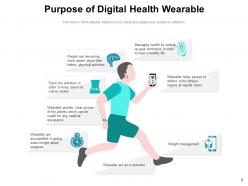
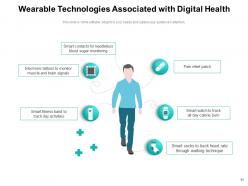
Wearable technology in digital health management delivers continuous health monitoring, real-time data collection, early disease detection, improved patient engagement, and enhanced preventive care capabilities. While these devices streamline healthcare delivery and reduce monitoring costs, they also present data privacy concerns and accuracy limitations, with many healthcare providers finding that strategic implementation ultimately enhances patient outcomes and operational efficiency.
Digital health management systems facilitate better collaboration by enabling real-time data sharing, standardized communication protocols, and integrated care coordination platforms. Through cloud-based electronic health records and secure messaging systems, hospitals, specialists, and primary care providers streamline patient handoffs, reduce diagnostic delays, and enhance treatment continuity, ultimately delivering more coordinated care and improved patient outcomes.
-
Visually stunning presentation, love the content.