


Digital marketing strategy ppt examples slides





Try Before you Buy Download Free Sample Product
 Impress Your
 Audience
 100%
100% Editable
 Save Hours
 of Time


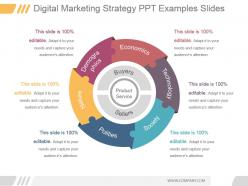
Get up to expectations with our Digital Marketing Strategy Ppt Examples Slides. Your thoughts will acquire due acclaim.
People who downloaded this PowerPoint presentation also viewed the following :
Digital marketing strategy ppt examples slides with all 5 slides:
Erase any doubts about the job with our Digital Marketing Strategy Ppt Examples Slides. Be able to issue clear cut instructions.
FAQs for Digital marketing strategy
Honestly, start with figuring out who you're actually talking to - like, get specific about your audience. Create content that doesn't suck and pick maybe 2-3 platforms to focus on instead of being everywhere at once (I learned this the hard way). Analytics are huge because otherwise you're just guessing what works. SEO's worth the effort since free traffic beats paid every time. Oh, and make sure your messaging sounds consistent whether someone finds you on Instagram or gets your email. Set real goals with numbers you can track - your boss will thank you when budget season rolls around. Audit what you're doing now first though.
Honestly, don't spread yourself thin trying to be everywhere at once. Pick like 2-3 platforms where your customers actually are. Each one needs different content though - TikTok wants those snappy videos, LinkedIn's more about professional stuff, Instagram loves the visual storytelling thing. I've watched so many businesses burn out trying to post on every single platform and just... failing miserably at all of them. Consistency beats quantity every time. Use their built-in features too - Stories, Reels, those LinkedIn polls people actually vote on. Oh, and definitely stalk your competitors first to see what's working for them.
Think of SEO as your free traffic machine - once it's working, people find you without ads. Start with keyword research to see what your customers actually type into Google. Then write content that answers their real questions, not just random blog posts. Your site needs to load fast and work on mobile too, which honestly trips up way more businesses than it should. Don't go crazy stuffing keywords everywhere - that backfires. I'd start small, maybe one solid article each week. Build slowly and focus on being genuinely helpful rather than gaming the system.
Start with revenue vs marketing spend - that's your ROI foundation. Google Analytics and your ad platforms need conversion tracking set up so you can see what's actually bringing in sales (not just traffic). Attribution gets weird, especially if you have long sales cycles, but begin with last-click and first-click models. Customer acquisition cost, lifetime value, conversion rates by channel - track all of it. Oh and honestly? Don't even bother discussing ROI in meetings until your tracking is bulletproof. You'll just end up looking silly with garbage data.
Honestly, stop trying to sell and start solving problems - that's where the magic happens. Your headlines need to hook people immediately. Throw in some storytelling because emotions drive decisions way more than features do. Always tell people what to do next with clear CTAs. Testimonials are gold (I can't stress this enough - social proof converts like crazy). Nobody reads giant blocks of text anymore, so use bullet points and keep paragraphs short. Try different formats too - videos, case studies, whatever. Oh, and look at your best-performing content first. Figure out why it worked, then do more of that.
Honestly, segmentation is everything. You can't just blast the same message to everyone and expect it to work - trust me, I've seen too many people try that. Pick 2-3 specific groups based on what they actually do or who they are. Then craft your stuff for those exact people instead of some imaginary "average customer" that doesn't exist. The difference is wild - campaigns that were totally flopping suddenly start killing it once you nail down who you're actually talking to. Way better than the spray-and-pray approach most people use.
Honestly, AI personalization and interactive stuff like polls are blowing up right now. Voice search is getting massive too - literally everyone's talking to their phones these days. Short-form video still rules everything, though TikTok's algorithm is honestly a mystery half the time lol. Oh, and you'll want to focus on zero-party data since third-party cookies are basically dead. My advice? Pick maybe two things that actually fit your audience instead of trying to do it all. You don't need to chase every trend.
Think of email as the glue holding your whole digital strategy together. When someone finds you through Instagram or clicks your Google ad, that's where email picks up the conversation. Keep your messaging consistent across everything - same vibe, same brand voice. Honestly, inconsistent messaging is probably the fastest way to confuse people and lose them. Segment your lists by where people came from so you're not sending the same generic stuff to everyone. Facebook followers might need different content than people who found your blog organically. Map out your customer journey first though - figure out where email actually makes sense instead of just blasting people randomly.
Honestly, automation is a game changer - it'll save you so much time while actually making your campaigns better. I love being able to schedule posts ahead of time and set up those email sequences that nurture leads automatically. The behavioral triggers are pretty cool too. No more scrambling at midnight because you forgot to post something (been there!). What really sold me though is the consistency aspect. Your stuff runs round the clock without you hovering over it, plus the tracking gives you way better data. I'd start with basic email automation or social scheduling first - you'll be shocked how much headspace it frees up for the bigger picture stuff.
Honestly, data analytics just shows you what's actually working instead of what you *think* is working. I used to blow money on Facebook ads that looked pretty but converted like garbage - such a waste! Now I can see which channels give me the best bang for my buck and when people actually buy stuff. You'll spot patterns in how customers behave and figure out who's worth targeting. Oh, and you can tweak campaigns on the fly instead of waiting weeks to see results. Start tracking your conversion rates and customer acquisition costs first. Way better than going with your gut all the time.
Honestly, just pick 2-3 platforms where your customers actually are and get good at those first. Don't spread yourself everywhere - I learned that the hard way lol. Post stuff that genuinely helps people instead of always trying to sell (I know, easier said than done). SEO for your website matters, but so does just talking to your audience regularly. Email marketing is still surprisingly effective for following up with leads. Oh, and definitely chase down some customer reviews and maybe connect with influencers in your space. Social proof is everything these days. Start small and build up from there.
Skip the big follower counts and find people whose audiences actually look like your customers. Seriously, engagement rates matter way more than vanity metrics. Set clear goals first - awareness, leads, whatever you're after. Then give them creative control (within reason) because forced content just feels weird and performs terribly. Oh, and definitely use unique discount codes or tracking links so you can see what's actually working. I made the mistake once of picking someone with 100k followers who couldn't sell a single thing. Learn from my failures lol.
Honestly, just be straight up with people about what data you're collecting. Make your privacy policy something humans can actually read - none of that legal jargon nonsense. Give users real control over their info too. The bar is pretty low right now since so many companies are sketchy AF with this stuff. Don't do fake countdown timers or ads that promise unrealistic results. Also maybe don't target people's insecurities or go after vulnerable groups? That's just gross. Focus on building actual trust instead of just maximizing clicks. Look at what you're doing now and ask yourself - would this piss me off if I was the user?
So basically, you've gotta think about where people's heads are at. Early on, they don't even know you exist - that's when blog posts and social content work best. Once they're aware and shopping around, hit them with retargeting ads and email sequences to stay relevant. Honestly, comparison guides are clutch here too. When they're ready to buy, testimonials and free trials usually seal the deal. Oh, and don't sleep on your existing customers - automated upsell emails can be surprisingly effective. Start by mapping out every touchpoint, then figure out what campaigns make sense for each stage.
Dude, you NEED mobile optimization or you're basically throwing money away. Most people are scrolling on their phones anyway, so if your site looks like trash on mobile, they'll just bounce immediately. Google's algorithm loves mobile-friendly sites too, so your search rankings will tank without it. Honestly, I learned this the hard way with my own project last year - desktop looked great but mobile was a disaster. The cool thing is when you fix mobile first, everything else usually gets better too. Just grab a few different phones and see how bad it really is, then tackle the worst stuff first.
-
Commendable slides with attractive designs. Extremely pleased with the fact that they are easy to modify. Great work!
-
Commendable slides with attractive designs. Extremely pleased with the fact that they are easy to modify. Great work!