


Digital Services Playbook for Technological Advancement PowerPoint Präsentationsfolien





Try Before you Buy Download Free Sample Product
 Impress Your
Audience
 100%
Editable
 Save Hours
of Time


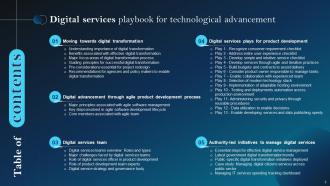
Das Digital Services Playbook for Technological Advancement ist ein umfassender Leitfaden für politische Entscheidungsträger und Unternehmen, die sich auf den Weg der digitalen Transformation machen. Es betont die Bedeutung der digitalen Transformation und die damit verbundenen Vorteile sowie die wichtigsten Schwerpunktbereiche des Prozesses. Die Digital Services-Präsentation bietet auch Leitprinzipien für eine erfolgreiche digitale Transformation und Vorüberlegungen, die für die Neugestaltung von Projekten unerlässlich sind. Anschließend wird der agile Produktentwicklungsprozess untersucht, wobei die Prinzipien des agilen Softwaremanagements, die wichtigsten Schritte im Lebenszyklus der agilen Softwareentwicklung und die Kernmitglieder eines agilen Teams behandelt werden. Darüber hinaus skizziert das Digital Transformation Deck die Spielmöglichkeiten digitaler Dienste für die Produktentwicklung, einschließlich der Entwicklung von Diensten durch agile und iterative Praktiken, der Auswahl eines modernen Technologie-Stacks und der Verwaltung von Sicherheit und Datenschutz durch wiederverwendbare Verfahren. Abschließend schließt das Playbook mit einem Abschnitt über die Verwaltung des Dashboards zur Nachverfolgung der Ausgaben für IT-Services. Erhalten Sie jetzt Zugang zu diesem umfassenden Leitfaden, der Ihnen hilft, den Weg der digitalen Transformation erfolgreich zu meistern.
People who downloaded this PowerPoint presentation also viewed the following :
Inhalt dieser Powerpoint-Präsentation
Folie 1 : Diese Folie stellt das Digital Services Playbook for Technological Advance vor. Beginnen Sie mit der Angabe Ihres Firmennamens.
Folie 2 : Diese Folie zeigt die Agenda der Präsentation.
Folie 3 : Diese Folie enthält das Inhaltsverzeichnis.
Folie 4 : Diese Folie hebt den Titel für die als nächstes behandelten Themen hervor.
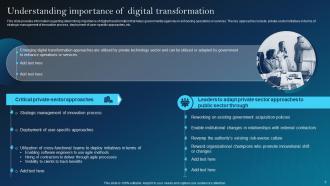
Folie 5 : Diese Folie konzentriert sich auf das Verständnis der Bedeutung der digitalen Transformation.
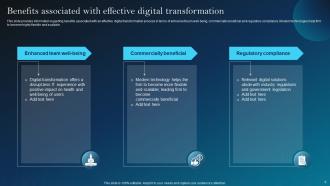
Folie 6 : Diese Folie zeigt die Vorteile einer effektiven digitalen Transformation.
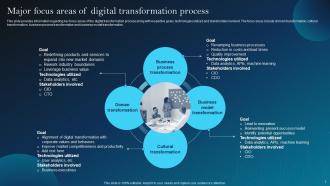
Folie 7 : Diese Folie zeigt die Hauptschwerpunkte des digitalen Transformationsprozesses.
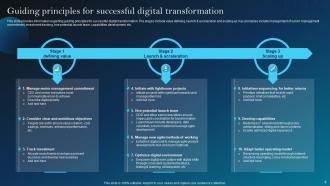
Folie 8 : Diese Folie befasst sich mit den Leitprinzipien für eine erfolgreiche digitale Transformation.
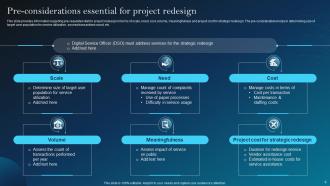
Folie 9 : Diese Folie hebt die Vorüberlegungen hervor, die für die Neugestaltung des Projekts wesentlich sind.
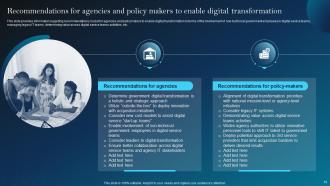
Folie 10 : Diese Folie stellt die Empfehlungen für Behörden und politische Entscheidungsträger dar, um die digitale Transformation zu ermöglichen.
Folie 11 : Diese Folie gibt die Überschrift für die als nächstes zu diskutierenden Inhalte an.
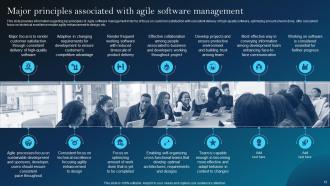
Folie 12 : Diese Folie enthält Informationen zu den wichtigsten Prinzipien des agilen Softwaremanagements.
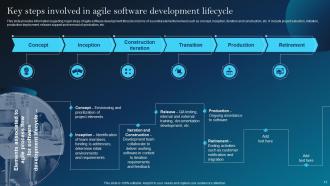
Folie 13 : Diese Folie enthält Informationen über die wichtigsten Schritte im Lebenszyklus der agilen Softwareentwicklung.
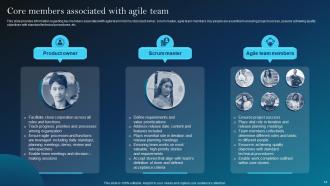
Folie 14 : Diese Folie zeigt die Core-Mitglieder, die dem agilen Team zugeordnet sind.
Folie 15 : Diese Folie präsentiert den Titel für die Ideen, die in der nächsten Vorlage behandelt werden sollen.
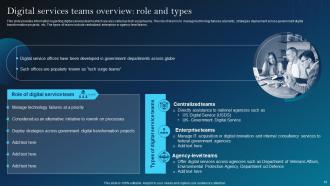
Folie 16 : Diese Folie enthält Informationen zu Teams für digitale Dienste, die auch als Tech-Surge-Teams bezeichnet werden.
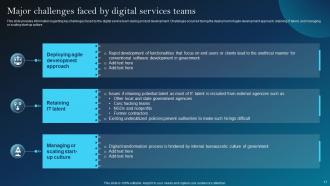
Folie 17 : Diese Folie zeigt die größten Herausforderungen, denen Teams für digitale Dienste gegenüberstehen.
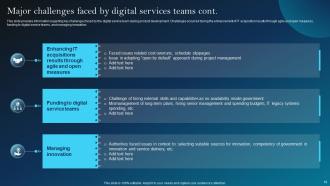
Folie 18 : Diese Folie setzt die großen Herausforderungen fort, denen sich Teams für digitale Dienste gegenübersehen.
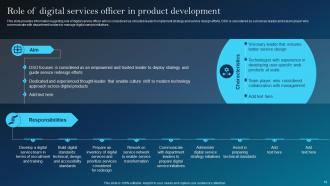
Folie 19 : Diese Folie hebt die Rolle des Digital Services Officer in der Produktentwicklung hervor.
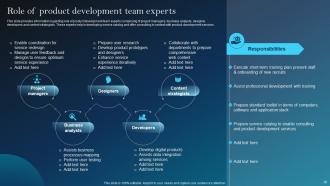
Folie 20 : Diese Folie zeigt die Rolle der Experten des Produktentwicklungsteams.
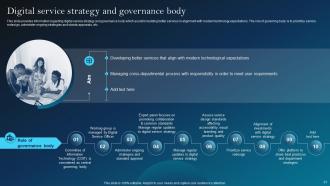
Folie 21 : Diese Folie behandelt die Strategie für digitale Dienste und das Führungsgremium.
Folie 22 : Diese Folie enthält die Überschrift für die weiter zu diskutierenden Ideen.
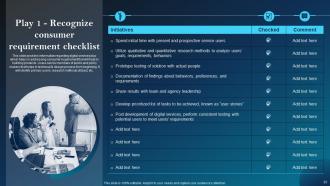
Folie 23 : Diese Folie befasst sich mit der Berücksichtigung von Verbraucheranforderungen, die bei der Herstellung von Produkten helfen.
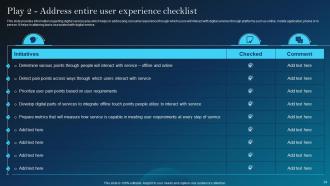
Folie 24 : Diese Folie konzentriert sich auf das Kundenerlebnis.
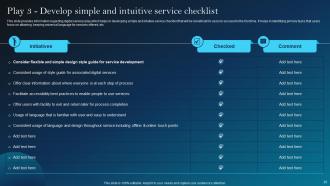
Folie 25 : Diese Folie zeigt die Entwicklung einer einfachen und intuitiven Service-Checkliste.
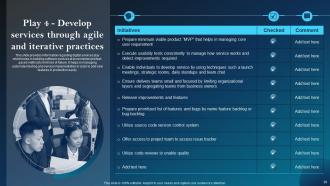
Folie 26 : Diese Folie zeigt die Erstellung von Softwarediensten mit einer inkrementellen und schnellen Methode zur Begrenzung des Ausfallrisikos.
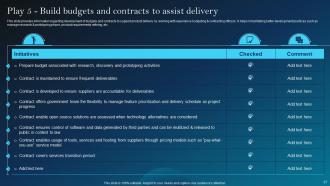
Folie 27 : Diese Folie zeigt die Entwicklung von Budgets und Verträgen zur Unterstützung der Produktlieferung.
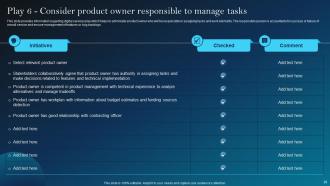
Folie 28 : Diese Folie stellt digitale Dienste dar, mit denen der Product Owner verwaltet wird, der für die Zuweisung von Aufgaben und Arbeitselementen verantwortlich ist.
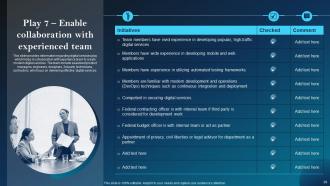
Folie 29 : Diese Folie zeigt das Spiel mit digitalen Diensten, das in Zusammenarbeit mit dem Erfahrungsteam hilft, moderne digitale Dienste zu erstellen.
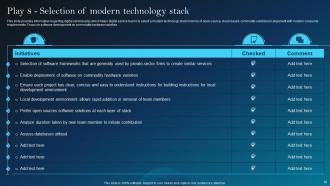
Folie 30 : Diese Folie präsentiert das Spiel mit digitalen Diensten, das Teams für digitale Dienste hilft, einen modernen Technologie-Stack auszuwählen.
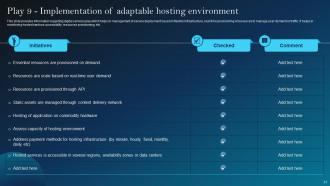
Folie 31 : Diese Folie zeigt Play 9 – Implementierung einer anpassbaren Hosting-Umgebung.
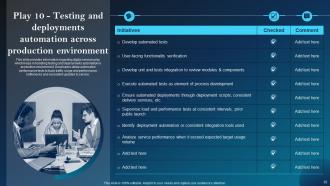
Folie 32 : Diese Folie repräsentiert Play 10-Testing und Bereitstellungen.
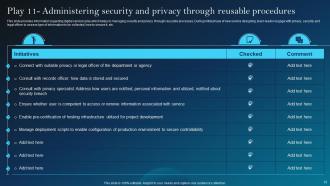
Folie 33 : Diese Folie zeigt das Spiel digitaler Dienste, die bei der Verwaltung von Sicherheit und Datenschutz durch wiederverwendbare Prozesse helfen.
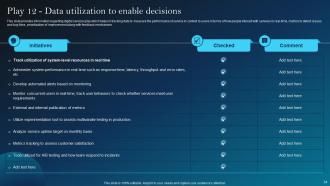
Folie 34 : Diese Folie präsentiert das Spiel der digitalen Dienste, das beim Verfolgen von Daten hilft.
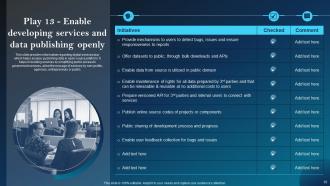
Folie 35 : Diese Folie konzentriert sich auf Play 13 – Ermöglichen Sie die Entwicklung von Diensten und die offene Veröffentlichung von Daten.
Folie 36 : Diese Folie zeigt den Titel für die als nächstes zu besprechenden Inhalte.
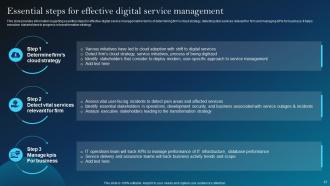
Folie 37 : Auf dieser Folie werden die wesentlichen Schritte für ein effektives Management digitaler Dienste aufgeführt.
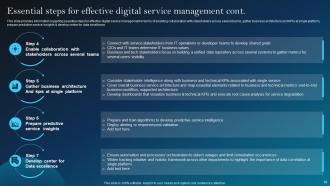
Folie 38 : Diese Folie führt die wesentlichen Schritte für ein effektives Management digitaler Dienste fort.
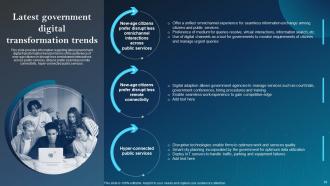
Folie 39 : Diese Folie behandelt die neuesten Trends bei der digitalen Transformation von Behörden.
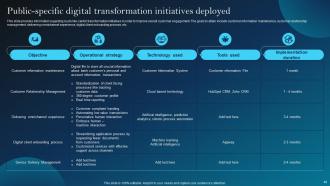
Folie 40 : Diese Folie enthält Informationen zu kundenorientierten Transformationsinitiativen.
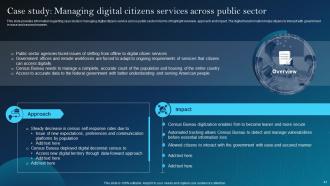
Folie 41 : Diese Folie zeigt die Fallstudie zur Verwaltung digitaler Bürgerdienste im gesamten öffentlichen Sektor.
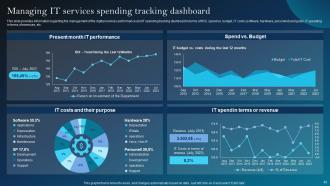
Folie 42 : Diese Folie konzentriert sich auf das Dashboard zur Verwaltung der Ausgaben für die Verwaltung von IT-Services.
Folie 43 : Dies ist die Symbolfolie, die alle im Plan verwendeten Symbole enthält.
Folie 44 : Diese Folie dient zur Darstellung einiger zusätzlicher Informationen.
Folie 45 : Dies ist die 30-60-90-Tage-Planfolie für eine effektive Planung.
Folie 46 : Dies ist unsere Missionsfolie. Geben Sie hier die Vision, Mission und das Ziel Ihres Unternehmens an.
Folie 47 : Diese Folie enthält die Haftnotizen für Erinnerungen und Fristen.
Folie 48 : Dies ist die Folie des Venn-Diagramms.
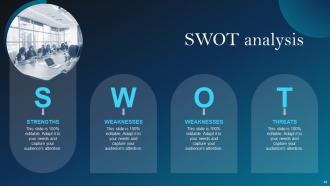
Folie 49 : Diese Folie präsentiert die SWOT-Analyse.
Folie 50 : Dies ist die Folie unseres Teams. Geben Sie hier Ihre teambezogenen Informationen an.
Folie 51 : Dies ist die Folie zur Ideengenerierung, um neue Ideen zu fördern.
Folie 52 : Dies ist die Puzzle-Folie mit verwandten Bildern.
Folie 53 : Dies ist unsere Zielfolie zur Präsentation der Ziele der Organisation.
Folie 54 : Dies ist die Dankesfolie für die Bestätigung.
Digital Services Playbook For Technological Advancement Powerpoint-Präsentationsfolien mit allen 59 Folien:
Verwenden Sie unsere Powerpoint-Präsentationsfolien zu Digital Services Playbook For Technological Advancement, um Ihnen effektiv dabei zu helfen, wertvolle Zeit zu sparen. Sie sind gebrauchsfertig und passen in jede Präsentationsstruktur.
















FAQs for Digital Services Playbook For Technological Advancement
So the Digital Services Playbook has 13 principles for building government tech that doesn't suck. Most important ones: figure out what users actually need, look at the whole experience (not just the website part), and keep things simple. Build with agile methods, structure your budgets right, put one person in charge and make them own it. Get experienced teams involved too. There's other stuff about picking good tech and using data to make decisions - honestly these are way more practical than most government guidelines. I'd read through all 13 first, they're actually useful for once.
So the Playbook actually makes you do real user research before building anything - like, you can't skip that step. Talk to actual people first, test stuff with them, then change things based on what they tell you. Way better than the usual government approach tbh. You'll need researchers and designers involved from the start, not added later when everything's already broken. Plain language is huge too, plus making sure everything's accessible. Oh and you have to keep measuring if users are actually happy with what you built. Start by figuring out who your users really are and what's driving them crazy right now.
Honestly, Agile and the Digital Services Playbook go hand in hand - like, the playbook basically assumes you're already working that way. You'll be doing sprints, getting user feedback constantly, and testing everything as you build it. Most gov teams totally bomb this initially (I've seen it so many times). But here's the thing - forget the big waterfall launch. Start with tiny iterations, test with actual users from day one, and don't be scared to change direction when the data tells you to. My advice? Just set up your first sprint and dive in.
So the playbook actually makes accessibility a big deal from the start - not just something you slap on at the end. They want you including disabled users in your research phase, which honestly makes so much sense but tons of teams skip it. Throughout design and dev, you're supposed to hit Section 508 and WCAG standards, but they push you to go further and test with people who actually use screen readers and stuff. I got a bit sidetracked reading about assistive tech earlier - fascinating stuff. Bottom line: bake it in from day one instead of scrambling during QA.
So the Playbook says get your stakeholders involved right from the start - day one, basically. Map out who matters first. Then set up regular check-ins and feedback sessions throughout everything, not just when stuff hits the fan. Be upfront about your timelines and what you can actually pull off. Honestly, the transparency thing saves so much headache later. They're big on mixing up how you engage people too - surveys, workshops, interviews, whatever works better than those soul-crushing status meetings we all hate. Just make it ongoing, you know? Don't treat it like some box to check when you need sign-offs.
So the playbook focuses on user satisfaction and task completion rates - that's your bread and butter. Track how easily people finish what they came to do, plus conversion rates for key services. Getting user feedback through surveys helps too. Honestly, time-to-completion matters more than people think - government sites are already painful enough without slow processes. Don't forget the technical stuff either: page load times, uptime, mobile performance. I'd start small though. Pick your top 3-5 user journeys and set up analytics for those specific paths. Way easier than trying to track everything at once.
Honestly, the biggest pain is gonna be your team fighting the change. People get stuck in their ways, you know? They're used to building whatever the higher-ups ask for instead of what users actually want. Money's always tight too - new tools and training add up fast. Plus those ancient legacy systems will make your life hell at every turn. My advice? Pick one small project first to show it actually works. Way easier than trying to flip everything at once and having everyone revolt on you.
So basically you need to set up analytics from day one and actually use them. The playbook is all about measuring everything - user research, behavior patterns, performance after launch. Figure out what metrics actually tell you if users are succeeding (not just vanity numbers). Build dashboards your team will check regularly, not some fancy thing that sits there collecting dust. Think "measure twice, cut once" but for apps. Oh and make data part of your normal routine from the start - way easier than trying to bolt it on later when you're scrambling to understand why something isn't working.
So basically the Playbook trains your team to always be tweaking and improving stuff. Instead of guessing what users want, you're constantly shipping things, watching how people actually use them, and adjusting from there. Honestly, the "ship early and often" mentality is a game-changer once you get used to it. You'll start doing user research and retrospectives without even thinking about it - it just becomes how you work. Pick whatever play fixes your biggest headache right now and try it for one sprint. Don't overthink it.
Honestly, focus on what users actually need instead of just cool tech features. Show them real numbers - how much time you'll save or costs you'll cut. Don't go big right away though. Start with a small pilot project first because leadership won't throw money at some massive overhaul without proof it works. Frame everything around problems they already lose sleep over, not "we need shinier tools." Oh and definitely include ongoing costs in your pitch, not just the upfront build. That's where people usually get burned later.
Dude, the whole point is mixing your teams from the start - no more throwing stuff over the wall between departments. Get your designers, devs, product people, and business experts actually working together instead of that old-school handoff mess. Honestly, I've seen too many projects die because requirements got completely butchered in translation. Your non-tech people need to sit in on sprint reviews and user research sessions - like, actually watch the work happen rather than just reading boring status updates. Makes such a difference when everyone's speaking the same language about what users need vs what's technically possible.
Build personas from real data, not wild guesses. Do actual user interviews and surveys - those made-up "Sarah loves yoga" personas are useless anyway. What you want is genuine user goals and frustrations. Make them specific enough to guide design choices but not so narrow they only represent like three people. Context matters too - how are users actually interacting with your service? I always tell people to test early. Your personas will change as you collect more data, and honestly that's a good thing since you're learning what users really need.
Honestly, I'd just do a quick gap analysis first - see how your current stuff stacks up against their main principles like user-centered design and agile development. Most places are already doing bits of this, just not in any organized way. Don't try to fix everything at once though, that's a recipe for chaos. Pick maybe 2-3 things that hit your biggest headaches or line up with projects you've got coming up anyway. Pilot those first. The playbook's really more of a framework to make your existing work stronger, not tear it all down. Start small, see what actually moves the needle, then expand from there.
So feedback is what actually makes the whole iterative thing work. You're constantly pulling in thoughts from users, your team, stakeholders - whoever - to figure out what to build next. It's not just nice-to-have info, it literally decides your priorities and saves you when stuff isn't landing. Basically your BS detector for all those assumptions we make (and we definitely all make them). The playbook wants you setting up multiple feedback loops during development, not waiting till the end. User interviews, analytics, quick team check-ins - whatever works. Start early though, that's key.
So basically the Digital Services Playbook wants you to think about cybersecurity from the very beginning, not just slap it on at the end. Run security assessments early in the process. Build it into your user research and design choices right away. Continuous monitoring throughout development is key too. You'll want secure coding practices the whole time - honestly, this should be obvious but apparently it's not. Plan for regular updates and have your incident response ready to go. My old boss learned this the hard way. Start talking security in that first planning meeting, seriously.
-
A perfect platform for all your presentation needs. Unlimited products at an affordable price.
-
Easily Understandable slides.