

Dissertation Defense Research Process Methodology Research Document Professional




Try Before you Buy Download Free Sample Product
 Impress Your
 Audience
 100%
100% Editable
 Save Hours
 of Time


Our Dissertation Defense Research Process Methodology Research Document Professional are topically designed to provide an attractive backdrop to any subject. Use them to look like a presentation pro.
People who downloaded this PowerPoint presentation also viewed the following :
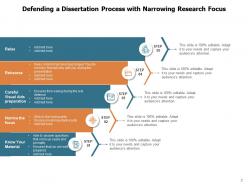
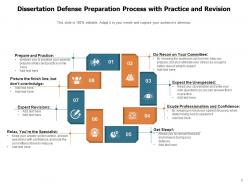
Dissertation Defense Research Process Methodology Research Document Professional with all 10 slides:
Use our Dissertation Defense Research Process Methodology Research Document Professional to effectively help you save your valuable time. They are readymade to fit into any presentation structure.
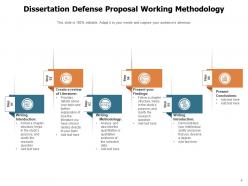

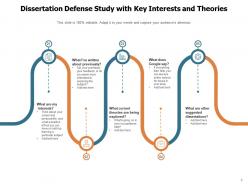

FAQs for Dissertation Defense Research Process Methodology
Key components include a compelling introduction, comprehensive literature review, clear methodology explanation, detailed results presentation, and thoughtful conclusion with implications. These elements work together by establishing credibility, demonstrating research rigor, and showcasing analytical depth, with many doctoral candidates finding that strategic visual aids and anticipated question preparation ultimately deliver confidence and committee approval in academic settings.
Presenters can effectively engage their audience during dissertation defense by maintaining eye contact, using clear visual aids, encouraging questions throughout, and connecting research to broader implications. These strategies help create interactive dialogue rather than one-way presentation, with many doctoral candidates finding that storytelling techniques, pausing for clarification, and acknowledging committee expertise ultimately delivers more collaborative and successful defense experiences.
Common pitfalls include over-preparing content while neglecting presentation skills, failing to anticipate committee questions, rushing through methodology explanations, and becoming defensive about limitations. Many candidates also underestimate timing requirements, skip practice sessions with peers, and focus excessively on technical details rather than broader implications, ultimately missing opportunities to demonstrate scholarly confidence and strategic thinking.
Visual aids are crucial in dissertation defense presentations, helping candidates communicate complex research findings, maintain audience engagement, and demonstrate professionalism through clear data visualization and structured content flow. Well-designed slides, charts, and diagrams enable committee members to follow intricate methodologies and results more easily, while strategic visual elements ultimately enhance comprehension and showcase the candidate's ability to present scholarly work effectively.
**INPUT**: What strategies can help manage anxiety or nerves before a dissertation defense? **OUTPUT**: Effective anxiety management strategies include thorough preparation through mock defenses, visualization techniques, structured review schedules, breathing exercises, and strategic rest periods. These approaches streamline mental preparation by building confidence, enhancing clarity, and minimizing uncertainty, with many doctoral candidates finding that combining rehearsal sessions with stress-reduction techniques ultimately delivers improved performance and greater composure during their defense. [Word count: 58 words]
Peer feedback enhances dissertation defense quality by identifying knowledge gaps, strengthening argument structure, improving presentation clarity, and anticipating potential examiner questions. Through mock defenses and collaborative review sessions, doctoral candidates refine their research communication, address methodological concerns, and build confidence, ultimately delivering more compelling defenses that demonstrate comprehensive understanding and scholarly rigor.
Candidates should prepare by thoroughly reviewing their methodology, anticipating weaknesses, practicing clear explanations, and studying related literature that committee members might reference. Effective responses involve acknowledging limitations honestly, providing evidence-based justifications for decisions, and demonstrating deep understanding through specific examples, with many successful candidates finding that confident, thoughtful engagement ultimately strengthens their academic credibility and research impact.
Time management plays a crucial role in dissertation defense success by enabling structured preparation, comprehensive research review, and strategic practice scheduling. Through disciplined timeline planning, candidates can allocate adequate time for presentation refinement, anticipate committee questions, and rehearse responses, with many doctoral students finding that systematic preparation schedules ultimately deliver confidence, reduced anxiety, and more polished defense performances.
Candidates can tailor their presentations by emphasizing methodology and statistical rigor in STEM fields, theoretical frameworks in humanities, practical applications in business disciplines, and evidence-based outcomes in social sciences. Understanding each discipline's priorities enables researchers to structure arguments, select relevant visuals, and frame contributions strategically, ultimately demonstrating mastery of field-specific conventions while showcasing their research's broader scholarly impact.
Dissertation defense questions typically include methodology inquiries, theoretical framework explanations, data interpretation challenges, research limitations discussions, and future research directions. Committee members often explore how findings contribute to existing knowledge, alternative approaches you considered, and practical applications of your work, while assessing your expertise depth and ability to defend scholarly decisions under academic scrutiny.
Candidates demonstrate expertise through thorough preparation, clear articulation of methodology and findings, and confident responses to committee questions. By practicing presentations, anticipating challenges, and maintaining composure under scrutiny, doctoral candidates showcase their mastery while engaging in scholarly dialogue, ultimately proving their readiness for independent research careers.
**INPUT**: What resources are available for practicing dissertation defense presentations? **OUTPUT**: Resources for practicing dissertation defense presentations include university writing centers, graduate student workshops, peer practice groups, faculty mock defenses, and professional presentation coaching services. These resources enhance preparation by providing structured feedback, simulating real defense conditions, and refining presentation skills, with many graduate programs finding that students utilizing multiple practice opportunities demonstrate greater confidence and deliver more polished defenses.
Effectively summarizing complex research findings requires translating technical concepts into accessible language, using visual aids and analogies, focusing on key implications rather than methodology details, and structuring presentations with clear takeaways for different stakeholder groups. Through strategic layering of information, researchers can deliver compelling narratives that resonate with academic committees, industry professionals, and general audiences, ultimately enhancing knowledge transfer and research impact.
The defense represents the culminating academic milestone, demonstrating mastery of research methodology, critical thinking, and scholarly communication while transitioning candidates from students to independent researchers. This rigorous examination validates years of graduate work, enhances professional credibility, and develops presentation skills essential for academic careers, with many programs finding that successful defenses significantly boost alumni confidence in pursuing advanced research positions.
Visual storytelling techniques elevate dissertation defense presentations by transforming complex research into compelling narratives through data visualization, strategic slide design, and cohesive visual themes that guide committee members through your argument. These approaches enable clearer communication of methodology and findings while enhancing audience engagement, with many doctoral candidates finding that well-crafted visual narratives significantly strengthen their defense outcomes.
-
Awesome presentation, really professional and easy to edit.
-
Helpful product design for delivering presentation.
-
Excellent template with unique design.
-
Great experience, I would definitely use your services further.