

Document control system ppt powerpoint presentation file graphics download cpb
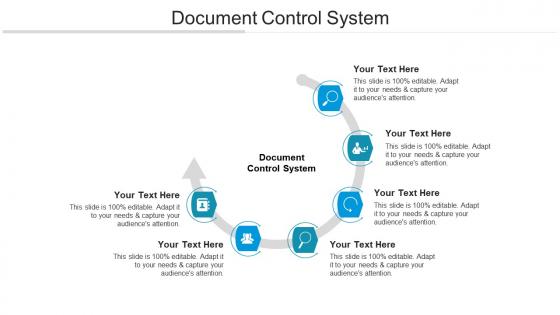




Try Before you Buy Download Free Sample Product
 Impress Your
Audience
 100%
Editable
 Save Hours
of Time


Our Document Control System Ppt Powerpoint Presentation File Graphics Download Cpb are topically designed to provide an attractive backdrop to any subject. Use them to look like a presentation pro.
People who downloaded this PowerPoint presentation also viewed the following :
Document control system ppt powerpoint presentation file graphics download cpb with all 9 slides:
Use our Document Control System Ppt Powerpoint Presentation File Graphics Download Cpb to effectively help you save your valuable time. They are readymade to fit into any presentation structure.









FAQs for Document control system ppt powerpoint presentation file
Key components of an effective document control system include version management, access controls, audit trails, approval workflows, and centralized storage repositories. These systems streamline compliance processes by automating document lifecycles, ensuring regulatory adherence, and maintaining data integrity, with organizations in healthcare, manufacturing, and financial services finding that centralized control ultimately delivers operational efficiency and reduced compliance risks.
A document control system ensures compliance by maintaining audit trails, automating version control, enforcing approval workflows, and tracking document lifecycles throughout regulatory changes. Through automated notifications and access controls, organizations streamline compliance monitoring, reduce human error, and maintain consistent documentation standards, with industries like pharmaceuticals and manufacturing finding that centralized systems significantly minimize regulatory risks while enhancing operational efficiency.
Technology serves as the backbone of modern document control systems, enabling automated workflows, real-time collaboration, version control, audit trails, and cloud-based accessibility. Through digital platforms and AI-powered features, organizations streamline document lifecycle management, enhance compliance tracking, and deliver faster retrieval times, with many enterprises finding that integrated systems significantly reduce administrative overhead while improving operational efficiency.
Common implementation challenges include resistance to change, inadequate user training, poor system integration with existing workflows, insufficient planning around document migration, and lack of clear governance policies. Organizations often find that addressing these hurdles through comprehensive change management, thorough staff education, and phased rollouts ultimately delivers smoother transitions and higher user adoption rates.
A document control system improves collaboration by centralizing document access, enabling real-time editing, tracking version histories, and providing automated notifications for updates and approvals. Through cloud-based platforms, teams streamline workflows, eliminate email chains, and ensure everyone accesses current information, with organizations finding that centralized systems reduce project delays and enhance transparency.
Document integrity and security best practices include version control protocols, access permissions management, audit trail documentation, regular backup procedures, and encryption standards. These measures streamline compliance requirements by preventing unauthorized modifications, tracking document lifecycles, and ensuring regulatory adherence, with many organizations finding that automated workflows significantly reduce human error while enhancing operational transparency.
Version control within document control systems tracks document changes through automated versioning, revision histories, and access permissions, ensuring teams always work with current materials. Through centralized repositories and approval workflows, organizations streamline collaboration, minimize errors from outdated versions, and maintain regulatory compliance, with many enterprises finding that systematic version management ultimately delivers operational efficiency and reduces costly miscommunication risks.
Key metrics include version accuracy rates, document retrieval times, approval cycle durations, compliance audit scores, and user adoption rates across departments. These indicators help organizations streamline workflows, reduce operational delays, and ensure regulatory adherence, with many companies finding that tracking these metrics ultimately delivers improved efficiency and enhanced decision-making capabilities.
A document control system streamlines workflows by automating approval processes, centralizing document access, eliminating redundant reviews, and providing real-time status tracking across departments. Through automated routing and version control, organizations reduce approval cycles from weeks to days, minimize revision conflicts, and enhance collaboration between teams, ultimately delivering faster project completion and improved operational efficiency.
Manual document control systems rely on paper-based processes, physical storage, and human oversight for version tracking and approvals, while automated systems use digital workflows, cloud storage, and software-driven compliance monitoring. Automated solutions streamline operations by reducing processing time, minimizing human error, and enhancing audit transparency, with many organizations finding that digital systems deliver significantly faster approvals and better regulatory compliance.
A document control system facilitates training and onboarding by providing centralized access to current procedures, policies, training materials, and role-specific documentation, ensuring new hires receive accurate, up-to-date information. This streamlined approach enables faster orientation processes, consistent knowledge transfer, and standardized training delivery across departments, ultimately reducing onboarding time and enhancing employee preparedness.
**INPUT**: What strategies can be employed to ensure user adoption of a document control system? **OUTPUT**: Effective adoption strategies include comprehensive training programs, intuitive interface design, gradual rollout phases, clear communication of benefits, and ongoing support resources. These approaches streamline implementation by addressing user concerns, demonstrating immediate value, and providing continuous guidance, with many organizations finding that combining technical excellence with change management ultimately delivers higher engagement rates and operational efficiency.
A document control system supports quality management by ensuring standardized procedures, maintaining version accuracy, enabling audit trails, and facilitating regulatory compliance across organizations. Through centralized document management, companies streamline quality processes, reduce errors, and enhance accountability, with manufacturing and healthcare sectors finding that automated workflows significantly accelerate certification processes while maintaining strict quality standards.
Improper document control significantly impacts project outcomes by causing version conflicts, miscommunication between teams, regulatory compliance failures, and increased project delays. These issues result in cost overruns, quality defects, and team inefficiencies, with many organizations finding that poor document management ultimately undermines project success and stakeholder confidence.
Organizations leverage cloud storage in document control systems by enabling remote access, automatic backups, real-time collaboration, scalable storage capacity, and seamless integration with existing workflows. Through cloud-based platforms, companies streamline document management while reducing IT infrastructure costs, with many financial institutions and healthcare organizations finding that cloud storage delivers enhanced security, faster retrieval times, and improved regulatory compliance.
-
Awesomely designed templates, Easy to understand.
-
Awesome use of colors and designs in product templates.