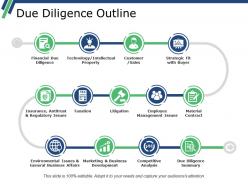
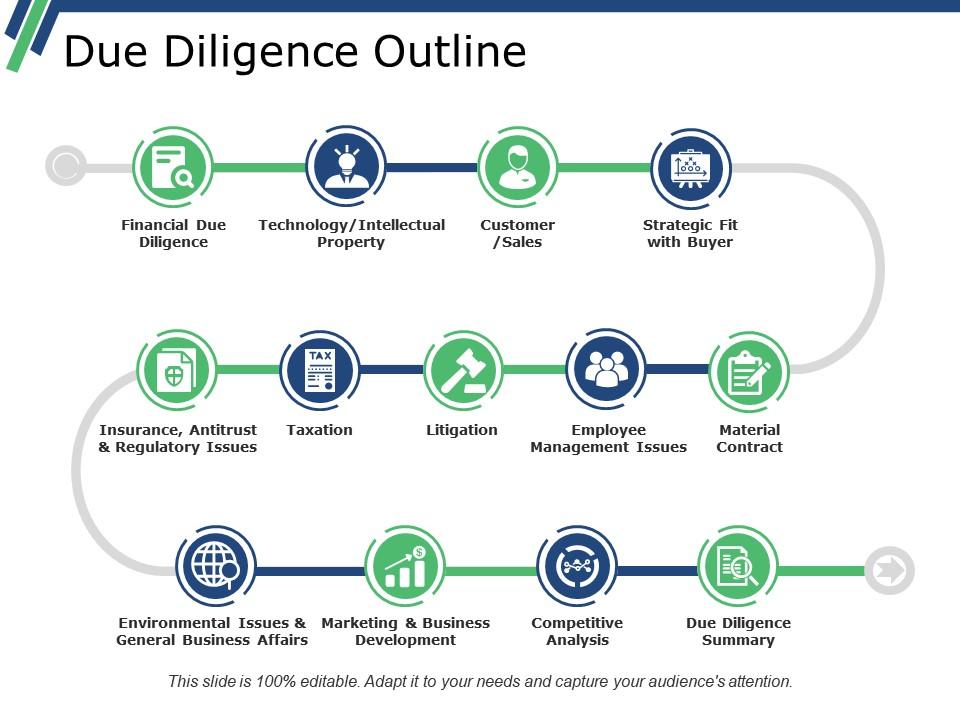
Due diligence outline ppt ideas
Try Before you Buy Download Free Sample Product
Audience
Editable
of Time
Our Due Diligence Outline Ppt Ideas are among the fancied breeds. They belong to the chic firmament.
People who downloaded this PowerPoint presentation also viewed the following :
Due diligence outline ppt ideas with all 5 slides:
Our Due Diligence Outline Ppt Ideas are the chords of your song. String them along and provide the lilt to your views.
FAQs for Due diligence
Look, you're basically playing detective to avoid getting screwed over. Dig into their finances, legal mess, operations - whatever might bite you later. There's always something hiding, trust me. Once you know the real deal, you can negotiate way better terms and pricing. Don't just check random boxes though. Focus on what actually matters for your specific situation. I learned this the hard way on my first acquisition - skipped checking their customer contracts and wow, that was expensive. Bottom line: be thorough where it counts so you're not dealing with nasty surprises after you've already signed.
M&A due diligence is basically investigating everything - financials, legal mess, employee stuff, operations. Takes forever and you need like 5 different teams. Real estate DD? Way simpler. You're just checking if the property's solid, zoning works, no environmental disasters, and whether the price makes sense compared to similar places. Honestly, real estate feels almost easy after doing M&A deals. With M&A you'll need specialists for every little thing, but for real estate you can get pretty far with just a decent inspector and lawyer who knows their stuff.
Look at financials first - revenue trends, cash flow, debt situation. Legal side covers contracts, compliance issues, any lawsuits hanging around. Operations means their key processes, systems, staffing situation. Market position matters too obviously. IP assets are huge - I've seen deals go sideways when people skip that part. Check customer concentration risks and any pending deals that might mess with valuation. Regulatory stuff can be a nightmare if you miss it. Honestly, being systematic beats trying to be perfect. Start with whatever's most critical for your thesis, then expand out. You can always dig deeper on anything sketchy.
Look, financial due diligence is basically your safety net against getting screwed over. You're hunting for red flags - revenue going downhill, cash flow issues, sketchy accounting tricks. Think of it like checking out a used car before you buy it, you know? Dig into at least 3 years of audited financials and watch for anything weird in the footnotes (that's where they hide the bad stuff, honestly). Hidden liabilities and overvalued assets can kill a deal fast. Major fluctuations between years? That's your cue to ask harder questions. Don't just skim the surface-level numbers.
Look, due diligence is your lifeline for catching compliance problems before you're stuck with them. Go through all their contracts, court cases, regulatory stuff - basically anything that screams "future headache." I know it sounds boring as hell, but trust me, it beats getting sued later. Focus hard on industry regulations and any lawsuits still hanging around. Those will bite you first. The whole point is figuring out what mess you're buying into so you can either negotiate a better deal or just bail completely.
International deals are way messier than domestic ones, honestly. First thing - check their business licenses and regulatory stuff in both countries. Google Translate will save your life for research. Look into their financial health and reputation through local sources. Cultural differences matter more than you'd think. How do they make decisions? What's their communication style like? Also factor in currency risks and tax headaches. My take? Hire local experts or lawyers in their country. Costs more upfront but you'll thank yourself later when things don't blow up.
Start with the classic trio: people, processes, and systems. Interview their operational leaders and check out the org charts, but more importantly - figure out how decisions *actually* happen vs what's on paper. Their core processes are huge, especially quality control, supply chain, and customer service stuff. Tech stack and data infrastructure? That's where the sketchy operational risks love to hide these days. Oh, and if you can swing it, definitely talk to front-line employees. Management will give you the polished version, but those guys will tell you what's really busted.
Dude, start with AI document analysis tools - they'll rip through contracts and financials way faster than doing it manually. Virtual data rooms are clutch for secure file sharing too. Automated compliance checks catch red flags right away, which honestly saves your ass more than you'd think. I'd also grab some risk assessment software to score issues systematically. Oh, and don't try to digitize everything at once - that's where people mess up. Figure out your worst bottlenecks first, then find tech that fixes those specific problems. The time you'll save makes it totally worth the upfront cost.
First thing - dig into the contamination history. Previous site uses, nearby factories, any spills or violations on record. Then check all the environmental compliance stuff: permits, inspection records, outstanding violations with regulators. Asbestos, lead paint, underground storage tanks can absolutely destroy your budget if you miss them. If there's any industrial history, you need ground and water contamination studies. The regulatory stuff changes constantly (honestly gives me a headache), but that's why environmental consultants exist. Get your Phase I assessments started ASAP - Phase II testing eats up time if they find contamination.
Dude, cultural due diligence is where deals go to die - I've watched so many crash and burn here. You've got to figure out if their work styles will actually mesh with yours. How do they make decisions? What's their meeting culture like? Hierarchy stuff can get weird fast if one side expects formal approvals for everything and the other just wings it. Interview people from both companies about how they actually operate day-to-day. Financial projections look great on paper, but if the teams hate working together after the merger... yikes. Flag those cultural gaps early or you'll be dealing with integration nightmares later.
Honestly, the worst mistake is rushing through it - you'll miss huge red flags. Most people tunnel vision on the numbers, but legal stuff and company culture matter just as much. Don't trust everything they tell you either (obviously they're gonna sugarcoat things). Get independent verification wherever you can. Also watch out for confirmation bias - like when you only hunt for info that makes the deal look good. Create a solid checklist beforehand and actually follow it. Oh, and operational risks are sneaky - they'll bite you later if you ignore them now.
Your due diligence findings are basically your poker chips when it comes to negotiating. Found financial red flags or compliance issues? Perfect - now you can demand price cuts, set up escrow accounts, or get specific protections written in. Operational problems work the same way. Sometimes you'll actually discover things are better than expected (which honestly doesn't happen enough), so you might pay closer to their asking price. Don't just bail at the first problem though. Smart move is documenting everything so you can point to specific issues and get real concessions during talks.
Honestly, skipping due diligence is like buying a house without checking if the foundation's cracked. You'll get hit with legal issues, regulatory fines, or discover debts nobody mentioned. I've watched companies blow millions because they rushed through - or completely skipped - their research phase. Your reputation gets trashed too, especially if you're the one who recommended moving forward. People remember when you screw up their money. Look, I get that everyone wants to close deals yesterday, but you've got to carve out time for proper review. Trust me on this one.
Start by literally listing everyone who's connected to your business - employees, customers, suppliers, the regulatory folks, local community, investors. Then figure out what each group actually cares about and how you affect them. Honestly, don't just focus on the loudest voices either. Sometimes the quiet ones are sitting on the biggest issues. Surveys work, focus groups are solid, one-on-ones give you real insight. Even stalking social media helps - people complain there first anyway. The trick is being methodical about it instead of just randomly reaching out. Map it all systematically, then work backwards to find the best approach for each group.
So third-party advisors are like your specialized backup crew. Lawyers dive into contracts and legal stuff, accountants tear through financial statements, industry experts check out market position and operations. Honestly, I'd rather have someone else spot the red flags than miss them myself. They bring credibility too since they're independent. Just pick advisors who actually get your industry and deal size - sometimes the big-name firms are total overkill. You don't need a Ferrari mechanic to tune up your Honda, you know?
-
Best Representation of topics, really appreciable.
-
Great product with highly impressive and engaging designs.