

Ecommerce luxury fashion platform pitch deck ppt template




Try Before you Buy Download Free Sample Product
 Impress Your
 Audience
 100%
100% Editable
 Save Hours
 of Time


Ecommerce has been considered one of the most significant innovations in the retail sector. Fashion retailers are focusing on implementing an omnichannel strategy for their luxury brands. Check out our professionally designed pitch deck that covers information regarding a leading Ecommerce Luxury Fashion Platform that renders products from more than 1000 boutiques and brands across the globe. The pitch deck effectively attracts investors by distilling the company into condensed and marketable messages for potential investors. The deck caters to impressive statistics about the platform, eCommerce challenges catered by online luxury fashion platform, platforms growth strategy, financial initiatives of the platform, platforms presence across the globe, luxury fashion industry overview, e-commerce luxury fashion market, and industry dynamics. The deck showcases slides about the progressive timeline of online luxury market growth, the economic model for brands and retailers, profitable business model, potential customer statistics associated with the platform, comparative assessment of significant players existing, client associated, and key people involved. Download this 100 percent editable and powerful pitch deck now.
People who downloaded this PowerPoint presentation also viewed the following :
Content of this Powerpoint Presentation
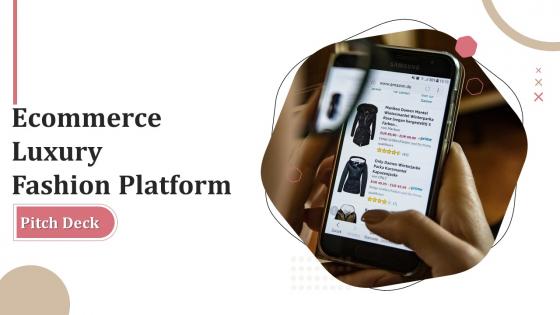
Slide 1: This slide introduces Ecommerce Luxury Fashion Platform. State Your Company Name and begin.
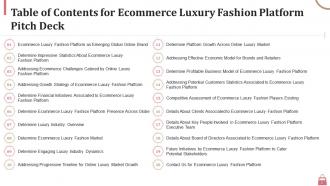
Slide 2: This slide shows Table of Contents for Ecommerce Luxury Fashion Platform Pitch Deck.
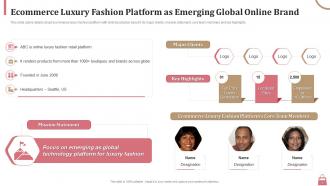
Slide 3: This slide presents ecommerce luxury fashion platform with brief description about it, its major clients, mission statement, etc.
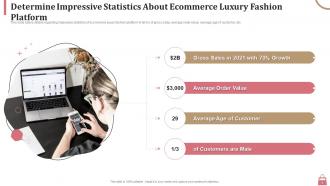
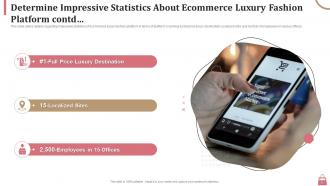
Slide 4: This slide shows impressive statistics of ecommerce luxury fashion platform in terms of gross sales, average order value, etc.
Slide 5: This slide displays Determine Impressive Statistics About Ecommerce Luxury Fashion Platform.
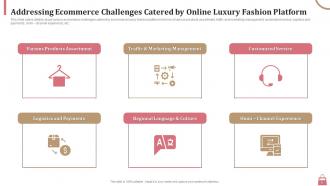
Slide 6: This slide shows Addressing Ecommerce Challenges Catered by Online Luxury Fashion Platform.
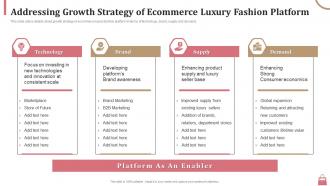
Slide 7: This slide shows Addressing Growth Strategy of Ecommerce Luxury Fashion Platform.
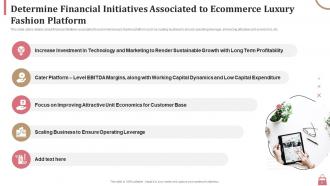
Slide 8: This slide presents Determine Financial Initiatives Associated to Ecommerce Luxury Fashion Platform.
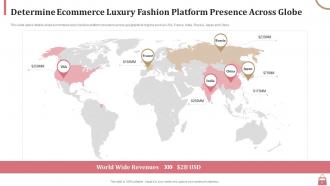
Slide 9: This slide shows Determine Ecommerce Luxury Fashion Platform Presence Across Globe.
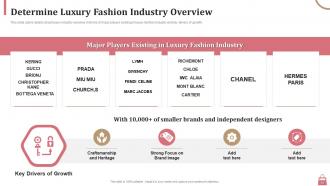
Slide 10: This slide displays luxury industry overview in terms of major players existing in luxury fashion industry and key drivers of growth.
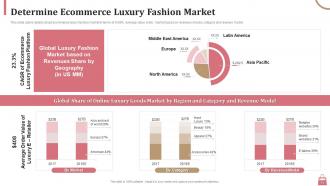
Slide 11: This slide shows ecommerce luxury fashion market in terms of CAGR, average value order, etc.
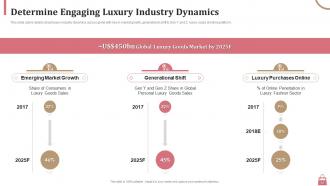
Slide 12: This slide shows luxury industry dynamics across globe with rise in market growth, generational shift, etc.
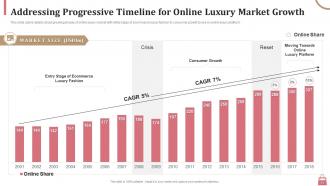
Slide 13: This slide presents growing phases of online luxury market with initial stage of ecommerce luxury fashion.
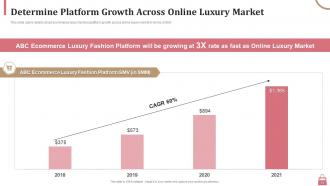
Slide 14: This slide caters details about ecommerce luxury fashion platform growth across online luxury market.
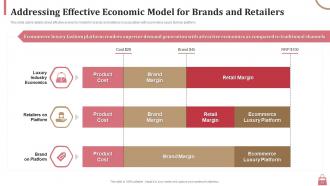
Slide 15: This slide displays Addressing Effective Economic Model for Brands and Retailers.
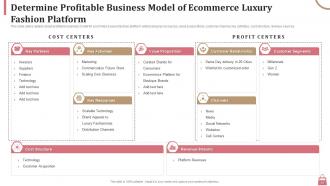
Slide 16: This slide shows Determine Profitable Business Model of Ecommerce Luxury Fashion Platform.
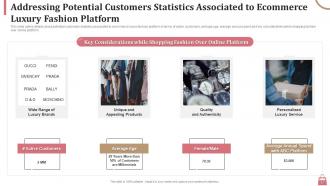
Slide 17: This slide shows potential customers statistics associated to ecommerce luxury fashion platform.
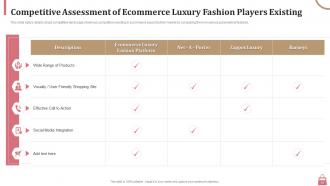
Slide 18: This slide presents Competitive Assessment of Ecommerce Luxury Fashion Players Existing.
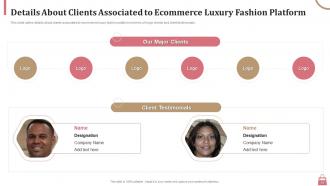
Slide 19: This slide shows Details About Clients Associated to Ecommerce Luxury Fashion Platform.
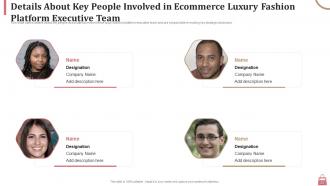
Slide 20: This slide displays Details About Key People Involved in Ecommerce Luxury Fashion Platform Executive Team.
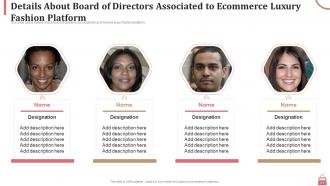
Slide 21: This slide caters details about board of directors associated to ecommerce luxury fashion platform.
Slide 22: This slide shows Future Initiatives by Ecommerce Luxury Fashion Platform to Cater Potential Stakeholders.
Slide 23: This slide presents Contact Us for Ecommerce Luxury Fashion Platform.
Slide 24: This slide shows Icons for Ecommerce Luxury Fashion Platform.
Slide 25: This slide is titled as Additional Slides for moving forward.
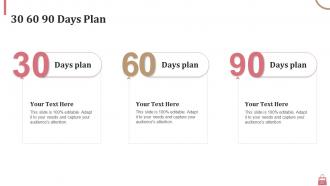
Slide 26: This slide shows 30 60 90 Days Plan with text boxes.
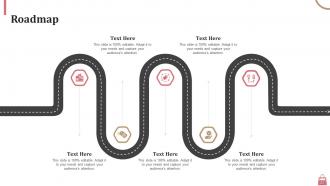
Slide 27: This slide shows Roadmap with additional textboxes.
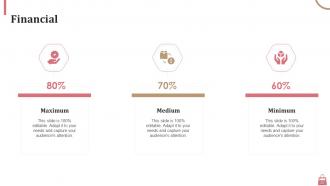
Slide 28: This is a Financial slide. Show your finance related stuff here.
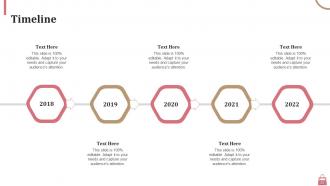
Slide 29: This is a Timeline slide. Show data related to time intervals here.
Slide 30: This slide displays Post It Notes. Post your important notes here.
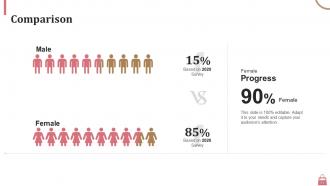
Slide 31: This is a Comparison slide to state comparison between commodities, entities etc.
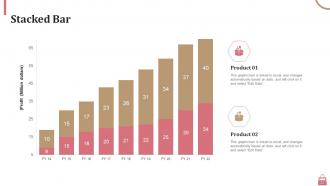
Slide 32: This slide displays Stacked Bar chart with two products comparison.
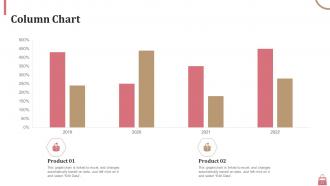
Slide 33: This slide presents Column chart with two products comparison.
Slide 34: This is a Thank You slide with address, contact numbers and email address.
Ecommerce luxury fashion platform pitch deck ppt template with all 39 slides:
Use our Ecommerce Luxury Fashion Platform Pitch Deck Ppt Template to effectively help you save your valuable time. They are readymade to fit into any presentation structure.





FAQs for Ecommerce luxury fashion platform pitch
Honestly, personalization is huge right now - people want that curated shopping experience. Instagram and TikTok shopping are taking off big time too. Everyone's obsessed with sustainability stories now, which makes sense. Your mobile checkout better be flawless because customers have zero patience for clunky flows. Live shopping events aren't optional anymore, same with virtual try-ons. Oh and the resale market is insane - younger shoppers love mixing vintage pieces with new stuff. Start with mobile though, that's where you'll actually see your conversion rates jump. Everything else can wait if your mobile experience sucks.
So luxury brands basically gatekeep everything online too. They do limited drops, member-only stuff, and you literally have to get invited to shop sometimes. Wild, right? Popular items get waitlists, VIP customers get early access, and some pieces require an actual "application" - honestly more annoying than just going to the store. But it works! Authentication certificates and fancy packaging help maintain that premium vibe. Personal stylists too. The whole point is making you feel as special online as you would walking into their flagship. Scarcity sells, even digitally.
Look, storytelling is everything in luxury fashion. You're not selling a $2000 bag - you're selling the dream that comes with it. Hermès doesn't just make purses, they tell you about artisans hand-stitching every Birkin. Chanel weaves Coco's whole rebellious vibe into their campaigns. Sometimes I swear the backstory feels more expensive than the actual product! Your customers want to feel like they're part of something bigger. Document everything - the inspiration behind each piece, your process, the people making it happen. That's what turns expensive accessories into "investment pieces" people obsess over.
Skip the basic product pics - luxury is all about storytelling and making people feel special. Instagram and TikTok are perfect for showing the behind-the-scenes stuff (designer interviews, how things are made, styling sessions). Pinterest is actually amazing for luxury brands because people discover you months later when they're ready to buy. Oh, and don't sleep on LinkedIn - tons of high-income people scroll through there. The key is being aspirational without being salesy. Rich people hate feeling like you're trying to sell them something. Work with smaller influencers who genuinely fit your vibe, not just whoever has the most followers. Honestly though? Pick one platform first and nail it before jumping around everywhere.
Honestly, you've gotta make it feel like they're getting VIP treatment even though it's online. Virtual styling sessions work really well - people love talking to actual humans about fit and sizing. The unboxing thing is huge too, luxury shoppers eat that up and share it everywhere. I'd also do detailed videos showing fabric texture since that's what they're missing in-store. AR try-ons are pretty cool for accessories if you're feeling fancy. White-glove delivery and easy returns are basically expected now. Maybe start with personal styling calls first - they usually give you the best bang for your buck.
AR fitting rooms are seriously changing the game for luxury brands. Customers can actually see how that Gucci bag looks on them or try on Louboutin heels through their phone camera - which honestly still feels like sci-fi to me sometimes. Burberry and Sephora are crushing it with way fewer returns and better sales because people aren't guessing on fit anymore. The confidence factor is huge. If your luxury clients aren't exploring AR partnerships yet, they're missing out big time. ROI numbers don't lie.
Honestly, forget bulk buying - luxury shoppers want that exclusive feel, so smaller batches work way better. Track your sell-through rates like crazy and do pre-orders for limited stuff to test demand first. Nothing tanks the luxury vibe faster than overselling a $2K bag, so get your inventory synced across all channels in real time. Returns are tricky since you need to resell them as new, so invest in good authentication and condition tracking. Oh, and start with a solid SKU system for size, color, condition - trust me, it'll save you so many headaches down the road.
Dude, payment options can make or break luxury sales. Rich customers still want flexibility - even if they're dropping $2k on a purse, they might prefer installments or buy-now-pay-later. Weird, right? But it's true. Your checkout needs to feel as premium as your products. Multiple currencies, seamless flow, bulletproof security. If it's clunky, they'll just shop elsewhere. I'd stick with 4-6 solid payment methods and test your checkout monthly. One bad experience and they're gone - luxury shoppers have zero patience for mediocre payment experiences.
Honestly, the biggest pain is that counterfeiters are getting scary good at this stuff - they're copying everything down to the packaging now. Since customers can't touch anything before buying, you've gotta nail your authentication process. Certificates help but even those get faked sometimes, which is wild. I'd start by partnering directly with brands or finding consigners who actually know their stuff. Train your team to spot the telltale signs. Your product photos need to be crazy detailed too - show all those little authenticity markers that prove it's real.
Look, luxury brands are basically stalking you but making it feel fancy. They track everything - what you browse, buy, even how long you stare at that handbag. Then they use all that info to send you scary-accurate recommendations and personalized emails. Some even use AI to predict what you'll want next (which honestly freaks me out a bit). The pricing gets adjusted based on your behavior too. If you're doing this for your business, collect every bit of customer data possible. It's annoying but it works.
Dude, sustainability isn't just trendy anymore - it's basically mandatory in luxury ecommerce. Customers research everything now. They want to know where materials come from, how workers are treated, the whole deal. Even Gucci puts their eco stuff front and center on their homepage. The resale market is absolutely crushing it too - Vestiaire Collective is making bank. People will drop serious cash on sustainable pieces, but they expect real proof, not just marketing fluff. If your brand doesn't have a solid sustainability story with actual data backing it up, shoppers bounce to competitors who do. It's wild how fast this shift happened, honestly.
Look, you gotta sync everything up so it doesn't feel like you're running two different businesses. Your inventory system should show what's in stores when people browse online - and your staff needs to see customer history no matter where they shopped before. That's honestly where luxury brands crush it with personalization. Make returns work across all channels because rich people hate being told no lol. Train everyone to give the same amazing service whether someone's in your flagship store or just scrolling your app at 2am.
Trademark stuff is your biggest headache - luxury knockoffs are insane right now. Your terms need rock-solid authenticity guarantees and clear return policies for expensive items. Different countries have different consumer protection rules, which honestly gets messy fast if you're going international. Don't forget GDPR and privacy laws since you're dealing with customer payment data. Luxury advertising gets picked apart too, so watch your marketing claims. Actually, just get an ecommerce lawyer to look everything over before you launch - it's worth it.
Dude, customer service in luxury ecommerce is everything. People spending $2K on a handbag online want that boutique experience - fast responses, styling help, easy returns. They're basically buying blind compared to touching stuff in-store, so you've got to make them feel special. Train your team on luxury expectations and respond within an hour max. Bad service kills these brands fast. The competition's insane, so this is literally how you stand out. Oh and personalized touches go way further than you'd think - makes customers feel like VIPs instead of just another order number.
Honestly, influencer partnerships are huge for luxury fashion brands. Your customers want to see how that expensive bag actually looks on someone, not just sitting on a white background. It's like upgraded word-of-mouth marketing. The trick is finding influencers who genuinely match your brand's vibe - I can't stress this enough because fake partnerships are so obvious. Look at who your target customers already follow on social. Then focus on building real relationships instead of just throwing money at random sponsorships. People can smell inauthenticity from a mile away, especially in luxury.
-
Professional and unique presentations.
-
Helpful product design for delivering presentation.